Article
Search results:
-

Yunnan Summer Travel Handbook: Dive Into Nature and Culture Magic
Forget the standard tourist checklist. Yunnan is not a destination to be simply seen; it is a sensory awakening waiting to be experienced. This is a land where nature writes poetry across dramatic landscapes—from stone forests clawing at the sky to serene lakes mirroring snow-capped peaks. It's a place where ancient towns hum with centuries of stories, and vibrant traditions are woven into the very slopes of the mountains. To travel here is to step into a living tapestry, a breathtaking dance of earth, water, and sky. Pack your curiosity, leave your expectations behind, and prepare to be surprised by the wild heartbeat of eternal spring. 1. Yunnan's Wild Heartbeat Forget guidebooks. Yunnan isn't a checklist; it's a sensory awakening. Imagine stone forests clawing skyward, ancient towns humming with stories, lakes mirroring snow-capped giants, and traditions woven into mountain slopes. This isn't just travel; it's stepping into a living tapestry where earth, water, and sky perform an ancient dance. Pack curiosity, leave expectations behind, and let the land of eternal spring surprise you. 1.1 Shilin (石林) Step into a world sculpted by epochs. Shilin isn't merely rocks; it's a petrified ocean frozen mid-storm. Towering limestone pillars, resembling mythical beasts or… -

Anhui: Where Nature’s Dances with Centuries of Culture
Nestled between mist-shrouded peaks and time-honored traditions, Anhui reveals itself not just as a destination, but as an experience—where nature’s quiet grandeur merges seamlessly with a culture carved by centuries. Here, mountains breathe, villages dream, and every flavor tells a story. 1. 6 Canvases of Wonder 1.1 Huangshan (黄山) Some places speak without words. Huangshan whispers through stone. Granite peaks pierce shifting clouds like ancient brushstrokes. These mountains breathe. Watch mist curl around twisted pines clinging defiantly to cliffs. Sunlight fractures on dew-heavy branches, scattering diamonds before your eyes. Dawn here paints the sky in watercolor washes – peach, lavender, gold. Those patient enough witness halos of light encircling their shadow on the clouds below. This realm feels sculpted by wind and time, not human hands. Paths wind past rocks resembling mythical beasts frozen mid-roar. Natural hot springs steam quietly at the mountain’s feet, offering warmth after cool summit winds. Come winter, ice glazes every branch, transforming the forest into crystal. Huangshan isn’t scenery. It is atmosphere. 1.2 Hongcun (宏村) Southward, stillness reigns. Hongcun floats. Its whitewashed walls and ink-black tiles mirror perfectly in the crescent-shaped Moon Pond. Rain turns pathways into liquid obsidian, reflecting curved eaves and carved wooden… -
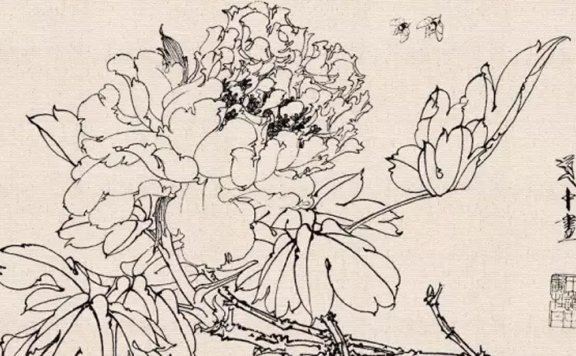
How to Conduct Line Drawing Sketching of Fine Brush Flower-and-Bird Paintings
Chinese flower-and-bird painting, known as “Xie Yi” (写意), is far more than a simple act of representation. It is a profound philosophical and artistic practice that seeks to capture the very essence of nature. By infusing depictions of plum blossoms, orchids, birds in flight, and other natural subjects with deep human sentiment and cultural ideals, this art form becomes a dialogue with life itself. It reflects a timeless yearning for harmony between humanity and the natural world. True mastery in this tradition begins not with the brush, but with the eye and the heart, requiring patient observation, a poetic sensibility, and a deep understanding of the inner spirit of all living things. https://youtu.be/IQBCJ2BtHug 1. The Heart of Chinese Flower-and-Bird Painting Chinese flower-and-bird painting, Xie Yi, transcends mere representation. It captures the essence of nature – plum blossoms, orchids, chrysanthemums, bamboo, birds in flight – infusing them with profound human sentiment and cultural ideals. These subjects are not just beautiful forms; they embody virtues admired for centuries, reflecting a deep yearning for harmony between humanity and the natural world. To paint them is to engage in a dialogue with life itself, seeking resonance between the outer scene and the inner spirit.… -
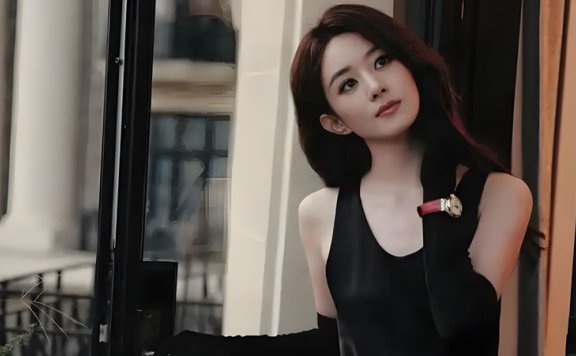
Zhao Liying: How Xu Banxia's Short Locks Became a Long Black Legacy?
When Zhao Liying (赵丽颖) stepped into the Longines livestream with raven hair cascading past her shoulders, the internet gasped. This wasn't just another celebrity hairstyle change; it felt like the return of a queen reclaiming her throne. Gone was the sharp, ambitious Wild Bloom (风吹半夏) persona Xu Banxia (许半夏). In her place stood a vision of timeless elegance, draped in head-turning black sophistication that sent viewers scrambling for screenshots. Could the actress who redefined power with a pixie cut now redefine grace with flowing tresses? The answer unfolded in velvet and silk, punctuated by a single, blazing stroke of crimson at her wrist. Style Alchemy The magic of Zhao's Longines appearance lay in meticulous craftsmanship. Her sleeveless top, crafted from liquid-like satin, captured the light with an almost lunar glow, sculpting her shoulders and collarbones with understated power. Below, a velvet skirt fell in perfect, gentle folds, its subtle movement adding softness without sacrificing structure. This wasn't merely an all-black ensemble; it was a masterclass in texture and silhouette. Against this sophisticated monochrome canvas, a single Longines watch in vibrant, uncompromising crimson blazed like a star against a night sky. This strategic burst of color wasn't just an accessory; it… -

Sima Jiao's Silent Revolution Against a Hostile World
Blood stained Liao Tingyan's (廖停雁) robes as she lay broken. Sima Jiao (司马焦) stood frozen, his face a mask carved from moonlight and shadow. In that suffocating silence where rage should have roared, his tear betrayed him first—a solitary drop tracing the battlefield dust on his cheek. Then came the subtle lift. Not a flinch, not a flinch, but an almost imperceptible elevation of browbones, as if shifting continental plates beneath still waters. This minuscule movement held more power than any battle cry, a seismic tremor contained within skin and bone. The Language of a Brow He’d mastered this gesture through lifetimes of swallowed grief. When tears threaten to become rivers, the brow lifts like a floodgate—redirecting sorrow’s gravity before it drowns dignity. Professionals of suppressed weeping know this anatomy well. Inhale sharply, elevate the arch, exhale the tsunami back into its abyss. For Sima Jiao, it was survival carved into muscle memory. Yet here, watching Liao Tingyan’s shallow breaths, the lift transformed. It became a phantom hand brushing her wounds. His lashes trembled, moisture pooling into a protective haze before blinking it away. That fractional rise was morphine for her pain, a bandage woven from air. Through blood and… -
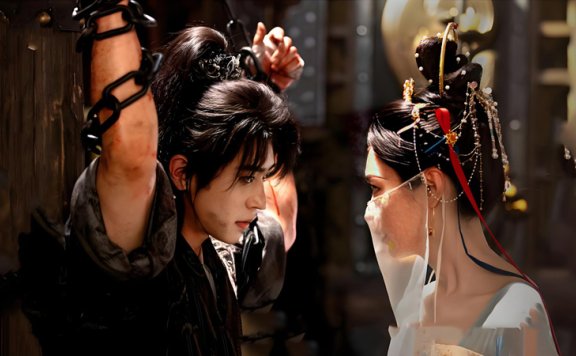
Shadow Love Weaves Political Intrigue and Identity Crisis
Shadow Love (与晋长安) premiered on iQiyi on August 24, instantly igniting the late summer historical drama landscape. Adapted from Jiu Lu Fei Xiang's (九鹭非香) novel, this fantasy romance follows General Li Shuang (黎霜) who rescues amnesiac enemy prince Duan Aodeng (段敖登, now Jin An 晋安). Their accidental blood pact triggers a love story tangled with shifting identities and national loyalties. Within hours, its anime-inspired visuals, layered romance, and high-octane action propelled the series past 8000 on iQiyi's popularity charts, proving compelling stories always find their audience. Anime Power Unleashed The opening episodes deliver an unforgettable visual punch. Director Deng Ke (邓科) establish a distinct aesthetic, blending historical grandeur with dynamic fantasy. A defining moment arrives early: Duan Aodeng's plunge into a blood pool. Emerging transformed, plasma streaming from his hair and chiseled features, his eyes glow with unnatural blue and red hues. Intricate blue sigils pulse across his chest under the crimson rain. This isn't just spectacle; it's narrative alchemy. He becomes Yulinglong's (玉玲珑) vessel – an amnesiac, unstable shadow puppet bound by instinct. This accident binds him to Li Shuang through a blood covenant. As Jin An, he oscillates between childlike dependence and lethal potential. When Li Shuang faces danger,… -
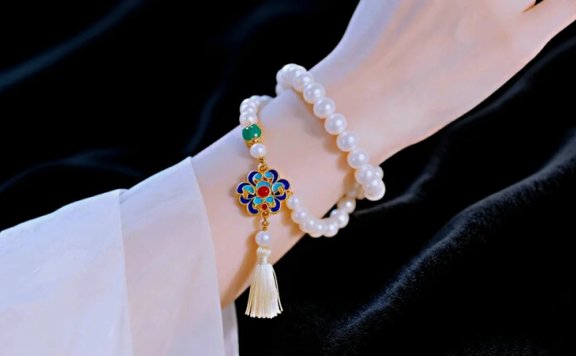
Pearl & Cloisonne: Your Secret to Ethereal Hanfu Style!
Witnessing a revived tradition, Hanfu gracefully reclaims its place in modern wardrobes. This resurgence speaks volumes about our renewed appreciation for heritage aesthetics. The flowing silhouettes and delicate details of Hanfu naturally evoke an aura of timeless elegance. To truly amplify this ethereal charm, the right accessories are essential. Forget fleeting trends; discover how the classic pairing of lustrous pearls and vibrant Jingtai Lan (Cloisonne) beads can elevate your Hanfu look into something truly transcendent. Choosing complementary jewelry transforms an outfit. Soft-hued gemstones create the perfect foundation for Hanfu's delicate beauty. Think luminous white or blush pearls, serene moonstone, gentle rose quartz, aquamarine, honeyed amber, or the soft greens of jade or malachite. These subtle shades offer versatility. For those seeking a touch more intensity, garnet, lapis lazuli, or carnelian provide options. Today, we focus on mastering the exquisite harmony between pearls and Jingtai Lan, empowering you to craft a signature style. Color Harmony Rules The magic lies in balance. Pearls, especially classic white, offer unmatched softness and versatility. Their gentle sheen provides a calming base. Jingtai Lan, conversely, bursts with intricate, vivid colors achieved through its unique enamel artistry. This contrast demands careful pairing. Choose pearls as the dominant… -
3 Tales of Love and Sacrifice in Moonlit Reunion
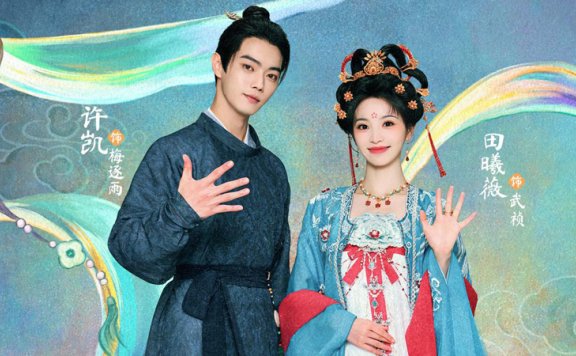
Amidst the buzz surrounding Moonlit Reunion (子夜归), a Chinese fantasy drama set in Tang Dynasty Chang'an, the series shines with its exquisite production, stunning visuals, and compelling storytelling. While off-screen controversies swirl around lead actor Xu Kai (许凯), the show itself delivers a rich tapestry of relationships, particularly through its central character Wu Zhen (武祯), a half-demon cat guardian striving to maintain peace between realms. Her interactions with characters like Mei Zhuyu (梅逐雨) and Pei Jiya (裴季雅) add depth, but it's the three unforgettable couples that steal hearts with their poignant tales of love and sacrifice. Each pair embodies unique struggles, blending fantasy with human emotion to create moments that resonate long after the credits roll. 1. Fu Chao (蝠朝) and Fu Xi (蝠夕) Fu Chao and Fu Xi emerge as enchanting figures in Moonlit Reunion, born from a pair of ancient bat-shaped earrings that have shared a century as twin spirits. Their story unfolds when Fu Chao, driven by curiosity, briefly leaves Chang'an to explore the human world, leaving Fu Xi distraught and vulnerable to dark influences that turn her into a vengeful demon. This separation highlights their inseparable bond, as Fu Xi's descent into darkness stems from a… -
Zezhou's Molten Iron Rain Illuminates Centuries of Craftsmanship
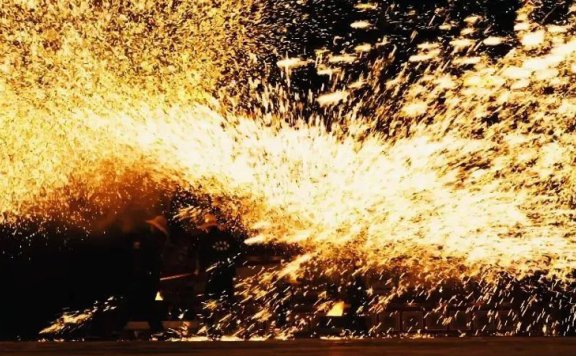
In the heart of Shanxi province, an extraordinary celestial spectacle unfolds against the night sky as temperatures drop during winter months. Zezhou (泽州) Iron Floral Fireworks, an ancient performance art dating back over a millennium, transforms 1600°C molten metal into breathtaking aerial displays that dance between danger and beauty. This incredible tradition, recognized as a provincial-level intangible cultural heritage in 2012, represents not just artistic expression but the enduring spirit of Shanxi's iron civilization that has flourished for well over two thousand years. The Iron Land's Historical Legacy People have long celebrated the region surrounding Jincheng City (锦城市), historically known as Zezhou, as the "hometown of coal and iron." The area's rich mineral resources have been exploited since the Spring and Autumn Period (770-476 BCE), with mining and metallurgy industries developing almost simultaneously with the birth of Chinese metallurgical history. Ancient texts, including the Classic of Mountains and Seas, specifically mention iron ore deposits in the Tiger Tail Mountain mining area within the ancient Zezhou prefecture. During the Warring States Period (475-221 BCE), Zezhou became a crucial production center for iron weaponry supplied to northern states. The legendary Yang'e Sword, produced in the region, was renowned for its incredible sharpness—reportedly… -
Beyond Ghosts: The True Spirit of China's Zhongyuan Festival
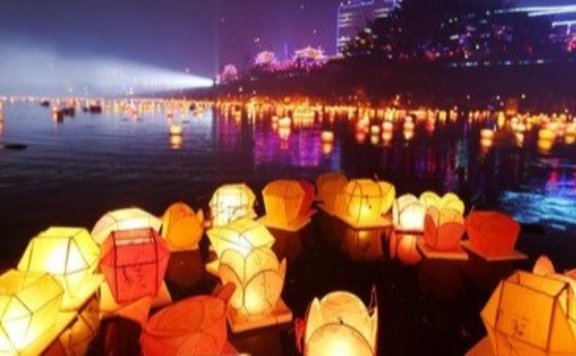
As autumn's chill begins to whisper through the air, a unique phenomenon unfolds across cultures. From the costumed revelry of Halloween to the vibrant altars of Mexico's Día de Muertos, societies worldwide acknowledge the thinning veil between the living and the dead. In China, this observance takes its most profound form during the entire seventh lunar month, culminating in the Zhongyuan Festival (中元节), or Hungry Ghost Festival. More than just a "ghost day," it's a deeply woven tapestry of ancestral respect, philosophical thought, and community care that defines its core. The Ghost Month The entire seventh lunar month is traditionally known as the "Ghost Month" in Chinese folklore. The belief holds that on the first day of the month, the gates of the underworld open, allowing spirits to roam the human realm. The festival peak arrives on the fifteenth day, though some regions observe it on the thirteenth or fourteenth. This isn't framed as a terrifying invasion. Instead, it's viewed as a sacred period where the departed can return to visit their families and receive sustenance. The month is dedicated to providing for these spirits. It begins with ceremonies to "receive the ancestors" , and families make offerings throughout the… -
The Silent Language of Chinese Paper Cutting Through Centuries
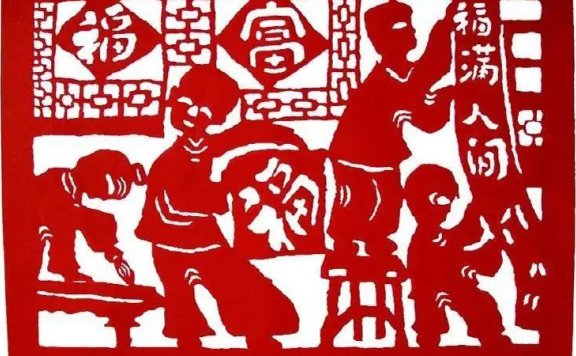
Chinese paper cutting represents an extraordinary cultural tradition that has evolved over two millennia, serving as both artistic expression and cultural documentation. This intricate art form transforms simple paper into complex visual narratives using only scissors or knives, creating works that embody the collective memory, social values, and aesthetic sensibilities of Chinese civilization. Far more than mere decoration, these delicate cuttings represent a sophisticated visual language that continues to communicate cultural identity across generations. Historical Development The origins of Chinese paper cutting predate the invention of paper itself, with early artisans practicing similar techniques on various thin materials, including leather, metal foils, and silk fabrics. During the Warring States period, these precursor arts reached remarkable sophistication, establishing technical foundations that would later transfer to paper. The subsequent invention of paper during the Han Dynasty provided the perfect medium for these techniques to flourish and evolve into what we now recognize as traditional paper cutting. The Tang Dynasty witnessed the art form's emergence as a distinct cultural expression. As paper became more widely available, artists developed specialized forms, including window decorations, figurative representations, and floral patterns that enriched daily life and celebrations. The Song Dynasty marked another significant advancement with the… -
The Qixi Festival: China's Ancient Night of Secrets
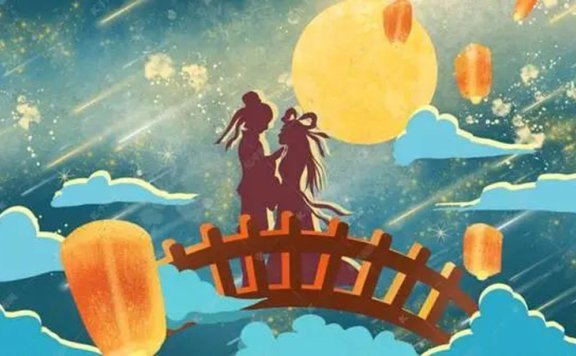
Beneath the summer sky, a celestial love story has been celebrated for millennia throughout East Asia. The Qixi Festival (七夕节), often called China's Valentine's Day, holds far deeper meaning than simple romantic gestures. This ancient observance, dating back to the Han Dynasty and flourishing during the Song era, represents a fascinating convergence of astronomy, gender roles, spiritual beliefs, and agricultural traditions that continues to resonate in modern times. The festival's complex tapestry of customs reveals a society deeply connected to celestial patterns and human aspirations. Celestial Foundations and Cultural Evolution The festival's foundation lies in ancient Chinese astronomical observations that shaped its timing and symbolism. Early astronomers meticulously tracked the seasonal movements of stars, particularly noting the Vega and Altair stars in the Lyra and Aquila constellations. During the seventh lunar month, these two bright stars appear at their closest proximity in the night sky, creating the optical illusion of a celestial meeting. This astronomical phenomenon inspired the poetic personification of these stars as the Weaving Maid and Cowherd, a mythological pairing that first appeared in poetic works during the Classic of Poetry period dating back to between the 11th and 7th centuries BCE. The complete narrative took shape during… -
Art in a Teacup: The Song Dynasty’s Revolution in Tea Culture
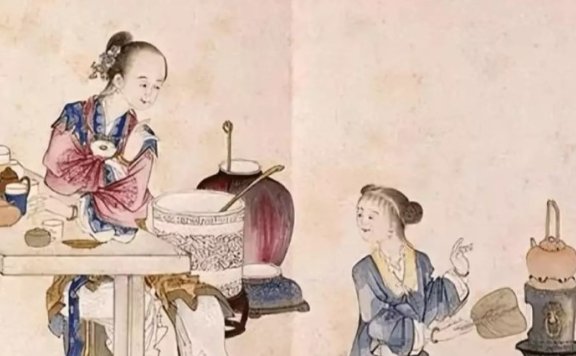
During China's Song Dynasty, tea transcended its role as mere beverage to become a profound cultural institution that permeated every level of society. Within the imperial court, it evolved into an elaborate ritual that blended art, politics, and spirituality in ways that would define Chinese tea culture for centuries to come. The sophistication of tea preparation and appreciation reached unprecedented heights, creating traditions that continue to influence tea practices today. The Imperial Tea System The Song emperors established an elaborate system for tea production and preparation that began with specialized plantations. Emperor Taizong (太宗) established the Beiyuan (北苑) tea plantation in Fujian province exclusively for imperial consumption, setting new standards for tea quality. The most prized variety came from the mist-shrouded Huangshan mountains in Anhui, where tea leaves were carefully picked, processed, and transported to the capital under strict supervision. At court, tea masters employed the intricate "Dian Cha" (点茶) method, grinding tea leaves into fine powder that was then whisked with hot water. This preparation required precise temperature control and specific brewing vessels. The emperor Huizong (徽宗), himself a renowned tea connoisseur, documented these techniques in his "Treatise on Tea," describing the ideal seven stages of water addition and… -
Why Black Myth: Zhong Kui Choose a Niche Cultural IP
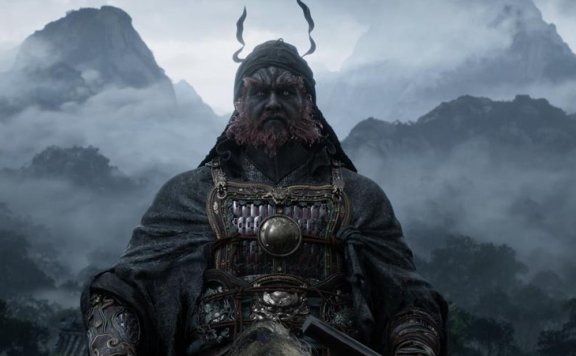
I was keeping an eye on the news from Gamescom, and when Zhong Kui (钟馗) popped up, my first reaction was genuine surprise. It wasn't that I was expecting DLC for Black Myth: Wukong - it was more that the Zhong Kui IP feels like a familiar yet distant figure. The last time I heard this name in mainstream pop culture was probably over a decade ago in a TVB series. Using a traditional cultural IP that has somewhat faded from public memory means there's almost no existing blueprint to follow. They'll have to rebuild public recognition of Zhong Kui almost from scratch. But then again, the first Black Myth game laid a solid foundation. Not only did it turn developer Game Science into an IP with a loyal fanbase, but it also established a framework for using the gaming medium to deconstruct and reimagine traditional culture—a framework Black Myth: Wukong has already proven can effectively break through cultural barriers overseas. For Game Science, an IP like Zhong Kui—rich in meaning and open to reinterpretation—offers tremendous creative freedom. Unlike Sun Wukong, a household name and national-level IP, Zhong Kui lacks a clearly defined canonical narrative or a structure that easily lends… -
Why Are So Many Chinese Anime Films Adapted from Traditional IP?
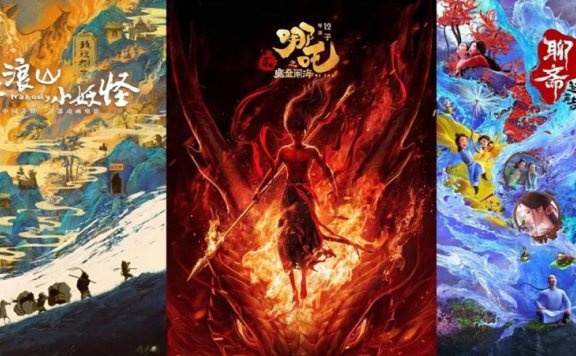
The surprise hit NOBODY (浪浪山小妖怪) has now passed the 1-billion-RMB mark at the box office. Like its name suggests, this one is another spin-off from Journey to the West—and that's hardly unusual anymore. Among the five domestic animated films this year that crossed the 100-million-RMB line, three were based on classic novels. Aside from Langlang Mountain, there's Ne Zha 2, adapted from The Investiture of the Gods. That one grossed 15.446 billion RMB early this year, setting a new record for single-film earnings in China. The summer release Curious Tales of a Temple (聊斋:兰若寺) also brought in 242 million RMB. Looking more closely, the relationship between domestic animation and these classic stories feels like a kind of "two-way dependency." Not only do most blockbuster animated films come from traditional literature, but in recent years, successful adaptations of these works seem to appear almost exclusively in animation. The live-action side has never stopped trying to make hits out of Journey to the West or The Investiture of the Gods (sometimes nicknamed "the fifth great classic"), but more often than not those attempts flop. So why is it that animated films can consistently turn these ancient texts into box-office gold? What creative… -
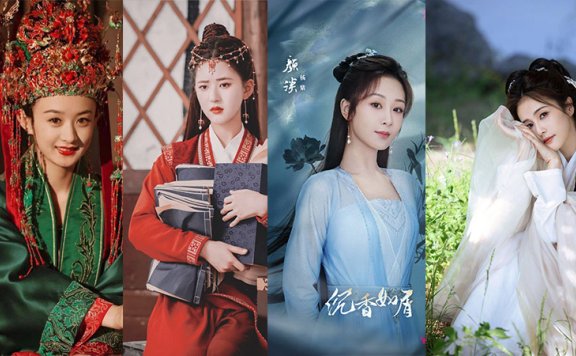
Who's the New Leading Lady of Cdramas?
The last two years in the drama market have felt like a desert: too many misses, too few real hits. When it comes to the industry's definition of who can "carry a drama" (扛剧, means recognition from producers and platforms, not just fan hype), producers and platforms are becoming much more cautious. Compared to the so-called "traffic stars" whose pulling power is always in a Schrödinger's cat state—sometimes effective, sometimes an illusion—the top actresses who have built their status step by step through solid works are generally seen as the real deal when it comes to carrying a show. But in just one year, even this assumption has been shaken hard by the turbulence of the market. This rundown isn't about crowning or dismissing anyone—it's about looking closely at how these actresses are holding up in the storm: what they still have in hand, and what is slipping through their fingers. Yang Zi and Zhao Liying: Invincible Status? If we're talking about who still has an "unbroken golden body" (metaphor for a stable, almost invincible status), from the '85 generation to the post-2000s, it really feels like only Yang Zi (杨紫) and Zhao Liying (赵丽颖) remain. Zhao Liying's The Legend… -
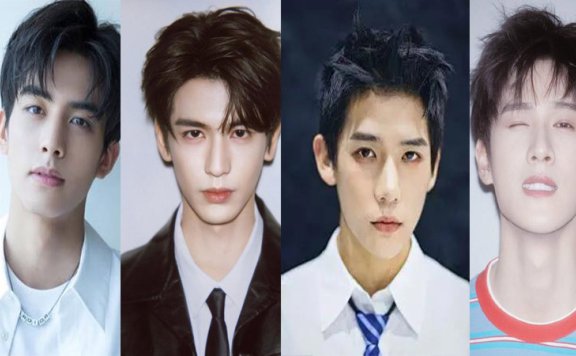
Who Are The Big 4 Crushes Among Cdrama Male Stars
There was a time when Bai Jingting (白敬亭), Wu Lei (吴磊), Jackson Yee (易烊千玺), and Liu Haoran (刘昊然) were widely recognized as the "Big Four Crushes" (四大墙头). Even people who weren’t active fans enjoyed openly expressing their affection for them on social media. It was a kind of casual admiration—lightweight, emotionally rewarding, but never disruptive to daily life. Today, these four are no longer waiting around for their "crush fans" to come back. For them, the "crush" label has already become outdated. Instead, a younger generation of actors is stepping up: Zhang Linghe (张凌赫), Song Weilong (宋威龙), Li Yunrui (李昀瑞), and Wang Anyu (王安宇) are now the most frequently mentioned names for the "New Big Four Crushes." With this shift, doubts naturally arise. Who has the authority to decide which stars count as a "crush"? Who is doing the judging, who is bundling them together, and who might be at risk of dropping out at any moment? Whether the "new Big Four" can truly hold onto this lightweight yet demanding title remains uncertain. Who Defines and Judges a "Crush Star"? The word "crush" in this context (墙头, literally wall top) originated in anime fandom. It was first used to describe… -
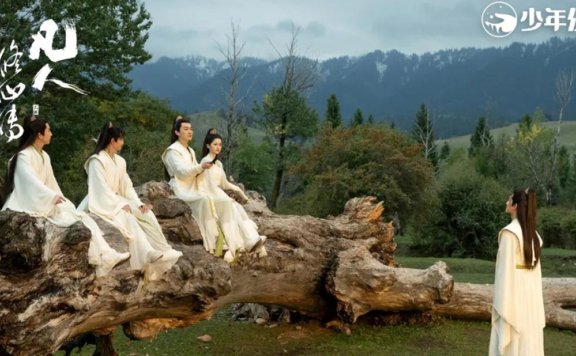
The Director of The Immortal Ascension: I'm Here to Tell a Human Story
The shoot was about to start. Everyone on set was waiting, but director Yang Yang (杨阳) just couldn't figure out how to stage the scene. "My brain just wouldn't click." She stared at the dense block of text in the script, thoughts all tangled up. In The Immortal Ascension (凡人修仙传), cultivation usually means meditating, training, and leveling up. But how do you show Han Li's progress in cultivation through visuals? How do you film something as abstract as a "breakthrough"? "I thought so hard my head hurt," she admitted. And this wasn't a one-time problem—it was basically a daily struggle throughout production. And that was just one of many challenges. Whenever Yang Yang felt mentally exhausted, she would put down the script and sit in meditation herself, just like Han Li. If that didn't calm her down, she'd pick up something completely unrelated to filmmaking. "Sometimes I'd play the Xuankong Drum (a kind of handpan instrument)." Stepping away from the shoot oddly helped—ideas would suddenly spark the moment she let go. Yang Yang described her whole preparation and filming process as "working like a migrant laborer, hauling bricks every day." She went with her crew to Xinjiang, shooting at altitudes… -
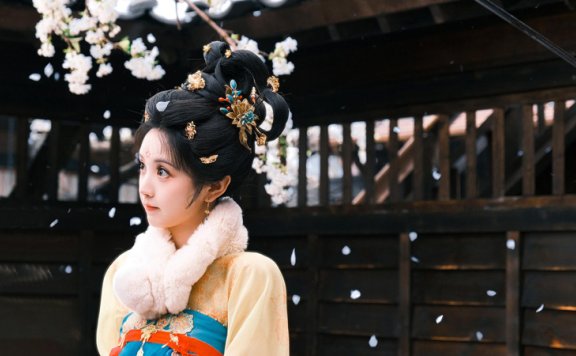
Moonlit Reunion: New Drama about Strange Tales Aesthetics
In traditional Zhi Guai (志怪, tales of the supernatural) stories, fox spirits deceive scholars, white snakes give up immortality for human love, and demon hunters and demons are sworn enemies. But when these same elements are reimagined today, they can completely overturn old assumptions. So how fresh is the setup of Moonlit Reunion (子夜归), the latest Tencent Video drama? By day, the male lead is just another disgruntled office worker, demoted after angering his boss. By night, he becomes a sharp-witted demon hunter who even teams up with a cat spirit to solve cases. The female lead, meanwhile, can be a playful tabby leaping across rooftops one moment, and with a change of clothes transforms into a glamorous county princess adored throughout Chang'an. When darkness falls, the bustling capital transforms into a sanctuary for spirits. Yet instead of bloody predator-prey battles, the nocturnal city dazzles with lights and order, forming a poetic contrast to the daytime metropolis. Directed by Lü Haojiji and produced by Ningmeng Pictures, Moonlit Reunion stars Xu Kai and and premiered exclusively on Tencent Video on August 18. The series presents a bold vision of a "dual Chang'an"—one world in daylight, one in shadow—woven together through mystery,… -
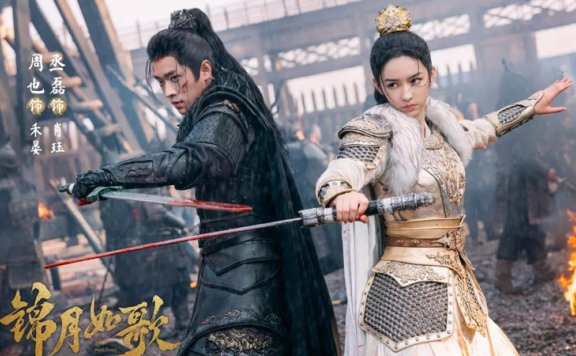
Legend of The Female General: Zhou Ye’s New Costume Dramas
Every summer, costume dramas built around female protagonists dominate the screen. This year, Tencent Video's Legend of The Female General (锦月如歌) has stepped into that spotlight. The series is adapted from The Reborn Female General, a hit novel by Qian shan Cha ke. As one of the leading authors in online literature, Qian shan Cha ke is particularly well known for her "rebirth" series, and this novel stands as one of its representative works. From the moment the drama adaptation was announced, the buzz around Legend of The Female General never really stopped. Its broadcast performance has been impressive. Since its premiere on August 6, the show quickly gained momentum. Within just four days, it crossed an internal popularity index of 26,000 on Tencent Video, earning a place in the "Most Watched" club. It also topped national TV ratings across three monitoring platforms—CSM, Huan, and Kuyun—for two consecutive days. As of this writing, it continues to hold the No.1 spot on Maoyan's real-time popularity chart, as well as Douban's television ranking. On social platforms, discussions have spread quickly. Viewers are sharing clips of punchy dialogue from a female perspective, the heroine's revenge moments, and the male lead Cheng Lei's performance—often…