Article
Search results:
-
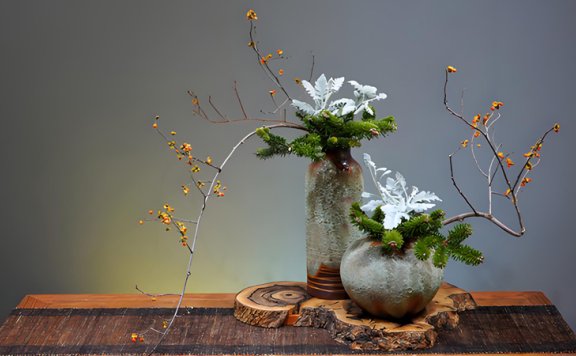
The 6 Classical Vessels of Chinese Floral Art
Chinese flower arrangement, known as Chahua (插花), is far more than mere decoration; it is a profound cultural art form and one of the esteemed "elegant pursuits" deeply intertwined with traditional Chinese humanistic philosophy. This ancient practice transcends aesthetics, serving as a medium for spiritual expression and philosophical contemplation. At the heart of this art lie the six canonical vessels, which are vase, Pan, vat, bowl, Tong, and basket; each possessing distinct symbolic meaning and formal characteristics. More than simple containers, these vessels are foundational elements that interact with carefully selected flora to create intricate miniature landscapes. Each combination conveys a unique spirit and atmosphere, reflecting nuanced artistic intentions—from the scholarly pursuit of quiet refinement to the imperial celebration of grandeur. Thus, the evolution of these vessels and their stylistic applications offers a fascinating lens through which to observe the flow and transformation of Chinese social and cultural values across dynasties. 1. Tong Hua (筒花) 1.1 Form Follows Beauty Tong Hua, a distinct Chinese floral art, blossomed during the Five Dynasties and flourished in the Song and Jin periods. Its core lies in cylindrical vessels, simple yet elegant arrangements, and a deep appreciation for natural lines. This art form transcended mere decoration,… -
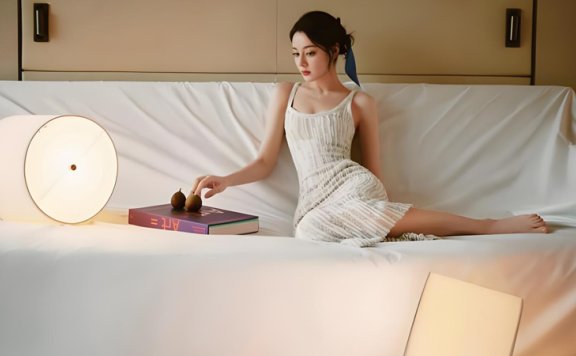
A Technical Breakdown of Dilraba's Makeup Transformation
Dilraba's evolution from a celebrated beauty to a veritable makeup muse encapsulates a fascinating journey of artistic refinement. While her striking features initially captivated audiences, early makeup styles often relied more on her natural assets than on technical finesse, leaving admirers unable to replicate her look. This changed profoundly through her collaboration with visionary makeup artist Jin Helong (金鹤龙). His expertise ushered in a new era of sophistication, transforming her face into a canvas of intentional, impactful design. The hallmark of this refined "Dilraba-Style Makeup" is a series of strategic, deliberate choices: dimensional contouring that sculpts without heaviness, masterful textural contrast between luminosity and matte elements, and saturated color placed with precision. This approach, prioritizing skin clarity and soft, natural arches, has made her looks both aspirational and remarkably reproducible. The following analysis delves into the specific architectural shifts—in facial contouring, nasal refinement, eye reshaping, and lip enhancement—that define this iconic style, illustrating how technical mastery can elevate even the most innate beauty into a universally emulated art form. What is Dilraba-Style Makeup? Dilraba's status as a visual icon is undisputed, yet her journey to makeup mastery reveals a fascinating transformation. Early in her career, her looks often relied heavily… -

Voyage to Haihun: Can a Time-Tossed Office Worker Game the Han Dynasty
Imagine getting isekai'd not into a fantasy realm, but straight into a high-stakes history exam you never studied for. That's the hilarious pickle Wang Heng (王衡) finds himself in. One moment, he's a disillusioned modern drudge puzzling over a mysterious pair of Bronze Qilin (麒麟) statues; the next, he's face-down in the dirt of the Western Han Dynasty, circa 74 BCE. His mission? Become the ultimate life coach to the famously hapless Liu He (刘贺) – the future Emperor of Changyi – and ensure he survives his historically doomed 27-day reign. Fail, and Wang Heng is stuck playing court politics forever. Voyage to Haihun (海昏行), the latest costume dramedy sensation exclusively on Tencent Video, takes the well-worn time-travel trope and injects it with a potent cocktail of workplace satire, strategic gaming mechanics, and laugh-out-loud anachronisms. Forget magic swords; Wang Heng's weapons are viral marketing schemes and an unlimited supply of extra lives. Game Mechanics Meet Imperial Politics Wang Heng's initial panic swiftly gives way to discovery: death isn't the end. Stabbed by bandits? Poisons by a suspicious concubine? Trips over a palace step? No problem. He simply wakes up moments before his demise, armed with the knowledge of what went… -
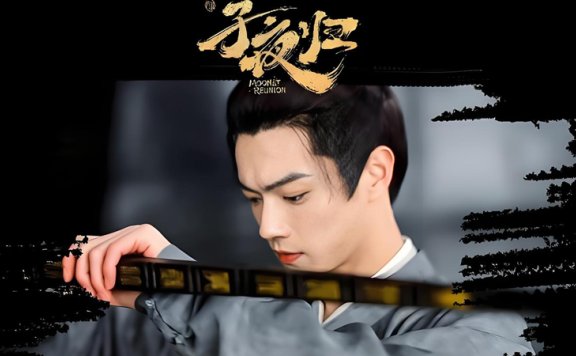
Moonlit Reunion: Can Wu Zhen Escape Her Fateful Death Trap?
In the captivating drama Moonlit Reunion (子夜归), Wu Zhen's (武祯) life hangs by a thread, haunted by a secret buried eighteen years ago. Once a mortal saved by the Previous Cat Lord, she now faces a cruel dilemma: embrace full demonhood or perish. This tale weaves supernatural intrigue with human bonds, as Wu Zhen's struggle against the malevolent Gui Ying (诡婴) threatens to unravel her world. Her love for Mei Zhuyu (梅逐雨) and loyalty to allies clash, revealing a truth that could save or doom her. As the story unfolds in ancient Chang'an, viewers are drawn into a battle where destiny and choice collide, leaving us questioning if she can outwit her own demise. The Hidden Truth Why did the Previous Cat Lord pass his essence core to Wu Zhen as a child? It wasn't mere chance. He owed a debt to her mother, who once saved his son, Mei Zhuyu. But the deeper reason lay in escaping the vile Gui Ying, who sought the First Cat Lord's remains for power. By giving his core to Wu Zhen, he fled Chang'an, hoping to protect his family. Yet, tragedy struck when Gui Ying found him years later, killing him and his… -
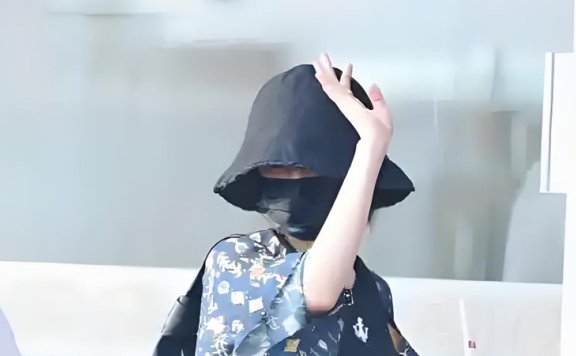
Hanfu on the Airport Runway: Yang Mi's Fashion Gambit That Divided China
When 38-year-old actress Yang Mi (杨幂) strode through Beijing Capital International Airport on August 17, 2023, she didn't just travel; she ignited a nationwide fashion firestorm. Her outfit – a black sleeveless maxi dress layered under a striking blue printed Hanfu jacket, paired with silver sneakers, a fisherman's hat, a croissant bag, and a green drink – was an audacious blend of ancient tradition and hyper-modern street style. Instantly, the terminal buzzed. Passersby gasped at her effortless cool, fans flooded social media with praise for "Mi-style fashion," and the internet erupted with a singular question: which of her peers would dare to challenge conventions so boldly at 38? This wasn't merely a celebrity look; it became a cultural Rorschach test, forcing a conversation about tradition, modernity, and who gets to define Chinese style. The Scene Yang Mi's choice was meticulously calculated nonchalance. The blue Hanfu jacket, featuring a Yuanlingpao (圆领袍) often associated with historical formality, was transformed. Its loose, contemporary cut and deliberate clash with casual items – the laid-back fisherman's hat, the playful croissant bag, and the ultimate disruptor, chunky silver sneakers – stripped away any stuffiness. This fusion catapulted Hanfu aesthetics squarely into the realm of Gen Z… -
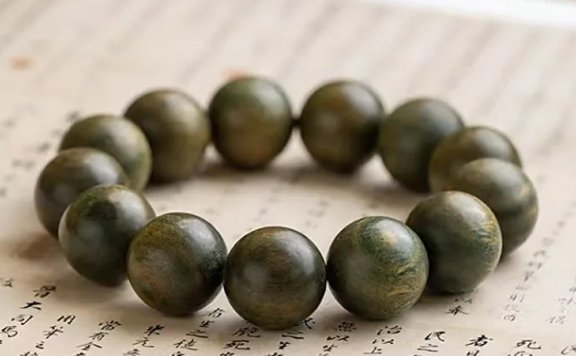
Green Sandalwood: Your Ancient Path to Peace and Vitality!
In today's fast-paced world, finding natural ways to soothe stress is crucial. Green Sandalwood, revered for centuries as a sacred wood, offers a timeless remedy. This ancient treasure, sourced from deep forests, brings harmony to modern life. Its subtle fragrance and elegant design make it a perfect companion for wellness seekers. Dive into the wonders of this "holy wood" and unlock a journey to inner calm and renewed energy. The Ancient Lore Green Sandalwood has been cherished since ancient times as a symbol of protection and prosperity. Chinese texts like the Compendium of Materia Medica highlight its ability to ward off negative energies and invite good fortune. This wood, known as "holy timber," was used in rituals for its purifying qualities. Its rich history connects us to nature's wisdom, making it more than just an accessory—it's a bridge to tranquility. Sourced from remote mountains, sink-grade Green Sandalwood stands out for its density and rich organic content. When exposed to sunlight, it transforms from a pale yellow to a deep emerald green, earning the name "jade incense." This natural color shift isn't just beautiful; it reflects the wood's vitality. Each piece features unique grain patterns, like fine silk or rippling waves,… -
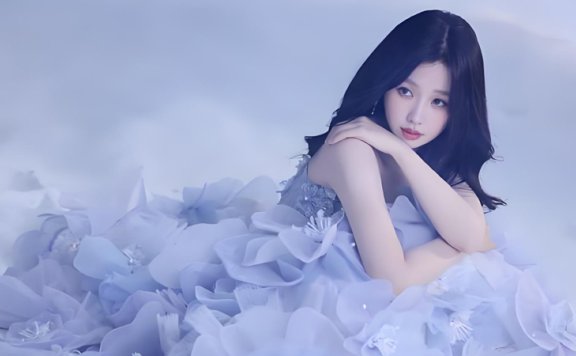
Yu Shuxin's Empire Crumbles: Brand Exodus and Fan Fury
The once-bright star of Chinese entertainment, Yu Shuxin (虞书欣), finds her career teetering on the edge. Brand partnerships dissolve overnight, scheduled live streams vanish, and her social media presence hemorrhages followers – hundreds of thousands lost in a matter of days. For Yu Shuxin, the descent seems inevitable. The Unraveling Yakult's abrupt deletion of all promotional content featuring Yu Shuxin on August 29th wasn't entirely unexpected. Scouring their official Weibo reveals a complete erasure of her image. While some questioned the move since she hasn't faced an official ban, the reasons are clear. Yu Shuxin is engulfed in controversy. Resurfaced clips from the 2016 reality show Graduation Recap (一年级·毕业季) depict behavior interpreted as bullying and exclusion, including mocking peers as "spider spirits" and asserting regional superiority with statements like "I'm from Shanghai, this role is definitely mine." These remarks ignited widespread criticism, painting her as disrespectful and entitled. Compounding this, a prominent finance blogger exposed serious allegations against her family's business dealings. Accusations center on her father, Yu Moujie (虞某杰), allegedly misappropriating 1.5 billion RMB in state-owned enterprise funds through affiliated companies. Further claims suggest abnormal tax burdens, hinting at potential tax evasion or financial fraud. While unproven, the damage… -
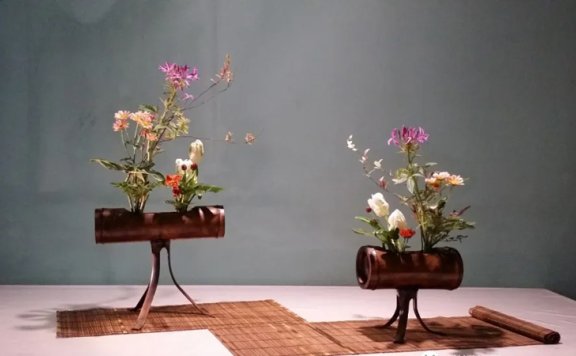
The Essence of Traditional Chinese Flower Arrangement
Unlike Western floral design, which often celebrates abundance and color, Chinese flower arrangement is a meditative art form where space, line, and symbolism intertwine to create a living poem. Rooted in ancient Daoist and Buddhist philosophies, it transcends mere decoration to become a profound expression of harmony between heaven, earth, and humanity. As Ming Dynasty writer Yuan Hongdao (袁宏道) eloquently captured in his treatise Ping Shi (瓶史), the true marvel of a flower lies in its spirit—a spirit that is not manufactured by humans but inherently possessed, waiting to be understood and respectfully revealed. This pursuit of capturing the innate beauty and "living lines" of plant materials is the very essence of this ancient practice. It is an art that values deliberate imbalance over rigid symmetry, thoughtful voids over dense filler, and poetic symbolism over mere visual display. Every stem, branch, and blossom is chosen not only for its form but for its deep cultural meaning, transforming an arrangement into a silent narrative of resilience, purity, or scholarly retreat. From the dignified Upright form to the cascading Descending style, each of the six classical patterns offers a unique way to channel nature’s energy into a vessel, creating a moment of frozen… -
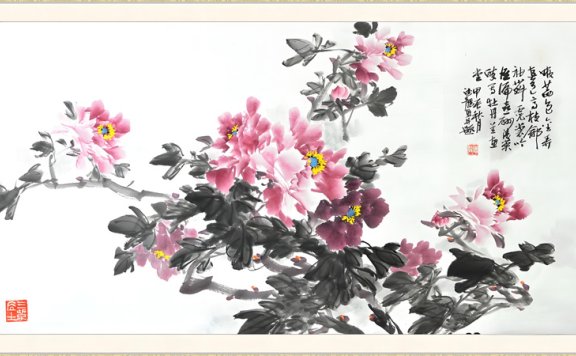
The Complete Step-by-Step Guide to Ink Peony Painting for Beginners
Capturing the essence of a peony in ink and color transcends mere botanical illustration, becoming a dynamic dance between the artist's intention and the fluidity of traditional materials. The flower's charm lies in its organic, almost chaotic bloom, demanding not replication but deep interpretation. This art requires mastering core techniques: the expressive potential of specialized brushes, the alchemy of mineral pigments interacting with paper, and the courage to embrace imperfection as beauty. The journey begins with confident strokes that suggest life, allowing the flower's spirit to emerge through practiced skill and mindful observation. 1. Painting Peonies Beyond Petals Capturing the essence of a peony in ink and color transcends mere botanical illustration. It becomes a dynamic dance between the artist's intention and the fluidity of traditional materials. Unlike rigidly defined flowers, the peony's charm lies in its organic, almost chaotic bloom – layers of petals unfolding in unpredictable ways. This demands not replication, but interpretation. Mastering this art requires understanding core techniques: the expressive potential of specialized brushes, the alchemy of mineral pigments interacting with paper, and the courage to embrace imperfection as beauty. The journey begins not with a perfect outline, but with confident strokes that suggest life and… -

A Guide to Chongqing's Wild Heart and Fiery Plate
Chongqing, a metropolis renowned for its pivotal historical role and modern urban energy, reveals its truest essence not in its cityscape but in the breathtaking natural and cultural landscapes that surround it. This guide ventures beyond the urban sprawl to uncover ten exceptional natural escapes, each offering a unique window into the region's soul. 1. Chongqing's Wild Heart: 10 Natural Escapes Chongqing, shaped by three historic capitalships and pivotal wartime resistance, reveals its soul beyond the urban sprawl. While the revolutionary spirit of Hong Crag resonates, the surrounding landscapes offer profound tranquility and awe. This guide highlights ten natural wonders within reach for enriching day trips. Each presents a distinct facet of the region's diverse beauty, from mist-shrouded peaks echoing ancient battles to vibrant ethnic traditions thriving in mountain towns. Discover these escapes, where nature's grandeur meets enduring culture. 1.1 Borderless Horizons Xiushan's (秀山) Chuanhegai Scenic Area (川河盖风景区) sits just 15 kilometers from the county town. Its unique plateau landscape borders Hunan Province, with the Yezhuping (野竹坪) area reaching into Chongqing like a peninsula. The historic Taiping Township (太平乡场) market street literally straddles the provincial line, a century-old symbol of connection. On clear days, the plateau offers breathtaking views across… -
The Untold Tragedy of Hei Snake and Ye Ruling's Stolen Hearts
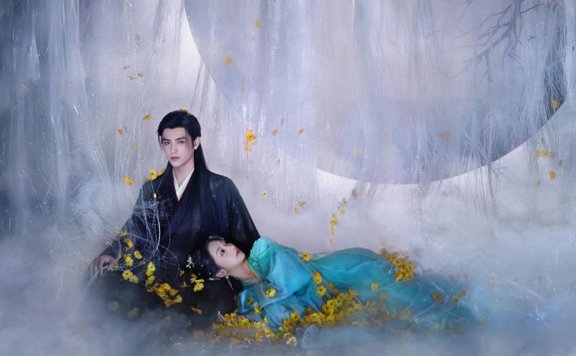
Amidst the celestial clashes and grand destinies of When Destiny Brings The Demon (献鱼), a quieter, more poignant tragedy unfolds. While viewers followed the epic journey of Sima Jiao (司马焦) and Liao Tingyan (廖停雁), the complex entanglement between the serpent-turned-man Hei Snake (Hei Nianjiu) and the burdened strategist Hei Nianjiu offered a devastating counterpoint. Their story, woven from duty, deception, and fragile hope, reached an ambiguous crescendo in the drama's finale, leaving many hearts aching for resolution. This is the untold saga of When Destiny Brings The Demon's most tragic pair. The Weight of a Stolen Heart Hei Nianjiu (黑廿九) entered the world bearing chains she never chose. Born to a captive mother from the Mo Realm (魔域) within the walls of Gengchen Immortal Manor (庚辰仙府), her existence was defined by a single, crushing purpose: liberate her people. Her mother's desperate mantra, "Return to Mo Realm," became her own prison. Every breath she took was measured against this impossible duty. Escape through the formidable Xianmo Pingzhang (Immortal-Demon Barrier) seemed unattainable. Her initial hope rested on her unexpected friend, Liao Tingyan, whose unique constitution might bypass the barrier. Yet, that path proved futile, and Hei Nianjiu refused to sacrifice her only… -
Shadow Love: Song Yi's Supernatural Romance Breaks Records
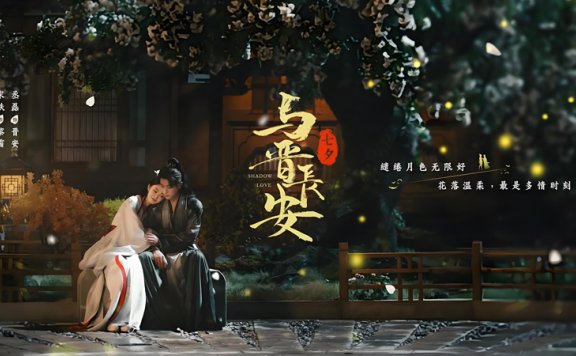
Song Yi's (宋轶) latest drama, Shadow Love (与晋长安), has exploded onto screens, capturing the top spot on television popularity charts within hours of its premiere. Its first six episodes weave a tale far removed from the ordinary, blending ancient military intrigue with a genuinely unique supernatural romance. Forget predictable palace scheming; this story throws a formidable female general into a bewildering partnership with a mysterious child who harbors a shocking, shape-shifting secret. The potent mix of Song Yi's commanding presence, a surprisingly warm core relationship amidst the chaos, and a genuinely inventive fantasy hook has audiences hooked, even as some narrative threads struggle to keep pace. Battlefield to Blood Oaths General Li Shuang (黎霜), played with steely resolve by Song Yi, faces annihilation on a moonlit battlefield. Surrounded and weakened, death seems imminent. Salvation arrives from an utterly unexpected source: a lone child. With impossible strength, this boy dispatches seasoned soldiers with a single blow, saving Li Shuang. Taking the amnesiac child back to camp, she names him Jin An, hoping his presence signifies peace. Jin An (晋安) proves precocious, assisting Li Shuang and earning her wary trust, eventually sharing her tent. The bizarre truth shatters the night's quiet. Li… -
Liu Tao's Qipao Stroll Through Guzhen
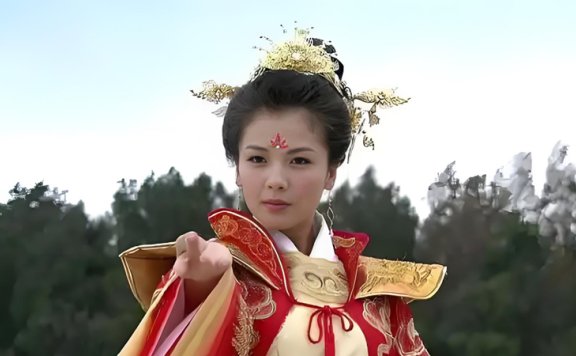
On a tranquil evening in an ancient town, under the soft glow of lanterns, Liu Tao (刘涛) emerges in a traditional Qipao, her presence transforming the scene into a timeless tableau of grace and resilience. This moment in Guzhen (古镇) isn't just about beauty—it's a window into her journey as an actress who defies fleeting trends with unwavering authenticity. Her story, rooted in hard work and quiet strength, resonates far beyond the screen, offering a powerful narrative of perseverance in the face of life's challenges. As we delve into her world, we uncover how this night symbolizes her essence: a blend of elegance and grit that captivates without clamor. Guzhen Night Picture this: the ancient town of Guzhen bathed in dim, golden light, with the gentle murmur of a nearby river setting a serene backdrop. Liu Tao appears, clad in a flowing Qipao, her steps light and deliberate, as if stepping out of a classic painting. The atmosphere shifts instantly to one of hushed reverence, where onlookers pause, drawn not by spectacle but by an ethereal charm that feels both distant and intimate. Her movements—subtle gestures like a turn of the head or a soft smile—carry an effortless poise, evoking… -
Is Moonlit Reunion Truly Haunting? A Stunning Yet Shallow Chinese Fantasy Saga
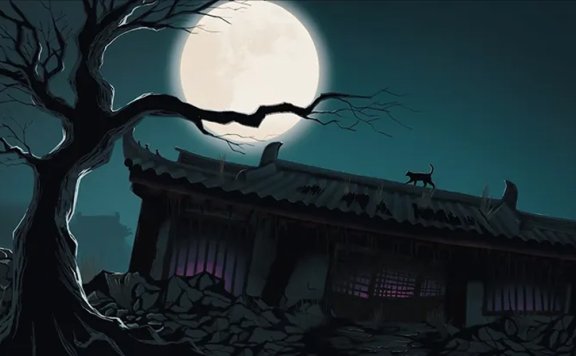
Chinese television has embraced a thrilling wave of horror-fantasy, and Moonlit Reunion (子夜归) stands at the forefront with its breathtaking visuals and eerie atmosphere. Starring Tian Xiwei (田曦薇) as the formidable Wu Zhen (武祯) and Xu Kai (许凯) as the reserved Mei Zhuyu (梅逐雨), this series plunges viewers into a supernatural Tang Dynasty world where humans and demons clash. Set in the mystical Chang'an, it weaves elements of folklore, mystery, and romance into a tale that promises much but often falters under its own ambition. While the show dazzles with artistic craftsmanship, its narrative depth feels disappointingly thin, leaving audiences torn between admiration and frustration. This review unpacks the highs and lows of Moonlit Reunion, revealing why it's a visual feast that struggles to satisfy the soul. Visual Brilliance Moonlit Reunion excels in its aesthetic execution, crafting a world that's both opulent and ominous. The costumes and sets are meticulously designed, reflecting distinct character identities. For instance, Wu Zhen's regal attire contrasts sharply with Mei Zhuyu's modest robes, emphasizing their social divide. Key locations like the demon-run Yao Market (妖市) glow with gilded splendor yet drip with ghostly dread, creating a parallel universe to the bustling Chang'an. This attention to… -
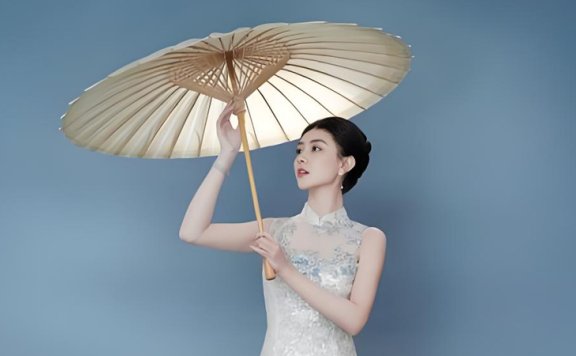
How Liang Jie's Qipao Stole the Spotlight at 2025 Gala
As the camera flashes erupted on the red carpet, one vision halted every lens: Liang Jie (梁洁), bathed in an ethereal silver glow. Her appearance wasn't just beautiful; it was a masterclass in modern elegance, instantly becoming the defining fashion moment of the evening. Stepping beyond the expected gowns, her choice spoke volumes – a gleaming Qipao that seemed sculpted onto her frame, announcing a confident blend of heritage and contemporary star power. This wasn't merely an outfit; it was a statement piece, radiating sophistication and capturing the essence of Liang Jie's own journey: from rising talent to an actress whose presence, both on-screen and off, commands attention. The Gleaming Vision Liang Jie's gown was a triumph of subtle luxury. Crafted from a foundation of lustrous, muted satin, its true magic lay in the intricate layer of countless shimmering sequins meticulously applied across its surface. These weren't garish embellishments; they were delicate points of light, catching and reflecting illumination like scattered moonbeads on water. Every subtle shift in her posture ignited a constellation of soft sparkles, creating an aura of dynamic elegance. The light didn't just fall on the dress; it danced with it, creating a mesmerizing play of luminosity… -
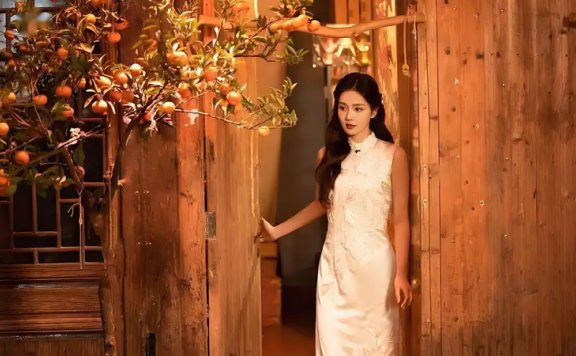
31-Year-Old Bai Lu Stuns in Golden Embroidered Qipao
Since 2021, Bai Lu (白鹿) has consistently transformed her public image, evolving from a fresh-faced sweetheart to a captivating presence radiating sophistication. Her recent appearance in a live stream became an instant phenomenon. Clad in a stunning gold embroidered high-slit Qipao, she commanded attention like a beacon. Online commentary exploded with reactions ranging from awe to disbelief: "Is that a heart gesture? It feels lethal!" and "Was this Qipao sculpted just for her?". At 31, her ability to consistently generate such fervent admiration begs the question: what makes her fashion moments truly extraordinary? Craftsmanship and Confidence The gold embroidered Qipao itself spoke volumes of meticulous artistry. Its high slit masterfully accentuated her silhouette. Standing sideways during the broadcast, her defined waist and the subtle glimpse of her leg, combined with her luminous complexion, painted a picture of effortless grace. A slight tilt of her head revealed a sharp jawline, perfectly embodying a blend of innocence and allure. Viewers marveled, questioning if such poise could be real. While many contemporaries remain anchored in youthful styles, Bai Lu demonstrated the commanding power of a seasoned star in this traditional attire. Her discipline and dedication to her craft shine through, proving that self-mastery… -
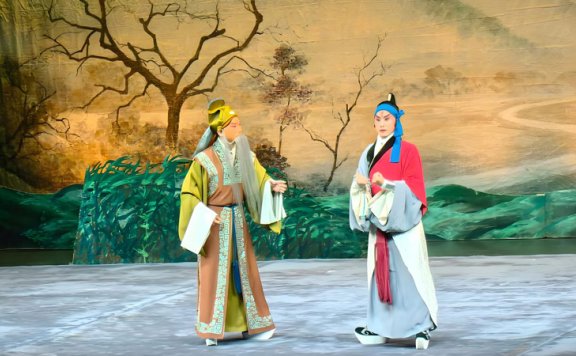
The Science and Art Behind Peking Opera's Singing Techniques
Peking Opera, the essence of traditional Chinese theater, boasts a musical system defined by strict standards and rich expressiveness. It has developed a comprehensive and distinctive framework encompassing vocal classification, pronunciation techniques, and rhythmic structure. Two Pillars of the Vocal System Peking Opera vocals primarily fall into two major categories: Xipi (西皮) and Erhuang (二黄). Xipi is bright and vibrant, ideal for conveying intense emotions, while Erhuang is softer and more profound, excelling at expressing inner feelings. In the classic play Silang Visits His Mother (四郎探母), Yang Yanhui's (杨延辉) aria "Before speaking, tears stream down my face" is a typical example of the leading rhythm style for elderly male roles. Princess Tiejing's (铁镜) line "We spouses sit together in the palace courtyard" showcases the leading rhythm characteristics for young female roles. Different role types have unique leading rhythm features: the young male role in "Yang Zongbao (杨宗保) issues commands on horseback," the painted-face role in "Bao Longtu (包龙图) sits in the Kaifeng prefecture," and the elderly female role in "The royal carriage enters the imperial city" from Beating the Dragon Robe—all adopt the Xipi leading rhythm but with distinct expressive approaches. Based on the drama's needs, musicians enhance musical expression… -
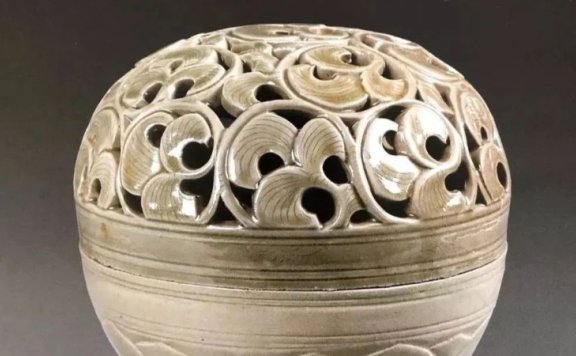
The Language of Porcelain: Understanding Song Dynasty Ceramic Markings
The Song Dynasty represents a golden age in Chinese ceramic production, where technical excellence met artistic innovation. Beyond their beautiful glazes and elegant forms, Song ceramics often bear various markings that provide fascinating insights into their origins, purposes, and historical context. These inscriptions served multiple functions, from workshop identification to imperial designation, creating a complex system of communication through clay. Diverse Inscription Types and Their Functions Ceramic markings from this period can be categorized into several distinct types based on their content and purpose. Workshop marks identified manufacturing origins, often featuring family names such as "Zhang Family" or "Li Family." Artisan signatures occasionally appeared, recognizing individual craftsmen's contributions to particularly fine pieces. Reign marks indicated production dates using emperor titles and year numbers, providing precise dating evidence for modern researchers. Special purpose inscriptions designated objects for particular institutional uses, including those created for imperial kitchens or medical bureaus. Poetic phrases and auspicious expressions decorated many commercial pieces, while specific palace names marked ceramics destined for particular royal residences. Distinctive Marking Traditions Across Major Kilns The variation between different kiln centers reflects both regional characteristics and specialized production systems. Yue Kiln (越窑) ceramics primarily featured incised date marks, with most surviving… -

The Chaoshan's Feeding the Hungry Ghosts Tradition
The Chaoshan region in Guangdong Province stands as a remarkable repository of ancient Chinese customs, with the "Shi Gu" (施孤) ritual—commonly translated as "Feeding the Lonely Ghosts"—serving as a profound embodiment of its cultural values. Rooted in folk beliefs, Confucian ethics, and Buddhist philosophy, this tradition highlights the region's enduring emphasis on compassion, communal harmony, and historical remembrance. Historical and Cultural Foundations Chaoshan's cultural heritage, including its renowned Yingge (英歌) dance, intricate embroidery, wood carving, and traditional architecture, is deeply intertwined with ancient rituals. The "Shi Gu" custom, closely associated with the Buddhist Ullambana Festival (also known as the Ghost Festival), can be traced back to the Northern and Southern Dynasties (420-589 AD). Historical texts such as the Jingchu Suishiji (荆楚岁时记) document the practice of making offerings to spirits and deities on the fifteenth day of the seventh lunar month. By the Song Dynasty (960-1279 AD), these observances had evolved into elaborate rituals involving lantern floating, communal feasts, and public ceremonies aimed at appeasing wandering spirits. In Chaoshan, the seventh lunar month is traditionally believed to be a period when the gates of the underworld open, allowing spirits who died without descendants, in disasters, or during wars to wander the… -

Chushu: The Season of Autumn Eating
As the summer heat gradually yields to crisp autumn breezes, the Chushu (处暑) solar term marks nature's subtle transition towards cooler days. This period brings increasingly comfortable weather across most parts of China, though the lingering warmth reminds us that summer hasn't completely surrendered. The temperature variation between day and night becomes more pronounced, particularly in northeastern, northern, and northwestern regions, where clear skies and refreshing air create perfect autumn scenery. However, the residual heat combined with occasional rainfall creates a distinctive humid warmth that traditional Chinese wisdom calls the "autumn tiger"—a period requiring special attention to health maintenance. Traditional customs and agricultural sayings passed down through generations offer valuable insights for navigating this seasonal shift. These time-honored practices blend practical wisdom with cultural heritage, providing guidance for maintaining balance during this transitional period. Nourishing Traditions Through Seasonal Foods The custom of consuming duck meat during Chushu represents a perfect example of seasonal eating wisdom. As temperatures begin to drop and humidity decreases, people often experience dryness in their skin and respiratory system. Duck meat, particularly from older ducks (aged two years or more), offers a cooling effect while providing nourishment without excessive warmth. This makes it an ideal food…
