Article
搜索结果:
-
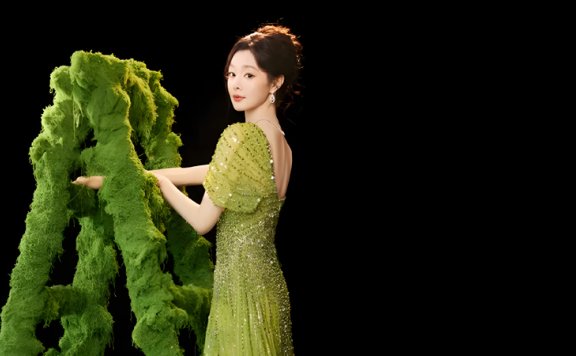
Has Song Yi Become Our Generation's Ethereal Style Muse?
The recent appearance of actress Song Yi (宋轶) has once again set the internet ablaze, not merely for its beauty but for its conceptual depth. Stepping out in a gown that seemed spun from twilight itself, she transformed a red carpet into an enchanted glade. This was not just fashion; it was a narrative of metamorphosis, a visual poem that resonated deeply with an audience yearning for elegance intertwined with a touch of wild, natural mystery. Her journey from a recognizable face to a bona fide style icon speaks to a deliberate and fascinating evolution, making her current "forest spirit" moment a pivotal chapter worth examining. The Gown The dress itself was a masterclass in subtle artistry. A gradient flowed from the palest leaf-green to a deep, mossy yellow-green, mimicking the dappled light of a dense forest. Thousands of minute sequins were scattered across the fabric like dewdrops catching the first morning sun or fireflies at dusk. The design's brilliance lay in its controlled revelation: a single shoulder strap and an open back highlighted her delicate frame, while a high slit introduced a dynamic, graceful movement with every step. Critically, the styling embraced restraint. Her hair was swept into a… -
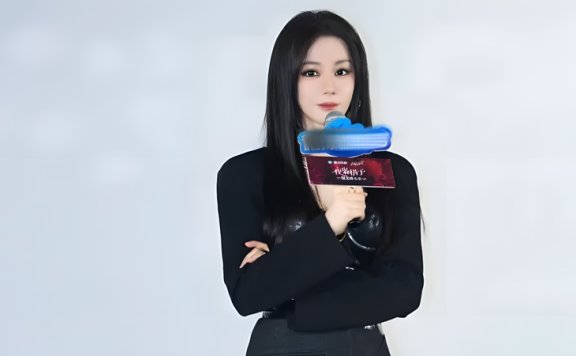
Dilraba’s All-Black Outfit Reshape Fashion Mastery
When Dilraba stepped out recently, she didn't just wear an outfit; she made a statement. The actress, a dominant figure in Chinese entertainment, has long been celebrated for her ethereal beauty and versatile acting in hit dramas like The Long Ballad (长歌行). Yet, her latest public appearance shifted the narrative entirely. Gone was the sweet, approachable charm often associated with her. In its place stood a vision of powerful, modern sophistication. Captured in unedited candid shots—the kind that test a star's true appeal—she demonstrated a magnetic confidence that transcends mere styling. This was more than a fashion moment; it was a deliberate unveiling of a new chapter, proving that for a true artist, evolution is the only constant. Fashion Evolution Dilraba's journey in the public eye has been a masterclass in graceful transformation. She first captured hearts with a fresh, girl-next-door vitality, her roles and red-carpet looks radiating youthful innocence. This persona, while beloved, was just one facet of her identity. Over recent years, a deliberate shift has taken shape. The soft hues and flowing silhouettes have been strategically interspersed with sharper, more structured choices. This evolution mirrors her career trajectory, moving from ingenue parts to complex characters who command the… -
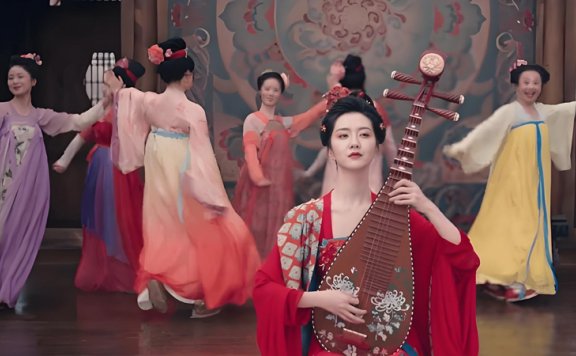
The Fourth Case of Tang Gui Ⅲ: Ruan Daxiong, Hero of Qi Ting's Painted Wall
The dust has settled on the painted wall of the Qi Ting (旗亭) wine shop. Detectives Su Wuming (苏无名) and Lu Lingfeng (卢凌风) have apprehended the phantom fire manipulator, Mo Ying Youyan (墨影幽焰). Yet, the most remarkable victory of this case remains unrecorded in any official ledger. It belongs not to the magistrates with their badges of authority, but to a man everyone underestimated. The final feast in Chang’an celebrates more than a solved mystery; it honors a quiet, profound act of integrity that redefines what it means to be a hero in a world of glittering poetry and lurking shadows. The Banquet's True Purpose As the fourth celebratory feast of this long case is laid out, the atmosphere is one of weary relief. The master of illusions, Mo Ying Youyan, who used pyrotechnic sleight-of-hand to terrorize others, is securely bound. His accomplices, the performers of the Xuanhuo Troupe (玄火班), were coerced into service and have surrendered. The ingenious pharmacist, Fei Jishi (费鸡师), reveals he had been working behind the scenes for days, neutralizing poisons in the dessert and providing the crucial clue that linked the troupe to the wanted fugitive. It appears all threads are neatly tied. However, Su… -
Why Are Period Drama Costumes So Thin?
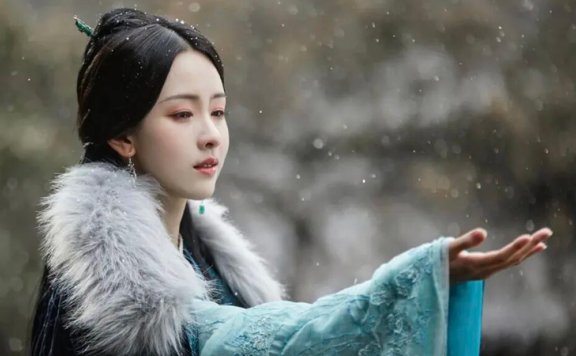
Viewers of historical Chinese dramas often share a common thought during winter scenes: those actors must be freezing. The diaphanous gowns, often little more than a single layer of silk, seem utterly inadequate against painted backdrops of snow and ice. While a flowing cloak might be added for effect, the costumes underneath remain stubbornly, beautifully thin. This consistent aesthetic choice prompts the question: is this what people really wore, or is it purely for the camera? Historical Layering The reality of historical winter wear was fundamentally about layers, not just fabric weight. A Tang Dynasty woman, for instance, would have employed a sophisticated system of overlapping garments. This would start with close-fitting undergarments, followed by a lined jacket and skirt, and then a padded outer robe or coat. A final, large shawl or cape provided additional protection. This multi-layered approach trapped air and created insulation far superior to any single garment. For the elite, winter wear was both warm and luxurious. Mianpao (绵袍), or silk-wadded robes, were common. Here, "mian" refers to silk floss, a lightweight and highly effective insulating material akin to a natural down filling. More extravagant outfits incorporated furs from sable, fox, or rabbit for collars, cuffs,… -
Who Truly Embodies the Splendor of Luoyang in Tang Gui Ⅲ
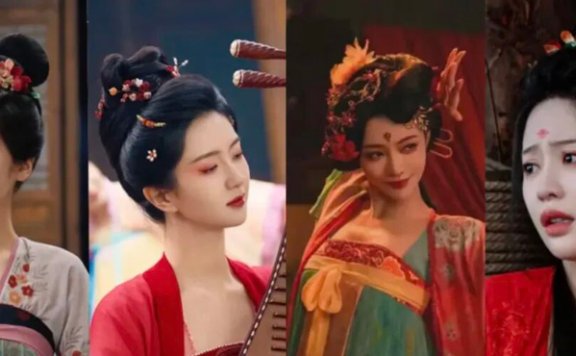
The finale of Strange Tales of Tang Dynasty Ⅲ: Chang'an (唐诡3) has sparked vibrant discussions, particularly around its female characters. Many viewers argue that the supporting roles outshine the lead, creating a rich tapestry where each woman possesses a distinct and compelling beauty defined by her unique styling and narrative purpose. Vitality and Ingenuity Pei Xijun (裴喜君), portrayed by Gao Siwen (郜思雯), captivates with her signature "bunny" hairstyle. This look, featuring twin buns resembling rabbit ears, falls under the broader category of Shuangji (双髻). It perfectly mirrors her clever and lively personality. Her wardrobe, dominated by Qixiong shanqun (齐胸衫裙) robes in soft yellows and pinks, enhances a youthful, delicate charm. The costume design employs a clever color strategy. While the base palette is gentle, stylists introduced subtle contrasts with muted reds and blues or yellows and greens. These accents add visual pop without overwhelming the character's sweet essence, making her outfits both period-appropriate and strikingly modern to the eye. This thoughtful styling extends to Chu Yingtao (褚樱桃), played by Sun Xuening (孙雪宁). Her character's martial prowess is reflected in modified Yuanling (圆领) robes with detachable sleeves and turned-down collars, offering a practical yet elegant silhouette. The dominant deep hues of… -
Wang Yibo's Hair Net: A Ming Dynasty Fashion Statement or Modern Mystery?
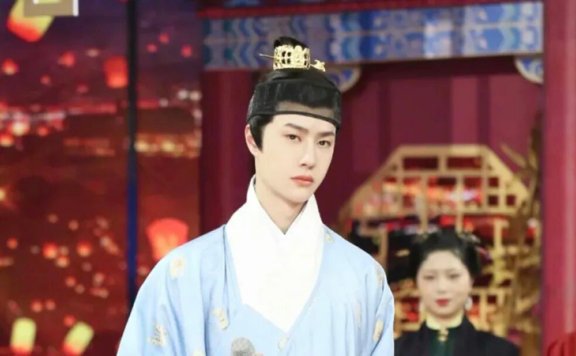
When Chinese actor and singer Wang Yibo (王一博) appeared on the variety show Day Day Up (天天向上) years ago, a specific costume detail ignited online curiosity. His headpiece, resembling a sparse fishnet, led many to wonder if it was a styling error. However, this accessory was a deliberate choice, rooted in centuries of tradition. Far from a mistake, it represents the Wangjin (网巾), a functional hair net from China's Ming Dynasty. This glimpse into historical fashion, facilitated by a modern celebrity, opens a window to understanding how everyday items from the past carried significant cultural weight. The conversation it sparked highlights a common disconnect between contemporary perceptions and historical reality, urging a closer look at the artifacts that shaped daily life in ancient China. Origins and Use The Wangjin was a foundational item in the wardrobe of Ming Dynasty men. Designed as a mesh net, its primary function was to bind one's hair, or bundle the hair, containing loose strands and creating a neat base for headwear. Its adoption was not merely a fashion trend but a practical solution for managing hair, which was typically worn long. The net also provided grip, preventing hats and official headdresses from slipping during… -
Moral Ambiguities and Unresolved Stories in the Tang Dynasty Mysteries
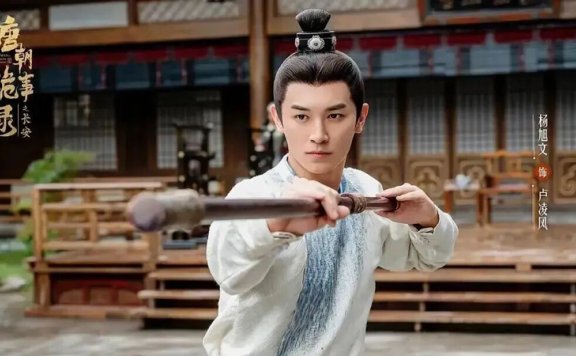
As the dust settles on the dazzling spectacle of the Grand Polo Tournament, the final chapter of Strange Tales of Tang Dynasty Ⅲ: Chang'an (唐朝诡事录之长安) closes not with a whisper, but with a resonant echo. The grand conspiracy is thwarted, the immediate danger passes, yet the true legacy of the series lies not in its explosive finale, but in the haunting, unresolved human stories woven throughout its eight cases. While Su Wuming (苏无名) and Lu Lingfeng (卢凌风) stand victorious, gazing upon the sprawling capital, their philosophical pondering of "What is Chang'an (长安)?" lingers. It is a question the show answers not through its heroes, but through its victims, its perpetrators, and the profound moral ambiguities left in their wake. Beyond the palace intrigue and foreign threats, the series leaves us with a deeper unease, a collection of emotional puzzles more compelling than any whodunit. Love and Vengeance: Nuo Gao Ji (诺皋记) The case of Nuo Gao Ji begins with familiar tropes: a beautiful courtesan, Hong Yao (红药), adrift in the pleasure districts of Pingkang Fang (平康坊), seemingly entangled in a loveless marriage to Meng Buyi (孟不疑). The expected tale of vanity and betrayal unravels into something far more potent. Hong… -
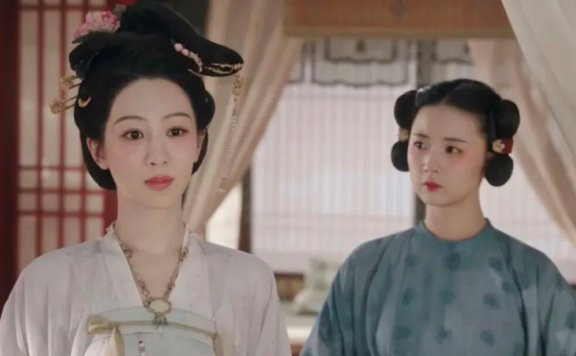
How Attire and Hairstyles Showed Servant Status in Imperial China
In contemporary historical dramas set in ancient China, a puzzling visual trend often leaves viewers scratching their heads: maidservants and their mistresses appear almost identically dressed, differentiated only by slightly less elaborate accessories. This blurring of costume hierarchies challenges audience perception and raises questions about historical authenticity. What were the actual sartorial rules for servants in imperial households? How did clothing and hairstyles clearly demarcate social standing? Moving beyond modern screen interpretations, historical artifacts and paintings reveal a defined and practical aesthetic for maidservants, one that balanced functionality with visible subordination. Understanding these codes not only enriches our view of the past but also offers a lens to critique current cinematic practices. Attire and Status Servants' clothing across dynasties was fundamentally shaped by practicality and symbolism. Unlike their mistresses, who wore luxurious silks and brocades, maidservants typically donned garments made from humble Mian (棉, cotton) and Ma (麻, linen). These fabrics were affordable, durable, and suited for daily chores. After cotton's proliferation in the Ming dynasty, it became the standard material for working attire. The basic ensemble often consisted of a simple, cross-collar top worn over trousers, allowing for ease of movement during tasks like cleaning, serving, or accompanying the… -
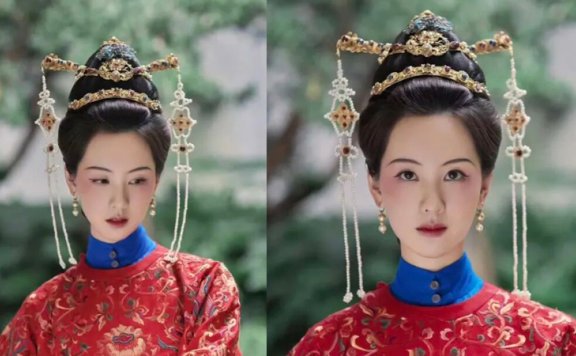
Why Are We So Obsessed With a Ming Dynasty Hairstyle?
A modern celebrity steps out in full historical regalia, and the internet buzzes. When actress Chen Duling (陈都灵) recently appeared in a meticulously crafted Ming Dynasty (明朝) ensemble, the focus wasn't just on the gorgeous silks. It was the towering, intricate headdress that captivated everyone. This wasn't mere costume play. It was a portal to a world where hair was architecture, and every pin held meaning. Her look taps into a growing fascination with historical accuracy and the sophisticated beauty standards of ancient China, proving that an elaborate 500-year-old hairstyle can feel strikingly relevant today. Architecture for the Head The foundation of Chen's look is the Jiaji (鬏髻), a pivotal Ming invention. This was not just styled hair. It was a wearable structure. Artisans created a lightweight frame from wire or bamboo, then meticulously covered it with real hair or silk. Worn over the wearer's own tied-up locks, it instantly added height and volume, creating a majestic silhouette. Available in styles like the Luohan Ji (罗汉鬏) or Shuangfeiyan (双飞燕), these were purchased ready-made from shops, much like buying a statement hat or hairpiece today. The Jiaji was more than a trend; it was a necessary canvas for the stunning jewelry… -
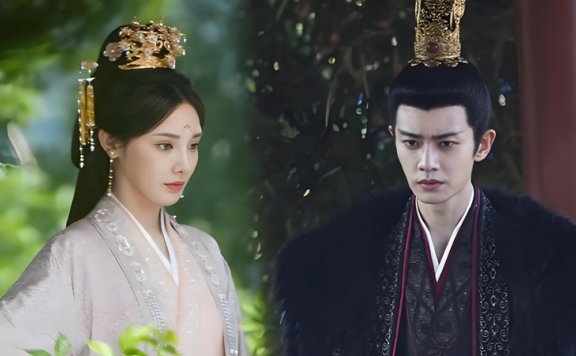
Passionate Sagas & Anguish-Satisfaction: The Emotional Pull Shaping Chinese TV
Television audiences are gravitating toward narratives where deep affection clashes with sharp conflict. A phrase like Passionate Sagas now peppers online forums, summing up this pull toward stories where bonds are tested by fierce emotions. In The Prisoner of Beauty (折腰), leads display warmth while hiding private agendas. Love & Crown (凤凰台上) shows he and she divided by a mentor's death yet drawn together. Even cinema captures this, as in The Sun Rises on Us All (日掛中天), where a street-side glance between Zeng Meiyun (曾美云) and Bao Shu (葆树) speaks volumes. This pattern, often called Anguish-Satisfaction, weaves mild anguish into rich emotional payoffs. Creators are noting how viewers embrace these layered tensions, shaping new projects to feed this appetite. 1. Love and Hate in Modern Drama In today's television landscape, a distinct narrative pattern captivates audiences by weaving together deep-seated conflict and passionate romance. This approach, often seen in series where characters grapple with opposing loyalties or historical grievances, draws viewers into a whirlwind of feelings. Stories that pit love against hatred or duty against desire have become a staple, offering a mix of heartache and hope. They tap into universal emotions, making the journey of characters who cannot easily… -
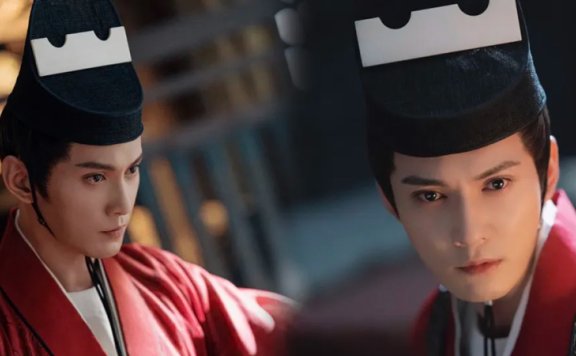
Xu Zhengxi's Hat in Yong'an Dream Look So Unusual?
An online discussion has erupted around the distinctive headwear worn by actor Xu Zhengxi (徐正溪) in the historical drama Yong'an Dream (永安梦). Instead of the typical ornate crowns, his character sports a cap with what appear to be two small, curious eyes peeking out from the top. This unique design has captivated viewers, with many joking that only he could carry off such a peculiar look. The answer to this sartorial mystery lies not in a costume designer's whim, but deep within the fashion history of ancient China. This headpiece is a gateway to understanding the practicalities and social codes of attire during a dynamic period in Chinese history. The Hat's True Identity The cap is known as a Pingjin Ze (平巾帻). A Ze was a type of informal cap worn under more formal headpieces, and its use dates back to the Han Dynasty. It became particularly popular from the Wei and Jin periods through the Sui and Tang dynasties, frequently worn by military officials. The two horizontal protrusions that resemble eyes are not decorative. They are the ends of a horizontal hairpin called a Zan Dao (簪导), which was used to secure the cap firmly to the wearer's hair.… -
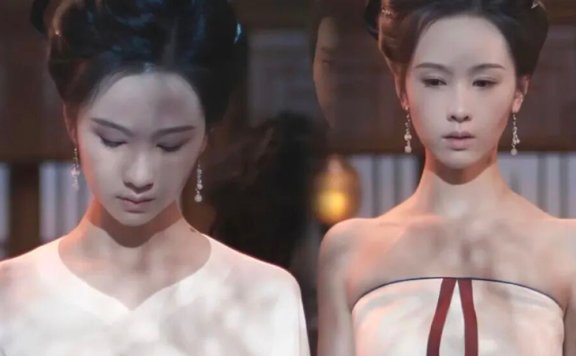
Unveiling Practical Functions of Zhongyi in Ancient China
Have you ever noticed how characters in historical dramas often retire for the night dressed in pristine white garments, and wondered if they ever worry about stains? This common visual isn't a costume designer's oversight or a symbol for something else; it is a deliberate and historically accurate representation of a fundamental layer of traditional attire known as Zhongyi (中衣). Far from being simple sleepwear, this undergarment served as the versatile core of ancient Chinese dress, functioning as both a formal inner layer and comfortable loungewear. Its enduring presence on screen hints at a sophisticated sartorial system where every piece, even the hidden ones, played a crucial role in aesthetics, etiquette, and personal comfort. Historical Roots The concept of Zhongyi is deeply embedded in classical texts. Its name, literally meaning "middle clothing," originates from the ancient glossary Shi Ming (释名), which describes its position between the innermost undergarments, or Xieyi (亵衣), and the outer robes. This placement was not merely practical but symbolic, representing a structured approach to dressing that prioritized propriety. In the hierarchical system of traditional dress, the Zhongyi was the essential buffer, a layer of modesty and refinement that separated the private self from the public presentation.… -
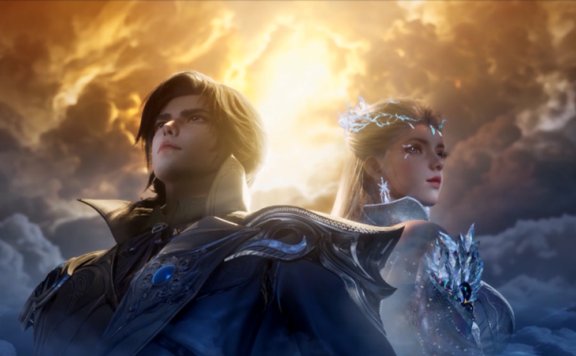
Snow Empress's Bold Stand: How She Challenges the Beast God in Douluo Dalu
In the latest twists of Soul Land 2: The Peerless Tang Clan (斗罗大陆 ‖ 绝世唐门), a stunning transformation unfolds as Snow Empress awakens to her true self. After absorbing the profound energy from the ancient ice marrow, she sheds her youthful form, emerging as a powerful adult with memories of her reign over the Extreme North fully restored. This rebirth sparks a daring confrontation, where she openly warns Beast God Ditian, the mightiest known soul beast. What fuels her audacity to challenge such a formidable force, and where does her confidence stem from? This article delves into the depths of their powers, examining the origins of their strength and the factors that could tip the scales in an epic clash. Cultivation and Power Beast God Ditian boasts an impressive 890,000 years of cultivation, placing him on the brink of divinity as a near-god entity. His mastery of dual soul cores allows him to compress soul force to its limits, granting unmatched explosive power and endurance in battles. This advanced state makes him a towering figure among soul beasts, with abilities that dwarf many rivals. However, Snow Empress is no ordinary opponent. Her 700,000 years of cultivation come from a pure,… -
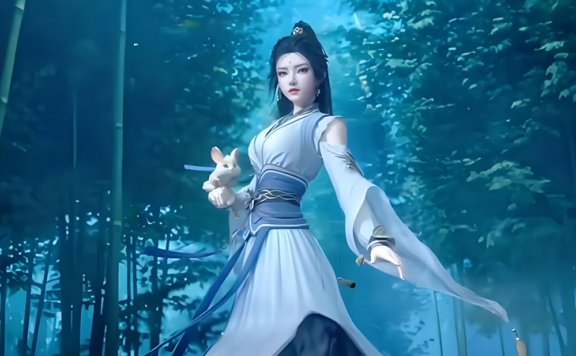
Shi Mu’s Epic Journey in The Gate of Mystical Realm
A new animated spectacle has arrived, promising to set screens ablaze. The Gate of Mystical Realm (玄界之门), a 3D animated series, premiered on Bilibili on November 26, 2025. With a full season of 26 episodes, each running approximately 20 minutes, this adaptation of Wang Yu's (忘语) popular web novel from Qidian Chinese Network is poised to capture the hearts of animation enthusiasts. Directed by Huang Xiaohong (黄晓洪) and scripted by Li Yang (李杨), the series dives headfirst into a sprawling, ambitious universe where the only constant is the struggle for power. 1. Origins of the Tale The story unfolds in a classic Wuxia setting, a realm where martial artists reign supreme. In this world, might makes right, and powerful sects dot the landscape like ancient trees in an unending forest. Here, one's lineage and cultivation techniques are not just aspects of identity; they are the very determinants of fate. It is a society built on strength, where the weak are trampled and the strong write their own laws. At the center of this tumultuous world is our protagonist, Shi Mu (石牧). An adopted son in a prominent family, he grows up on the Eastern Continent with a clouded past. Unbeknownst… -
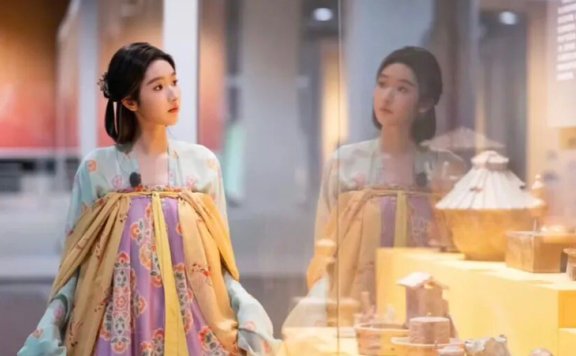
Reimagining Hanfu Through Wang Yuwen’s Viral Moment
When Wang Yuwen (王玉雯) stepped into a museum wearing a flowing Hanfu outfit on the variety show Wow the World (地球超新鲜), she did more than just turn heads—she sparked a conversation about how traditional clothing could weave itself into the fabric of modern life. Viewers flooded social media with praise, noting how natural and approachable she looked, as if this centuries-old style had never left everyday wardrobes. Her choice wasn't a costume for a period drama but a thoughtful nod to the past, blending history with contemporary ease. This moment highlights a growing curiosity about Tang Dynasty fashion and its potential revival, inviting us to imagine a world where such garments are as common as jeans and t-shirts. What made her appearance so relatable, and why does it matter today? The answers lie in the details of the attire, the craftsmanship behind it, and the cultural threads that connect then and now. The Tang Style Wang's ensemble featured a Qixiong (齐胸) style, where the skirt is tied high above the chest, a design popular during the peak of the Tang era. Unlike the elaborate updos often seen in historical depictions, she paired it with a simple, everyday hairdo, making the look… -
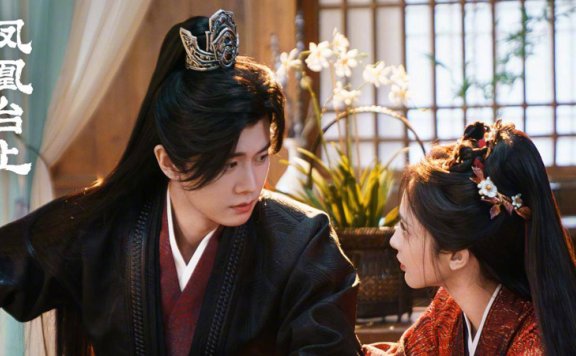
Love & Crown: Hidden Identities in Imperial Turmoil
This season brings Love & Crown (凤凰台上), a series that intertwines political schemes with martial arts elements. It follows two formidable figures whose paths cross in a realm of power struggles and emotional turmoil. Their relationship evolves against a backdrop of imperial conflicts, where personal desires clash with public duties. Ren Jialun (任嘉伦) portrays a character skilled in strategy and combat, while Peng Xiaoran (彭小苒) embodies a resilient individual with her own ambitions. Together, they navigate a narrative filled with twists, supported by a visual feast of costumes and sets. The story draws from the novel My Empress (我的皇后), adding depth to its character-driven plot. Audience excitement is evident through high engagement on platforms like Youku (优酷), where it trends prominently. Discussions often highlight the leads' past roles in projects such as One and Only (周生如故) and Goodbye My Princess (东宫), fueling expectations for their dynamic here. Its release on Jiangsu Satellite TV (江苏卫视) alongside digital streaming aims to reach a broad viewership. What sets this production apart is its focus on authentic character interactions rather than relying on exaggerated tropes. Viewers can anticipate a gripping tale that balances action with heartfelt moments, making it a standout addition to the… -

Xin Yunlai's Controversial Hat in The Ming Dynasty Youth
When Xin Yunlai (辛云来) appeared in behind-the-scenes photos for the new historical drama The Ming Dynasty Youth (明月录), set in Ming Dynasty China, social media erupted with comments about his costume. Many users claimed his wide-brimmed hat resembled styles from Korean historical dramas, igniting a debate over cultural influences. However, this headwear is actually a traditional Chinese item known as Damao (大帽), commonly worn by scholars and officials during the Ming era. This misconception highlights a broader issue where media portrayals can blur historical origins, leading audiences to misattribute cultural elements. As historical shows gain global popularity, understanding the authentic roots of such attire becomes crucial for preserving heritage and fostering accurate cultural appreciation. The drama, starring Xin Yunlai and Wang Churan (王楚然) in their first Ming-era collaboration, serves as a reminder that entertainment can shape perceptions, making it vital to delve into the facts behind the fashion. Hat Origins The Damao featured in The Ming Dynasty Youth is characterized by its broad, straight brim and varied shapes, from tall to short, and round to nearly square. Crafted from materials like bamboo, palm leaves, or felt, it was designed for practicality, offering protection from sun and wind during outdoor activities.… -
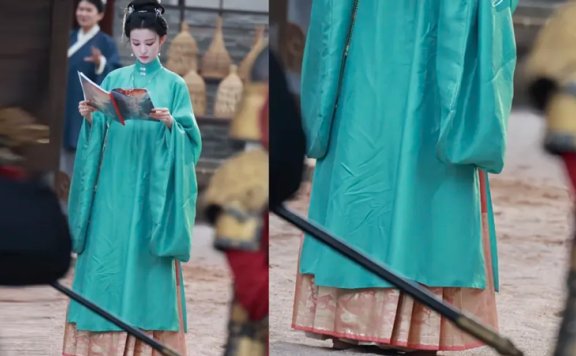
Wang Churan’s Floor-Grazing Top in The Ming Dynasty Youth
In the popular period drama The Ming Dynasty Youth (明月录), actress Wang Churan (王楚然) wears a long, flowing top that extends to her ankles, nearly obscuring the skirt beneath. This styling choice has sparked online debates about historical accuracy and fashion sense. Viewers question whether such lengthy garments were common in ancient times and if they diminish the visual appeal of traditional attire like the horse-face skirt. The discussion highlights a broader curiosity about how historical clothing influences contemporary costume design in television. This article explores the origins and significance of these elongated tops, tracing their roots to the late Ming Dynasty and examining their modern reinterpretations. Historical Roots During the late Ming period, particularly after the mid-Jiajing (嘉靖) era, women's fashion saw a shift toward longer, more subdued garments. Historical records, such as those by scholar Yang Shen (杨慎) in his work Sheng'an Waiji (升庵外集), note that women's tops resembled men's attire in length, often hanging just above the ground. This style emphasized a slender, effortless silhouette, with sleeves so wide they could span over a meter. The trend reflected societal changes, as economic pressures led to a preference for simplicity over opulence. Garments from this era, like those… -

Why Don't Modern Chinese Men Grow Facial Hair?
In ancient China, a luxuriant beard was the ultimate symbol of masculine maturity and charm. Historical portraits and literary classics are filled with descriptions of venerable men distinguished by their impressive facial hair. Yet in contemporary China, from the bustling streets of Shanghai to the screens of popular television dramas, the bearded face has all but disappeared. This shift raises a compelling question about the evolution of male aesthetics. Why has a feature once so central to a man's identity fallen so dramatically out of favor? The answer lies at the intersection of changing beauty standards, media influence, and a fundamental redefinition of what constitutes male attractiveness today. Historical Significance For centuries, facial hair was far more than a simple biological trait; it was a powerful social signifier. In the hierarchy of classical aesthetics, a fine beard indicated wisdom, virility, and social standing. Historical texts and paintings consistently depict revered figures, from scholars to generals, adorned with beards. The legendary warrior Guan Yu (关羽), a central character in the Romance of the Three Kingdoms (三国演义), is famously remembered as the "Gentleman with the Beautiful Beard." His long, flowing beard was an integral part of his formidable and honorable image, a… -
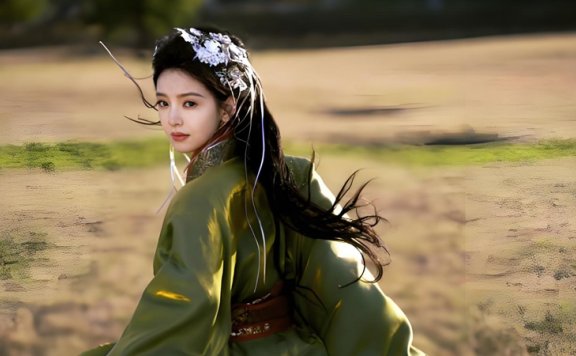
The Quiet Power of Zhang Ruonan’s Green Warring States Robe
In the ever-evolving landscape of fashion and media, a striking trend has emerged from the depths of history, capturing imaginations and challenging long-held stereotypes. Zhang Ruonan (章若楠), a prominent figure in the entertainment industry, recently donned a vibrant green Warring States robe in a photoshoot that has sparked widespread discussion. This attire, rooted in ancient Chinese history, is not just a garment but a narrative tool that blends elegance with resilience. Traditionally, the concept of a "big female lead" in stories and style has been associated with bold, assertive visuals, often dismissing softer aesthetics as weak or insignificant. However, Zhang Ruonan's portrayal in this robe defies such narrow definitions, illustrating how gentleness can coexist with unwavering determination. Her appearance, set against natural backdrops like lush grasslands and wooded areas, evokes a sense of timeless beauty, as if she's a character from a historical epic, poised between vulnerability and strength. This photoshoot does more than showcase fashion; it invites viewers to reconsider what it means to be powerful, suggesting that true strength often lies in subtlety and grace. As we delve into this phenomenon, it becomes clear that the Warring States robe is more than a trend—it's a symbol of a…