Article
搜索结果:
-
Tang Dynasty Hanfu: How Celebrities and Flattering Styles Win Hearts
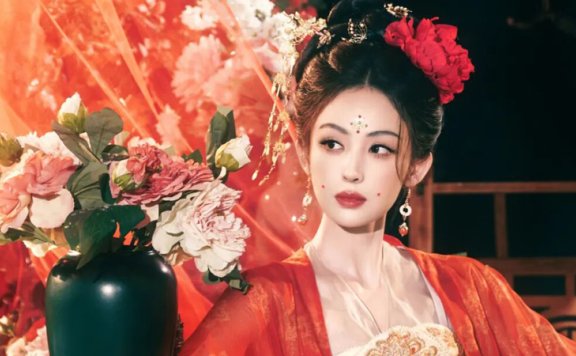
In today's fashion landscape, traditional attire from China's Tang Dynasty is experiencing a vibrant resurgence. This era, celebrated for its cultural prosperity and artistic innovation, has left a lasting legacy in clothing that emphasizes grace and adaptability. Hanfu styles from this period, with their flowing silhouettes and intricate details, are being rediscovered by a new generation. What makes them particularly appealing is their ability to flatter diverse body types and facial features, moving beyond rigid beauty standards. From curvy figures exuding opulence to slender frames radiating elegance, Tang Hanfu offers a versatile canvas for self-expression. Recent television series and celebrity endorsements have amplified this trend, making it more accessible and inspiring people to embrace their unique beauty through historical fashion. Flattering Designs The Qixiong Ruqun (齐胸襦裙) stands out as a quintessential Tang Dynasty garment, known for its high-waisted cut that rests above the bust. This design creates a universally flattering shape by avoiding tight fits and instead using soft, draping fabrics that flow with the body. For those with curvier builds, the loose structure and billowing sleeves help smooth lines and convey a sense of dignified luxury. Slimmer individuals find that the lightweight materials enhance their natural grace, adding an… -
Rabbit Ear Hairstyle in Tang Dynasty Ⅲ
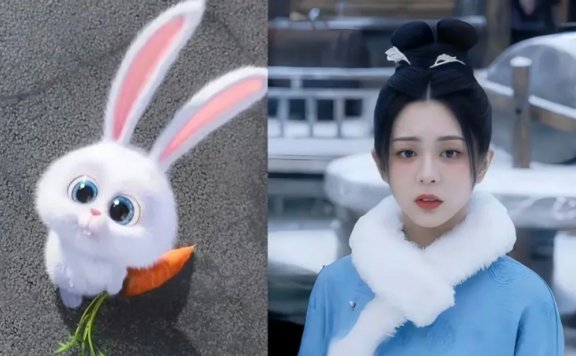
In the popular series Strange Tales of Tang Dynasty Ⅲ: Chang'an (唐朝诡事录之长安), the character Xi Jun (喜君) captivates audiences with her charming hairstyle that resembles rabbit ears. This look has sparked curiosity and admiration online, with many viewers wondering about its name and origins. Far from being a modern invention, this hairstyle has deep roots in Tang Dynasty fashion, where it symbolized youth and vitality. It frequently appears in historical dramas, often paired with traditional attire like Qixiong Shanqun (齐胸衫裙), enhancing the playful and innocent aura of female characters. This article delves into the history, variations, and enduring appeal of this distinctive style, revealing how ancient beauty standards continue to influence today's media. Ancient Origins The rabbit ear hairstyle is broadly categorized as Shuangji (双髻), meaning "double bun." This style was especially popular during the early to high Tang period, characterized by two buns positioned on the head, sometimes with a central gap or crossed sections. Historical records, such as those from the Five Dynasties period, note its prevalence among young women, reflecting societal norms where hairstyles indicated age and marital status. For instance, unmarried girls often wore Shuangji to showcase their youth, while mature women opted for more elaborate… -
How a Historical Attire Becomes Modern Style
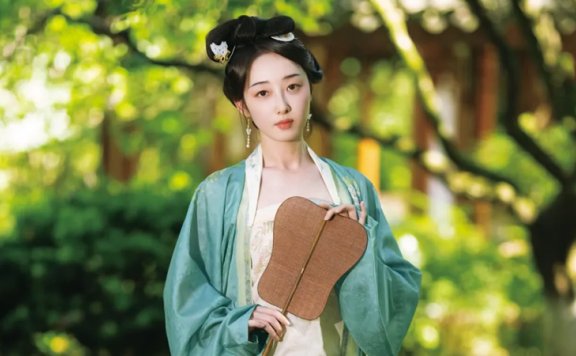
In recent years, the traditional attire of the Song Dynasty, referred to as Hanfu, has captured the attention of fashion enthusiasts worldwide. This style, distinct from the lavish Tang or stately Ming designs, emphasizes understated grace and simplicity. Its flowing silhouettes and muted palettes evoke a sense of calm, making it a favorite for those seeking a break from today's fast-paced trends. As more people explore this historical fashion, it highlights a growing appreciation for attire that blends artistry with everyday wear, offering a fresh perspective on personal expression through clothing. Historical Roots The origins of Song Dynasty Hanfu trace back to a period in Chinese history marked by cultural refinement and scholarly pursuits. During this era, clothing was designed to reflect values like modesty and intellect, with garments often featuring layered pieces such as the Beizi (褙子), a long outer robe, and subtle embroidery. This approach contrasted with earlier dynasties, focusing on lightweight fabrics and clean lines that enhanced natural movement. Over time, these elements have been preserved in modern interpretations, showcasing how historical context shapes contemporary fashion choices. Key components like the inner garment, often a simple top, and skirts with pleats, contributed to an overall aesthetic of… -
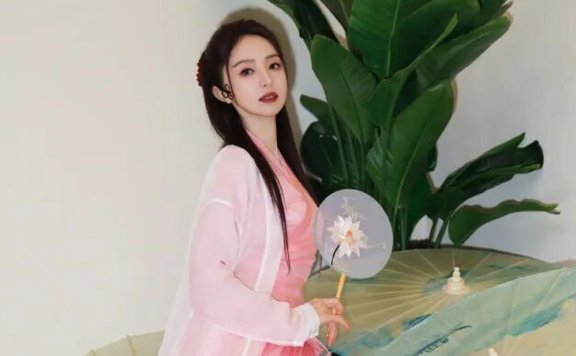
46-Year-Old Dong Xuan Stuns in Pink Hanfu
When photos of Dong Xuan (董璇), a 46-year-old actress, surfaced online in a stunning pink Hanfu ensemble, they instantly captivated audiences. The images, set against a backdrop reminiscent of Jiangnan's scenic beauty, showcase her in a flowing, gauzy dress that seems to dance with the breeze. This isn't just another celebrity photoshoot; it's a vivid portrayal of classical elegance meeting modern grace. Her choice of a round fan adorned with lotus motifs and traditional embroidered shoes completes the look, making it a topic of widespread admiration. At an age where many might shy away from bold fashion statements, Dong Xuan demonstrates how timeless style transcends generations. The response has been overwhelming, with fans and fashion enthusiasts alike praising her ability to embody the spirit of traditional Chinese aesthetics so effortlessly. This moment highlights a growing appreciation for cultural elements in contemporary media, and Dong Xuan's presentation serves as a perfect entry point into this discussion. The Ensemble The pink gradient Hanfu worn by Dong Xuan features layers of sheer silk that create a soft, ethereal effect. Its design includes delicate sleeves that flutter gently, evoking the tranquil atmosphere of a water town in southern China. The color transitions from light… -
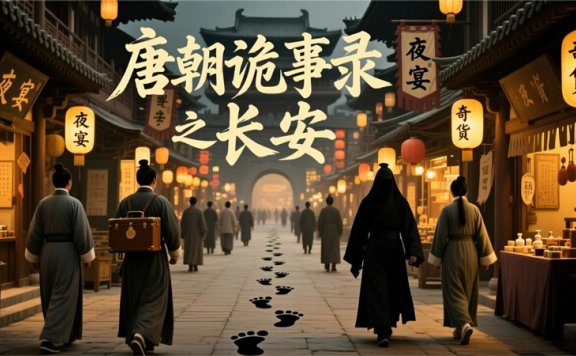
How Tang Dynasty Tales Resonate with Modern Audiences
In the final months of 2025, a television phenomenon has seized the attention of audiences, proving that substance can triumph over spectacle. Strange Tales of Tang Dynasty Ⅲ: Chang'an (唐朝诡事录之长安), the third installment of a beloved series, achieved staggering platform ratings and critical acclaim mere days after its premiere. This period mystery drama, devoid of A-list celebrities and pre-existing blockbuster IPs, has managed to not only meet but exceed the high expectations set by its predecessors. Its success is not a happy accident but the result of a meticulous and thoughtful creative philosophy that has resonated deeply with viewers. The Foundation The bedrock of the series' appeal is its unwavering respect for the audience's intellect. Rejecting convoluted plots that rely on character ignorance, the narrative presents mysteries that are complex yet logically sound. The story returns to the vibrant, bustling capital of the Tang Dynasty, Chang'an, in its early prosperous years. The protagonists, General Lu Lingfeng (卢凌风) and his partner Su Wuming (苏无名), a disciple of the famous Judge Di, lead their investigative team through a maze of bizarre cases set against a backdrop of intense court rivalries between the Emperor and the Princess. Craftsmanship A tangible, almost obsessive dedication… -

How Costumes in Love & Crown Whisper the Plot
In the realm of historical television, where stories of love and power often blend into a familiar tapestry, Love & Crown (凤凰台上) distinguishes itself through an unexpected narrator: its costumes. Beyond the compelling performances of Ren Jialun (任嘉伦) and Peng Xiaoran (彭小苒), the series has captivated audiences with its sartorial eloquence. Each robe, crown, and accessory is imbued with meaning, silently charting character arcs and emotional undercurrents. This attention to detail transforms clothing from mere backdrop to active participant in the storytelling, inviting viewers to look closer and discover a hidden language stitched into every fiber. Imperial Robes Emperor Xiao Huan's (萧焕) wardrobe serves as a visual diary of his burdens. His dragon robes defy traditional bright yellows, opting instead for subdued hues like pale gray and charcoal. Upon closer inspection, these garments reveal a secret: intricate mountain and river patterns embroidered with thread matching the base color, visible only under specific lighting. This design mirrors his life sentence to the throne, where the weight of the nation is a constant, invisible pressure. When he ascends the dais in court scenes, the faint outlines of these landscapes seem to cling to him, a ghostly map of his responsibilities. The evolution… -

Why Is Gulnazar's Qipao Reviving 1920s Shanghai Glamour?
When Gulnazar appeared in a champagne-colored Qipao, social media buzzed with admiration. Her recent photoshoot channels the elegance of Republican-era China, blending vintage aesthetics with modern sensibilities. The ensemble features delicate embroidery and a high slit, creating a silhouette that is both timeless and contemporary. This look has sparked conversations about fashion nostalgia and how historical styles influence today's trends. It is not merely about clothing but about storytelling through fabric and design. In an age of fast fashion, such attention to detail stands out. This moment captures a wider movement where traditional attire finds new life. The response shows how visual elements can evoke emotion and connect generations. Through this outfit, she invites viewers to explore a rich historical tapestry. Fashion Details The Qipao worn by Gulnazar showcases intricate craftsmanship. Made from silk, it includes bird and flower motifs stitched with precision. The high slit design allows for movement while emphasizing grace. This choice reflects a balance between modesty and boldness. Designers often use such elements to highlight natural body lines. The color palette remains subtle, enhancing the wearer's presence without overpowering. Accessories like a handheld fan and classic updos complete the vision. Each piece works in harmony to… -
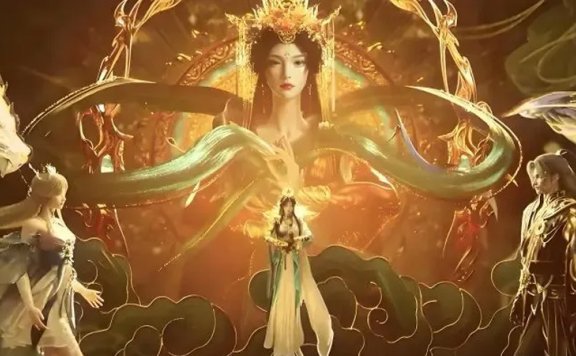
The Game-Changing Episode of Eclipse of Illusion
A surge of emotion swept through the fan community following the latest episode of the original animated series Eclipse of Illusion (云深不知梦). In a stunning narrative turn, Shuyu (淑玉), the one true dragon of the Mu Ling Continent (沐灵大陆), made the ultimate choice: self-sacrifice to save her sister. This moment was not just a plot point but a powerful demonstration of the series' growing ambition. Since its premiere on Youku in July 2025, this production from Ian Animation has captivated a dedicated following. It masterfully blends a distinctive Xin Guofeng (新国风) aesthetic, a compelling female-centric narrative, and cinematic storyboarding to create a unique viewing experience. The series has consistently impressed with its visual direction, but this newest chapter elevated its artistry to a new level. While perhaps not every single frame could serve as a desktop wallpaper, the episode's visual intensity was undeniable. The central battle sequence, where the usually gentle Long Er (龙儿), spear in hand, awakened her true power as the War Dragon Sovereign to face two formidable foes, was a spectacle of breathtaking scale. The imagery of nine ethereal dragons coiling around a figure with flowing, unbound hair has already been hailed by many as one of… -
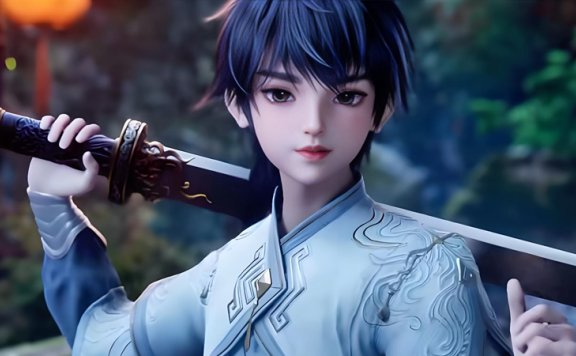
The Demon Hunter: Can Brushstrokes Defend Cang Yuan Jie?
In a landscape where fantasy tales often rely on flashy special effects and predictable power-ups, The Demon Hunter (沧元图) emerges as a breath of fresh ink-washed air. This series, originating from the mind of author I Eat Tomatoes, reimagines the Xianxia genre by weaving traditional Chinese painting directly into its core mechanics. Instead of chanting spells or wielding swords, the protagonist harnesses the power of brushstrokes, turning artistry into combat and creativity into cultivation. The narrative unfolds in the troubled land of Cang Yuan Jie (沧元界), a realm besieged by demons and internal strife, where a young man's journey from vengeance to guardianship challenges every convention. Through its novel approach, the story invites audiences into a world where every battle is a masterpiece in motion, and every character carries a depth that transcends typical hero archetypes. This unique fusion has not only captivated readers of the original web novel but also sparked a visual revolution in its animated adaptation, proving that some stories are better told with a brush than a blade. Brush as Weapon At the heart of The Demon Hunter lies a groundbreaking concept: the integration of Shuimo (水墨) painting into the cultivation system. Meng Chuan (孟川), the… -
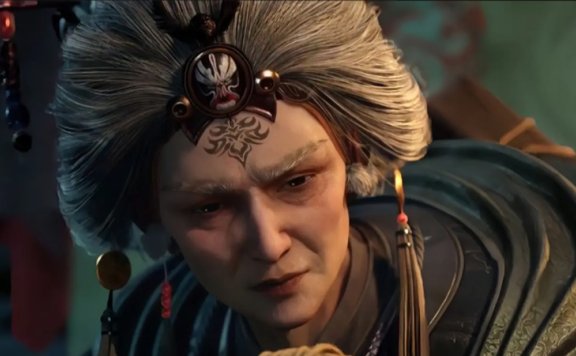
4 Unforgettable Physical Shifts in Top Chinese Animation Female Roles
In the vibrant world of Chinese animation, female characters often undergo breathtaking physical changes that captivate audiences. These transformations are not merely visual tricks; they weave deep narratives about identity, sacrifice, and empowerment. From elderly figures shedding years to reveal youthful vigor, to children maturing into powerful adults, these shifts challenge perceptions and drive stories forward. This article delves into four iconic examples where such metamorphoses redefine characters and plotlines, offering viewers a glimpse into the creative storytelling that sets these series apart. Each change carries emotional weight, turning simple animations into profound explorations of human experience. 1. Tale of Herding God (牧神记) - Si Youyou (司幼幽) In Tale of Herding God (牧神记), Si Youyou lives as a hunched old woman in Canlao Village (残老村), hiding a past filled with turmoil. Once the sacred maiden of Tianmo Jiao (天魔教), she was forced into marriage by its leader, Li Tianxing (厉天行). During their wedding, she struck back, stealing the Dayu Tianmo Jing (大育天魔经) and fleeing to escape persecution. Her disguised life as an elder conceals a fierce spirit and a history of rebellion, making her daily existence a delicate balance between survival and secrecy. Beneath the wrinkled facade lies unparalleled beauty,… -
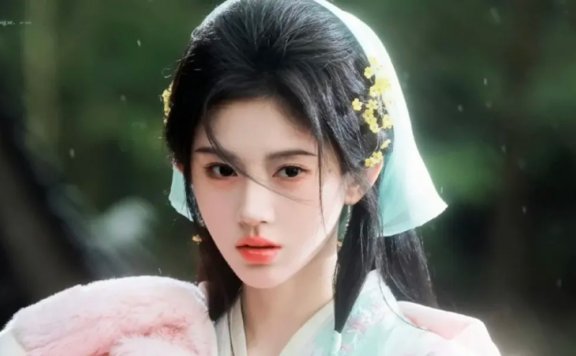
What's the Story Behind Ju Jingyi's Head Scarf in Veil of Shadows?
In the recent buzz surrounding actress Ju Jingyi (鞠婧祎) and her role in the drama Veil of Shadows (月鳞绮纪), a simple head wrap has captured audience attention, sparking debates online. This accessory, far from a random costume choice, echoes a practical tradition from ancient China. Known as Pazi (帕子), it served as a everyday solution for managing hair, similar to modern hairbands or scarves. Its appearance in the show highlights how historical elements can blend seamlessly into contemporary storytelling, inviting viewers to look beyond the glitter of ornate hairstyles and appreciate the simplicity of daily life in past eras. This piece of cloth connects us to a time when functionality and fashion intersected in subtle ways, reminding us that some style solutions are timeless. Historical Roots Long before Veil of Shadows brought it to screen, the head wrap had deep roots in Chinese history, dating back to periods like the Wei and Jin dynasties. Initially, both men and women used these square cloth pieces, often made from fabric scraps, to bundle their hair and maintain a neat appearance. For instance, men frequently wore a style called Zicuo (缁撮), which involved twisting black cloth into a bun-like shape, commonly seen among… -
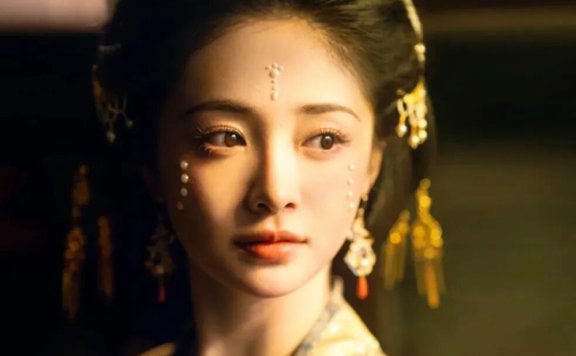
The Story of Song Pearl Makeup’s Diversity
Why Did Pearl Makeup Styles Vary So Greatly in the Song Dynasty? From royal portraits to modern television dramas, the distinctive Zhenzhu Zhuang (珍珠妆), or pearl makeup, has become an iconic representation of Song Dynasty aesthetics. This facial adornment, featuring pearls strategically placed on the face, appears in countless historical productions and contemporary Hanfu fashion. Yet observers quickly notice puzzling differences: some wearers display sparse clusters of pearls, while others boast lavish arrangements covering entire cheekbones. What accounts for this dramatic variation in application and quantity? The answer reveals a fascinating narrative about personal expression, economic status, and cultural practices that transcended rigid social hierarchies. Social Statements Contrary to popular assumption, pearl placement and quantity never reflected official rank or marital status during the Song period. While court regulations meticulously dictated dragon and phoenix motifs on formal headdresses to indicate hierarchy, no edict governed facial pearls. The widespread belief that lower-status individuals wore fewer pearls represents a modern misinterpretation. Historical evidence confirms that pearl adornment functioned as what we might call democratic fashion—accessible in theory to anyone who could acquire pearls, though practical limitations naturally applied. The face offers limited real estate for decoration, with preferred positions including the forehead… -

The Hidden Beauty of White in Traditional Chinese Attire
When we think of white in traditional Chinese context, many immediately associate it with mourning and funerals. This common belief often leads to misunderstandings when seeing characters in historical dramas dressed in pristine white garments. However, white's role in Chinese sartorial history is far more nuanced and vibrant than mere symbolism of loss. From scholars expressing integrity to nobility showcasing elegance, white has woven itself into the fabric of daily life across dynasties. This article delves into the multifaceted journey of white clothing, challenging modern perceptions and revealing how this hue defined aesthetics beyond somber occasions. Historical White In the Ming Dynasty, white was a staple in wardrobes, especially among the elite. Women often wore Bai Ling Ao (白绫袄), a white silk jacket, during festive events like lantern festivals. These garments were not signs of grief but statements of sophistication. The natural whites used, such as Yu Du Bai (鱼肚白) or Yue Bai (月白), derived from organic dyes, offered a soft glow that complemented the surroundings. Unlike today's stark industrial whites, these tones blended seamlessly with moonlit nights and colorful lanterns, enhancing the wearer's grace without overpowering the scene. White also served practical purposes in everyday attire. It was commonly… -
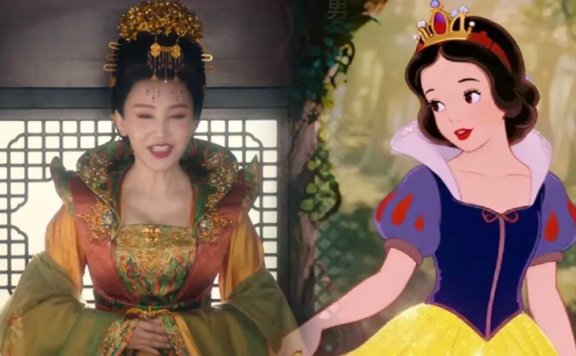
Is That Snow White in Tang Dynasty China?
When viewers tuned into the historical drama Strange Tales of Tang Dynasty Ⅲ: Chang'an (唐朝诡事录之长安), a vibrant discussion erupted across social media platforms. The focus was not on the plot, but on the costume of a central character, Princess. Her gown, particularly its distinctive collar, bore a striking resemblance to the iconic outfit worn by Snow White from Western animation. This visual parallel prompted a wave of questions: Was this a deliberate borrowing from Disney? Does this design have any authentic roots in Chinese historical clothing, or is it a modern fabrication? The conversation highlights a larger, ongoing debate about how contemporary media interprets and represents historical fashion, blending fact with creative liberty. This costume controversy serves as a fascinating gateway into examining the intricate dialogue between Eastern and Western aesthetic traditions, and how ancient styles are reimagined for modern screens. Historical Inspirations To understand the princess's attire, one must look back at artifacts from the Tang Dynasty. Archaeological finds, such as ceramic dance figurines, reveal costumes with open necklines, often described as a U-shape or exposed collar. These garments, specifically used for performance, allowed for greater freedom of movement and an ethereal, flowing silhouette. The design typically involved layered… -
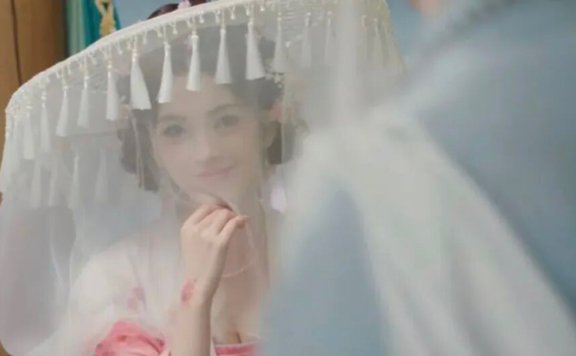
How Did a Simple Hat Steal the Entire Scene in Whispers of Fate?
In the fantasy drama Whispers of Fate (水龙吟), the entrance of actress Chen Yao (陈瑶) was not just seen but felt. It was not her lines or a dramatic action that first defined her character, but a piece of historical fashion: a wide-brimmed hat with a sheer veil. This single item, known as a Weimao (帷帽), immediately established an aura of mystery, elegance, and unapproachable grace. It is a prime example of how costume design can serve as powerful, non-verbal storytelling, conveying a character's status and disposition before a single word is spoken. This particular hat has become a recurring visual motif in Chinese historical dramas, captivating audiences with its poetic blend of concealment and revelation. The Weimao's Evolution The Weimao has a rich and practical history. Its predecessor was the Mili (幂篱), an earlier form of face-covering headwear. The primary distinction lay in their dimensions and materials. The Mili was often made of bamboo and featured a long veil or netting designed to cover the entire body, offering protection from wind and sand during travel. It was used by both men and women for its utilitarian function. The Weimao, typically constructed from cloth or silk, had a shorter veil… -

What Were the Must-Have Bags in Ancient Chinese Society?
In ancient China, where garments rarely featured pockets, bags became essential companions for daily life and travel. These accessories were far more than mere containers; they evolved into symbols of status, practicality, and even fashion across different dynasties. From the earliest recorded uses in the Zhou Dynasty, bags were tailored to specific needs, reflecting social hierarchies and cultural shifts. This exploration delves into how these items transformed from simple carryalls into intricate expressions of identity and style, showcasing the ingenuity of ancient craftsmanship. Early Forms During the Pre-Qin period, people already relied on bags for transporting goods, as noted in the Book of Songs. Texts describe two main types: the small Tuo (橐) and the larger Nang (囊), used for carrying food and supplies during journeys or military campaigns. These early designs emphasized functionality, with materials and sizes adapted to nomadic and agricultural lifestyles. As societies stabilized, bags began to serve broader purposes, laying the foundation for more specialized versions in subsequent eras. By the Han Dynasty, a square bag called the Shounang (绶囊) emerged, primarily holding official seals and documents. Bestowed by emperors upon officials, it became a mark of rank and authority. Historical records like the Song Shu… -

Zhang Yaqin’s Hanfu Look: Uncovering Yingluo’s Legacy
When actress Zhang Yaqin (张雅钦) appeared at a recent event wearing Tang-style Hanfu, her fans instantly recognized the look from her role as a county princess in the television drama. The online conversation quickly focused on one particular detail: the absence of a distinctive neck ornament she wore in the series. This piece of jewelry, far more than a simple accessory, is a Yingluo (璎珞), an artifact with a story woven through centuries of Chinese history, art, and spiritual belief. More Than Jewelry The term Yingluo itself originates from words meaning "jade," and it refers to a specific type of beaded necklace. Traditionally, it was not a single strand but a lavish, multi-layered piece, often described as a "many-treasures" ornament. It was crafted from a brilliant array of materials including gold, silver, jade, pearls, amber, and vibrant gemstones like coral and lapis lazuli. This composition was deeply symbolic, representing the accumulation of worldly virtues and spiritual merits. In Buddhist iconography, the Yingluo holds profound significance as a symbol of "immeasurable light." Statues of Guanyin (观音) and other revered figures are frequently adorned with intricate versions of it, serving as a form of spiritual adornment. The Vimalakirti Sutra vividly describes deities… -
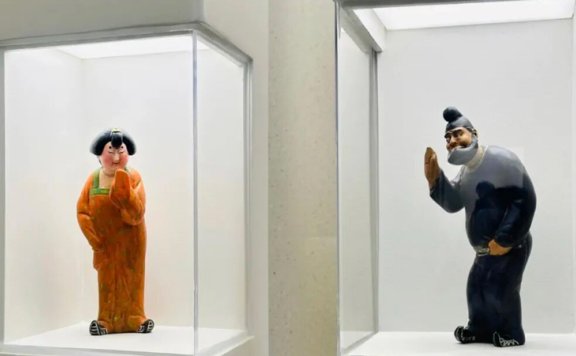
Xi'an's Restroom Signs: Blending Tang Dynasty Culture with Daily Life
Have you ever hesitated in front of a restroom door, puzzled by an abstract symbol? In the ancient city of Xi'an, this everyday experience is being transformed into a subtle cultural lesson. Forget the universal stick figures; here, history itself is guiding you. A shopping mall in the city has become an unlikely hotspot, not for its stores, but for its three-dimensional restroom signs. These aren't just signs; they are miniature exhibits. They feature intricate figures—a woman in elegant Tang-style attire and a man in a traditional round-collar robe, both rendered with such detail that they seem to step out of a history book. This innovative approach is part of a broader movement where public facilities are becoming canvases for cultural storytelling, challenging the global standard for restroom signage and offering a moment of historical connection in the most mundane of places. Tang Dynasty Guides The Shanxi Archaeological Museum (陕西考古博物馆) takes this concept even further. Its restroom signs are directly inspired by artifacts unearthed from local soil. The female figure is modeled after a mural from the tomb of a Tang dynasty crown prince. She wears a graceful outfit—a narrow-sleeved gown and a long, flowing shawl. Her hairstyle is elaborate,… -
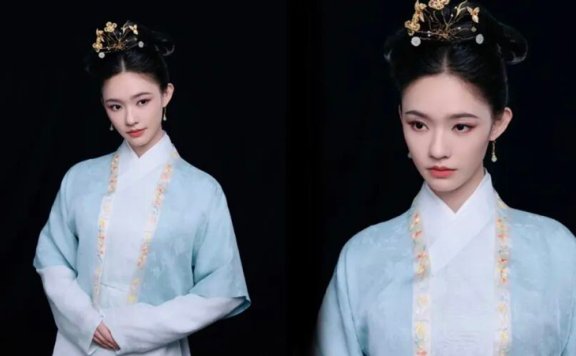
Uncovering the True History and Legacy of China's Banbi Garment
When actress Lin Yun (林允) appeared on the cultural show National Treasure, her outfit sparked immediate debate online. Viewers questioned whether her sleeveless top resembled a traditional maid's uniform, but fashion historians were quick to clarify. She wore a Banbi (半臂), a classic Chinese garment that has been misunderstood for centuries. This piece is not defined by social status but by its practical and stylish design. The confusion highlights how modern perceptions often oversimplify historical fashion. This article delves into the true nature of the Banbi, tracing its evolution from ancient courts to contemporary wardrobes, and challenges the stereotypes that have long surrounded it. Garment Basics The Banbi is essentially a half-sleeve jacket worn over other layers, similar to a modern bolero or vest. Its name derives from its sleeve length, which typically ends at the elbow. One common style is the Duijin (对襟), characterized by a front opening with symmetrical sides. This design allowed for easy movement and versatility, making it a staple in various dynasties. Unlike the assumption that it was solely for servants, historical records show it was worn by women across different social classes. The garment could be paired with long-sleeved robes or dresses, adapting to… -
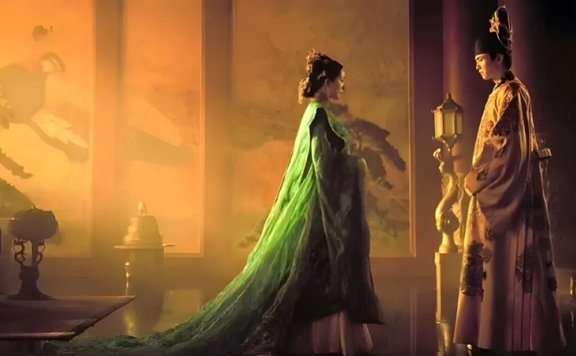
The Long Skirts in China's Historical TV Series
When watching Chinese period dramas, viewers often notice characters wearing elegant gowns with long, flowing trains that sweep the ground. This style sparks curiosity about its origins. Is this a genuine element from ancient Chinese fashion, or has it been influenced by Western costume design? The answer lies in a fascinating journey through history, where clothing served as a symbol of status and cultural identity. This article delves into the evolution of these trailing garments, examining their roots in early Chinese dynasties and how they compare to similar trends in Europe. By understanding the past, we can appreciate the blend of tradition and artistic license in modern storytelling. Ancient Roots In the Warring States Period, early forms of trailing clothing appeared, as seen in silk paintings from Chu State tombs. These garments evolved into more structured robes during the Eastern Han Dynasty, where long trains became associated with formal wear for nobility. Over time, this style adapted, influencing later periods like the Tang Dynasty and Song Dynasty. Artworks such as Admonitions of the Instructress to the Court Ladies (女史箴图) depict women in layered outfits with distinct trailing elements, showcasing how these designs were idealized in court life. The persistence of…