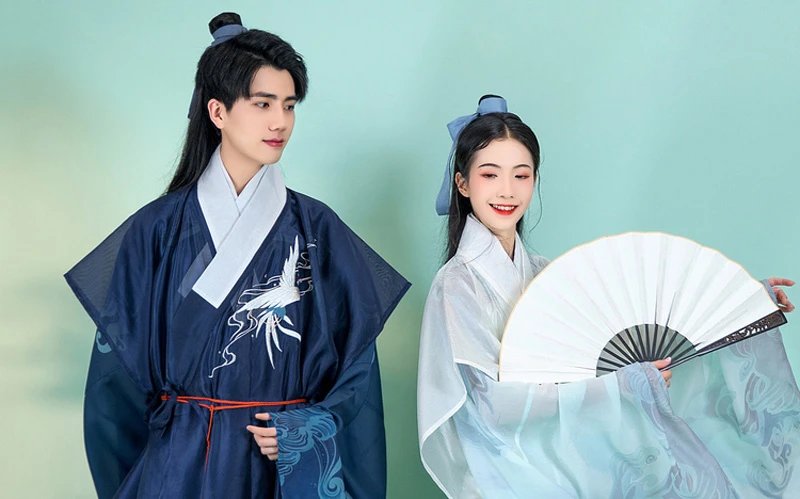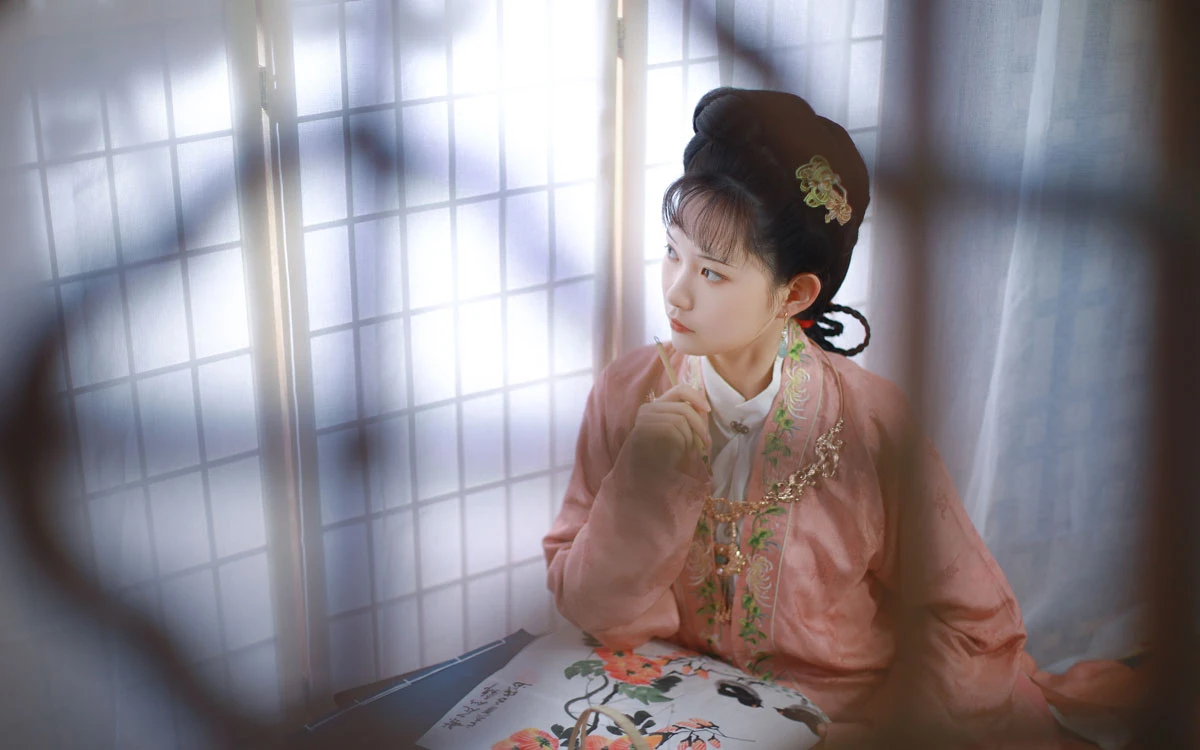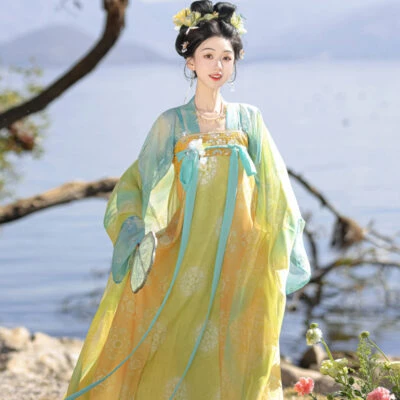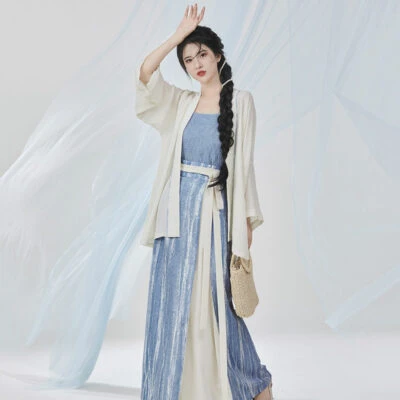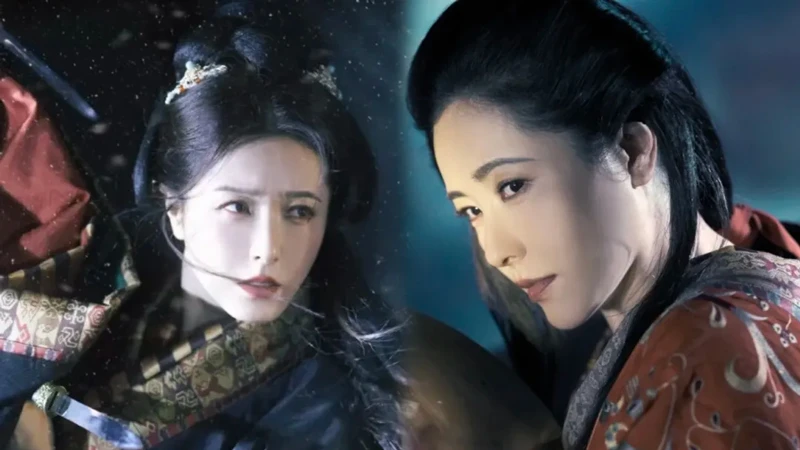
When actress Zeng Li (曾黎) shared a photoshoot featuring a traditional Hanfu outfit known as the Warring States Robe, the online reaction was swift and divided. Many viewers incorrectly identified the garment as a Japanese kimono, sparking comments that questioned her cultural choices. This immediate confusion reveals a common issue where Chinese traditional dress is often misattributed to other East Asian cultures. The incident highlights how visual similarities can lead to misunderstandings, especially when historical context is overlooked.
This discussion will explore the distinct characteristics of the Warring States Robe, its roots in ancient China, and the reasons behind such frequent mix-ups. By examining these elements, we can better appreciate the richness of Chinese heritage and address the need for broader cultural awareness.
Historical Roots
The Warring States Robe traces its origins to the Warring States period, a transformative era in Chinese history from 475 to 221 BCE. Key artifacts come from the Mashan No.1 Chu Tomb (马山一号楚墓), where archaeologists uncovered well-preserved clothing like the straight-hemmed robe. These findings provide a tangible link to the past, showing how nobility dressed during that time. The robes from this site have been carefully replicated, allowing modern wearers to connect with ancient traditions. Their design reflects the sophistication of early Chinese tailoring, emphasizing both form and function in daily and ceremonial wear.
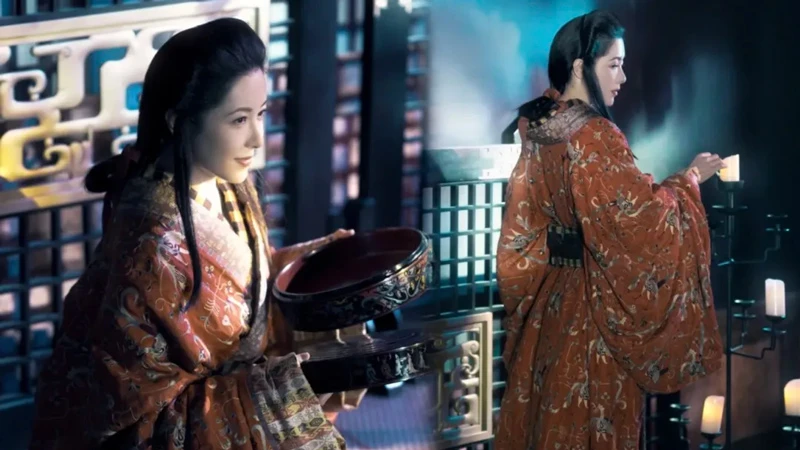
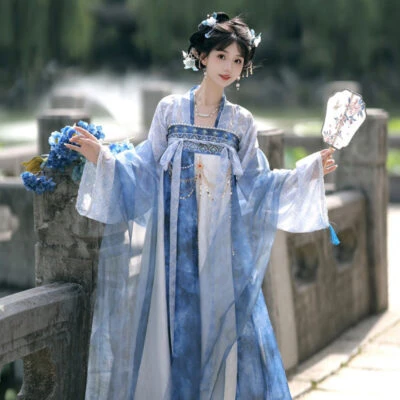
This garment is characterized by a cross-collar style, where the left side overlaps the right, adhering to cultural customs. The sleeves are typically wide and long, often designed in a “hanging tiger” shape that creates a flowing, elegant drape. Generous fabric allowances ensure the robe trails slightly on the ground, adding to its majestic appearance. Such features were not just aesthetic; they symbolized status and refinement, as the use of abundant material indicated wealth. The layered construction also provided practicality for various activities, from court gatherings to more informal settings.
A wide belt is another standout feature, fastened high on the body near the underarms. This element helps maintain the robe’s structure while promoting an upright posture, aligning with values of dignity and propriety. Wide belts have a long history in Chinese attire, appearing in different forms across dynasties for both practical and ceremonial purposes. They were often crafted from materials like leather or embroidered cloth, showcasing the diversity of ancient fashion. Understanding these details helps distinguish the Warring States Robe from other garments, reinforcing its unique place in history.
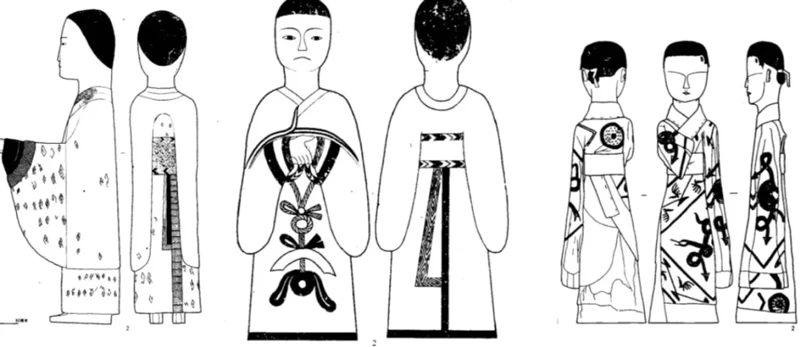
While the Mashan Chu Tomb offers specific examples, similar robes have been found in artifacts from other Warring States kingdoms, suggesting a shared aristocratic style. Reproductions today, such as those based on the N15 design, aim for historical accuracy in cut and stitching. However, modern interpretations sometimes introduce variations that can blur the lines between inspiration and authenticity. This flexibility in recreation means that while the core elements remain, minor changes might contribute to public misconceptions. Educating about these nuances is essential for preserving the integrity of traditional dress.
Visual Mix-Ups
The resemblance between Hanfu and kimono often leads to confusion, as both share elements like cross-collars, wide sleeves, and obi-style belts. These features originated in China, particularly during the Han and Tang dynasties, and were later adapted in Japan through cultural exchanges. Historical accounts, such as those involving the figure Xu Fu (徐福), suggest early interactions that influenced Japanese clothing styles. Despite these overlaps, the two garments have distinct constructions; for instance, kimonos often use different folding techniques and fabric types. Recognizing these differences requires a closer look at historical evolution rather than surface-level comparisons.
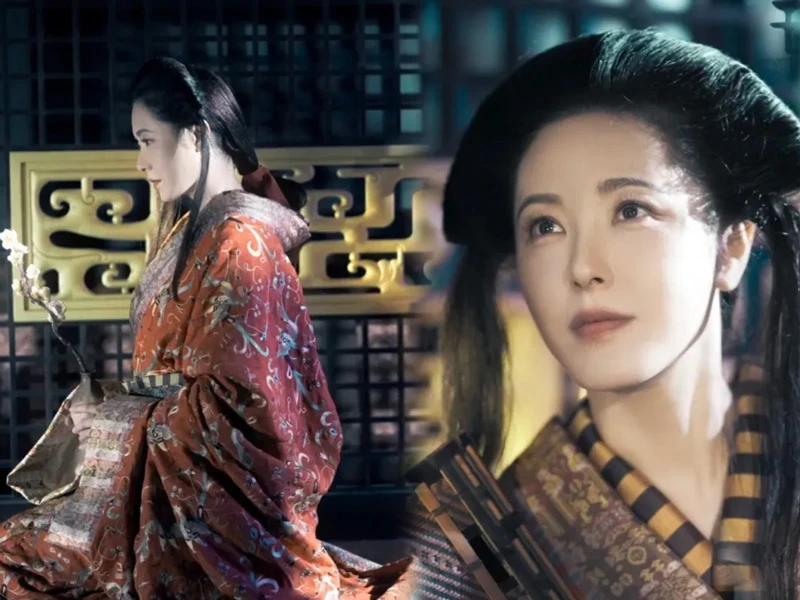
In Zeng Li’s photos, her hairstyle—a half-up do with two trailing strands—also drew attention for its unconventional look. While exact Warring States period hairstyles are not fully documented, artifacts like jade figurines and murals show variations such as topknots and high buns. Her stylized version, though modernized, is plausible based on these references. This example illustrates how contemporary media can blend historical inspiration with creative license, sometimes leading to inaccuracies that fuel misunderstandings. When such representations go unexplained, they perpetuate gaps in public knowledge about traditional practices.
This incident reflects a broader trend where Chinese cultural symbols are mistakenly attributed to other countries, partly due to the global influence of Japanese media and fashion. Many people encounter kimonos more frequently in pop culture, which can overshadow the origins of similar Chinese attire. The digital age exacerbates this, as images circulate rapidly online without proper context. To counter this, initiatives that promote Hanfu through social media, workshops, and museum exhibits are gaining traction. These efforts help people learn to identify and appreciate the unique aspects of Chinese dress, reducing the likelihood of future mix-ups.
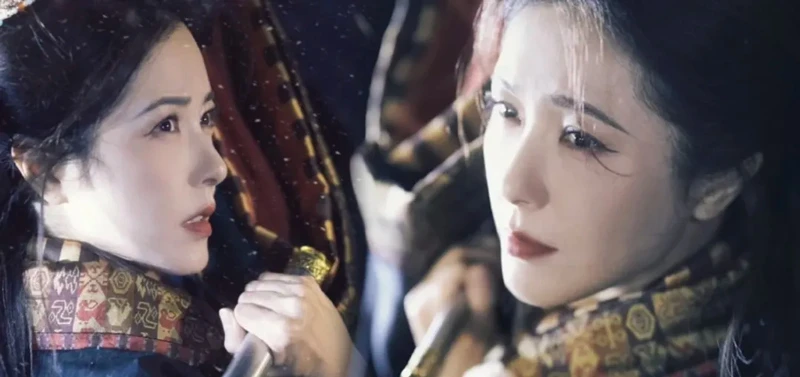
Ultimately, fostering a deeper connection to cultural heritage can transform moments of confusion into opportunities for education. When individuals engage with traditions like the Warring States Robe, they develop a stronger sense of identity and pride. Communities worldwide are increasingly celebrating Hanfu, organizing events where enthusiasts can wear these garments and share their stories. This grassroots movement not only preserves history but also encourages cross-cultural dialogue. By embracing accurate knowledge, we can build a more informed appreciation of the diverse tapestries that make up East Asian traditions.