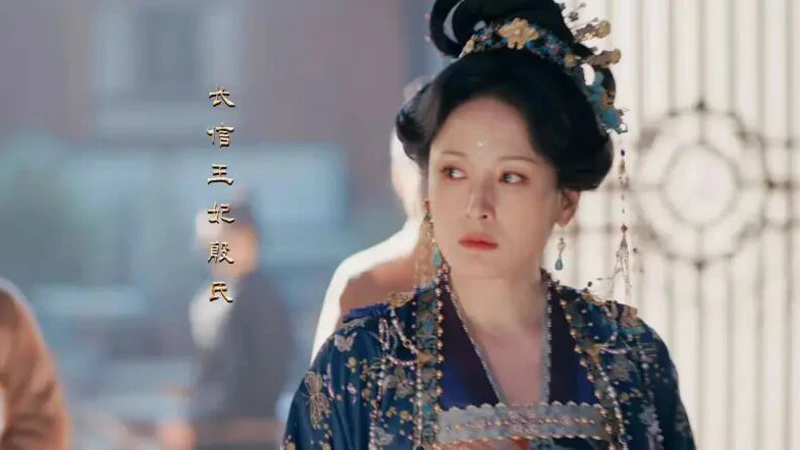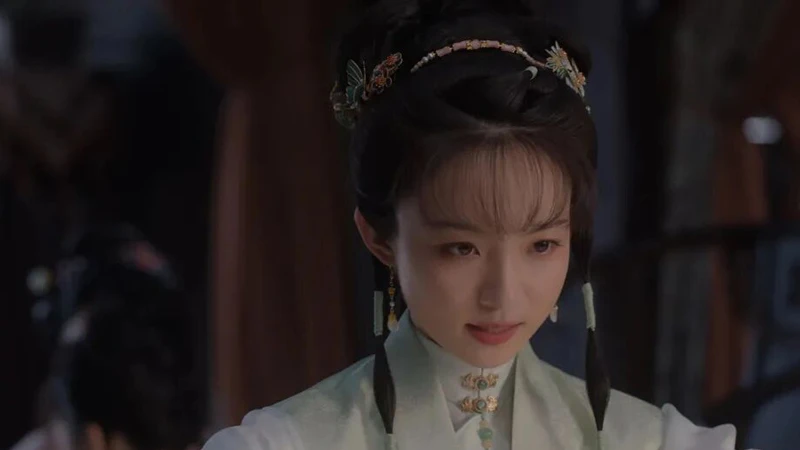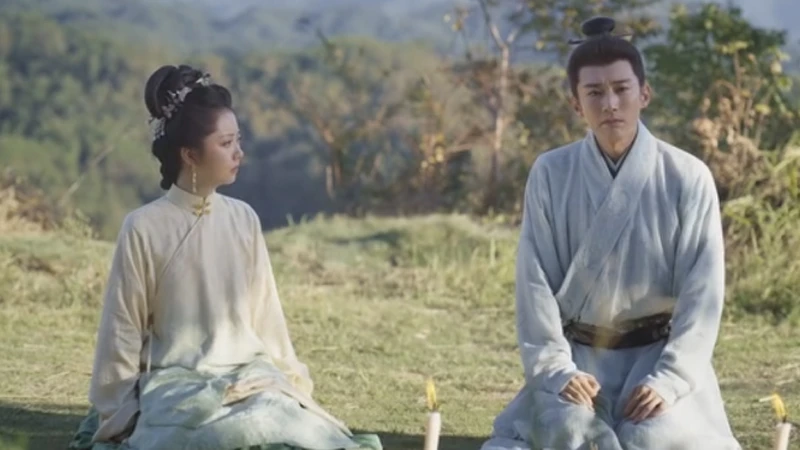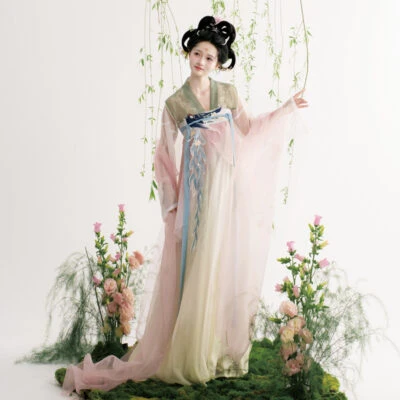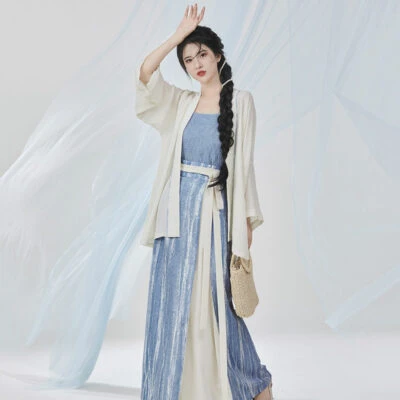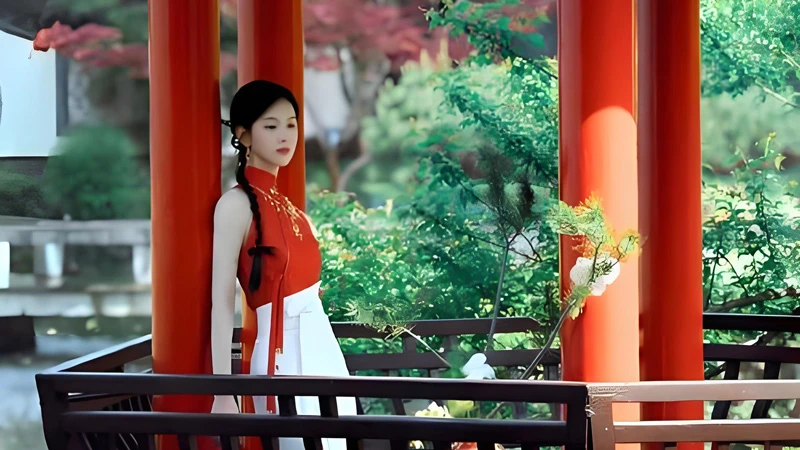
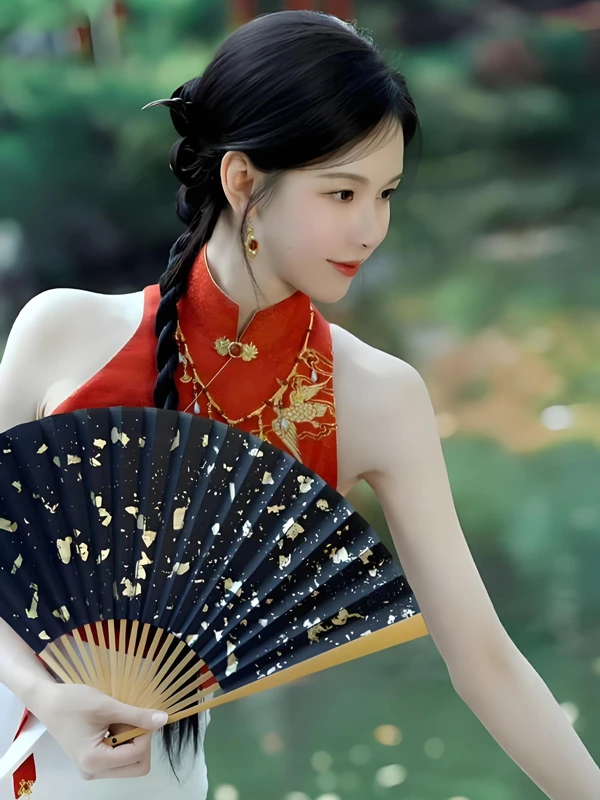
In an era dominated by fast-paced digital consumption, a recent photoshoot featuring Chen Duling (陈都灵) at Zhuozheng Garden (拙政园) has captivated millions, sparking conversations beyond mere aesthetics. Dressed in traditional Hanfu attire, her red and white ensemble against the garden’s classical backdrop evokes a sense of timeless elegance. This imagery resonates deeply in a society grappling with constant noise, offering a visual pause that challenges modern beauty norms. Rather than a fleeting trend, it invites reflection on how authenticity and craftsmanship can thrive today. The response highlights a growing appetite for substance over speed, where every detail tells a story of cultural continuity and personal resonance.
Craftsmanship Revived
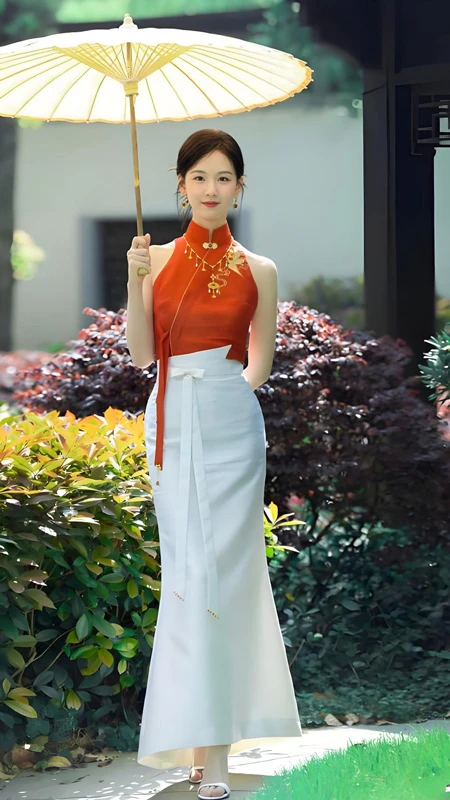
At the heart of Chen Duling’s photoshoot lies an emphasis on meticulous artistry. Each element, from the hand-stitched Pan Kou (盘扣) buttons to the Baiyuzan (白玉簪) hairpin, was crafted by skilled artisans, underscoring a dedication to time-honored techniques. This attention to detail contrasts sharply with mass-produced Hanfu variants that prioritize speed over substance. The deliberate choice of materials and methods not only enhances visual appeal but also reinforces the garment’s relationship with the wearer’s form. It transforms clothing into a narrative of patience and precision, making beauty tangible through every thread and fold.
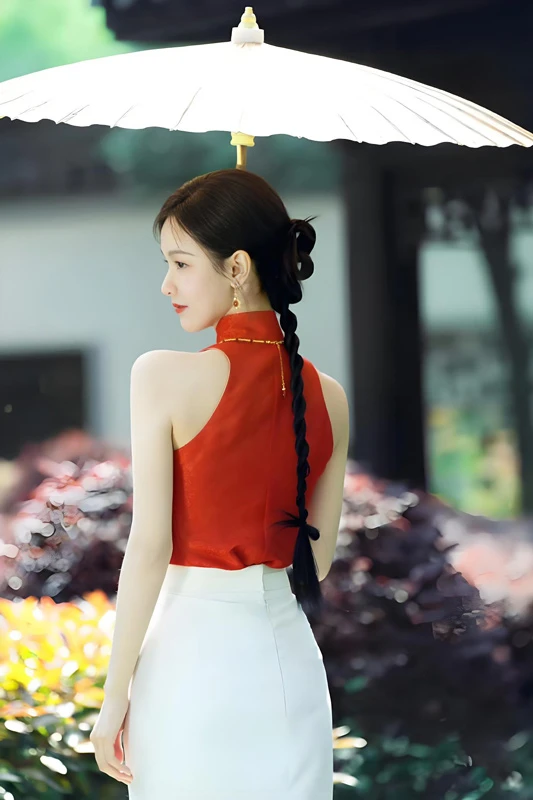
This focus on craftsmanship extends beyond clothing to the overall presentation. Chen Duling’s hairstyle, adorned with intricate Chanzhilian (缠枝莲) motifs, embodies a dynamic stillness that captivates viewers. Unlike generic styles, it reflects a deep understanding of how traditional elements interact with human expression. Such nuances prevent the look from feeling staged or artificial, instead allowing it to flow naturally with movement and light. In a market flooded with repetitive designs, this approach celebrates individuality while honoring heritage, proving that authenticity can coexist with contemporary relevance.
The resurgence of handmade details in fashion signals a broader shift in consumer values. People are increasingly drawn to items that tell a story, favoring quality over quantity. Chen Duling’s portrayal serves as a catalyst, inspiring others to seek out pieces that embody similar care and intention. This movement isn’t about rejecting modernity but about integrating its best aspects with enduring traditions. As a result, the photoshoot becomes more than a visual treat—it’s a lesson in how beauty rooted in craftsmanship can endure and inspire.
Emotional Echoes
Chen Duling’s imagery strikes a chord with audiences yearning for tranquility amid urban chaos. Many viewers describe the photos as a gentle reminder to slow down, evoking memories of simpler times. This emotional connection isn’t driven by nostalgia alone but by a genuine desire for moments of quiet reflection. In cities where screens dominate attention, her serene presence offers a respite, encouraging people to appreciate understated elegance. The response underscores a collective craving for balance, where beauty becomes a medium for mental and emotional renewal.
This resonance has practical implications, influencing both personal choices and industry trends. The photoshoot’s popularity has spurred a surge in Hanfu-inspired fashion, with retailers quickly adapting to demand for accessible yet authentic styles. However, this commercial response carries risks—over-commercialization could dilute the very essence that made the original compelling. Brands now face the challenge of maintaining integrity while meeting market expectations. Consumers, in turn, are more discerning, seeking options that align with their values without compromising on quality or meaning.
Ultimately, the dialogue between creators and the public fosters a healthier cultural ecosystem. Chen Duling’s work demonstrates how art can bridge gaps, offering templates that others can adapt without losing individuality. This synergy promotes a sustainable appreciation for tradition, where beauty isn’t just consumed but experienced and shared. As this exchange continues, it reinforces the idea that true impact lies in emotional authenticity, not just visual appeal.