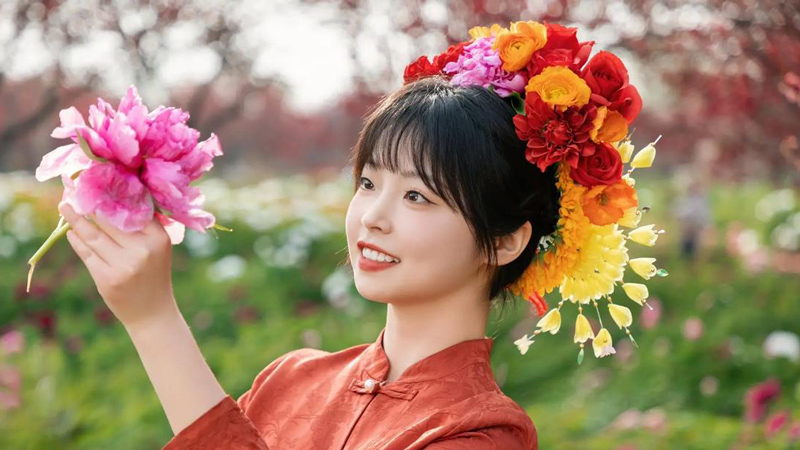
In the bustling streets of modern China, a quiet revolution blooms atop the heads of women who choose to adorn their hair with intricate floral arrangements. This is not merely a fashion statement but a profound connection to an ancient practice known as hairpin flowers, a craft that has woven its way through millennia. Imagine waking up to the sight of vibrant blossoms—crimson camellias, sunny daisies, and delicate hydrangeas—nestled in dark tresses, transforming everyday moments into a celebration of nature and resilience. For many, these flowers are more than decorations; they are emblems of inner strength and a poetic approach to life.
In an era where women are increasingly asserting their identities, hairpin flowers serve as a bold declaration of self-love and cultural pride. They remind us that beauty can be both fleeting and eternal, capturing the essence of hope in each handcrafted petal. This tradition, rooted in deep history, continues to inspire those who seek to blend artistry with personal expression, making every day a canvas for creativity and empowerment.
The Artisan's Touch
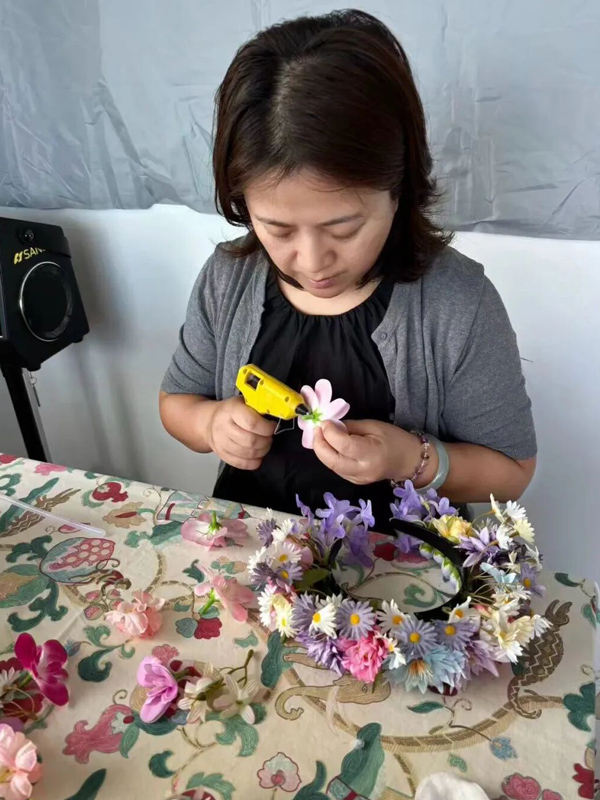
Creating hairpin flowers is a meticulous process that demands patience and skill, passed down through generations of artisans. In regions like Quanzhou (泉州), particularly among the Xunpu (蟳埔) community, this craft reaches its pinnacle. Artisans begin by selecting natural materials such as Tongcao (通草), a plant stem that, when sliced thin, mimics the delicacy of real petals. Each piece is shaped by hand, dyed with organic pigments, and assembled into blossoms that seem to breathe with life.
The process can take hours for a single piece, as artisans twist silk threads into fine stamens and layer petals to achieve a lifelike effect. This hands-on approach ensures that no two flowers are identical, each carrying the unique imprint of its maker. Historically, these skills were honed in small workshops where masters taught apprentices the secrets of balance and color, preserving methods that date back over two thousand years. Today, this dedication to craftsmanship highlights the value of slow, intentional creation in a fast-paced world.
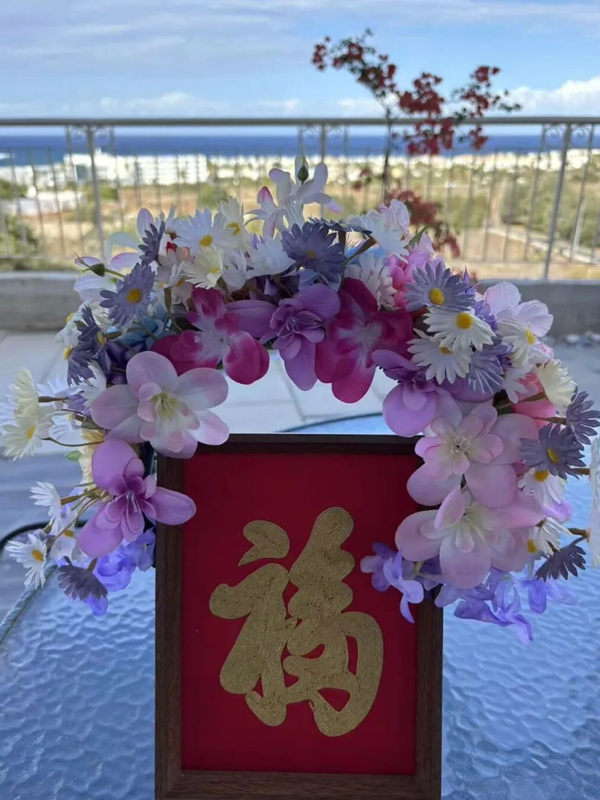
The tools and techniques involved are simple yet profound, relying on nothing more than nimble fingers and a keen eye for detail. Artisans often work in quiet spaces, where the only sounds are the rustle of materials and the soft hum of concentration. They might use bamboo frames to structure larger pieces or fine needles to attach tiny elements securely. What makes this practice special is its sustainability; many materials are locally sourced, reducing waste and connecting the craft to the environment. For instance, dried flowers and leaves are sometimes incorporated, blending ephemeral beauty with lasting art. This harmony with nature reflects a broader philosophy where creation is not about domination but collaboration. As one elder crafter in Xunpu shared, the goal is to make each flower tell a story—of seasons changing, of hopes rising, and of hands that care deeply for their work.
Despite the rise of mass production, hairpin flower artisans continue to thrive by adapting to contemporary tastes while honoring traditional methods. Younger generations are infusing new ideas, experimenting with colors and forms that appeal to modern aesthetics. Workshops and online tutorials have made the craft accessible, allowing enthusiasts worldwide to try their hand at this art.
Yet, the core remains unchanged: a commitment to quality and meaning. Each flower crafted today still carries the whispers of ancient rituals, whether it is a spring blossom symbolizing renewal or an autumn leaf representing change. This resilience of the craft shows how heritage can evolve without losing its soul, offering a tangible link to the past while inspiring future innovation. In a digital age, the tactile joy of making something by hand becomes a radical act of preservation and personal connection.
Symbols in Bloom
Hairpin flowers are rich with symbolism, often used to mark significant life events and daily intentions. In traditional settings, women would choose specific blooms to convey messages without words—a peony for prosperity, an orchid for elegance, or a chrysanthemum for longevity. During festivals like the Dragon Boat Festival, sprigs of mugwort might be added to hairpieces to ward off illness and invite health. This practice turns personal adornment into a silent language of aspirations and blessings.
For example, a bride might wear a cascade of flowers in her hair to symbolize a joyful union and a future filled with beauty. Similarly, in everyday life, selecting a flower for the day could reflect one's mood or goals, turning routine into a ritual of self-reflection. This deep symbolic layer makes hairpin flowers more than accessories; they are companions on life's journey, offering comfort and inspiration through their presence.
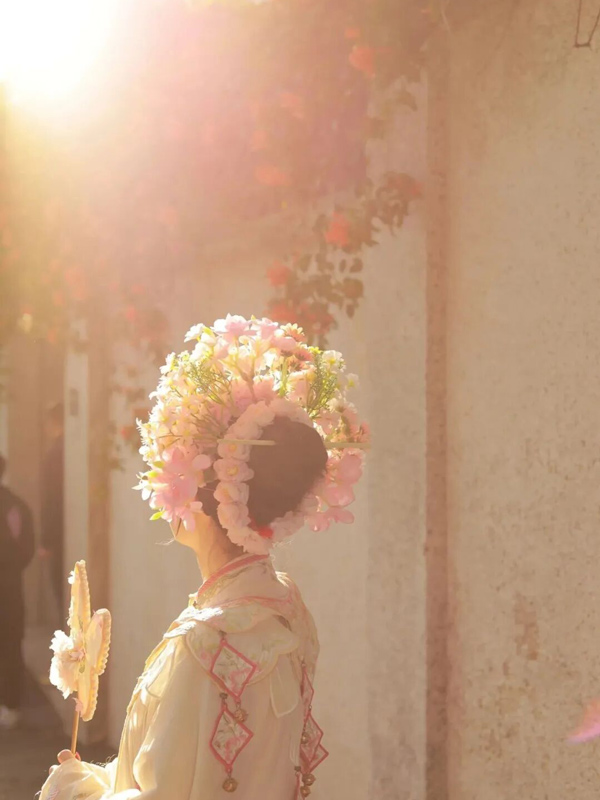
The cultural resonance of hairpin flowers extends beyond individual expression to community identity and female empowerment. In places like Xunpu, the sight of women wearing elaborate floral headdresses while going about their daily tasks—fishing, marketing, or caring for families—challenges stereotypes about strength and femininity. It is a visual testament to the idea that beauty and labor can coexist, and that tradition can be a source of power rather than constraint. This aligns with broader movements where women reclaim ancestral practices as acts of resistance and pride. By wearing these flowers, they honor the generations of women who came before them, each blossom a nod to shared history and collective resilience. In this way, hairpin flowers become a medium for storytelling, weaving personal narratives into the larger tapestry of cultural continuity.
In contemporary society, hairpin flowers have found new relevance as symbols of mindfulness and sustainable living. As people seek ways to slow down and connect with their roots, this craft offers a hands-on escape from the digital noise. Urban dwellers might attend workshops to learn the basics, finding solace in the repetitive motions of shaping petals and arranging compositions. The act of wearing a handcrafted flower can serve as a daily reminder to appreciate small joys and nurture one's inner garden.
Moreover, this tradition encourages a deeper relationship with nature, as artisans often draw inspiration from local flora and seasonal changes. By integrating these elements into modern life, individuals can cultivate a sense of balance and purpose. Ultimately, hairpin flowers teach us that the simplest gestures—like placing a bloom in one's hair—can carry profound meaning, bridging the gap between past and present in a beautifully tangible way.