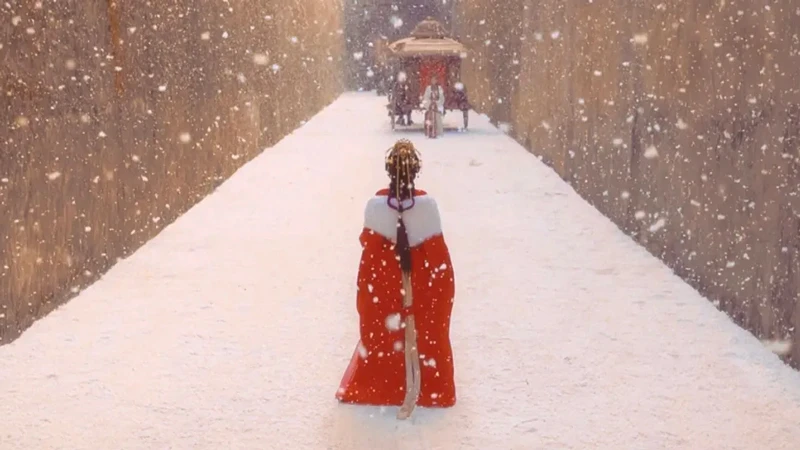
Have you ever paused during a winter scene in a film, struck by the image of a figure in brilliant red against a pristine white landscape? This visual, often called “red clothes in white snow,” feels instinctively beautiful to many in Eastern cultures. It is not just a random preference but a deeply ingrained aesthetic that appears in literature, cinema, and even personal fashion choices.
Why does this specific contrast resonate so strongly? The answer lies in a blend of historical symbolism, natural visual effects, and cultural narratives that have evolved over centuries. This article examines the origins and modern manifestations of this enduring imagery, revealing why it continues to captivate hearts and minds across generations.
Historical Roots
The appeal of red attire in snowy settings can be traced to classical Chinese poetry and idioms. One early example is the phrase “Red clothes win snow”, which translates to “red clothes surpass snow.” It comes from a poetic line depicting a woman in red standing alone by a river as snow falls, her vibrant garment contrasting sharply with the white surroundings. This imagery symbolizes resilience and individuality amid isolation, a theme cherished in Eastern art. Poets like Lu Meipo (卢梅坡) expanded on this in works such as The Dream of Red Mansions (红楼梦), where red plum blossoms against snow represent life’s persistence through adversity. These literary instances planted the seeds for a visual tradition that values stark, emotional contrasts.
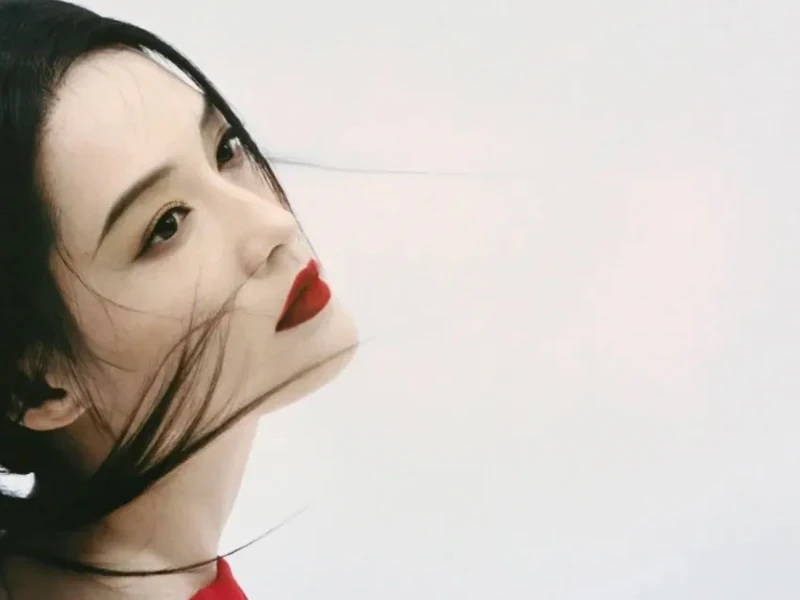
In the classic novel Dream of the Red Chamber, the character Lin Daiyu (林黛玉) is described wearing a red cloak while walking in the snow, highlighting her delicate beauty and the poetic melancholy associated with such scenes. The author, Cao Xueqin (曹雪芹), used this contrast to convey deeper emotions and social commentaries, embedding it into the cultural consciousness. This portrayal not only reinforced the aesthetic but also connected it to themes of love, loss, and elegance. Through such stories, the red-and-white motif became a symbol of refined beauty, often evoking a sense of timeless grace that readers could visualize and internalize.

Beyond human figures, natural elements like red plum blossoms in snow further cemented this imagery in Eastern thought. The blossom’s ability to bloom in harsh winters made it a metaphor for endurance and hope. Artworks and poems frequently depicted this scene, emphasizing the balance between passion (red) and purity (white). This symbolic layering added depth to the visual appeal, making it more than just a color combination—it became a narrative device. Over time, these representations influenced various art forms, from painting to theater, ensuring that the red-in-snow motif remained a cherished part of cultural expression.
The psychological underpinnings of this aesthetic also relate to how humans perceive color. Red has a longer wavelength, allowing it to stand out against white backgrounds like snow, which reflects up to 95% of light. This natural contrast makes red more visible and attention-grabbing, which early artists and writers intuitively leveraged. In Eastern contexts, red often symbolizes luck, joy, and vitality, while white can represent purity or transition. Combining them in snowy scenes created a powerful emotional pull, blending visual science with cultural meaning to form an iconic image that feels both inevitable and enchanting.
Modern Echoes
In contemporary television and film, the red-in-snow aesthetic continues to thrive, often evoking nostalgia and emotional depth. For instance, in the drama Scarlet Heart (步步惊心), the actress Liu Shishi (刘诗诗) portrays a character who dances with red plum blossoms in a snowy setting, her crimson dress creating a memorable visual that fans still celebrate. This scene taps into traditional symbolism while adapting it for modern audiences, showing how ancient motifs can enhance storytelling today. Directors and costume designers deliberately use such contrasts to convey character traits or pivotal moments, proving that this imagery remains a versatile tool in visual media.
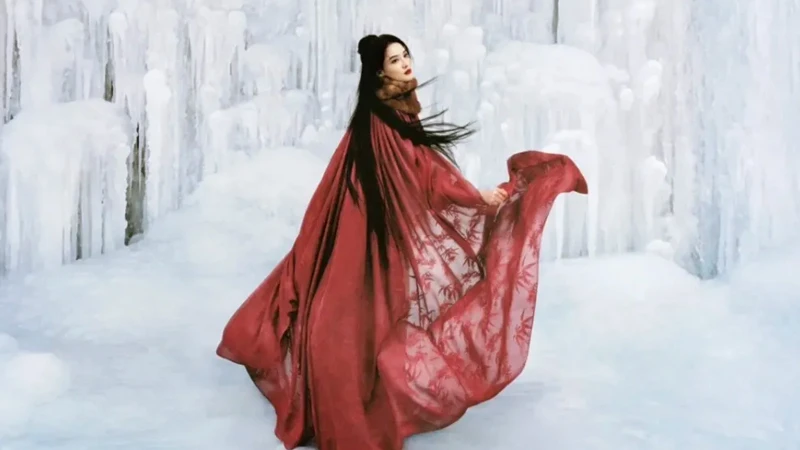
Fashion and personal style have also embraced this timeless combination. During winter months, it is common to see people choosing red outerwear or accessories when snow is expected, unconsciously echoing historical and cultural references. Designers frequently draw inspiration from Eastern art, incorporating red-and-white palettes into collections that resonate globally. This trend highlights how personal expression can reflect deeper cultural roots, allowing individuals to participate in a shared aesthetic heritage. The simplicity of the colors—bold red against neutral white—makes it accessible yet profound, bridging everyday choices with artistic traditions.
The enduring popularity of this imagery raises questions about its universal appeal. Beyond cultural specifics, the contrast between red and white taps into fundamental human responses to color and environment. Red often signals importance or emotion, while white can denote peace or emptiness, creating a dynamic that feels both dramatic and harmonious. In Eastern societies, where collective memory includes countless references from poetry and drama, this combination feels familiar and comforting. It serves as a visual shorthand for beauty that is both intense and serene, allowing people to connect with their heritage in tangible ways.
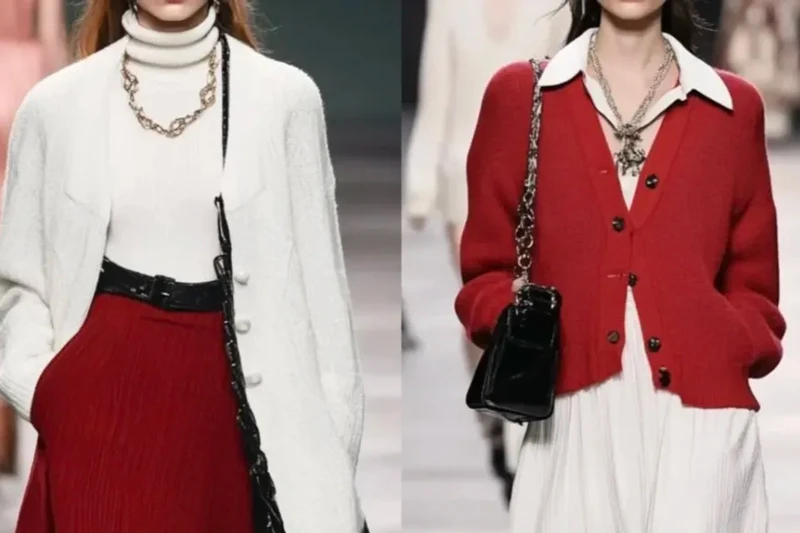
Looking at social media and photography, the red-in-snow motif frequently appears in posts and portfolios, where users capture their own interpretations of the scene. This democratization of the aesthetic shows its adaptability; it is no longer confined to high art but is part of daily life. Whether through a carefully staged photo or a spontaneous winter outing, people continue to find joy in this contrast. Its persistence suggests that some visuals transcend time, evolving while retaining their core appeal, and inviting everyone to see the world through a lens of poetic contrast.