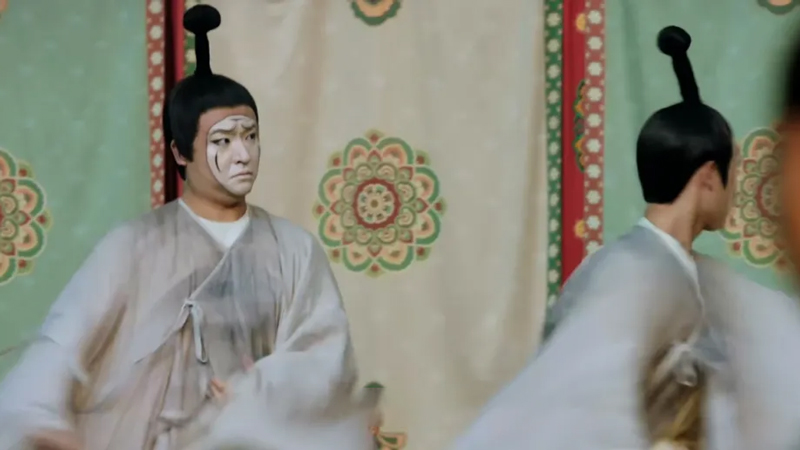
Why Did Wearing the Wrong Outfit Used to Be a Crime? Imagine living in an era where your choice of clothing could lead to public shaming, imprisonment, or even execution. Throughout much of Chinese history, what one wore was never just a matter of personal style. It was a direct reflection of social status, moral character, and political loyalty. The concept of Fuyao (服妖), or "deviant dress," was a serious social transgression. This term described any attire, including hairstyles, accessories, and makeup, that broke established sumptuary laws or challenged conventional aesthetics.
In a society governed by Confucian principles, clothing was a legible code. It told everyone who you were and where you belonged. To disrupt this code was to disrupt the social order itself, an act that authorities and the public viewed with suspicion and fear.
Defining Deviance
The historical record provides clear definitions of this phenomenon. The Book of Han (汉书) states that when customs become frivolous and people change their manners, they adopt strange and lightweight clothing, thus creating Fuyao. This was more than a fashion faux pas; it was an omen. Periods of significant social upheaval, particularly towards the end of dynasties, often saw a rise in such sartorial dissent.
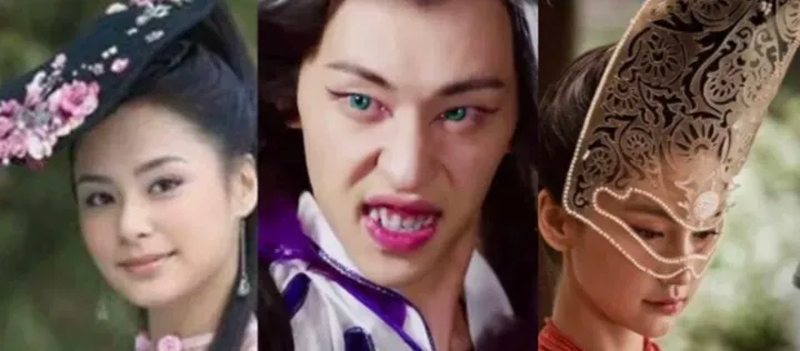
The established norms would weaken, and people would experiment with new forms of expression, which the old guard interpreted as a sign of impending chaos. The entire person, from head to toe, was subject to scrutiny. An unconventional hat, a novel hairstyle, or brightly colored shoes could all be labeled as deviant and attract severe criticism.
Color was one of the most strictly regulated aspects of dress. In modern times, we wear any color we like without a second thought. But in Imperial China, color was a powerful marker of hierarchy and power. Starting from the Sui and Tang Dynasties, the color yellow became the exclusive prerogative of the emperor. For a commoner to wear a garment of bright yellow was an act of usurpation, a challenge to the emperor's divine authority. Historical texts like the Old Book of Tang (旧唐书) explicitly forbade common scholars and citizens from using reddish-yellow or yellow in their clothing or decorations. This was not a vague guideline but a enforceable law.
Forbidden Forms
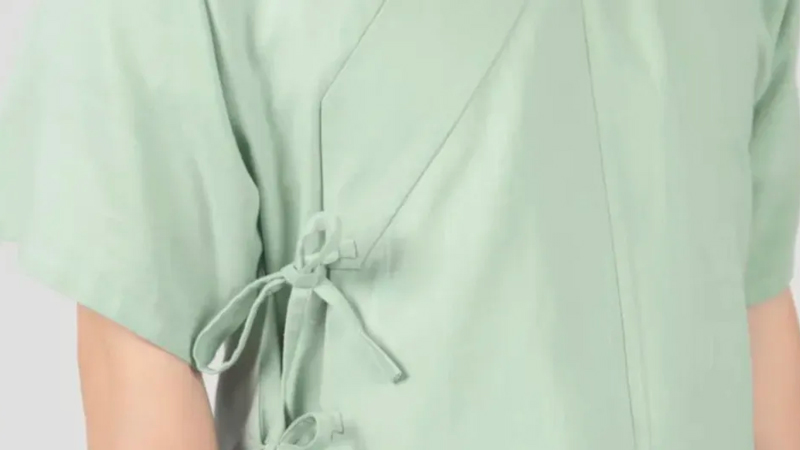
Beyond color, the very dimensions and style of clothing were subject to control. An anecdote from the Book of Jin (晋书) illustrates this perfectly. The Wei Emperor Ming once received his minister, Yang Fu (杨阜), while wearing an embroidered hat and a light, short-sleeved jacket. The minister was appalled. He directly questioned the emperor, asking what kind of ritual attire this was supposed to be. The emperor was left silent. The short sleeves, a departure from the formal, flowing robes expected at court, were recorded in history as an instance of Fuyao. The emperor's personal style was seen as a breach of courtly decorum and a bad influence on public morals.
Even popular trends could be retrospectively condemned as deviant dress if they coincided with misfortune. During the Eastern Han Dynasty, painted wooden clogs became a major fashion in the capital. Both scholars and young women loved wearing them, often decorated with five-colored strings. However, when the devastating "Proscription of Political Partisans" occurred, leading to the purge of many scholar-officials, these clogs were labeled as Fuyao. The historians of the Book of the Later Han (后汉书) drew a direct connection between the unusual footwear and the subsequent political disaster, framing the fashion trend as an early warning sign of societal collapse.
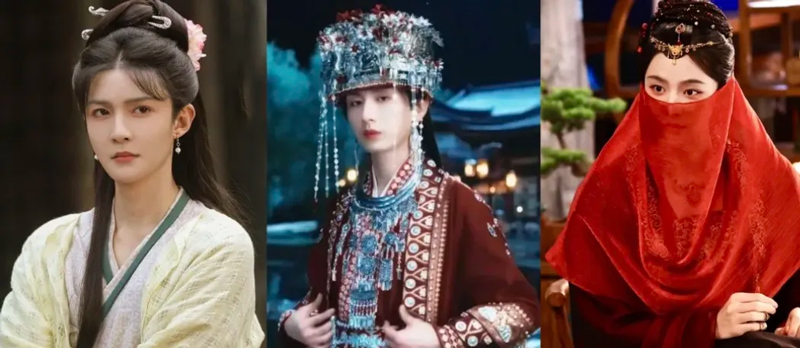
Gender boundaries in dress were also fiercely protected. The late Ming Dynasty witnessed a phenomenon that horrified conservative commentators: men wearing women's clothing. A scholar named Li Le (李乐) recorded his dismay in his personal writings. He described educated men from reading families dressing in women's red and purple silks. He lamented this inversion of roles, rewriting an old poem to express his shock: "Returning from the town, my sleeves are soaked with tears. Those clad entirely in women's attire are all learned men." This blurring of sartorial gender lines was seen not as personal freedom, but as a symbol of a world turned upside down.
Control and Consequences
The deep-seated aversion to non-conformist dress stemmed from its threat to a rigid social system. In the Confucian worldview, society functioned smoothly when everyone knew their place. Clothing was the most immediate and visible label of that place. As the saying went, "The world sees one's garments and thereby knows one's nobility or baseness." If a commoner dressed like a noble, the entire hierarchy became unstable. Therefore, what we now call "eccentric clothing" was not merely a matter of taste but a potential act of social subversion that authorities felt compelled to suppress.
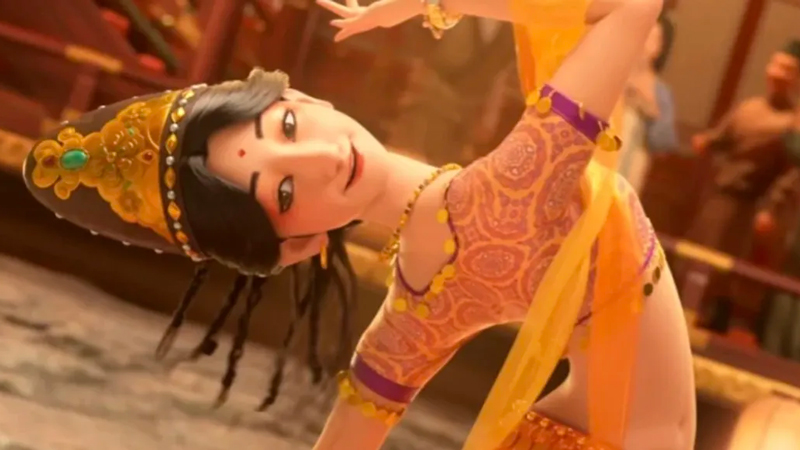
Clothing was also a potent symbol of cultural and political power. The widespread adoption of Hufu (胡服), or attire from northern nomadic cultures, during the confident and expansive Tang Dynasty showed a period of openness and cultural exchange. However, when the Song Dynasty faced military pressure from northern tribes, the same style of dress was viewed as a dangerous foreign influence. The court issued bans on Hufu, fearing that adopting the enemy's clothing would weaken their own cultural resolve. A state's relationship with foreign fashion often mirrored its geopolitical confidence or insecurity.
Today, when we see someone on the street or on a screen wearing a highly individualistic outfit, we might roll our eyes, but we rarely fear for their safety. We are fortunate to live in an age where the primary risk of a fashion misstep is a critical comment online. The freedom to express ourselves through clothing, to experiment and innovate, is a hard-won privilege. This modern "fashion freedom" is not a rejection of the past but is built upon its vast and complex cultural foundation. The historical weight of these ancient rules makes our current liberty all the more significant, offering a different way to express the depth and resilience of human culture.