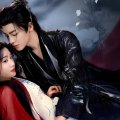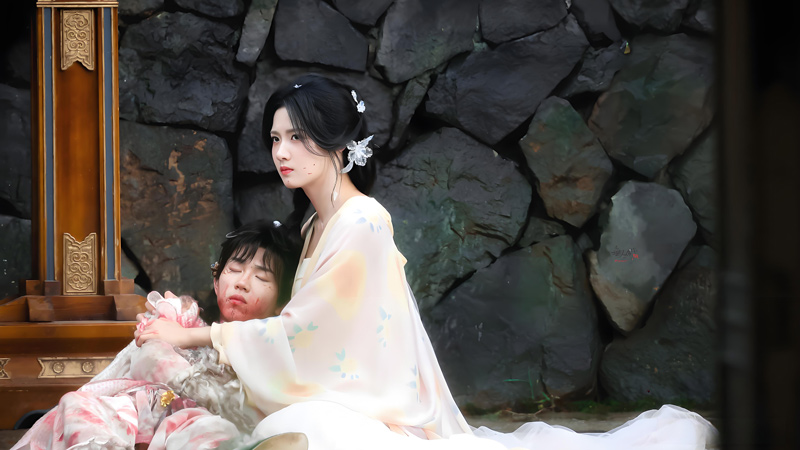
This year's historical drama offerings have largely missed the mark. Legend of The Female General (锦月如歌) leaned on romance but suffered from plot holes, while Moonlit Reunion (子夜归) became mired in predictable political grimness. The Journey of Legend (赴山海) presented visual splendor yet failed to make its characters resonate. Into this field steps Love in the Clouds (入青云), an adaptation of Bai Lu Cheng Shuang's (白鹭成双) novel that immediately distinguishes itself.
The show’s core is a clever "double strong disguise" dynamic, where central figures conceal their full capabilities. This setup drives a narrative filled with strategic tension and genuine surprises, all delivered through a polished production that values coherence over empty spectacle. Its approach feels like a direct response to audience fatigue with repetitive tropes.
Given the significant pre-release momentum, this drama is positioned to make a substantial impact. It demonstrates that the genre can still offer intelligent and engaging stories when it moves beyond established formulas.

Plot Structure Beyond Traditional Xianxia
Xianxia stories often paint worlds of epic clashes between divine and demonic forces, but Love in the Clouds chooses a different path. Set within the confined realms of He Xu Liu Jing (合虚六境), the narrative unfolds around the Qingyun Da Hui (青云大会), a pivotal event dictating spiritual energy distribution. Here, personal motives and hidden agendas take center stage, weaving a tale where redemption and growth emerge from a web of conspiracy. The drama immediately pulls viewers into a tension-filled arena, where a single defeat sets off a chain of events that challenges perceptions of heroism and villainy.
Shifting Allegiances
The story begins with a stunning upset at the Qingyun Da Hui. Ji Bozai (纪伯宰), a branded criminal from Jixing Yuan (极星渊), defeats the reigning champion Ming Yi (明意) of Yaoguangshan (尧光山). Her loss is not due to weakness but a pre-fight poisoning that sapped her strength. This victory, orchestrated by the manipulative Cang Wuyuan (苍梧渊) faction, serves their broader scheme to control the six realms. The outcome leaves her grappling with fury and suspicion, convinced he is the culprit behind her downfall.
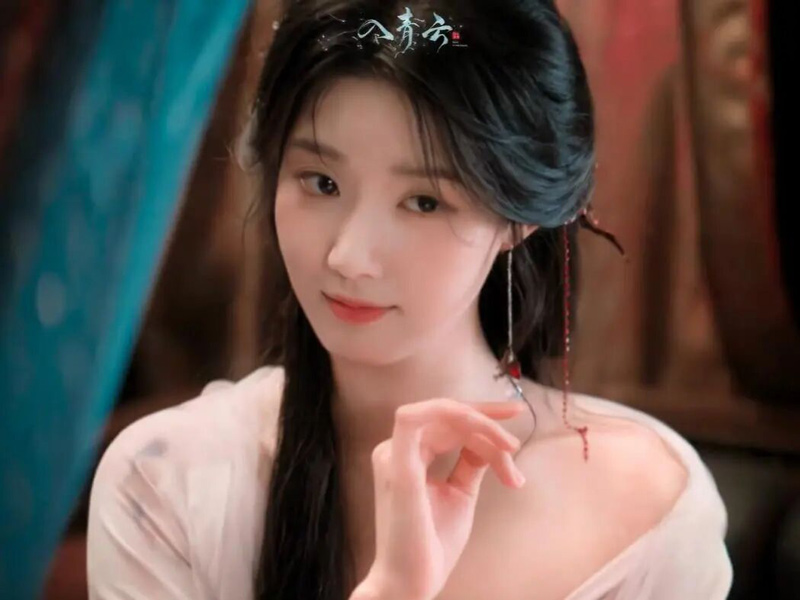
Determined to uncover the truth and secure an antidote, she sheds her warrior identity. Ming Yi disguises herself as a dancer named A Yao (阿瑶), trading armor for silk robes and swords for subtle grace. Infiltrating Jixing Yuan, she believes her act is flawless, unaware that their fates are already intertwined. In crowded halls and quiet corners, their interactions become a delicate ballet of concealed intentions and unspoken recognition.
During a performance of the Jing Hong (惊鸿) sword dance, her hidden blade nearly grazes his throat, yet he deflects it with ease. Ji Bozai maintains a carefree facade, sharing drinks and laughter while his eyes betray a sharp awareness. One night, he confronts her, grasping her weapon-hand to ask if she seeks his life or his aid. In that moment, pretense shatters, revealing two souls caught in a larger conspiracy.
Unveiling Truths
As layers of deception peel away, they discover shared wounds. Ji Bozai’s criminal status stems from false accusations tied to his family’s tragedy, and his participation in the Qingyun Da Hui is a quest for justice. Ming Yi’s poisoning not only cost her title but endangered the spiritual sustenance of hundreds under her care. Forced to rely on each other, they transition from adversaries to allies, their bond forged in facing common threats rather than romantic grand gestures.
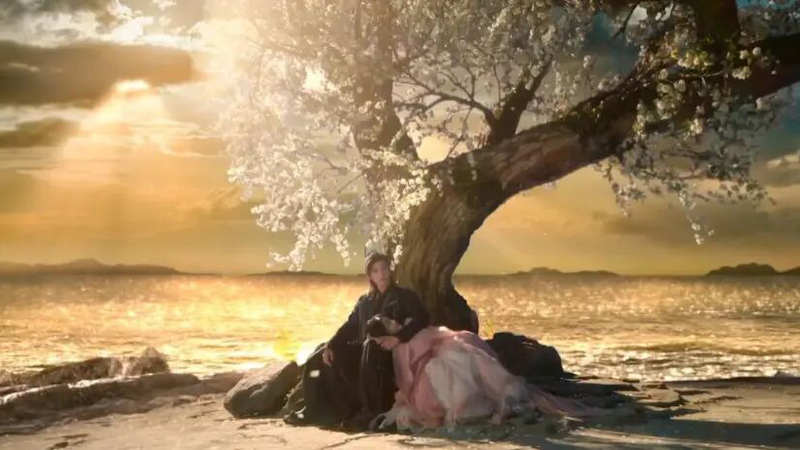
Their investigation exposes Cang Wuyuan’s grip on the realms. By rigging the competition, this faction hoards ninety percent of spiritual energy, labeling dissenters as rebels to maintain control. The revelation ignites a resolve to dismantle the oppression, leading them to rally other marginalized sects. Together, they plot to expose the corruption during the next Qingyun Da Hui, turning the event into a platform for justice.
In the final confrontation, Ji Bozai acts as bait to lure out the masterminds, while Ming Yi leads allies through spiritual barriers. Their synchronization feels instinctive, a testament to mutual trust. With the conspiracy broken, balance returns to the realms. In a quiet moment of victory, affection blossoms; it is not a dramatic sacrifice, but a natural outcome of shared struggle and understanding.

Details Revive Chinese Xianxia's Poetry
In a landscape crowded with fantasy tales, a new kind of story is being told. It does not rely on cataclysmic power or reality-bending visual effects to capture attention. Instead, it finds its strength in subtlety and a deep respect for its own internal logic. This approach builds a world that feels both wondrous and tangible, where the mystical and the mortal seamlessly intertwine. The audience is not merely shown spectacle but is invited to inhabit a space where every detail contributes to a cohesive and poetic whole.
Restrained Power
The visual effects in Love in the Clouds are defined by their believability. Instead of overwhelming the senses with flashes of raw energy, they are woven into the fabric of the environment. A prime example is the dueling platform for the Qingyun Da Hui, which floats upon a vast, shifting sea of clouds. Sunlight glints off its polished surface, and the mist feels moist to the eye. When characters clash, their sword energy parts the clouds to reveal landscapes below, conveying immense power through clarity rather than chaos.
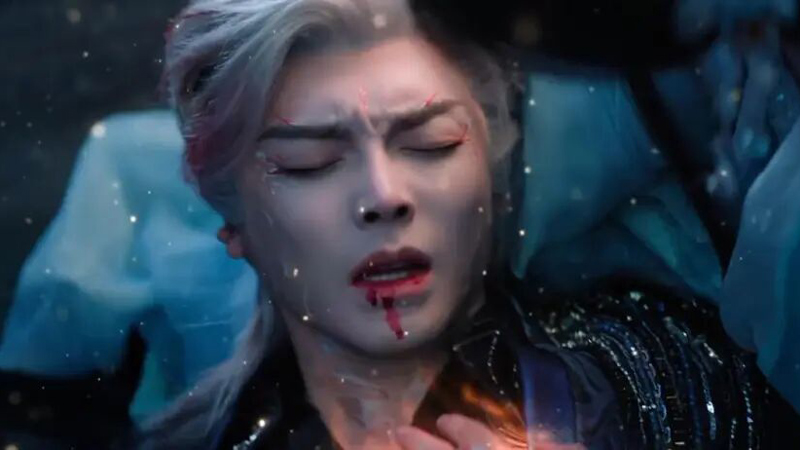
This philosophy extends to the magical abilities themselves. Ming Yi’s primary technique, the Yuehua Shu (月华术), manifests as a sword forged from moonlight. Its silver light echoes the stars in the night sky. Each movement she makes with it paints a gentle, luminous arc, a dance of celestial energy that feels elegant and potent. The effect is breathtaking not for its destructiveness, but for its harmonious beauty, suggesting a deep connection between the user and the natural world.
Most importantly, these powers carry a physical cost. When Ji Bozai employs the Fentian Jue (焚天诀), the veins on his arms glow red and bulge, his pain visibly etched onto his body. After Ming Yi uses a disguise spell, her vision temporarily loses all color. These consequences ground the magic system, preventing characters from becoming invincible gods. Their struggles feel real, making their triumphs and sacrifices more meaningful to those who follow their journey.
Woven Identity
Costumes and props act as a second layer of dialogue, silently revealing character history and evolution. Ming Yi's war armor, forged of dark iron and adorned with dragon motifs at the shoulders, projects an aura of unshakable authority. The silver threading along its edges provides elegance without hindering movement. When she stands on the battlefield in this suit, her resolute gaze completes the image of a figure who can withstand any storm.
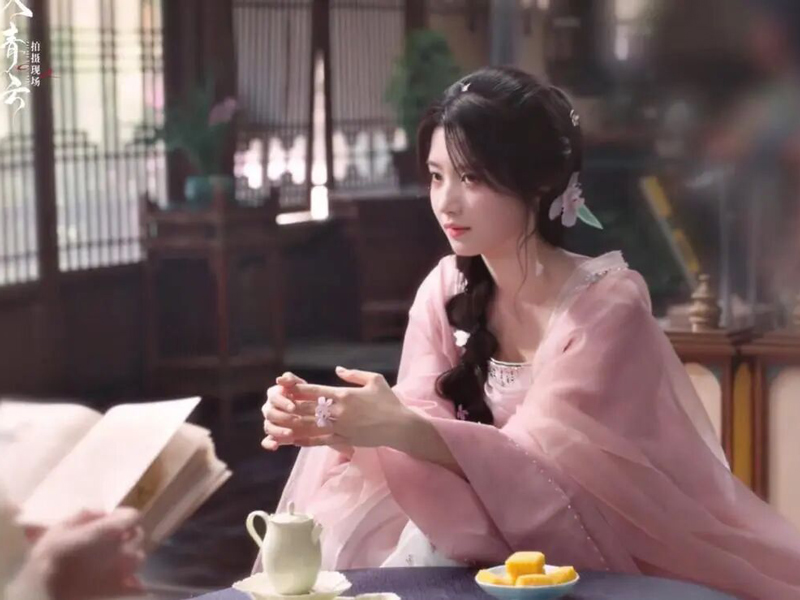
Yet, when she assumes the identity of the dancer A Yao, her attire transforms completely. She wears a light pink gauze dress embroidered with subtle silver star patterns that shimmer with her every move, as if she has woven the night sky into her gown. This outfit reflects a different facet of her identity—agile, cunning, and deliberately disarming. The contrast between her two guises is stark, illustrating her capacity for both direct confrontation and subtle strategy.
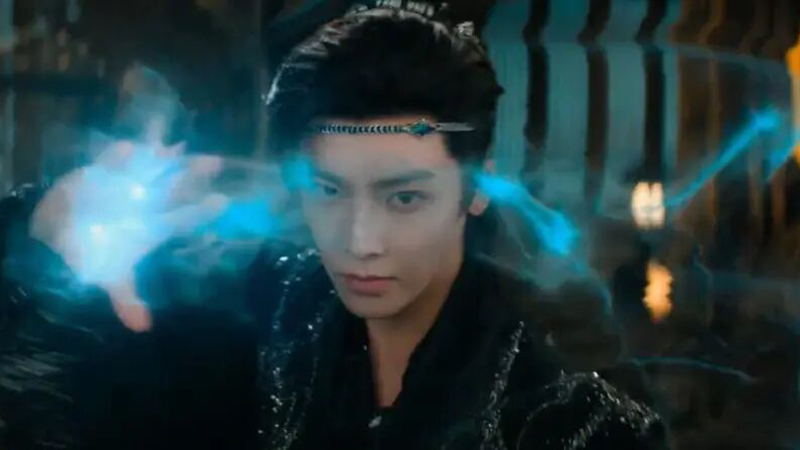
This visual storytelling continues with Ji Bozai. His clothing, primarily in black and deep grey, features faint golden patterns on his outer robe that suggest a noble past without being overt. A broken jade pendant hangs from his belt, a family heirloom and a key plot device. A short dagger on his right side serves as his constant tool for protection. These small accessories are not mere decoration; they are vital clues to his complex identity as an outcast from a prestigious lineage.
Tangible Realms
The commitment to authenticity reaches down to the most minor items. In the wine tavern at Jixing Yuan, the coarse ceramic cups bear the marks of handcrafting, each slight imperfection telling of the artisan's focus. This level of detail makes the setting feel lived-in and genuine. It suggests a world that exists beyond the immediate view of the main characters, with its own history and craftspeople.
Similarly, in the study on Yaoguangshan, the leather-bound books show natural wear along their page edges. They appear to have been handled and read by many people over time. This careful aging of props prevents the environment from feeling like a sterile set. It implies a culture of scholarship and the passage of time, enriching the world's history without a single line of exposition.
These details are the final, crucial layer in building a believable Xianxia world. They bridge the gap between the audience and the distant, mystical setting. A viewer can almost feel the texture of the ceramic cup or the soft leather of the book spine. It creates the powerful illusion that one could step into the tavern at Jixing Yuan, share a warm drink, and listen to Ji Bozai tell his story, making the fantasy feel intimately close.

Actors Bring Every Role to Life
For years, Chinese Xianxia (仙侠) television has spun tales of gods, immortals, and epic battles for the fate of three realms. Yet, this once-vibrant genre had become predictable, relying on familiar character templates and well-worn plot devices. Recently, a wave of new productions has begun challenging these conventions, offering fresh perspectives that are redefining what a celestial story can be. They are moving beyond grandiose mythological wars to focus on nuanced character dynamics and innovative worldbuilding. This shift is not a total rejection of tradition, but an evolution, proving that audiences still crave stories from immortal worlds when they are told with new vision.
Narrative Revolution
The drama Love in the Clouds exemplifies this change by reworking classic tropes. Instead of a fated romance between a powerful god and a naive mortal, it presents a sophisticated game of wits. The male lead, Ji Botian, and the female lead, Ming Yi, are both highly capable figures whose relationship begins as a mutual deception. He sees through her disguised identity but chooses to play along, while she remains unaware that he knows her secret.
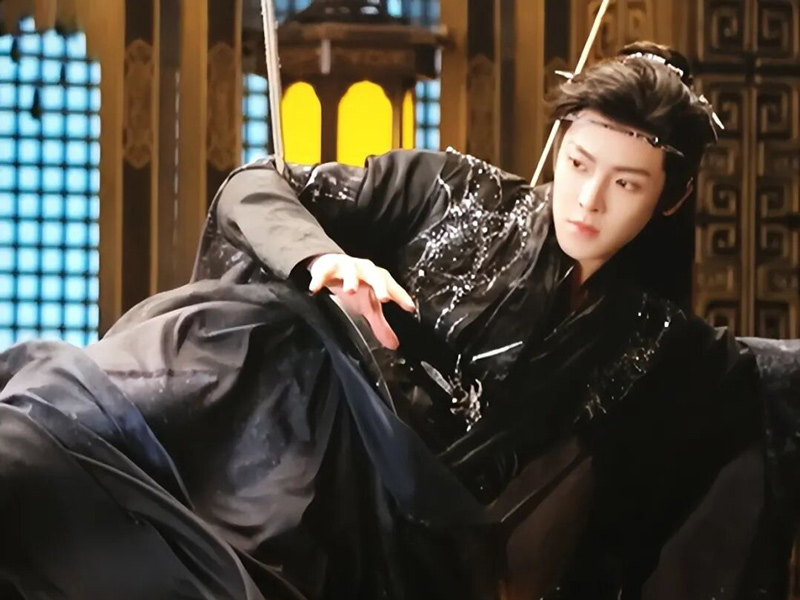
The storytelling further subverts expectations by employing what critics call a "peeling an onion" approach to character development. Both leads are shrouded in layers of disguise and hidden motives. The audience's understanding of them deepens gradually, much like one of Ming Yi's missions where she must unravel a mystery piece by piece. This method prioritizes revelation and growth over static, archetypal personalities, making their journey of moving from suspicion to trust more compelling than any large-scale battle scene.
This narrative focus marks a significant departure from the "bigger is better" mentality. By concentrating on a tighter plot within the distinctive "Hexu Six Realms (合虚六境)," the series ensures every scene carries weight. The emotional payoff comes not from world-shattering stakes, but from finely observed moments in the complex relationship between its two brilliant leads.
The Power of Performance
Breathtaking visuals in Xianxia are a given, but the new wave underscores that true immersion comes from believable characters. The actors in Love in the Clouds are praised for delivering layered performances that bridge the gap between the fantastical setting and human emotion. Hou Minghao (侯明昊), who plays Ji Botian, masterfully depicts his character's duality, shifting from a feigned dissolute youth to a shrewd strategist with subtle changes in expression and body language.
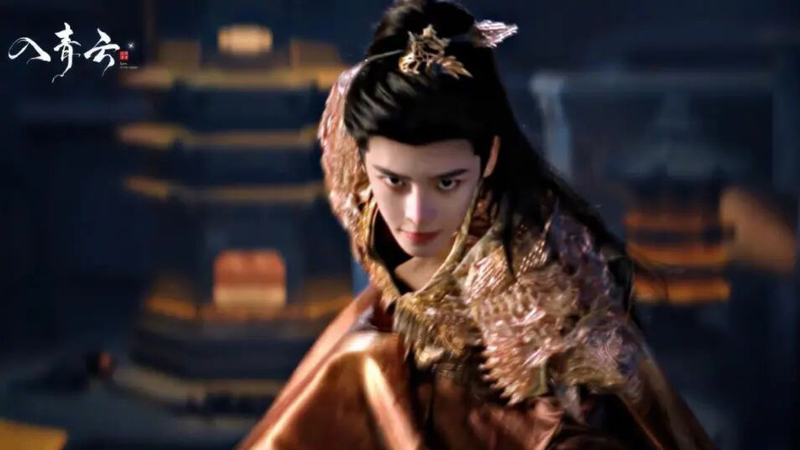
Similarly, Lu Yuxiao's (卢昱晓) portrayal of Ming Yi requires her to embody both a formidable warrior and a delicate dance performer. She reportedly spent three months training in swordplay and classical dance to make her character's physicality authentic. In one critical scene, she seamlessly transitions from a charming entertainer to a determined assassin, her eyes shifting from charming to cold resolve in an instant. This commitment to physical and emotional truth makes the character's journey credible.
The emphasis on performance extends beyond the main cast. Supporting characters are also given depth, their own motivations and restrained emotions adding rich layers to the story. This collective dedication to acting ensures that the intricate plot is supported by genuine human—or immortal—experience, allowing the audience to connect on a deeper level than special effects alone could ever achieve.
Aesthetic Foundations
While some series seek novelty, others find innovation by digging deeper into tradition. The drama The Feud (临江仙) has garnered attention for its profound integration of Chinese cultural heritage. The production team built elaborate practical sets for over 70% of its scenes, drawing from Lingnan architecture and ancient painted designs to create a tangible, majestic world. This commitment to physical craftsmanship provides a visual authenticity that green screens often lack.
The most striking fusion of culture and narrative is found in the use of leathercraft flowers. These are not mere accessories but integral elements of the storytelling. Created using the intangible cultural heritage skill of leather carving and sculpting, each piece undergoes a complex process of carving, dyeing, and shaping. The resulting flowers are both delicate and durable, serving as potent metaphors for the characters' resilience. Their creation process mirrors a character's own journey of being tempered and polished through hardship.
This approach transforms traditional craft into a dynamic narrative language. The leather flowers, along with costumes inspired by Dunhuang murals and custom-made weaponry, root the celestial fantasy in a specific cultural reality. The production moves beyond a vague "ancient Chinese" aesthetic to build a fantasy world that feels authentically and magnificently Chinese, demonstrating how cultural depth can be a series' most spectacular effect.

Summary
Love in the Clouds is a 2025 Chinese fantasy romance drama starring Hou Minghao and Lu Yuxiao. The story is set in the mystical realm of He Xu Liu Jing, where a skilled but imprisoned fighter, Ji Bozai (Hou Minghao), defeats the seven-year reigning female war god, Ming Yi (Lu Yuxiao), at the annual Qingyun Grand Assembly.
After being poisoned and weakened, Ming Yi disguises herself as a dancer to get close to Ji Bozai, hoping to find a cure. Unbeknownst to her, Ji Bozai sees through her deception. This begins a complex relationship built on mutual schemes and hidden identities, where both characters possess "800 cunning ideas" each. Their initial manipulation gradually evolves into genuine feelings, creating a captivating push-and-pull dynamic.
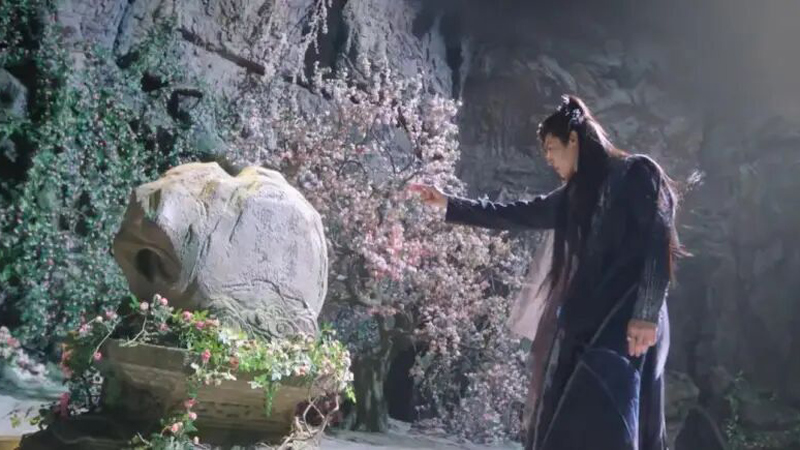
The drama is praised for its cinematic quality and visual aesthetics, featuring exquisite traditional Chinese costumes and set designs that serve as a visual feast. The narrative is not just a simple love story but also involves political intrigue among six different realms.
Adapted from Bai Lu Cheng Shuang's popular novel, Love in the Clouds offers a refreshing take on the Xianxia genre with its "double strong" lead characters who are equally matched in intelligence and strategy. The stellar performances, particularly the nuanced portrayal of their characters' emotional conflicts and growing attraction, have been highly commended.