Many viewers of historical television dramas often assume that in ancient China, a person simply tying up their hair signified they were married. This common belief, perpetuated by on-screen portrayals, oversimplifies a rich cultural practice. Hairstyles in ancient times carried deep symbolic meanings related to age, social status, and etiquette, rather than just marital status. This article delves into the true significance of these traditions, separating fact from fiction and exploring how modern media has reshaped our understanding. By examining historical records and contrasting them with contemporary depictions, we can appreciate the nuanced roles that hairstyles played in daily life and ceremonies.
Coming of Age
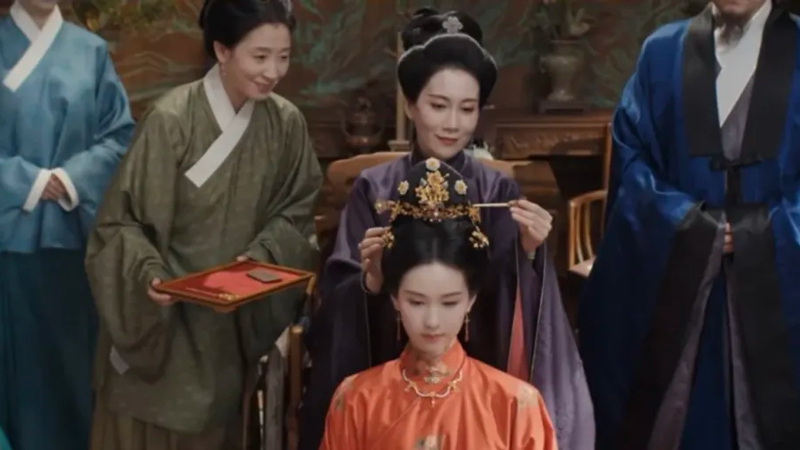
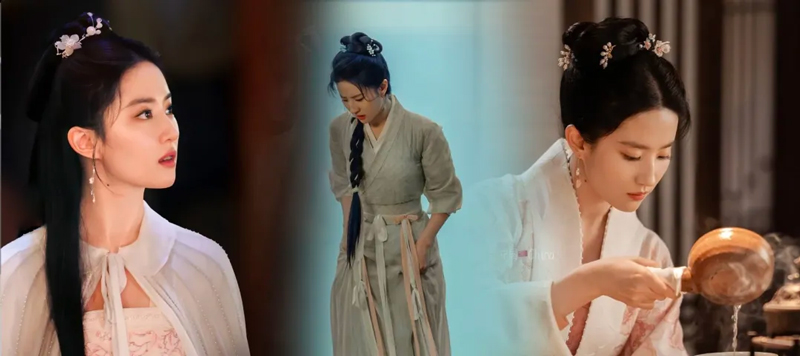
In ancient China, the transition to adulthood was marked by formal ceremonies that involved specific hairstyle changes. For young women, the Ji Li (笄礼) occurred around ages fifteen or sixteen, while young men underwent the Guan Li (冠礼) at approximately twenty years old. These rituals were essential in signaling that an individual had reached maturity and was ready to take on adult responsibilities within society. Families, especially those with means, would organize these events to announce their child's coming of age to relatives and neighbors, often leading to discussions about potential marriages. However, the act of tying up hair did not automatically mean one was married; it primarily indicated that the person was no longer a child and adhered to societal norms of etiquette and presentation.
The physical transformation during these ceremonies involved carefully arranging the hair into buns or knots, using accessories like hairpins or crowns. For women, this meant moving away from loose, flowing styles to more structured forms, such as coiled updos secured with decorative items. Men would use crowns or other headpieces to keep their hair neatly in place. This change was not merely cosmetic; it reflected Confucian values that emphasized order, respect, and distinction from what was considered uncivilized or "barbarian" practices. In this context, maintaining tidy hair was a daily obligation for adults, symbolizing self-discipline and cultural refinement, whether one was single or married.
Beyond the ceremonies, hairstyles served as a visual language in social interactions. For instance, children were allowed to wear their hair loose or in simple braids during their early years, but as they grew, even partial tying was encouraged to avoid the appearance of neglect. Historical accounts describe how individuals who reached adulthood but remained unmarried would still uphold these hairstyle standards to fit into community expectations. Thus, the practice was deeply embedded in the fabric of ancient life, influencing everything from personal identity to broader cultural norms, and it highlighted how appearance was intertwined with moral and social duties.
Screen Portrayals
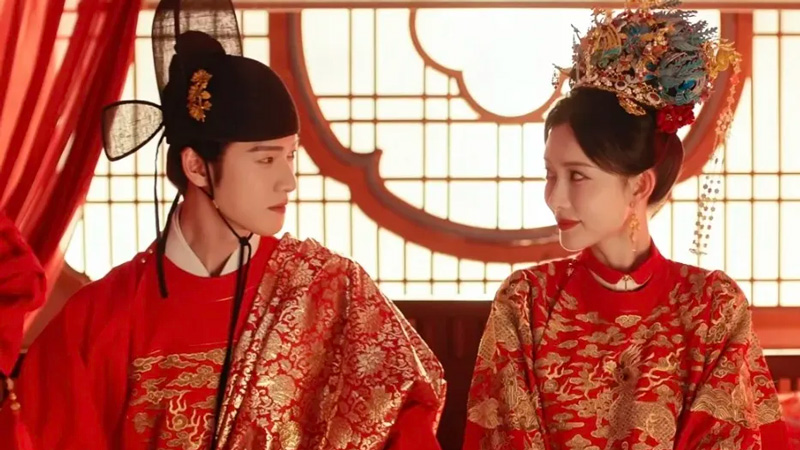
Modern historical dramas often take creative liberties with hairstyles, leading to widespread misconceptions among audiences. In many popular shows, female characters are depicted with half-down hairstyles or loose locks even after marriage, which contradicts historical accuracy. This artistic choice is frequently made to maintain a youthful and appealing look for actors, as fully tied hair might be perceived as too mature or less visually striking. For example, in productions like Story of Yanxi Palace (延禧攻略), characters may sport blended styles that mix braids with loose hair, primarily to emphasize their innocence or beauty rather than their marital or adult status.
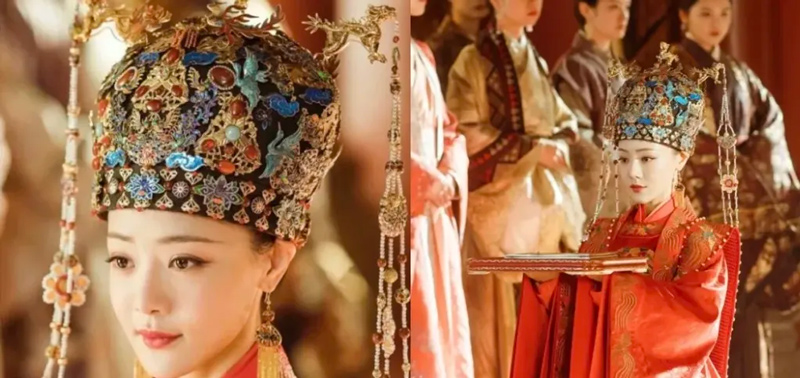
The reasons behind these inaccuracies stem from production demands and audience preferences. Directors and costume designers prioritize aesthetics to enhance viewer engagement, sometimes sacrificing historical fidelity. This results in scenarios where characters skip traditional adult ceremonies altogether or wear inappropriate hairstyles for their age and social context. Such portrayals can blur the lines between childhood and adulthood, making it difficult for viewers to discern the true cultural significance behind these customs. Over time, this has fostered a simplified view that equates any hair change with marriage, ignoring the broader implications of age and etiquette.
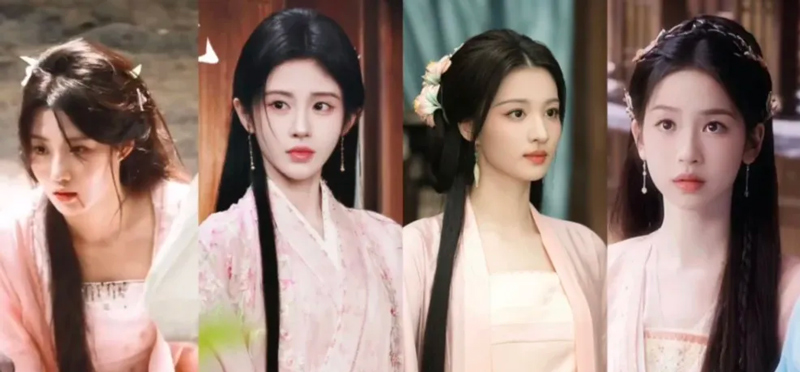
Despite these distortions, some dramas attempt to incorporate authentic elements, though they are often exceptions. The impact of these portrayals extends beyond entertainment; they shape public understanding of history and culture. By recognizing these discrepancies, viewers can develop a more critical perspective and appreciate the efforts of historians and cultural experts to preserve these traditions. Ultimately, while screen adaptations make history accessible, they also remind us of the importance of balancing creativity with educational value to avoid perpetuating myths about ancient practices.