Article
搜索结果:
-
The Royal Collar: How a Song Dynasty Neckpiece Ruled the Court
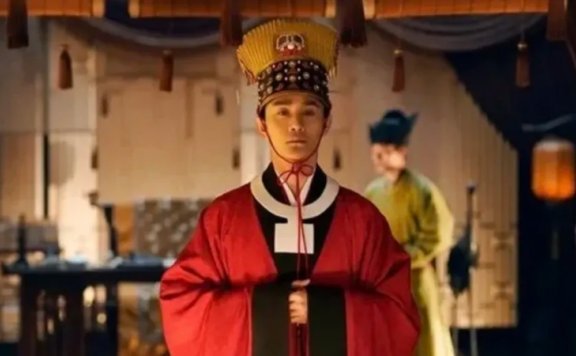
In the historical drama Serenade of Peaceful Joy (清平乐), a peculiar white neckpiece adorns the robes of officials, instantly capturing the modern viewer's eye. To contemporary audiences, it might resemble an odd fashion accessory or even a pet's collar. But this item, far from mere decoration, was a powerful instrument of state authority. Its correct name is the Fangxin Quling (方心曲领), and its story is one of rigid hierarchy, cosmic symbolism, and physical discipline within the imperial system. A Mark of Rank Not every official in the Song Dynasty could wear the Fangxin Quling. Its privilege was reserved by law for those of the seventh rank and above, specifically those entitled to wear a certain type of ceremonial undergarment. This regulation, documented in texts like the Book of Sui (隋书·礼仪志七), made it a clear, visual demarcation between high-ranking central bureaucrats and lower-level local magistrates. It was a badge of inclusion within the empire's most powerful administrative circle. This was not a Song invention. The collar's institutional origins can be traced back to the Sui and Tang dynasties, evolving from more complex ceremonial attire. The Song court fully standardized and codified its use, embedding it firmly within the formal court robe… -
Pearls on Screen and Silk: Did a Song Dynasty Trend Just Go Viral?
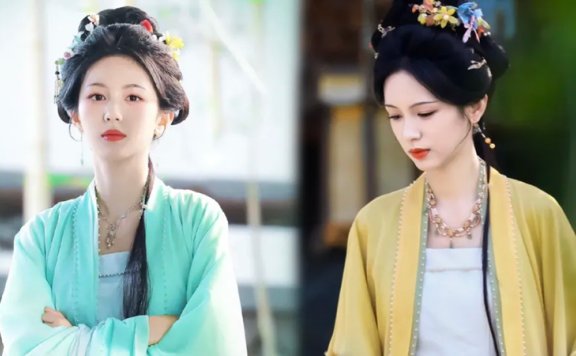
A recent period drama photo has set the internet abuzz. In stills from the upcoming series Yi Ou Chun (一瓯春), actress Zhou Ye’s (周也) costumes feature a striking detail: hems and seams meticulously edged with pearls. Online commentators were quick to praise the exquisite craftsmanship, with many marveling at the advanced aesthetic sensibilities of ancient China. This isn't just a random design choice; it’s a direct homage to a specific and lavish fashion trend from the Song Dynasty (960–1279 AD). The shimmering trim is a recreation of Zhu Luo (珠络, pearl edging), a practice that saw pearls adorn everything from the collars and cuffs of formal robes to the seams of luxurious garments. This rediscovery highlights a timeless fascination with pearls and reveals how a royal decree, sumptuary laws, and sheer love for beauty shaped fashion a millennium ago. Courtly Sparkle The use of Zhu Luo was a definitive marker of elite status during the Song era. Its application was widespread and extraordinarily detailed. Portraits of empresses from the period show them in wide-sleeved ceremonial robes where pearls trace every edge, from the crown and face ornaments down to the hems of their shoes. Historical records describe specific garments, like… -
10 Actors Elevating Historical Drama Performances with Looks and Skills
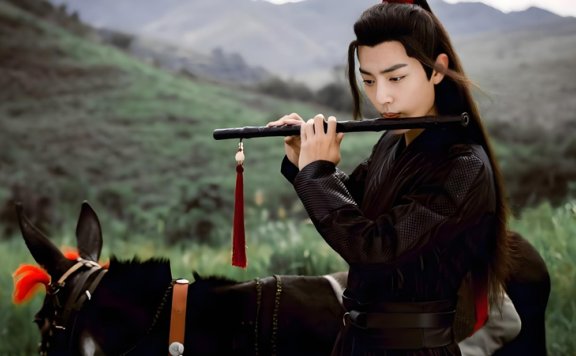
Television screens glow with a particular kind of magic when a performer truly belongs in the past. The Gu Zhuang Ju (古装剧) hinges not just on ornate costumes, but on actors who wear history with innate grace. They move with a learned poise, their presence feeling both authentic and elevated, turning each scene into a living portrait. From the restrained intensity of one star in The Promise of Chang'an (长安诺) to the gentle resilience another brings to One and Only (周生如故), these artists do more than recite lines. They build worlds. Their performances bridge centuries, making ancient struggles and joys feel immediate, reminding viewers why these stories endure. Luo Yunxi (罗云熙) For actor Luo Yunxi, the historical role is an exercise in physical poetry. His presence is often described as possessing an otherworldly grace, a quality that turns costume into second skin and movement into narrative. This is not mere posture, but a complete fusion of actor and archetype, where every gesture carries intention. His performance in the series Whispers of Fate (水龙吟) marked a shift. Here, the elegant immortal was replaced by the grounded resolve of a Wuxia hero. He performed demanding fight sequences under arduous conditions, believing physical… -
Standout Chinese Historical & Fantasy Dramas of 2025
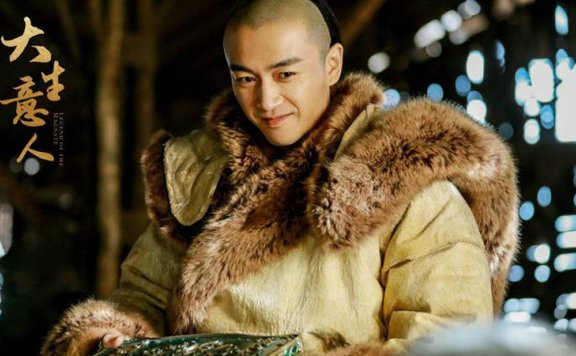
The year 2025 promises a rich harvest for Chinese period and fantasy drama, offering audiences not just escape into the past, but deep immersion into meticulously constructed worlds. This season’s standout series move beyond generic palace intrigues or simplistic romances, instead grounding their narratives in the specific textures of commerce, magic, and forensic science. From the clink of silver in merchant guilds to the whisper of ancient spells and the silent testimony of a corpse, each story finds its power in granular detail and specialized domains. Legend of the Magnate (大生意人) Aired: 2025 Period Background: Late Qing Dynasty, Xianfeng (咸丰) reign onwards Genres: Historical, Business Saga, Drama Main Roles: Chen Xiao (as Gu Pingyuan), Sun Qian (as Chang Yu'er) Adapted from: Original script The late Qing Dynasty was a cauldron of upheaval. Gu Pingyuan (古平原), a scholar falsely accused in the imperial examinations, finds himself exiled to Ningguta (宁古塔), a remote penal colony. His journey, however, becomes a detour into a different kind of arena. A chance encounter with an old merchant, Chang Si (常四), ignites his latent acumen. Starting from the precarious margins of the salt and tea trades, he navigates a world governed not by Confucian classics but… -
6 Must-Watch Dramas: Ancient China’s Hidden Worlds
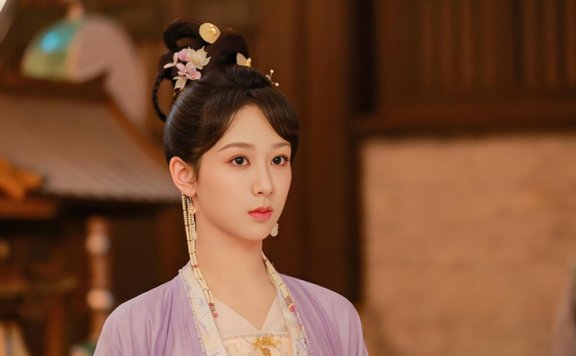
While modern audiences often associate historical Chinese dramas with palace intrigues or fantastical romances, a new wave of storytelling is pushing into grittier, more specialized territories. These series are moving beyond familiar frameworks to examine specific institutions, professions, and social structures of the past, offering a fresh lens on history. They blend meticulous period detail with narrative tension, creating worlds that feel both authentically distant and compellingly immediate. The following six upcoming series exemplify this trend, each carving out a distinct niche within the broader historical and Xianxia landscape. Win or Die (夜不收) Win or Die shifts the focus from the Forbidden City's glittering halls to the wind-swept, perilous frontiers of the Ming Dynasty. This series delves into the world of military intelligence and covert operations during a fragile peace. Period Background: Ming Dynasty, during the Wanli (万历) reign. The setting is the tense border regions between Ming forces and the Oirat Mongols, a landscape of shifting alliances and latent conflict. Genres: Historical, Military, War, Espionage Main Roles: Jing Boran (井柏然) portrays Chen Guang (陈广), the stoic and capable commander of a "Win or Die" unit. Wu Xingjian (吴幸键) plays Qiao Sanyi (乔三一), his protege, tasked with a mission that… -
The Masterful Plot and Cast of The Vendetta of An
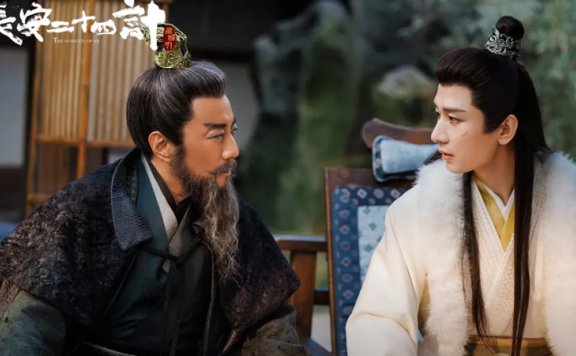
Can a historical drama thrive on cunning strategy and raw vengeance alone? The new series The Vendetta of An (长安二十四计) argues a resounding yes. Diverging from the romantic fantasies flooding the market, this show plants its flag firmly in the territory of high-stakes political intrigue and personal retribution. Its premiere has ignited fervent discussion, positioning it as a potential dark horse in the year-end lineup. The appeal lies not in lavish costumes or fantastical elements, but in a grounded, relentless narrative driven by complex characters portrayed by a formidable ensemble cast. It is a stark, compelling reminder of the power of a well-told story of revenge. A Cast of Calculated Performances The series' greatest strength is its collective acting prowess. Cheng Yi (成毅) shatters his previous youthful image to portray Xie Huai'an (谢淮安), a man transformed from a brilliant prodigy into a patient schemer burning with a ten-year-old grievance. His performance is a masterclass in restraint, where simmering rage and profound hurt are conveyed through a subdued gaze and measured delivery rather than overt outbursts. A line like "I cannot bear to see any of my enemies meet a good end" lands with chilling precision because of the quiet intensity… -
Zhang Linghe’s Feathered Helmet in Pursuit of Jade
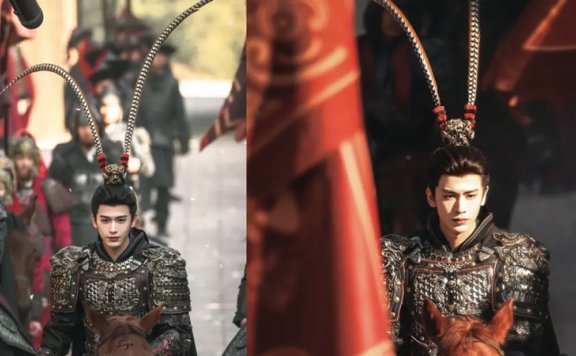
Have you recently scrolled past a historical drama photo where a young actor's helmet is crowned with two wildly long, colorful feathers? This exact image of actor Zhang Linghe (张凌赫) from the costume drama Pursuit of Jade (逐玉) set the internet abuzz. Fans were instantly reminded of the iconic Monkey King, Sun Wukong (孙悟空), leading many to joke, "Has ancient costume drama borrowed the Great Sage's style?" This striking headdress, far from a modern fantasy invention, is a deliberate callback to a deep and symbolic tradition in Chinese performance arts. Known as pheasant feathers or "Zhijiling (雉鸡翎)", these plumes are more than decorative flair. They are a dynamic language of their own, whispering tales of character, status, and millennia of cultural evolution directly from the wearer's brow. Roots in Ritual and Battle The story of these feathers begins not on stage, but in ancient ceremony. Their earliest traceable lineage connects to the ritual dances of the Zhou Dynasty, governed by the strict codes of Zhou Li (周礼). In these performances, particularly the esteemed "Ba Yi (八佾)" dance reserved for imperial rites, dancers held ceremonial implements called "Di (翟)." These were often crafted from the long, iridescent tail feathers of pheasants, symbolizing… -

Why Zhang Yaqin’s Era-blending Outfit Divided the Internet
When actress Zhang Yaqin (张雅钦) recently appeared in a Hanfu ensemble, the internet divided. For some, it was an immediate callback to her role as Lu Yuan (陆鸢) in the time-travel drama An Ancient Love Song (古相思曲). For many others, the look missed the mark, feeling disjointed and overly busy. Why did this particular outfit, rich in historical references, fail to resonate? The answer lies not in a lack of beauty, but in a collision of eras. Her styling became a textbook case of how mixing distinct historical aesthetics without a unifying vision can create visual confusion, pulling the observer out of the immersive fantasy such clothing aims to build. Historical Harmony Lost The most striking issue is the temporal dissonance. Her hairstyle is a Shuang Huan Wang Xian Ji (双鬟望仙髻), a high, twin-loop style popular during the Wei, Jin, and Northern and Southern Dynasties, often seen in deity and court lady paintings. This ethereal look was complemented by dangling side locks, or Chui Shao (垂髾), enhancing the otherworldly vibe. However, the hairpins tell a different story. She wore two styles of Buyao (步摇), or step-shakers. One was a Western Han design, its dangling beads meant to sway gently with… -
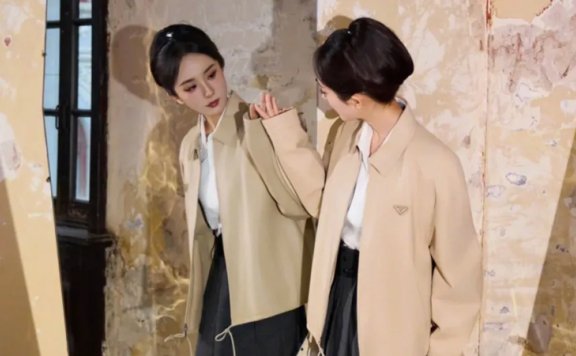
Why Yang Mi's Hair Buns Are Sparking a Fashion Reshape?
A recent public appearance by actress Yang Mi ignited a fiery online debate. Her choice? A meticulously crafted traditional Chinese hair bun paired not with a Qipao or modernized Hanfu, but with a crisp, contemporary blouse. Critics were quick to declare the mix a mismatch, questioning the logic behind blending a classical hairstyle with Western-style fashion. Yet, this seemingly simple style clash touches on deeper questions about tradition, modernity, and who gets to define the rules of cultural expression. Is this a fashion faux pas, or a bold step towards redefining a heritage art form for a new generation? A Historical Journey The Chinese hair bun, or Ji (髻), is far more than a hairstyle. Its history is woven into the fabric of social rites and personal identity. In ancient China, the act of a young woman putting up her hair for the first time during the Jiji Li (及笄礼), or Hair Pinning Ceremony, was a pivotal rite of passage into adulthood. This transformation from loose locks to a secured bun was a powerful social symbol. Archaeological evidence suggests the practice dates back to the Neolithic Age, evolving significantly through dynasties. The Han Dynasty favored soft, low-hanging chignons that conveyed… -
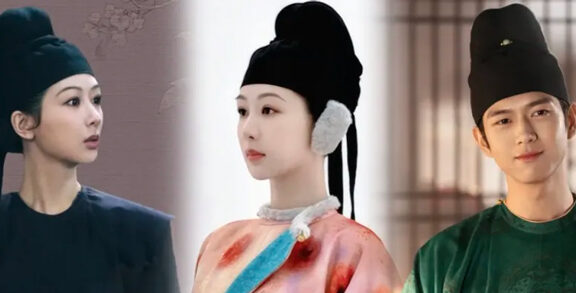
What a Tang Dynasty Hat Tells Us
In many television series set against the backdrop of the Tang Dynasty, like the popular drama Flourished Peony (锦绣芳华), audiences often notice the distinctive headwear worn by characters. This item, which might look oddly familiar to a modern eye, is called a Futou (幞头). It was the most common form of male headgear during that era, a simple yet sophisticated piece of cloth that evolved into a powerful symbol of identity and status. Far from being a static fashion item, its transformation mirrors the social and cultural currents of one of China's most celebrated dynasties. More Than Just Cloth The Futou originated as a practical headscarf. Its basic form involved wrapping a piece of black silk or linen around the head. There were two primary methods: the soft wrap and the hard wrap. The soft wrap was for everyday use, where the cloth was tied directly onto the head, conforming to its shape. The hard wrap was more structured. It required a stiffened base, known as a Jinzi (巾子), placed on the head first. The cloth was then wrapped over this frame to create a more pronounced and formal shape. The style of the Jinzi changed noticeably over time. In… -
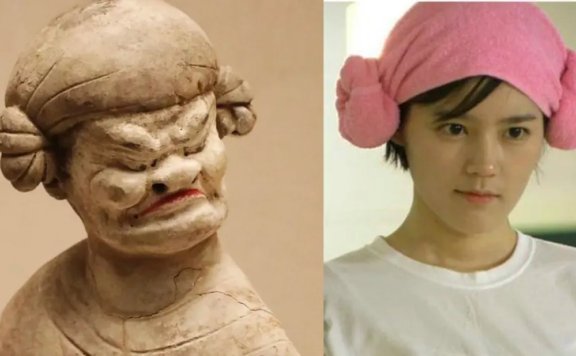
Was That K-Drama Hair Towel Worn in Tang China?
Viewers of recent Korean dramas have been charmed by a peculiar styling choice: characters often lounge at home wearing what looks like a bath towel twisted into playful “sheep horns” on their heads. This trend, sparking countless social media tutorials, feels distinctly modern. Yet a recent archaeological revelation suggests this playful accessory has a precedent over a millennium old and thousands of miles away. A painted grey pottery figurine from a Tang Dynasty tomb is wearing what appears to be the very same style, challenging our assumptions about novelty and tracing a fascinating thread through fashion history. An Ancient Discovery The figurine was excavated from the tomb of Mu Tai (穆泰), a border defense general during the Tang Dynasty. His burial site, located in Qingcheng (庆城) County, contains clear evidence of cultural exchange between Han Chinese and northern nomadic traditions. The statue’s headwear is the standout feature: two distinct, cloth-like protrusions curve upward from the sides of the head, strikingly similar to the twisted “sheep horn” towel look popularized on screen today. Scholars quickly identified this not as a typical Han Chinese crown, but as a form of Fanmao (蕃帽), or “foreign cap.” These caps, referenced in Tang and Song… -
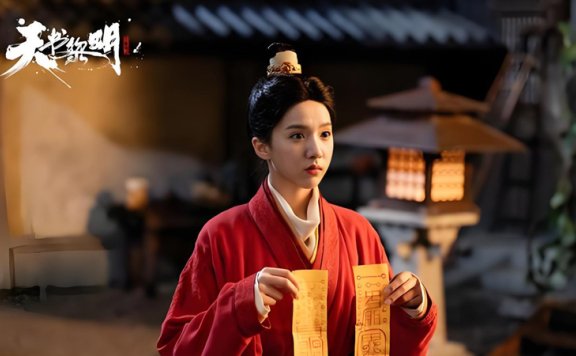
Is Treasure at Dawn the Best Mystery Show You're Not Watching?
A new period mystery series quietly premiered on national television, yet its arrival stirred little immediate fanfare. Treasure at Dawn (天书黎明) features young investigators using ancient medical wisdom to solve crimes, a premise that seemed ripe for attention. Starring Li Hongyi (李宏毅), Su Xiaotong (苏晓彤), and Yu Cheng'en (余承恩), the show promised a blend of historical intrigue and Traditional Chinese Medicine (TCM) unlike anything else on air. Despite its creative ambitions, viewer numbers have been modest, leaving many to wonder if this unique drama has been prematurely overlooked. What happens when a detective's toolkit contains not a magnifying glass, but acupuncture needles and herbal formulas? A Novel Prescription The series immediately distinguishes itself through its core investigative method. The story begins with a mass poisoning at a medical gathering. Li Hongyi's character, Fu Sheng (符生), a young physician, finds himself the prime suspect after his mentor dies clutching a rare medicinal ingredient. To clear his name, he must rely on the Yellow Emperor's Inner Canon (黄帝内经), applying diagnostic principles like observation, listening, questioning, and palpation to crime scenes. A discolored tongue coating or an irregular pulse becomes a vital clue. In the opening episodes, over twenty specialized TCM terms are… -
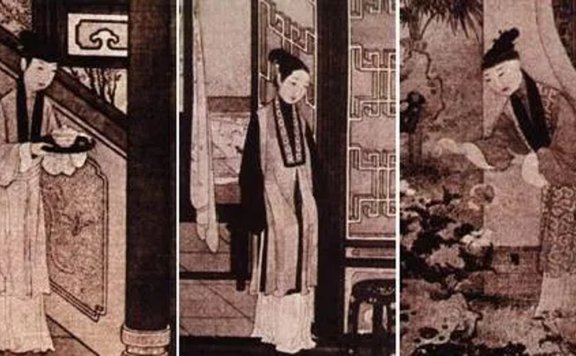
How Did a Humble Riding Jacket Become the Runway Star of the Ming Dynasty?
Imagine a garment so versatile it bridged the gap between the dusty plains and the gilded halls of imperial palaces. This was the journey of the Bijia (比甲), a sleeveless jacket that evolved from a Mongol practical essential into a defining icon of Ming Dynasty fashion. Its story is not merely one of changing hemlines and fabrics, but a fascinating reflection of cultural exchange, social mobility, and aesthetic innovation. By tracing its path, we uncover how clothing can transcend its original purpose to become a canvas for identity and artistry. Saddle to Street The Bijia's origin is rooted in utility. Designed during the Yuan Dynasty under Empress Chabi (察必) of the Khongirad tribe, its primary function was to facilitate riding and archery. The classic design featured a front opening secured by ties, no sleeves or collar, and a back panel longer than the front. This ingenious cut protected the rider's core from wind while allowing complete freedom of movement for the arms. Initially, it was apparel for the steppe and the aristocracy, a common sight in the Yuan court but rare among the general populace. Following the Yuan-Ming transition, one might have expected this distinctly Mongol garment to fade. Instead,… -
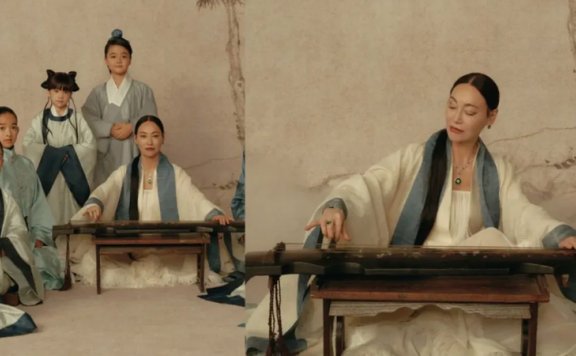
Can a Tang Dynasty Sleeve Walk the Modern Red Carpet?
A photograph stops the scroll. Actress Hui Yinghong (惠英红), a figure synonymous with cinematic gravity, stands not in a contemporary gown but wrapped in the sweeping lines of a traditional Daxiushan (大袖衫). The image sparked immediate fascination: the grand-sleeved robe, a relic of ancient Chinese elegance, was worn not as a historical costume but as a striking modern outer layer. This was not a museum piece but a living garment. The public reaction was a mix of surprise and admiration, highlighting a collective realization. Here was a tangible bridge between a profound aesthetic past and the dynamic language of present-day style. This single sartorial choice posed a compelling question about the very nature of tradition—is it a boundary to be preserved, or a foundation to be built upon? Historical Silhouettes The Daxiushan is far from a monolith; its form evolved across dynasties, each cut telling a story of its time. In the luxurious courts of the Late Tang and Five Dynasties periods, its most dramatic iteration emerged: a robe with a front hem reaching the waist or knees, while the back cascaded into a long, trailing train. Paired with high-waisted skirts, this created an unmistakable silhouette of flowing, dignified movement,… -
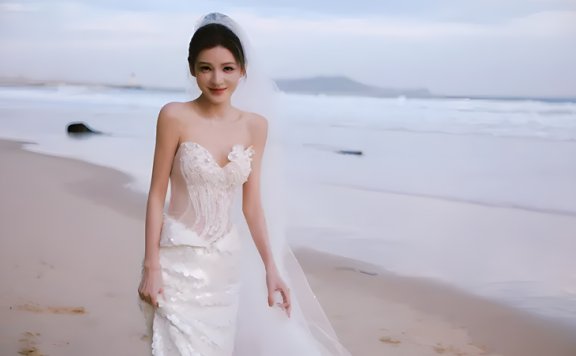
Zhang Yuxi’s Ocean-Inspired Gown Reshapes Bridal Fashion
A recent photoshoot featuring actress Zhang Yuxi (张予曦) has captivated social media, not for a new drama role, but for a breathtaking interpretation of bridal wear. Set against the backdrop of a windswept beach, the images present her not merely as a bride, but as a mythical figure emerging from the sea itself. The series transcends conventional wedding photography, framing a narrative where fashion, nature, and personal expression converge into a single, powerful visual statement. This isn't just a dress photographed near the ocean; it is a gown conceptually born from it, challenging traditional notions of bridal sanctity with a wave of liquid romance and effortless grace. The Gown as Art At the heart of this spectacle is the dress itself, a masterclass in thematic design. The sweetheart neckline bodice, embroidered with pearls and delicate feather-like motifs, catches the light with a subtle, shimmering effect. This careful embellishment creates the illusion of sunlight dancing on water, a direct translation of the ocean's sparkle into wearable art. The fabric appears alive, its texture and details meticulously crafted to echo the natural environment surrounding her. The silhouette is a defining feature. A fitted mermaid cut flares into a cascading train of layered… -
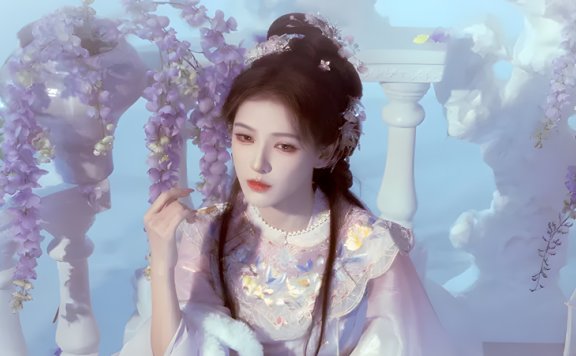
Zhang Yuxi’s Fusion of East and West Aesthetics
The image stopped countless scrolling fingers mid-motion. There, bathed in the ethereal lavender haze of blooming wisteria, stood actress Zhang Yuxi (张予曦), transformed. At 34, she was not merely wearing a costume but embodying a vision, a seamless blend of person, place, and tradition. Her photoshoot, set against the unexpected backdrop of European-style architecture draped with cascading purple flowers, became an overnight sensation. It was more than a celebrity fashion spread; it was a statement. This moment captured a powerful contemporary dialogue between a modern Chinese woman and an ancient sartorial art form, suggesting that true elegance is not bound by era or age, but is a living, breathing continuum. A Portrait in Violet The genius of the look lies in its meticulous harmony. Zhang Yuxi's Hanfu is a soft symphony in powdered lavender and plum, its delicate embroidery tracing floral patterns that seem to echo the living wisteria around her. The ensemble avoids ostentatious grandeur, opting instead for a refined, almost poetic grace. A pivotal detail is the outer robe, trimmed with a subtle, downy fringe. This touch adds a tangible texture and depth, preventing the flowing silks from appearing flat, and introduces a whisper of delicate luxury. Every… -
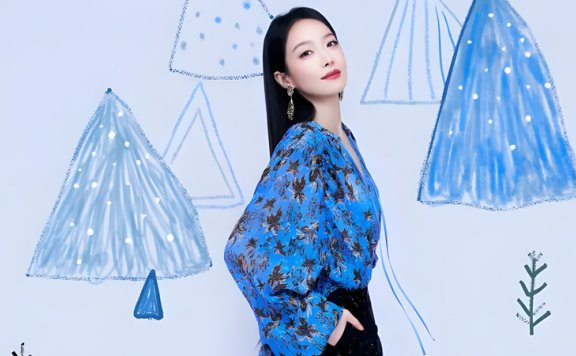
What Makes Song Qian's Bold Blue-and-Black Look So Electrifying?
A recent public appearance by singer and actress Song Qian (宋茜) has set fashion forums ablaze. Her outfit, a masterclass in confident color blocking, immediately commands attention. It’s a look that doesn’t just walk into a room—it announces its arrival. By pairing a vibrant, patterned blouse with a sleek, minimalist skirt, she achieves a balance that feels both daring and perfectly controlled. This ensemble transcends a simple style choice; it represents a deliberate fashion statement from an artist known for her sartorial intelligence. Deconstructing the Top The foundation of the look is the sapphire-blue floral blouse. This isn't a shy pastel, but a rich, jewel-toned piece that makes a powerful first impression. The print adds a layer of complexity, preventing the solid color from feeling overwhelming. A deep V-neckline introduces a hint of allure, skillfully balanced by the shirt's overall structure. This detail draws the eye while maintaining an air of sophistication. Further elevating the top are its thoughtful design elements. Gently gathered sleeves create a soft, blousoned effect that contrasts with the sharpness of the short skirt. This subtle volume adds movement and a touch of romance to the silhouette. A delicate drawstring at the neck or waist allows… -
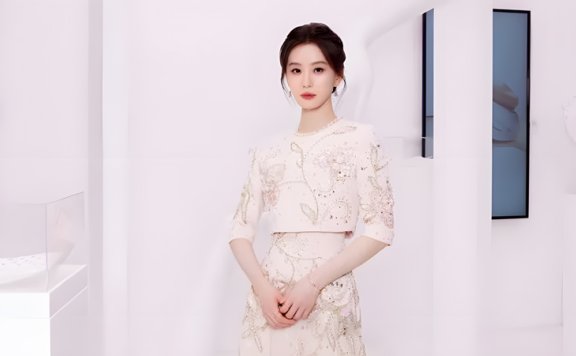
What Makes Liu Shishi’s Pink Tulle Gown a Modern Fairytale?
When Liu Shishi (刘诗诗) recently appeared in a pale pink tulle gown, the internet momentarily stopped scrolling. The image, set against a soft ink-wash background, felt like a living painting—a delicate fusion of classical China elegance and contemporary romance. This was not merely a red-carpet moment; it was a statement. Her look transcended typical celebrity fashion, offering a quiet manifesto on how tradition can converse with modern design. It presented a question many now ask: how can one wear history without being trapped by it? Liu Shishi’s answer, woven into every stitch of that gown, is proving profoundly influential. The Dress Speaks The gown’s power lies in its nuanced details. The shade, reminiscent of early cherry blossoms, softened her silhouette and enhanced her innate poise. Delicate pearl edging at the neckline provided a subtle lift of sophistication, avoiding any hint of ostentation. The true marvel was the intricate embroidery—golden branches and leaves meticulously crafted across the skirt, resembling a fine Gongbi (工笔) painting brought to life on fabric. This element rooted the dress firmly in an artistic heritage while its sheer tulle layers kept it ethereally modern. Strategic design choices amplified a specific grace. The half-sleeves gently suggested rather than… -
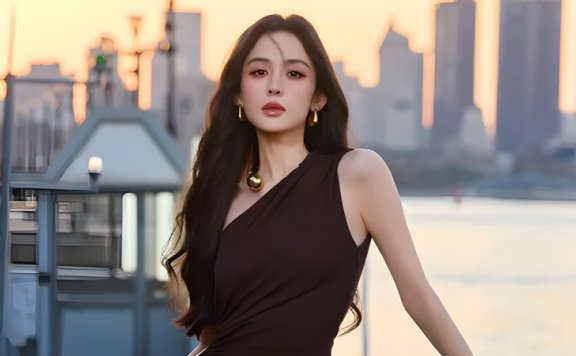
Nazha’s Chocolate Gown Against the Twilight Riverside Canvas
What happens when fashion becomes a language of its own, speaking through silhouette, light, and landscape? A recent series of photographs featuring actress Nazha (娜扎) offers a compelling answer. Captured against the backdrop of a dusk riverside, she is dressed in a deep chocolate brown, one-shoulder gown. The images transcend mere celebrity photography, resembling carefully composed painterly frames where human form and environment engage in a silent, elegant dialogue. This is not just a display of attire but a statement on modern elegance, where subtlety and precision create an impact far greater than overt spectacle. A Dusk Canvas The location is as crucial as the attire. The fading golden hour light by the river provides a soft, diffuse glow that naturally enhances the rich, chocolate hue of the gown. This warm, natural spotlight illuminates Nazha's complexion and adds a layer of cinematic depth to the scene. The water's surface, reflecting the twilight sky, creates a serene and expansive canvas, making the figure appear both grounded and ethereal. The choice of this setting demonstrates a sophisticated understanding of how environment frames fashion, transforming a photoshoot into a narrative moment suspended in time. The gown itself is a masterpiece of understated design.… -
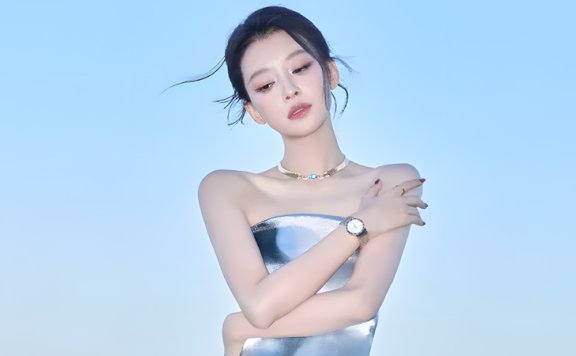
How a Silver-Blue Gown by the Sea Reshape a Star's Image
The shoreline is a photographer's favorite canvas, but it is rare for an actress to become one with its nocturnal poetry so completely. In a recent photoshoot, Sun Yi (孙怡) achieved this, wearing a gown that seemed spun from moonlight and sea foam. The images captured more than a beautiful woman in a beautiful dress; they framed a moment of stylistic alchemy. This was not merely a fashion choice, but a deliberate step in a public evolution, where fabric, light, and persona fused to create an iconography far removed from her earlier public identity. The Dress as Character The centerpiece was a metallic silver-blue gown, a garment that acted as both armor and allure. Its cold, sleek satin reflected light like shifting water, changing hue with every subtle movement. The strapless neckline presented a sculptural quality, framing Sun Yi's shoulders and collarbone with elegant severity. This was not a dress meant for frivolity; it carried a narrative weight, reminiscent of a celestial being or a noble figure from a Wuxia epic, dignified and untouchable. Its architecture was masterful. A fitted bodice and high waist accentuated her slender frame, while the skirt flared into a soft A-line silhouette. This classic shape…