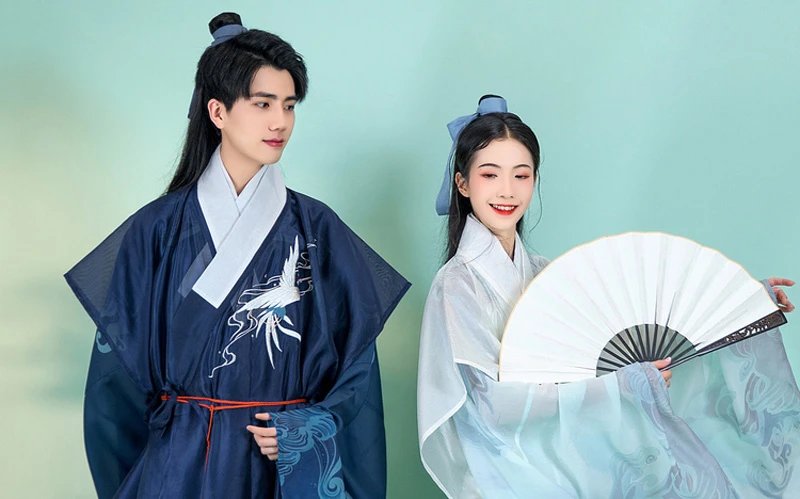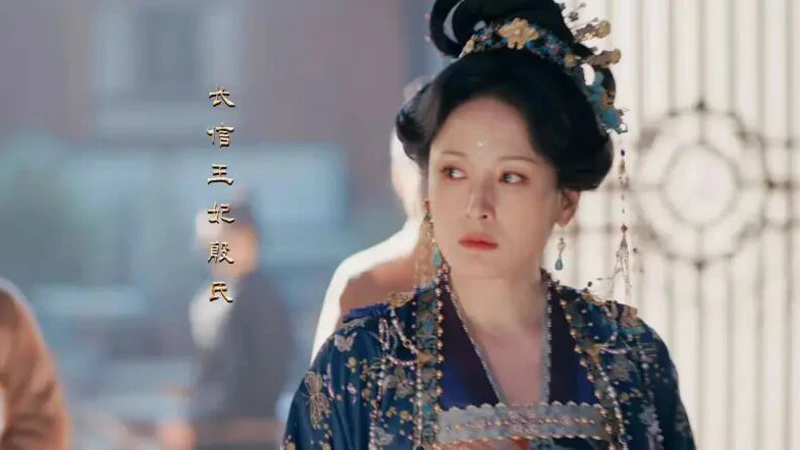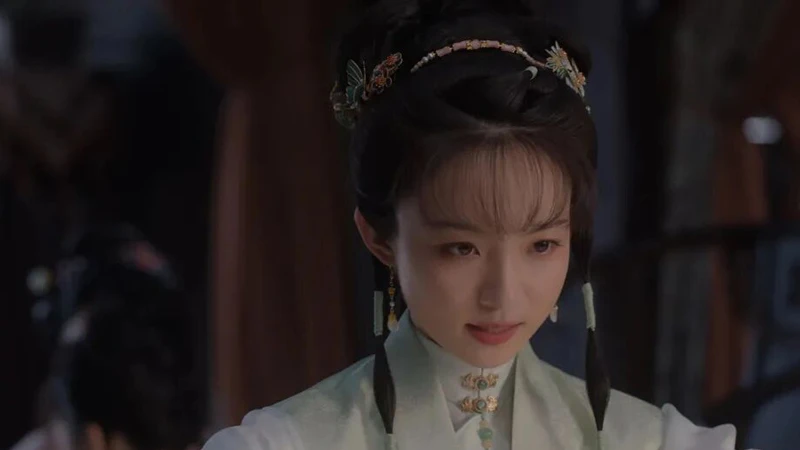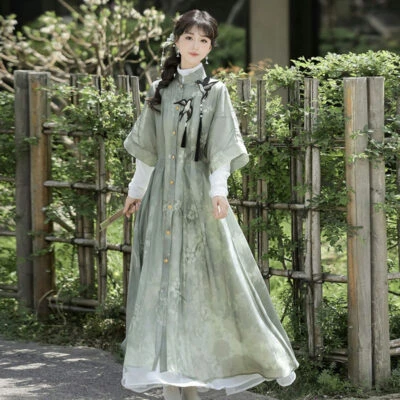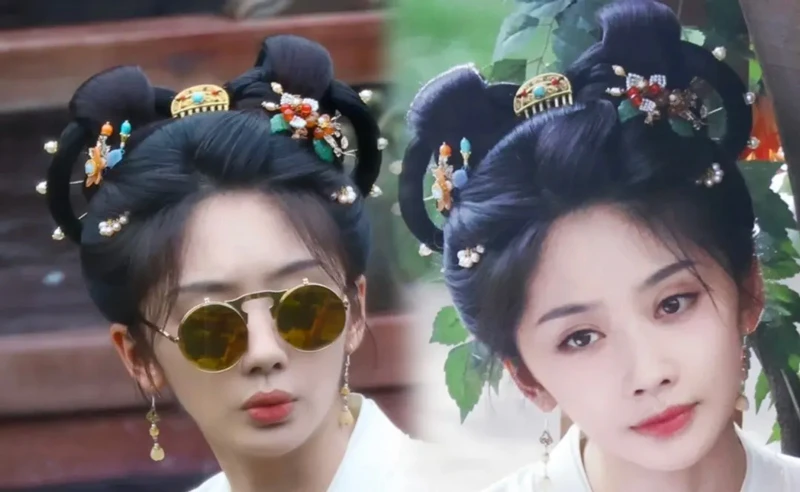
In the captivating world of historical Chinese dramas, Yummy Yummy Yummy (宴遇永安) has sparked a wave of admiration for its attention to authentic details, particularly through the character Bao’er Jie (宝儿姐) played by Wang Yinglu (王影璐). Her hairstyle, often described as irresistibly youthful, has become a talking point among viewers and fashion enthusiasts alike. This look, rooted in ancient traditions, showcases how classic elements can feel fresh and modern. It draws from a style known as the Shuang Huan Ji (双鬟髻), a double loop bun that historically symbolized innocence and youth.
As audiences delve into the drama’s visual storytelling, they uncover layers of cultural depth that connect past and present. The appeal lies not just in aesthetics but in the storytelling power of such details, making characters like Bao’er Jie relatable and vibrant. This resurgence of interest highlights a broader trend where historical accuracy meets contemporary beauty standards, inviting everyone to appreciate the artistry behind these designs.
Ancient Origins
The Shuang Huan Ji hairstyle traces its roots to early Tang Dynasty China, with evidence from artifacts and texts indicating its use among young girls and servants. In historical contexts, this style was practical for those with less hair volume, as it involved twisting strands into two loops secured with simple pins or threads. References from the Southern and Northern Dynasties period show similar designs, emphasizing its long-standing association with youth. For instance, depictions in ancient art often feature children wearing this bun, symbolizing purity and playfulness. Over time, it evolved but retained its core elements, reflecting societal norms where hairstyles denoted age and status. The durability of this look across centuries speaks to its functional and symbolic roles in daily life.
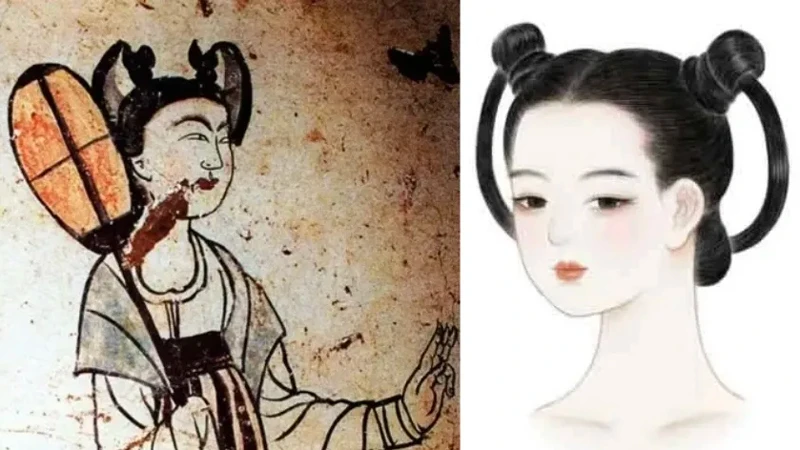
Another related style, the Guan Fa (丱发), shares similarities but is often simpler, with loops that appear more casual and sometimes include dangling strands near the ears. This variation was particularly common for very young girls, as noted in classical literature like the “Dance Rhapsody” from the Liang Dynasty. The text describes maidens with this hairdo, highlighting its role in marking the transition from childhood. Unlike more elaborate adult hairstyles, these designs prioritized ease and mobility, allowing wearers to engage in activities without hindrance. This practicality made them a staple in historical wardrobes, and today, they offer a glimpse into the lived experiences of people from that era.
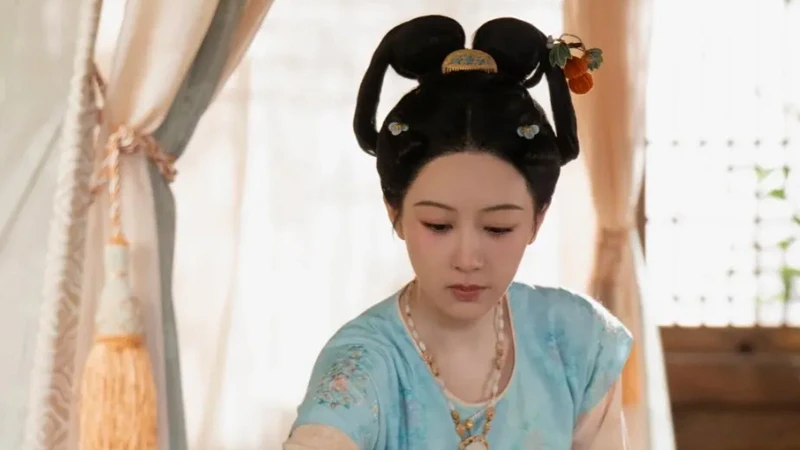
In modern interpretations, dramas like Yummy Yummy Yummy and Flourished Peony (国色芳华) have revived these styles, adapting them to fit character narratives. For example, in Flourished Peony, actress Yang Zi’s (杨紫) version of the bun uses minimal accessories, creating a subdued effect that aligns with her role’s demeanor. This contrasts with Wang Yinglu’s rendition in Yummy Yummy Yummy, where added pearls and floral pins introduce a touch of elegance. Such variations demonstrate how small changes can alter perceptions, from humble to refined, while staying true to historical foundations. This adaptability ensures the hairstyle remains relevant, appealing to audiences who value both authenticity and creativity.
Styling Secrets
Creating the Shuang Huan Ji involves straightforward steps that begin by dividing the hair into two sections, similar to pigtails, and then twisting each into a ring shape secured at the crown. The ends are tucked or pinned to form neat loops, with adjustments in tightness influencing the overall look—looser styles convey a playful air, while tighter ones appear more structured. This method allows for customization based on hair texture and personal preference, making it accessible for various occasions. In historical times, materials like wooden hairpins or silk threads were common, but modern versions might use bobby pins or elastic bands for durability. The process emphasizes simplicity, enabling even those new to traditional styling to achieve convincing results.
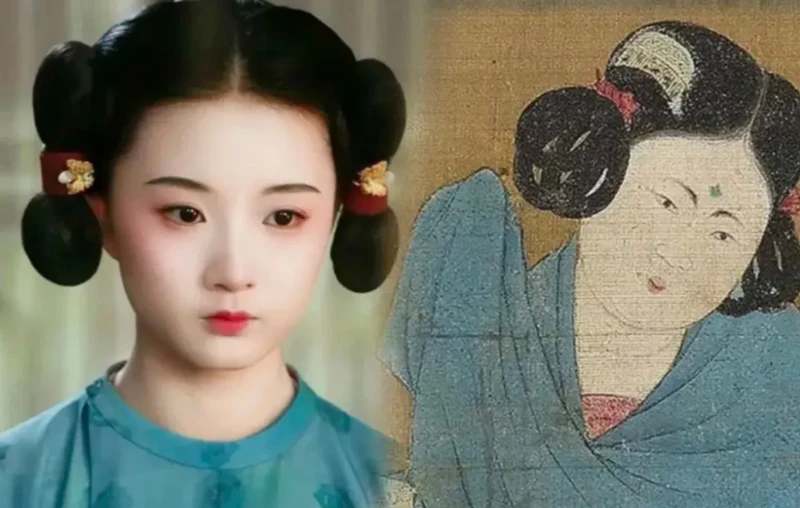
Variations of this hairstyle, such as the double drooping loop bun, introduce elements like downward-hanging loops that enhance movement and whimsy. These adaptations often feature in theatrical or festive settings, where dynamic visuals are key. By shifting the position or size of the loops, stylists can evoke different eras or social roles—for instance, wider-set loops might suggest a cheerful, outgoing character, while closer ones imply restraint. This flexibility has made it a favorite in period dramas, where it helps define personalities without words. Additionally, the style’s ease of modification encourages experimentation, allowing wearers to blend historical accuracy with personal flair.
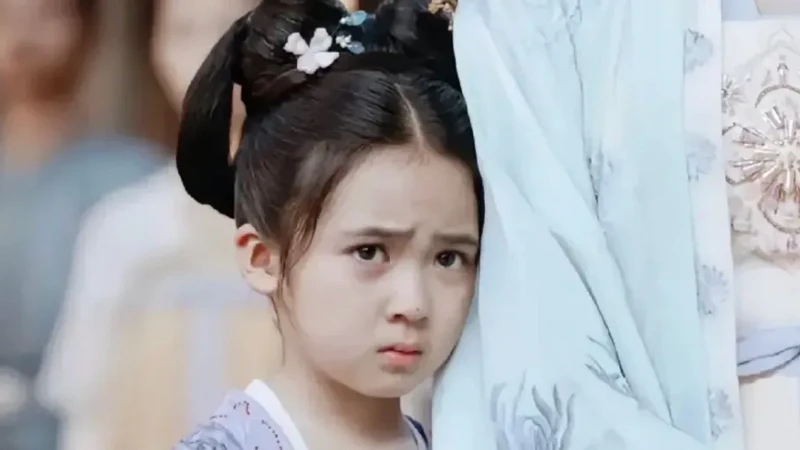
For contemporary audiences, this hairstyle offers a bridge to cultural heritage that feels engaging and practical. Parents, in particular, find it appealing for children, as it is gentle on hair and quick to assemble. Social media platforms buzz with tutorials showing how to adapt it for everyday wear, proving that ancient techniques can fit modern lifestyles. The enduring charm of the Shuang Huan Ji lies in its ability to tell stories through form, connecting generations through a shared appreciation for beauty and history. As more people explore these styles, they contribute to a living tradition that continues to evolve.