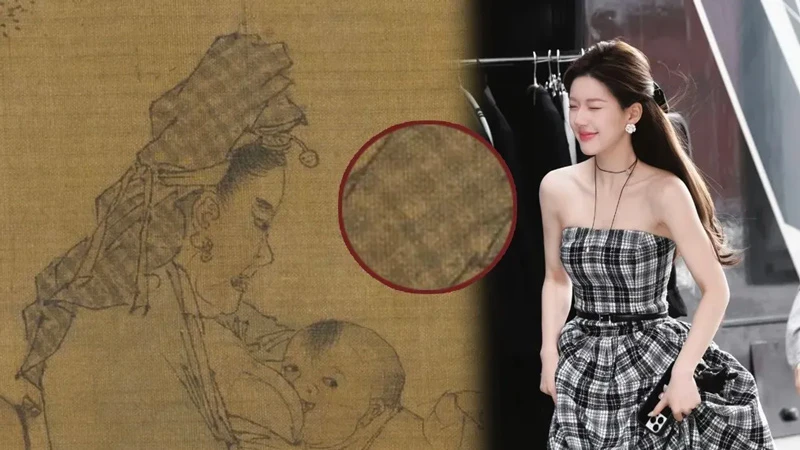
When we think of plaid, images of Scottish kilts and British fashion often come to mind, but what if this iconic pattern has a much older origin? Recent archaeological discoveries in China reveal that checkered designs were flourishing there nearly 3000 years ago, during the Western Zhou Dynasty (西周), long before such styles became synonymous with the West. This finding challenges common perceptions and invites us to rethink the narrative of global fashion history. Artifacts from regions like Hami (哈密) showcase bold, intricate plaid patterns that rival modern aesthetics, highlighting a sophisticated textile tradition.
As we delve into these ancient traces, it becomes clear that plaid is not just a Western import but a shared human innovation, with roots that span cultures and millennia. This revelation not only sparks curiosity but also encourages a deeper appreciation for China’s rich cultural contributions, urging us to see beyond stereotypes and celebrate these historical connections.
Ancient Patterns
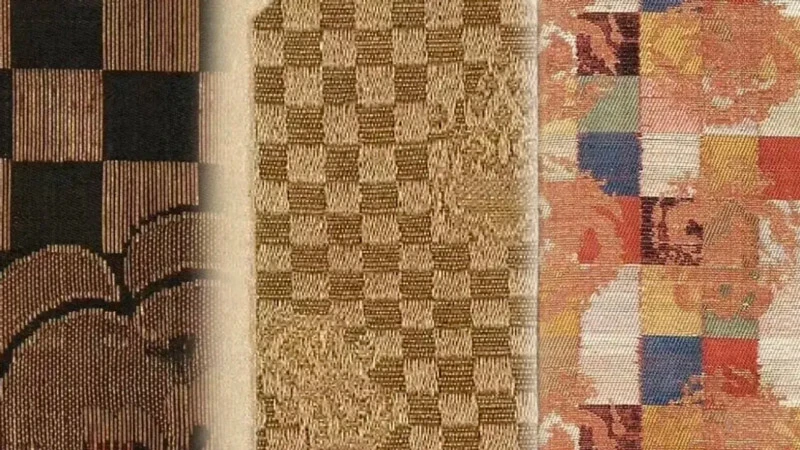
Excavations in the Hami area have unearthed textiles from the Western Zhou era featuring vibrant plaid and wave motifs. These artifacts, dating back to around 1000 BCE, display a range of colors and geometric precision that defies the notion of simple ancient craftsmanship. For instance, some fragments show alternating thick and thin lines in checks, similar to contemporary designs, proving that early weavers mastered complex dyeing and weaving techniques. This evidence places China at the forefront of textile innovation long before similar patterns emerged in Europe, where organized societies were still in their infancy. The discovery not only rewrites fashion timelines but also emphasizes the global nature of human creativity, where basic patterns like plaid arise independently across civilizations.
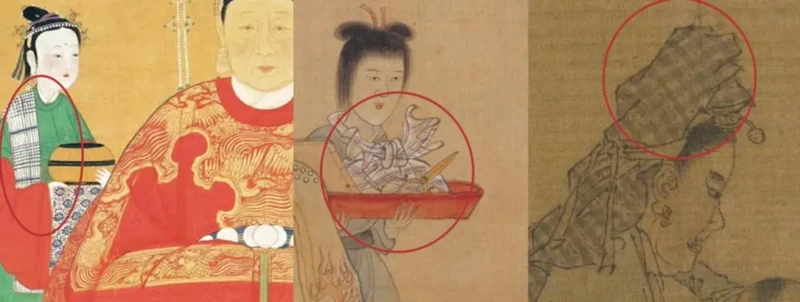
The simplicity of plaid’s structure, which consists of interlocking horizontal and vertical lines, makes it a universal choice in weaving. This basic grid can be adjusted in spacing and color to create endless variations, from subtle tones to bold contrasts. In ancient China, artisans utilized local materials like silk and hemp to produce these patterns, often incorporating them into daily wear and ceremonial garments. Unlike the standardized Scottish tartans, Chinese plaids frequently included additional elements like floral inserts or irregular shapes within the grid, adding layers of meaning and beauty. This adaptability shows that while the pattern is straightforward, its applications are deeply cultural, reflecting values of balance and harmony that resonate through time.
Beyond functionality, these ancient plaids served as expressions of identity and status. Artworks from the period depict figures adorned in checkered robes, suggesting that such designs were integral to social hierarchies and aesthetic preferences. The use of multiple hues in a single fabric, including reds, blues, and earth tones, demonstrates an advanced understanding of color theory that was likely influenced by natural dyes available in the region. Today, when we see similar patterns in fast fashion or high-end brands, it’s a reminder that our ancestors had a keen eye for style that transcends eras. This historical perspective enriches our view of plaid, transforming it from a mere trend to a timeless artifact of human ingenuity.
Cultural Echoes
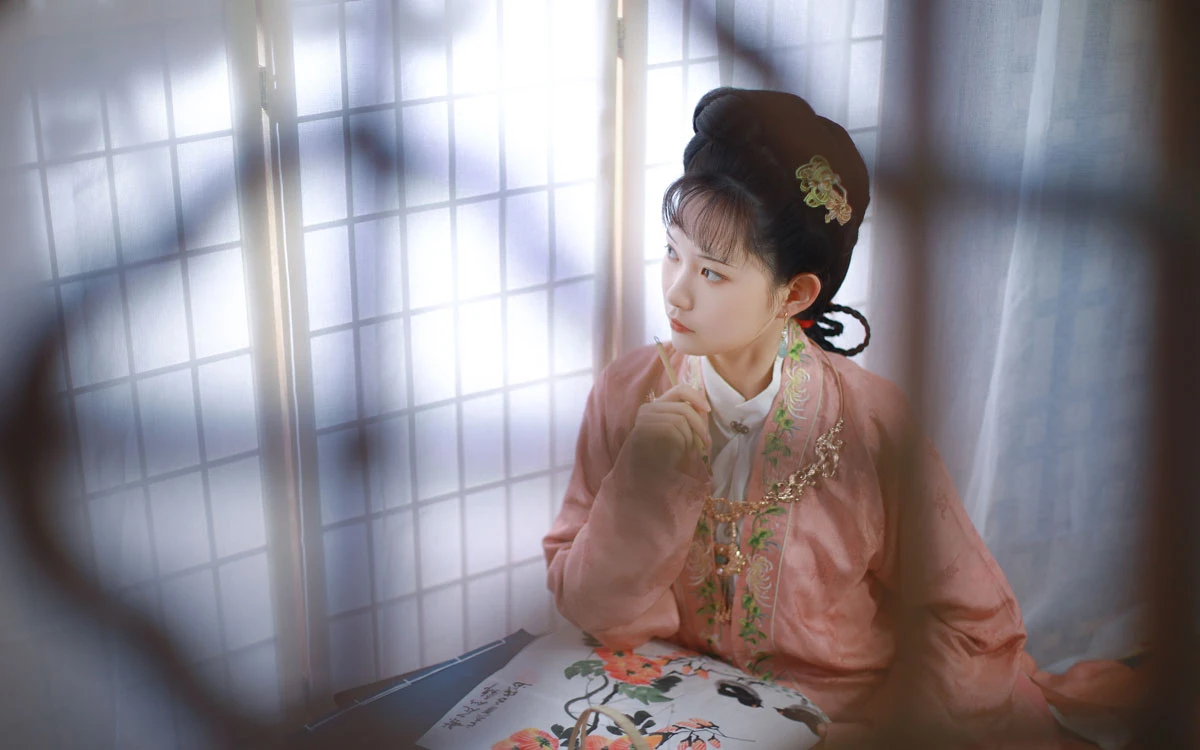
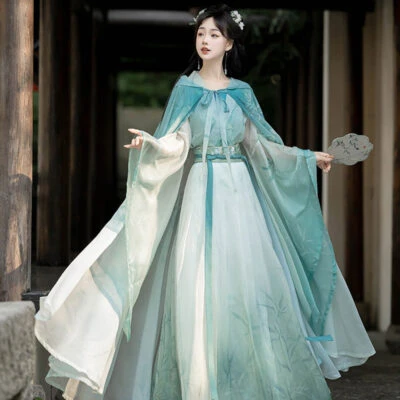
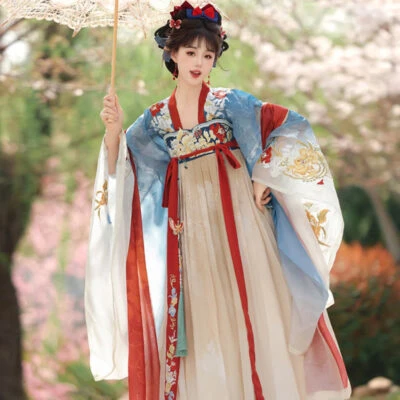
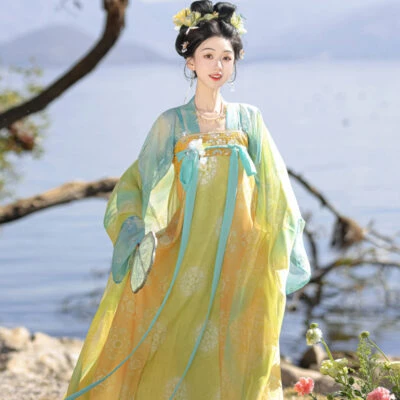
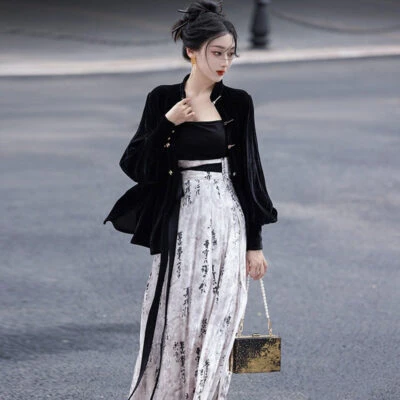
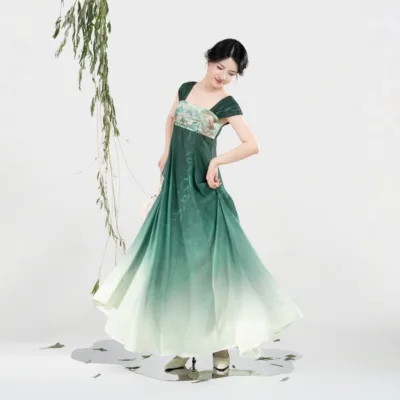
In modern discussions, the revelation of China’s early plaid has sparked debates about cultural ownership and fashion origins. Some enthusiasts joke about rebranding “British style” as “Western Zhou style,” highlighting a desire to reclaim this heritage. However, intellectual property concerns are minimal because plaid’s basic form is too generic for copyright claims unless directly copied. Instead, this rediscovery inspires contemporary designers to integrate ancient motifs into items like Hanfu, traditional Chinese clothing, where plaid adds a fresh yet historical twist. This movement not only revitalizes cultural pride but also challenges the dominance of Western narratives in global fashion, encouraging a more inclusive view of style evolution.
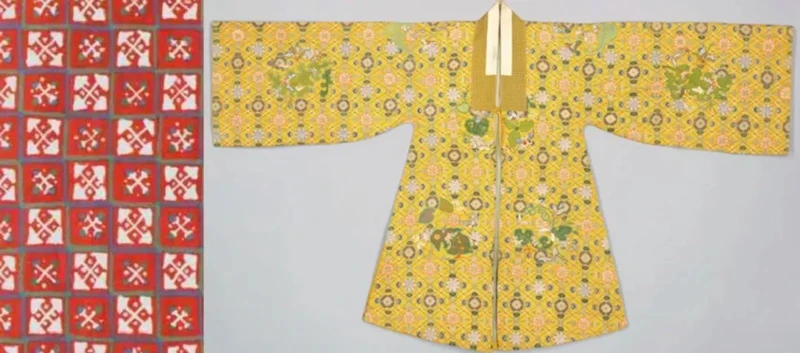
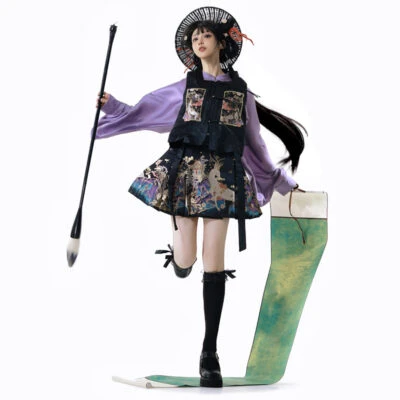
The cyclical nature of fashion is evident as ancient Chinese plaids find new life in today’s trends. Designers experiment with these patterns in streetwear and accessories, blending them with modern elements to avoid the “programmer shirt” stereotype often associated with plain checks. By adding disordered patterns or vibrant color clashes, they echo the complexity of historical examples, making the designs feel both nostalgic and innovative. This approach demonstrates how cultural elements can be reinterpreted without losing their essence, fostering a dialogue between past and present that resonates with younger generations seeking authenticity in a homogenized world.

Ultimately, the story of plaid in ancient China serves as a powerful reminder of our shared human legacy. It urges us to look beyond superficial labels and appreciate the interconnectedness of global cultures. As we wear plaid today, whether in a chic coat or a casual skirt, we’re participating in a tradition that spans millennia and continents. This realization can deepen our connection to history, transforming everyday fashion into a statement of cultural continuity. So, the next time you spot a checkered pattern, consider its journey—from the looms of the Western Zhou Dynasty to the runways of the modern era—and let it inspire a richer, more curious perspective on the world around us.