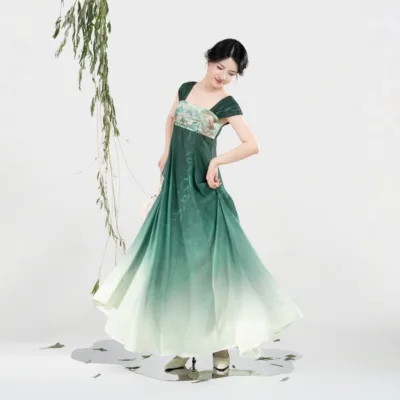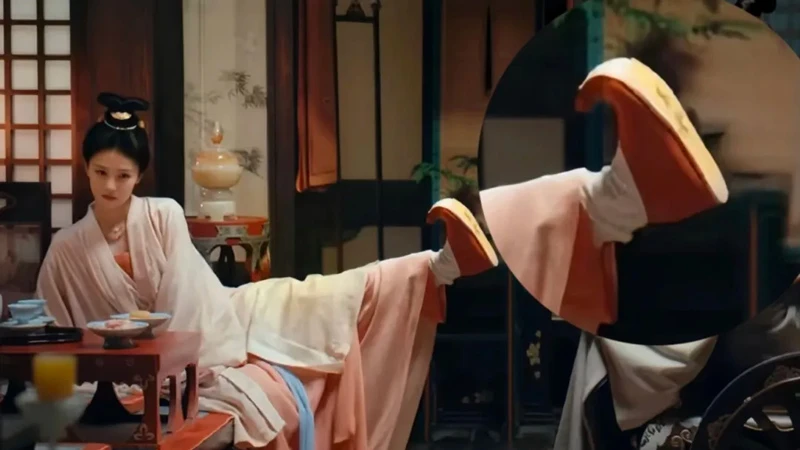
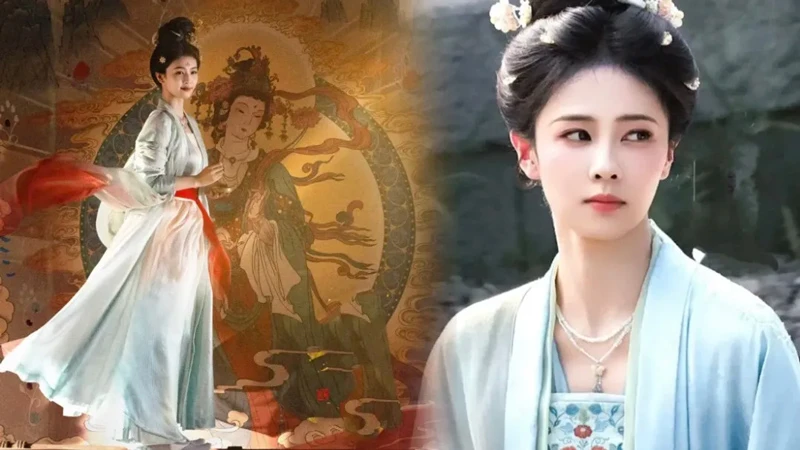
When Bai Lu (白鹿) appeared in behind-the-scenes photos for the historical drama The First Jasmine (莫离), fans quickly noticed her distinctive shoes with sharply upturned toes. This unique design sparked widespread curiosity online, with many wondering about its purpose and comfort. While it might seem like a quirky fashion choice, the curved toe has deep roots in Chinese history, serving practical functions that influenced both ancient attire and modern shoe design. From formal robes in dynastic times to today’s athletic sneakers, this element connects past and present in unexpected ways. Let’s unravel the story behind these shoes and how they reflect broader cultural shifts in fashion and functionality.
Ancient Origins
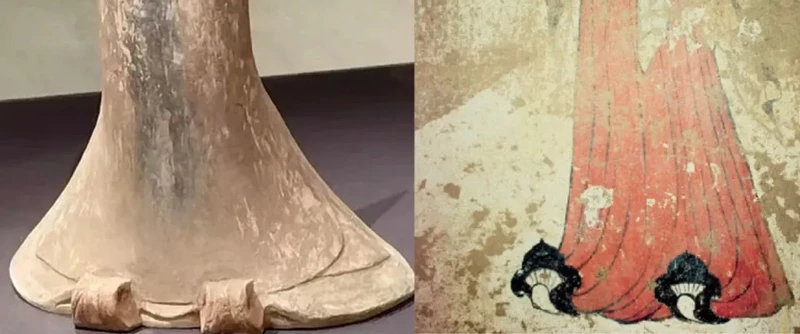
In ancient China, upturned shoe toes were not just decorative but essential for daily life, especially among the elite. These shoes, known by various names like Qitou Lü (岐头履) or Yuntou Lü (云头履), were commonly worn during formal events to manage long garments. The primary role of the curved tip was to lift the front hem of robes or skirts, preventing the wearer from tripping while walking. This design allowed for graceful movement without constantly adjusting clothing, making it a staple in ceremonial wear. Historical records and artworks show that such footwear dates back centuries, evolving in shape but retaining its core utility across dynasties.
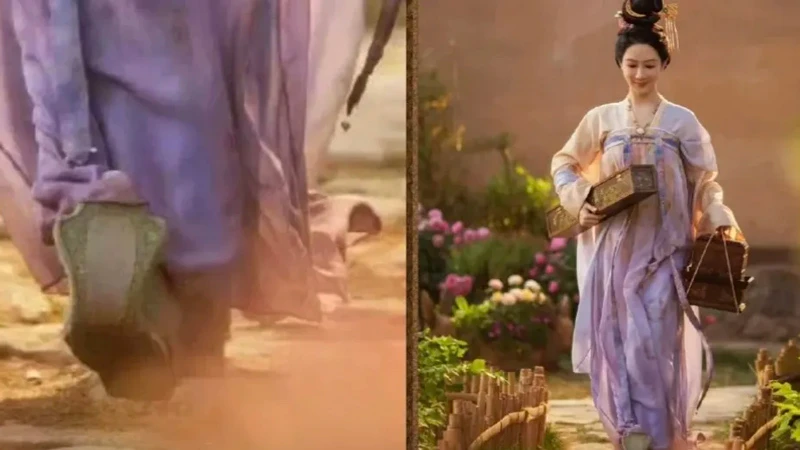
Different styles emerged based on social status and occasion. For instance, Gaotai Lü (高台履) featured higher platforms, while Huatou Lü (花头履) included intricate patterns. Despite the variations, all shared the characteristic upturn, often crafted from lightweight materials like silk to avoid adding weight. This attention to detail highlights how ancient shoemakers balanced aesthetics with practicality. The curved toe was not merely functional; it symbolized elegance and propriety, reminding wearers to move with care and dignity in accordance with societal norms.
The upturned section, referred to as Xuan (绚), was typically made from layered silk, chosen for its durability and lightness. This material ensured the toe held its shape without straining the foot, a consideration that parallels modern ergonomic principles. In dramas like Flourished Peony (国色芳华), such shoes are accurately depicted, showcasing their role in historical fashion. Beyond practicality, the Xuan served as a subtle prompt for etiquette, encouraging wearers to uphold decorum. This dual purpose—functional and symbolic—underscores how footwear was intertwined with cultural values in everyday life.
Practical Purpose
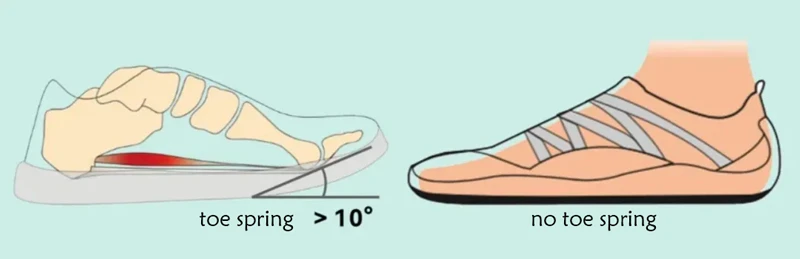
The curved toe design excelled in reducing physical strain during movement. By creating a slight arc at the front, it minimized friction with the ground, allowing the foot to roll forward more smoothly. This mechanics meant that muscles in the toes and joints did less work with each step, similar to how some modern shoes enhance comfort. In ancient times, this was crucial for people wearing layered robes, as it conserved energy during long ceremonies or walks. Experts note that the curvature acted like a lever, lifting fabric effortlessly and improving stability on uneven surfaces.
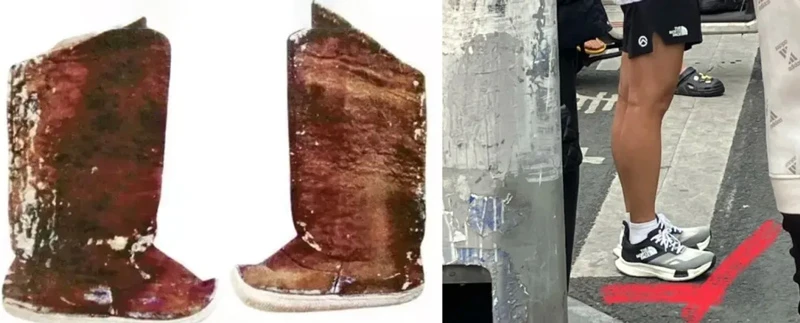
However, the degree of upturn mattered greatly. A moderate curve provided benefits, but extreme angles could lead to discomfort or foot issues over time. Historical wearers adjusted the design based on the occasion; for daily use, shoes had subtle curves, while formal versions were more pronounced. This adaptability shows how ancient designs were tailored to context, much like today’s footwear choices. The focus was always on balancing ease with tradition, ensuring that shoes supported both movement and social expectations without compromising health.
In addition to managing clothing, the upturned toe had psychological impacts. It encouraged a slower, more deliberate gait, aligning with cultural emphasis on grace and restraint. This aspect is often overlooked in modern discussions, but it reveals how footwear influenced behavior. For example, in The First Jasmine, Bai Lu’s character likely wears such shoes to convey nobility and poise. The design thus served as a tool for non-verbal communication, reinforcing identity and status through everyday actions. This layered functionality makes it a fascinating subject for understanding historical lifestyles.
Today’s Adaptations
Modern sneakers have borrowed the upturned toe concept for athletic performance. Brands incorporate it to reduce ground resistance and enhance efficiency in sports like running, where every motion counts. The curved shape helps distribute pressure evenly across the foot, lowering fatigue during intense activity. This application mirrors ancient principles, proving that some historical ideas remain relevant. However, unlike past uses for robe management, today’s designs focus purely on biomechanics, tailored for short-term wear rather than all-day comfort.
Despite the benefits, prolonged use of highly curved shoes can weaken foot muscles, as they reduce the natural workload on toes and arches. This is particularly concerning for children, whose developing feet need support for proper growth. Parents might be drawn to trendy curved designs, but experts advise moderation to prevent long-term issues. The key is finding a balance—using such shoes for specific activities while opting for flatter options in daily life. This caution echoes historical wisdom, where extreme curves were reserved for special occasions to maintain foot health.
Why did upturned shoes fade from everyday use? As clothing styles evolved, long robes became less common, eliminating the need for toe curves to hold hems. Today, fast-paced lifestyles favor practical, versatile footwear without historical constraints. Yet, the legacy persists in niche areas like period dramas or high-fashion runways, where designers draw inspiration from the past. By examining our own shoe collections, we can see how ancient innovations subtly influence modern choices. Ultimately, this journey from The First Jasmine to mainstream reminds us that the best designs blend tradition with personal needs, creating footwear that truly fits our lives.