Article
搜索结果:
-
Yang Zi’s The Mo Earrings: A 600-Year-Old Ming Fashion Icon
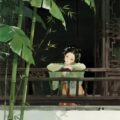
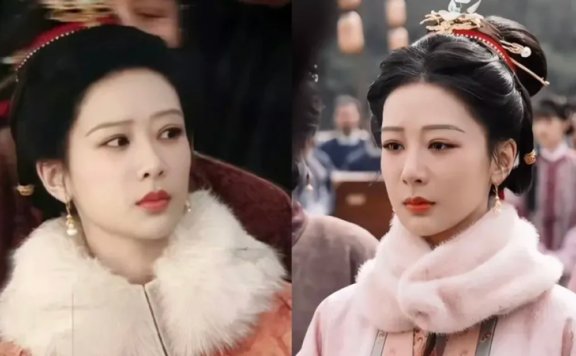
In the historical drama The Mo (家业), the earrings worn by actor Yang Zi (杨紫) in her role as Li Zhen (李祯) are more than just elegant accessories. They are a direct portal to the fashion sensibilities and consummate craftsmanship of the Ming Dynasty, roughly 600 years ago. The specific style, a Hulu (葫芦)-shaped pendant, was a staple in the jewelry boxes of Ming noblewomen. This attention to detail in costume design does more than create a visually authentic scene; it prompts a fascinating question. How did a simple fruit's form become a centuries-long symbol of status and blessing, so meticulously crafted that it still impresses modern audiences? Design and Detail The Hulu earring seen on screen is a refined example of its kind. Typically part of a full ceremonial headdress set, its design is both symbolic and intricate. The version Yang Zi wears appears to be made of white jade or pearl, forming the body of the gourd. A delicate gold leaf caps the top, with two beads suspended beneath to create the distinctive "waist" and lower bulb of the fruit. The most arresting detail is the tiny ring of minuscule gold granules that cinches this waist, a testament… -
The Power and Ritual of Ancient Jade Group Pendants
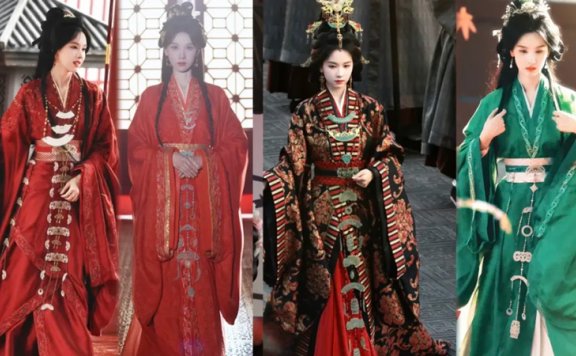
Has actress Chen Duling (陈都灵) made a mistake with her jade pendant? In the costume drama The Excellence (翘楚), her character wears an extremely long strand of jade ornaments. Is it meant to be a necklace or a waist decoration? This question from viewers points to a fascinating detail in historical attire: the Jade Group Pendant. Far more than mere decoration, these elaborate assemblages of carved jade pieces served as a walking symbol of power, status, and ritual propriety in ancient Chinese courts. Their placement—around the neck or at the waist—was not arbitrary but evolved through dynasties, reflecting changes in fashion, function, and social hierarchy. The controversy around a modern interpretation opens a window into the complex language of jade in antiquity. Necklace to Waistpiece The earliest forms of the Jade Group Pendant, dating to the Shang and early Zhou dynasties, were indeed worn around the neck. These were significant, multi-component ornaments. However, from the Eastern Zhou period onward, the primary location shifted to the waist. As other forms of lighter, more delicate necklaces developed, the larger, more complex assemblages became predominantly waist pendants. This historical shift means that many modern attempts at historical costume restoration, which place substantial group… -
The Curious Case of the Ming Bunny Hat
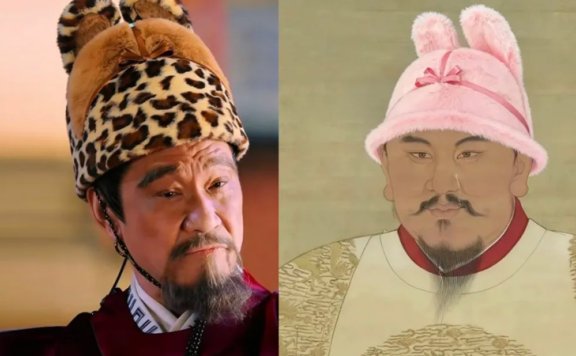
A simple black hat, once reserved for Ming Dynasty emperors, has hopped from the solemn pages of history into the playful heart of internet culture. Known formally as the Yishan Crown (翼善冠), this piece of royal headwear is now affectionately dubbed the "bunny hat" by netizens and Hanfu enthusiasts. Its journey reveals how a potent symbol of imperial authority can be transformed, through a lens of modern creativity and humor, into a beloved cultural icon. This shift is more than a mere change of name; it represents a fresh, accessible dialogue with the past. A Crown's Evolution The story of this distinctive cap begins long before the Ming Dynasty. Its earliest ancestor is the Futou (幞头), a headscarf worn by men in the Tang Dynasty. Initially a practical cloth for tying up hair, its soft, hanging flaps might remind one of a rabbit's drooping ears. By the Song era, the Futou had stiffened and formalized, most notably in the official's black gauze cap with long, straight wings. When the Ming founder, Zhu Yuanzhang (朱元璋), sought to restore traditional dress codes, he adapted these styles for a new imperial aesthetic. For his officials, he maintained the black gauze cap with horizontal… -
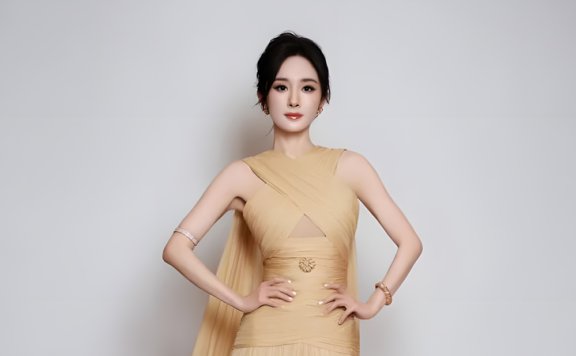
Is This Yang Mi's Most Powerful Red Carpet Look Yet?
The recent appearance of actress Yang Mi (杨幂) in a champagne gold gown did more than turn heads; it set a new standard for red carpet elegance. At an event in Beijing, the star’s choice of attire became an instant internet sensation, dissected by fashion critics and fans alike. This wasn't merely a dress; it was a masterclass in sartorial power and refined grace. The gown’s ingenious single-shoulder crossover design framed her collarbone and shoulders, creating a silhouette that was both strong and feminine. A subtle cut-out at the waist offered a hint of allure without overshadowing the outfit's dignified core. The true showstopper was the flowing, translucent train. With every step, it moved like liquid metal, catching the light and creating a mesmerizing trail of soft brilliance. Attention to detail elevated the look from beautiful to iconic. The fabric’s delicate pleats resembled crushed gold leaf, shimmering under the event lights. A single, sculptural metal clasp at the waist served as a perfect focal point, adding structural interest. Her styling choices—a sleek updo and minimalist jewelry in the same metallic hue—demonstrated a mature understanding of balance. The result was a powerful synergy: the dress amplified her presence, and her poised… -
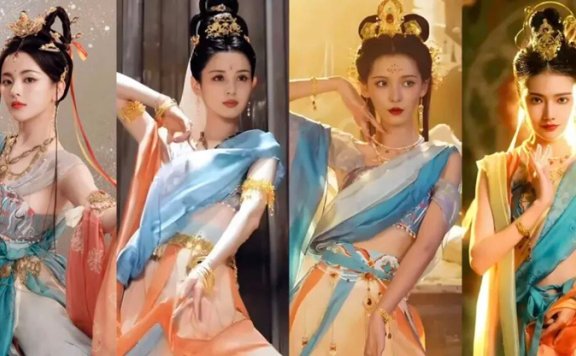
Is That Dunhuang Goddess Outfit Really Hanfu?
Scrolling through social media, you've seen her. The dancer in the flowing, high-waisted skirt and delicate wrap-top, a long silken scarf dancing around her shoulders. She's labeled a "Tang Dynasty style" Hanfu or a "Dunhuang (敦煌) Feitian (飞天)" look. It feels ancient, elegant, and quintessentially Chinese. Yet, within dedicated Hanfu communities, this very image sparks debate. Is this beautiful ensemble truly Hanfu, or is it something else entirely? The answer lies not in its beauty, but in a journey through history, art, and cultural identity. Defining Hanfu To begin, we must understand what Hanfu represents. It is not a single costume but the traditional clothing system of the Han ethnic group. Two core principles define it: a foundation in the historical dress systems developed by Han people, and adherence to verified historical shapes and construction. It is rooted in documented reality, not artistic fantasy. The question, therefore, shifts. We aren't asking if the outfit is beautiful or inspired by Chinese art, but if its lineage is authentically Han. Many assume the "Feitian" style belongs to Hanfu because it evokes the Tang Dynasty, a golden age often associated with classic Chinese aesthetics. It is frequently used in traditional dance, further linking… -
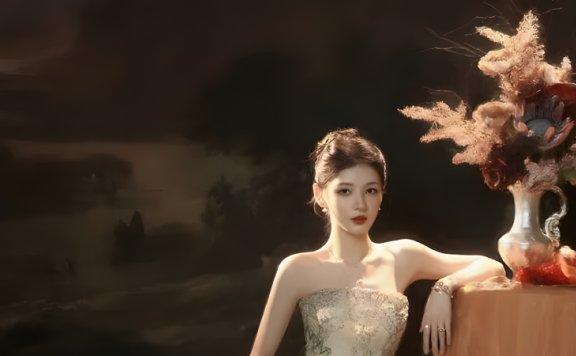
Can a Dress Capture an Entire Medieval Garden?
When actress Zhang Yuxi (张予曦) stepped into view recently, she did not merely wear a gown; she wore a narrative. Her ensemble, an off-white fishtail dress adorned with green-hued embroidery and scattered crystals, sparked immediate fascination. It evoked the meticulous, living artistry of a medieval horticultural masterpiece, translating verdant vines and delicate blooms into a language of thread and bead. This was not just a fashion choice but a deliberate sartorial statement, blending historical grandeur with a modern, cool elegance. The image she presented was strikingly complete, from the styling of her hair to the subtle accessories, culminating in a portrait that felt less like a photograph and more like a recovered painting from a noble’s hall. Crafting the Illusion The dress itself is a study in intentional design. The structured bodice highlights graceful shoulders and a slender waist, creating a silhouette that is both regal and softly feminine. The true marvel lies in the surface. Intricate embroidery in shades of moss, emerald, and sage crawls across the fabric, reminiscent of ivy climbing ancient stone walls. Each stitch builds a tapestry of flora, while strategically placed crystals catch the light like morning dew on petals. This botanical motif finds its… -
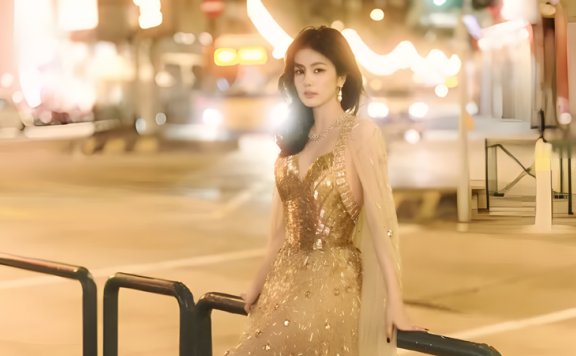
Bai Lu's Golden Dress: Is This the Ultimate Urban Queen Look?
The city lights blurred into a streak of gold as Bai Lu (白鹿) appeared, a vision commanding the night. Her latest photoshoot stopped social media feeds, a masterclass in modern elegance. Draped in a champagne gold gown that captured and refracted the urban glow, she didn't just wear the dress; she became the focal point of the metropolis itself. This was more than a fashion moment—it was a declaration of style sovereignty. Anatomy of a Masterpiece Closer inspection reveals why this look resonates so powerfully. The gown's construction is a feat of engineering and artistry. A slender halter neckline emphasizes her collarbone and shoulders, drawing the eye upward with regal grace. The bodice, a meticulous constellation of sequins, employs a gradient density that creates a living, shimmering effect with every subtle movement. The silhouette balances sensuality with sophistication. It traces the figure faithfully yet maintains an air of dignified restraint. The true genius lies in the juxtaposition of textures: the solid, gleaming metallic fabric against the ephemeral whisper of a tulle stole. This stole, floating on the night breeze, adds a layer of dynamism and mystery, preventing the opulence from feeling static or heavy. Every component works in concert. The… -
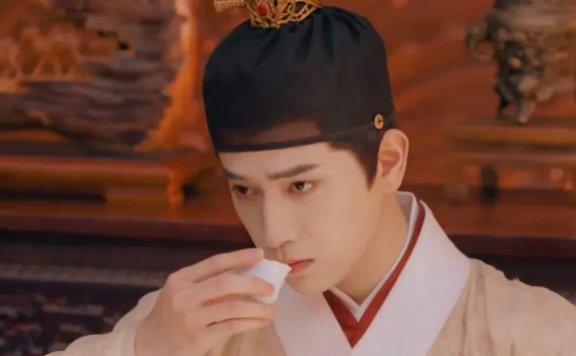
Unpacking the History of Ming Dynasty Wangjin
Why is that actor wearing a fishnet on his head? That's a question many viewers had when watching the recent period drama Marry My Cousin (表妹万福). In a sea of ornate costumes, a male character's headwear stood out: a sheer, net-like cap covering his hair and forehead. To modern eyes, it looked bizarre, even comical. Was this a costume department blunder? A sign of a low budget? The truth, however, is far more interesting. This isn't a prop mistake or a fashion mishap. It’s a historically accurate piece of attire known as a Wangjin (网巾), a hair net that was a staple of Ming Dynasty men's fashion and a symbol of Han Chinese cultural identity. More Than a Hairnet The Wangjin was a practical and essential item. Made from finely woven black silk, horsehair, or even human hair, its primary function was to hair binding, or bind the hair. It kept the main topknot securely in place and neatly gathered any loose or shorter hairs around the temples and neck. This created a clean, tidy appearance considered fundamental for a gentleman. Beyond mere tidiness, the Wangjin served as a base layer for other, more formal headwear. Hats and caps of… -
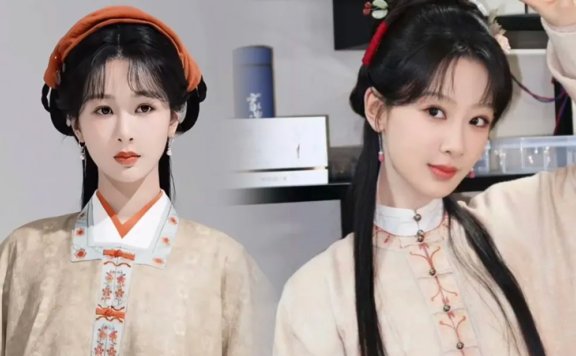
Uncovering the History of Chinese Ming and Qing Buttons
In the historical drama The Mo (家业), the character Li Zhen (李祯), portrayed by Yang Zi, wears garments adorned with a vertical row of buttons. These fasteners shift between cloth and metal variants across different scenes. This subtle costume detail sparks a fascinating question: did traditional Chinese clothing even use buttons? The answer reveals a rich, overlooked history of functional art, distinguishing the elegant Ming-style cloth buttons from the later, densely arranged Qing-era "centipede buttons." Ancient Fasteners Reimagined The common belief is that ancient Chinese attire relied solely on sashes and ties, a system known as "tying tassels and fastening sashes". This method involved intricately woven ribbons to secure garments, allowing adjustment for fit and comfort. Historical texts like the Book of Rites mention the use of such ties. However, this was not the whole story. Archaeological evidence, such as the figurines from the Qin Dynasty, suggests the possible use of simple toggle-like fasteners, though debate continues on whether these were for armor or daily wear. By the Tang and Song dynasties, while ties remained dominant, a quiet evolution began. Elements of cloth buttons appeared on certain robes, like the round-collared Yuanlingpao (圆领袍) and some versions of the Beizi (褙子).… -
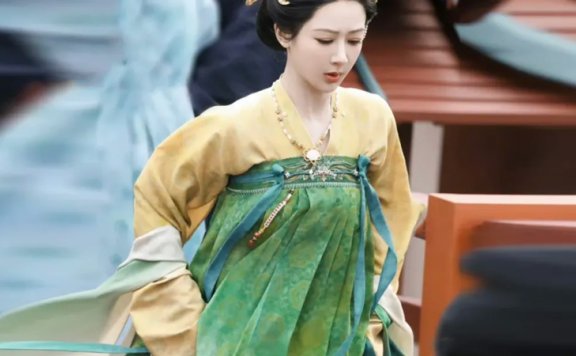
The Evolution of Strapped Qixiong Qun
Have you ever had that moment in a beautifully draped dress, only to spend the entire event subtly hiking it back up? For enthusiasts of traditional Chinese attire, the struggle with the Qixiong Qun (齐胸裙, high-chest wrap skirt) is all too real. This ancient garment, while stunning, is infamous for its gravitational defiance. It turns out, this sartorial slippage is not a modern-day woe. Centuries ago, ingenious designers devised a clever solution: the ancient equivalent of the strap dress. This forgotten innovation, witnessed in artifacts from the Northern and Southern Dynasties to the Tang, showcases a timeless pursuit where practicality meets elegance. A Tang Dynasty Staple The strap dress became a fashion essential during the Tang Dynasty. A mural in the tomb of Duan Jianbi (段简璧), from the early Tang period, depicts a court lady holding a fan. She wears a patterned Qixiong skirt secured by two clear straps over her shoulders. This visual record from Emperor Gaozong's (唐高宗) reign shows the style's popularity, aligning with the period's preference for slender, graceful silhouettes. The straps provided freedom of movement, transforming the gown from a restrictive garment into one suitable for daily life. Further evidence comes from grey pottery figurines unearthed… -
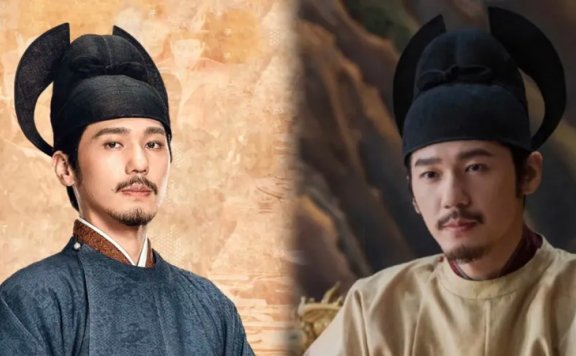
That Curious Hat in Swords into Plowshares
In the historical drama Swords into Plowshares (太平年), the character portrayed by actor Bai Yu (白宇) wears a hat that immediately captures attention. Its most distinctive feature? Two stiff, upward-curving wings. To modern eyes, its silhouette might seem whimsical, even cartoonish, sparking amused comparisons online. Yet, this is no costume designer’s flight of fancy. This headwear is a carefully recreated Chaotian Futou (朝天幞头), a style steeped in the political and social symbolism of ancient China. Its presence on screen is a deliberate choice, a visual key that unlocks a deeper understanding of a character's status, profession, and the intricate world they inhabit. From the imperial court to the performing stage, the evolution of the Futou tells a story of shifting power, cultural exchange, and silent communication long before a single word is spoken. The Journey of the Upturned Wings The Chaotian Futou, with its iconic raised ribbons or "wings," first gained prominence during the Five Dynasties period. Initially, it was a mark of supreme authority. Historical records and portraits, such as those of King Qian Liu (王钱镠) of Wuyue (吴越), show this style adorning the heads of emperors and kings. The upward sweep of the wings was likely symbolic, perhaps… -
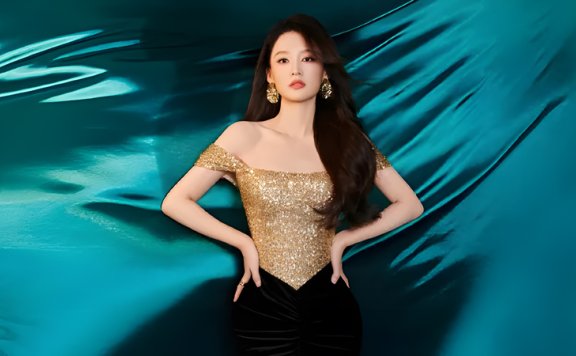
Li Qin's Stunning Gold-and-Black Gown
When new images of actress Li Qin (李沁) recently surfaced online, the reaction was instant and electric. Her appearance in a striking gold and black gown did not merely turn heads—it dominated conversations. This was not just another celebrity photoshoot; it was a masterclass in sophisticated styling, a visual statement that perfectly balanced bold glamour with poised restraint. The look immediately captured the public's imagination, showcasing a side to her that feels both regal and intensely modern. A Visual Revelation The power of the look lies in its dramatic contrast. A one-shoulder top, densely covered in gilded sequins, catches every light, creating a halo of luxury around her. It showcases her collarbone and shoulder line with precise elegance. This brilliance is grounded by the lower half of the ensemble: a high-waisted skirt made of black velvet. The plush, matte texture of the velvet provides a serene counterpoint to the sparkle, creating a dialogue between radiance and depth. The skirt’s design cleverly emphasizes her silhouette. The high waist defines her frame, while a strategic slit introduces a hint of movement and subtle allure. The overall effect is sculptural. Every element, from the sharp metallic gleam to the soft velvet fall, is… -
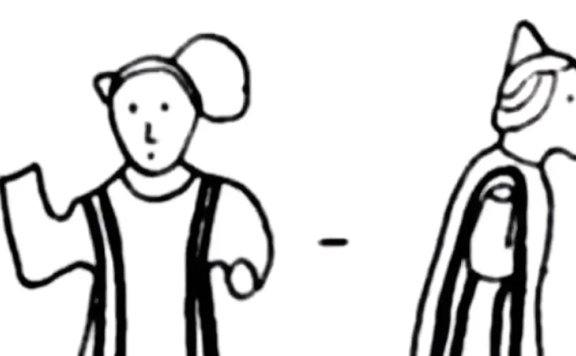
How Tang Gui Ⅲ Revived a Silk Accessory
A swirling whisper of silk, a fleeting wisp of color. In the hit series Strange Tales of Tang Dynasty Ⅲ: Chang'an (唐朝诡事录之长安), amidst the fog of unsolved cases, a different kind of magic unfolds through costume. Beyond the intricate plots, the show's wardrobe silently narrates a tale of elegance, with one item stealing countless scenes: the Pibo (披帛). This long, flowing silk scarf, artfully draped by characters like the sharp-witted Pei Xijun (裴喜君) or the formidable Princess Taiping, is far from a designer's fantasy. It is a authentic historical accessory, a piece of "flowing cloud and mist" that captures the very soul of Hanfu aesthetics. Its reappearance on screen invites us to trace its journey through dynasties and discover how this ancient art of drapery can find new life in our closets today. A Silk Thread Through Time The story of the Pibo begins long before the Tang's golden age. Archeological clues, like pottery figurines from the Warring States period found in Shandong, show dancers with colored ribbons on their shoulders. Historical texts from the Han dynasty mention similar cloths. These early precursors evolved through the Wei, Jin, and Northern and Southern Dynasties, where they were known as "pei," shorter… -
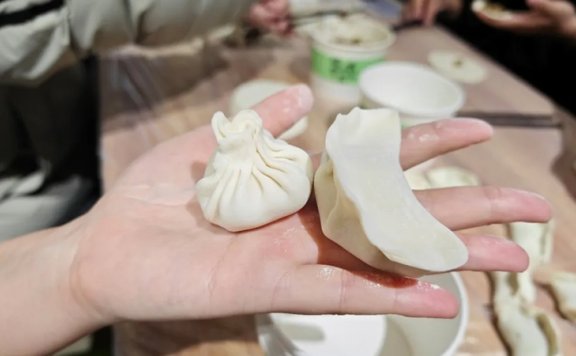
Hanfu Society's Winter Solstice Cultural Event Lights Up December 19th 2025
The aroma of steaming dumplings mixed with the soft rustle of silk and brocade. On the afternoon of December 19, 2025, a university cafeteria was transformed. Here, over a hundred students gathered, not just for a meal, but for a journey. The Hanfu Society hosted "Wearing Han Attire, Savoring Winter Solstice Elegance," an immersive event designed to bridge millennia-old traditions with youthful creativity. This was not a history lecture, but a living experience where the ancient Dongzhi (冬至) festival was felt through hands, taste buds, and shared laughter. The Dumpling as Canvas Dumplings are the undisputed star of Winter Solstice tables in northern China, symbolizing reunion and warmth. This event reimagined them as a creative outlet. Students didn't just wrap filling in dough; they sculpted it. Inspired by the flowing lines of their own Hanfu, traditional crescent shapes were joined by others resembling plum blossoms, ingots, and delicate fabric folds. The kitchen area buzzed with focused energy. Teams collaborated in a friendly speed-wrapping competition, their fingers moving deftly. More time, however, was spent on artistic expression. The serious task of ensuring a good seal was punctuated by exclamations over a particularly elegant pleat or a cleverly shaped piece. Laughter flowed… -
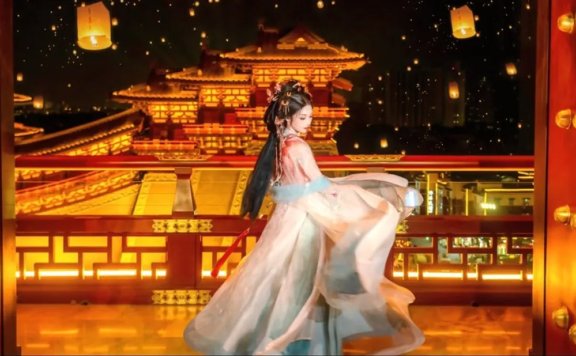
Winter Lights and Ancient Threads: A Hanfu Journey by Luoyang's Solstice
As the year turns toward its deepest night, a different kind of light begins to glow in the ancient capital of Luoyang (洛阳). The Winter Solstice, the year's longest night and a traditional festival heralding the return of the sun, transforms this historic city. It becomes a living canvas where the past is not merely remembered but worn. Here, amidst palaces and pagodas that have stood for millennia, the elegant lines of Hanfu are not a costume but a conversation—a silent dialogue between the wearer, the rhythm of the seasons, and the soul of a civilization. This is where time folds upon itself, inviting a modern step into a profoundly poetic celebration. Robes for the Long Night Selecting attire for this day requires thought. The solstice carries a solemn, introspective energy, and the clothing should mirror that dignified warmth. The aim is to achieve both physical comfort against the chill and a visual harmony with the season's quiet gravity. It is a practice in layered elegance and historical resonance. For robust warmth and regal structure, the Ming dynasty style stands paramount. A stiff-collared, side-closing long robe paired with a Mamian skirt offers superb protection from the wind. This combination presents… -
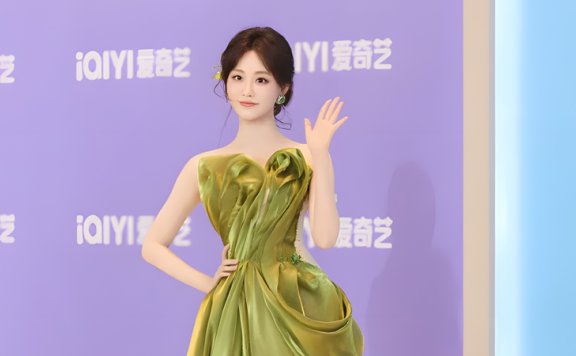
How Zhu Xudan Crafted a Fairy-Tale Red Carpet Look
What transforms a red carpet moment into pure magic? At a recent Scream Night event, actress Zhu Xudan (祝绪丹) provided a definitive answer, arriving not just as a celebrity, but as a vision seemingly conjured from an enchanted woodland. Her appearance sparked immediate and widespread admiration, with fans and fashion critics alike captivated by a look that masterfully balanced elegance, fantasy, and a distinct, powerful aura. This was not merely a fashion choice; it was a character brought to life on the crimson pathway, a statement of style that resonated deeply and lingered long after the event's lights dimmed. The Gown: A Forest Dream The centerpiece was an olive green satin gown that immediately commanded attention. The color itself was a daring and brilliant selection, a rich, earthy hue reminiscent of sun-dappled leaves in a deep forest. Unlike safer blacks or reds, this shade required precise coordination with skin tone and personal bearing, a challenge she met with remarkable grace. The satin fabric possessed a subtle, liquid sheen, catching the light with each movement to create the illusion of gentle, flowing water or polished stone. Design details elevated the dress from beautiful to extraordinary. A sweetheart neckline elegantly framed her… -
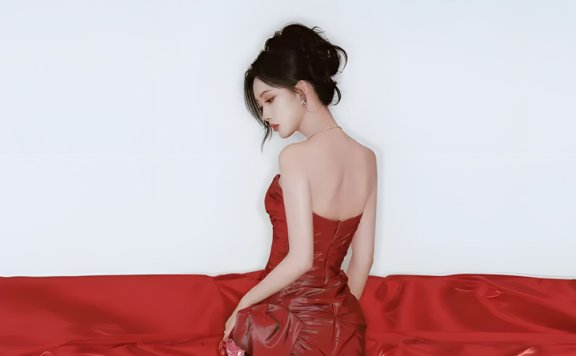
Has Meng Ziyi Just Redefined Red Carpet Glamour in Shanghai?
In the glittering world of celebrity fashion, a single look can sometimes stop the world. This week, actress Meng Ziyi (孟子义) did exactly that. At a high-profile event in Shanghai, she arrived in a breathtaking burgundy satin gown, instantly igniting social media and fashion forums. The dress wasn't just clothing; it was a statement. Its vibrant color and impeccable cut seemed to capture a perfect moment where classic elegance met modern daring. This ensemble has done more than showcase a beautiful outfit; it has sparked a conversation about the power of a bold choice and the unique style identity of a rising star. Crimson Confidence The heart of the look was, without question, the dress itself. Crafted from a high-gloss, wine-red satin, it caught the light like liquid gemstones. The strapless bodice was a masterclass in clean design, highlighting her collarbone and shoulders with elegant simplicity. There were no distracting embellishments here—the focus remained squarely on the luxurious fabric and the wearer's form. The silhouette was equally precise. A fitted waist gracefully flowed into the skirt, creating a timeless and flattering hourglass shape. Every stitch spoke of careful tailoring and an understanding of how to dress the female body for… -
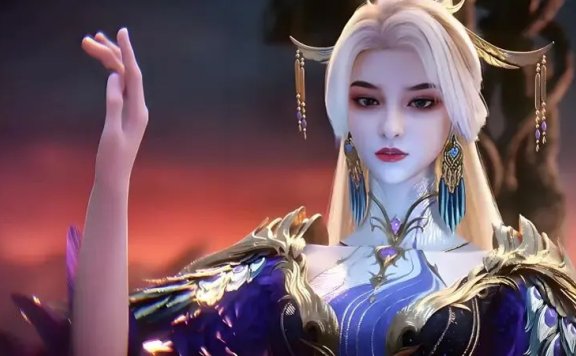
Can Yun Wangshu Truly End Her Revenge in Eclipse of Illusion?
As the penultimate episode of the animated series Eclipse of Illusion (云深不知梦) airs, the long-running story approaches its climax. The core revenge quest of the protagonist, Yun Wangshu (云望舒), stands nearly complete. Only one final act remains: the permanent defeat of her archenemy, Yan Qingfei (燕倾霏). Yet, this latest episode has sparked fervent discussion, particularly regarding the portrayal of the villain. Many fans find Yan Qingfei's actions in the final confrontation "hard to judge," a sentiment echoing through fan communities. The Final Confrontation The episode unveils Yan Qingfei's true identity as a descendant of the Demon尊 Luohou (罗睺) and a pure-blooded member of the Qiongming Devil Tribe (穹冥魔族). After being slain once by Yun Wangshu, she resurrects in her original, powerful demon form. However, for a schemer who plotted for sixty years, her strategy in the ultimate battle appears surprisingly lacking. Despite knowing Yun Wangshu grows stronger in the face of powerful foes and has defeated every enemy on her path, including Ling Feng (凛奉), Yan Ling (燕绫) and Yun Luoxuan (云珞璇), Yan Qingfei seems to underestimate her. This includes overlooking the fact that Yun Wangshu is the reincarnation of the Zhu Zhao Goddess (烛照神女). Relying arrogantly on the supreme… -
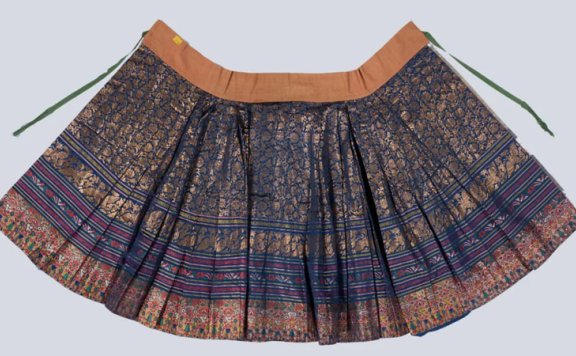
Why the 500-Year-Old Mamianqun Is Today's Ultimate Fashion Statement
Walk down any modern city street in China, from Shanghai's Bund to The Forbidden City, and you'll likely spot a surprising silhouette: the Mamianqun (马面裙). With its distinctive flat front panels and flowing pleated sides, this Ming Dynasty-era skirt has leaped from museum displays and history books into the heart of contemporary wardrobes. It represents more than a cyclical fashion trend; it is a vibrant, living symbol where deep cultural heritage intersects with personal style. This skirt's journey reveals how a garment can transcend its original era to become a powerful medium for identity and aesthetic expression in the 21st century. A Design Born from Function The name Mamianqun originates from a unique architectural feature. Mamian refers to the rectangular, projecting bastions on ancient Chinese city walls, which the skirt's broad, unadorned front panel visually resembles. This core design principle—structured panels meeting dynamic pleats—emerged during the Ming Dynasty. The skirt is ingeniously constructed from two identical panels of fabric joined at a single waistband. When worn, these panels overlap at the front and back, creating four "gates" or openings: two prominent, flat rectangular sections at the front and back, flanked by pleated sides. This architecture served a profoundly practical purpose.… -
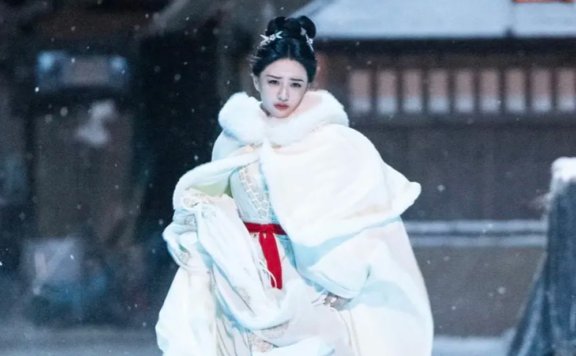
Why Does Xu Lu's Cloak in The Vendetta of An Look So Odd?
A curious detail in the new historical drama The Vendetta of An (长安二十四计) has captured the audience's attention. In it, actress Xu Lu (徐璐), who portrays the character Bai Wan (白莞), wears a cloak with an unusual feature: a separate panel of fabric draped over its back. This double-layered design strikes many modern viewers as anachronistic or simply strange, prompting questions about its historical accuracy. Could a cloak really be constructed this way in ancient times, or is this a fanciful creation of the costume department? The answer lies not in creative license, but in a forgotten practicality shaped by climate and necessity. A Functional Design The additional back panel is not mere decoration. It functions as a rain guard or wind flap. Its primary purpose was to create a protected air space between itself and the wearer's back. When rain or sleet fell, it would hit this outer layer first. Following gravity, the moisture would then slide down the panel's surface and away from the body, keeping the inner cloak—and the crucial lower back and waist area—dry and insulated. This logic is enhanced when the cloak material itself is water-resistant. Historical garments often used oils, waxed fabrics, or inherently…