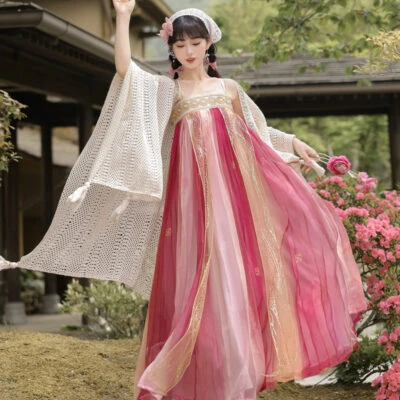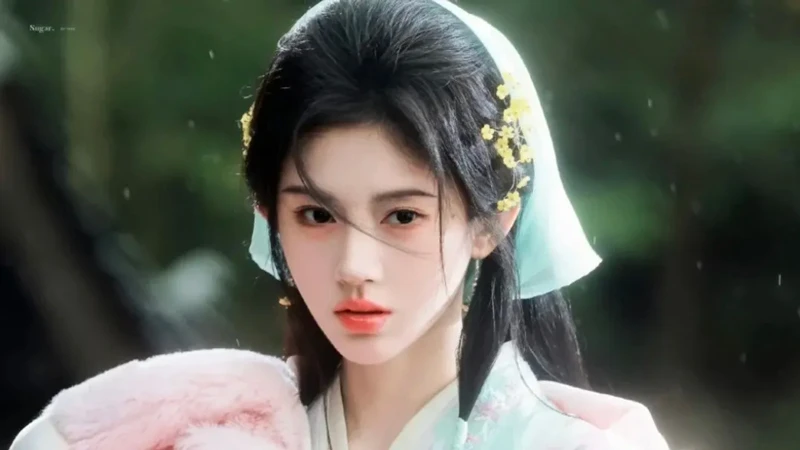
In the recent buzz surrounding actress Ju Jingyi (鞠婧祎) and her role in the drama Veil of Shadows (月鳞绮纪), a simple head wrap has captured audience attention, sparking debates online. This accessory, far from a random costume choice, echoes a practical tradition from ancient China.
Known as Pazi (帕子), it served as a everyday solution for managing hair, similar to modern hairbands or scarves. Its appearance in the show highlights how historical elements can blend seamlessly into contemporary storytelling, inviting viewers to look beyond the glitter of ornate hairstyles and appreciate the simplicity of daily life in past eras. This piece of cloth connects us to a time when functionality and fashion intersected in subtle ways, reminding us that some style solutions are timeless.
Historical Roots
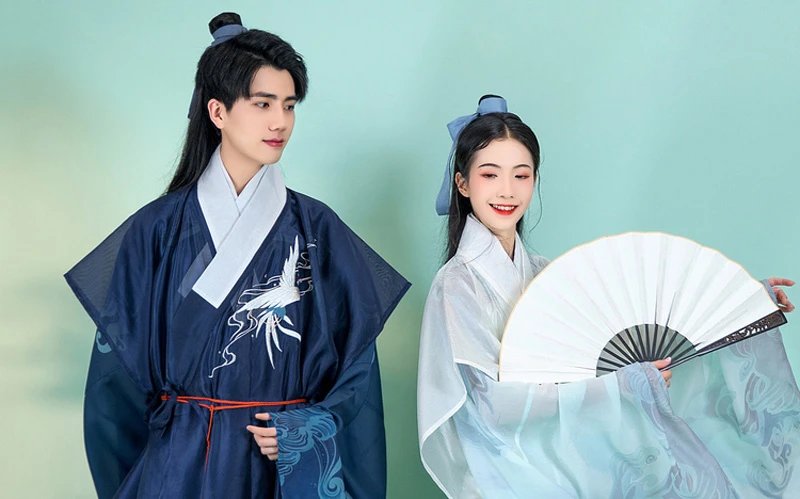
Long before Veil of Shadows brought it to screen, the head wrap had deep roots in Chinese history, dating back to periods like the Wei and Jin dynasties. Initially, both men and women used these square cloth pieces, often made from fabric scraps, to bundle their hair and maintain a neat appearance. For instance, men frequently wore a style called Zicuo (缁撮), which involved twisting black cloth into a bun-like shape, commonly seen among scholars or laborers. This practice wasn’t just about aesthetics; it reflected social norms where tidy hair signaled respectability, especially among common folk who couldn’t afford elaborate headpieces. Over time, these wraps became so ingrained that they evolved into more structured forms, yet the basic idea of using cloth for hair management remained a constant in households across generations.
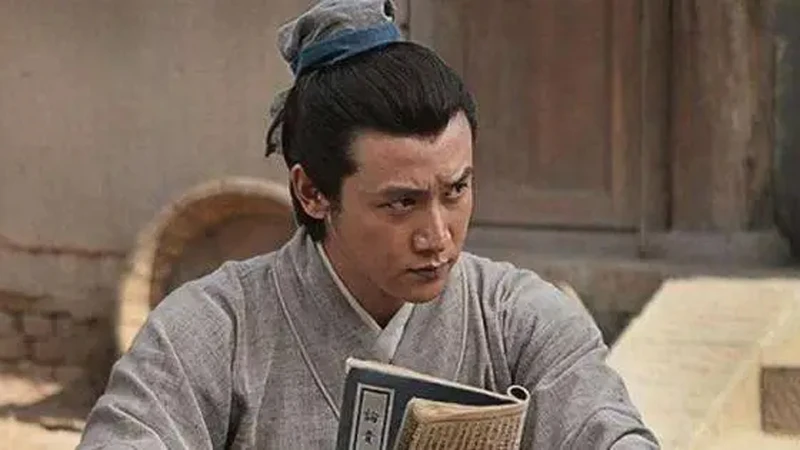
As centuries passed, the head wrap adapted to different eras, such as the Qin and Han dynasties, where it found use in military settings. Soldiers would tie deep red cloths, referred to as Jiang Patou (绛帕头), around their heads for uniformity and practicality. Historical records, like those in the Records of the Three Kingdoms (三国志·吴志·孙策传), note this as a standard part of attire, showing how a simple item could serve both functional and symbolic roles. Meanwhile, men began experimenting with materials, shifting from cloth to leather versions like Pibian (皮弁) for durability. Women, however, often preferred softer wraps, leading to styles such as Jingguo (巾帼), which stayed as flexible head coverings. This divergence highlights how gender and status influenced everyday accessories, with women’s versions retaining a simplicity that allowed for easy use in daily chores and social gatherings.
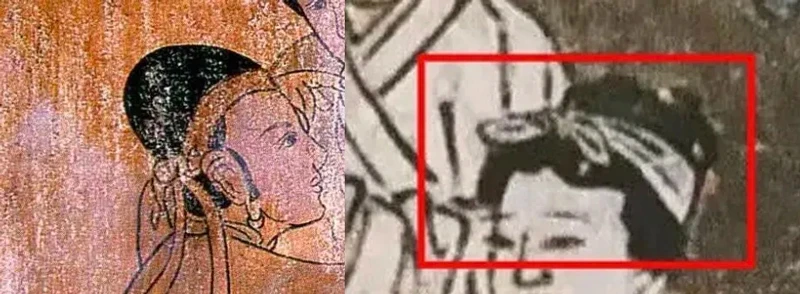
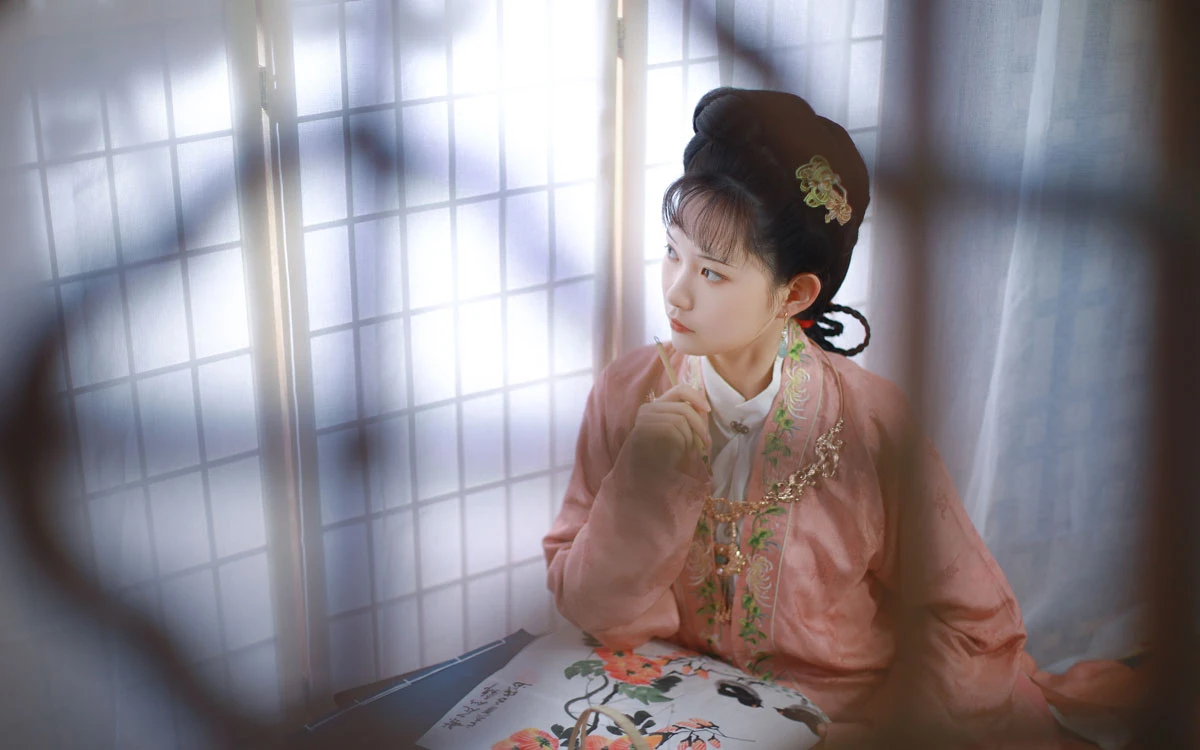
By the Tang and Song dynasties, the head wrap had become a widespread trend, with women wrapping entire heads in cloth, a style known as Baoji (包髻). This wasn’t limited to any one class; it turned into a popular hairstyle across society, demonstrating how a humble item could unite people in shared fashion. In Yuan times, variations emerged, like the Za Ezi (紥额子), where a strip of cloth was wound around the forehead to tame stray hairs or add decorative flair. These innovations show the creativity behind what might seem like a basic accessory, with each adaptation reflecting changing tastes and needs. Through these evolutions, the head wrap maintained its role as a versatile tool, proving that in history, even the smallest details could carry significant cultural weight.
Modern Legacy
Today, the legacy of the head wrap lives on in various Chinese folk traditions, where it remains a symbol of practicality and cultural continuity. In some rural areas, women continue to use cloth wraps after coming of age, opting for them over more formal hairpieces for their ease in daily tasks and labor. This persistence shows how ancient habits endure, adapting to modern life without losing their essence. For example, during festivals or ceremonies, you might spot these wraps as part of traditional attire, serving as a nod to heritage while fulfilling the same old purpose of keeping hair in place. It’s a testament to how functional designs from the past can still find relevance, bridging generations through simple, effective solutions.
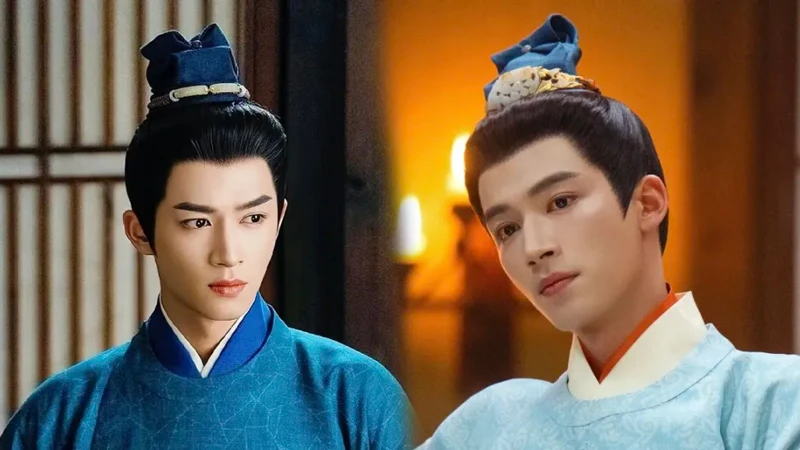
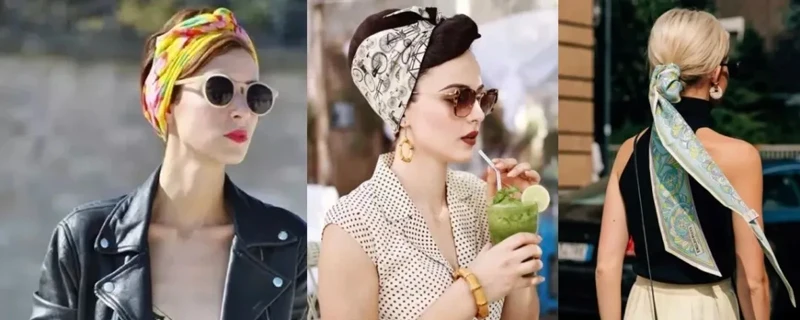
The influence of these historical wraps extends into contemporary fashion, where elements like headbands, scarves, and hair ties draw inspiration from ancient practices. Many people today use silk scarves or fabric bands to style their hair, unconsciously echoing the methods of their ancestors. This connection isn’t just about utility; it’s about aesthetics, as the clean lines and versatile wraps from history inspire modern designers to incorporate similar looks into everyday wear. By looking at old artifacts or dramas like Veil of Shadows, we can see how these ideas have trickled down, making ancient fashion feel fresh and accessible. It’s a reminder that style often cycles back, with past innovations informing present trends in subtle, meaningful ways.
Reflecting on this, it’s clear that the head wrap’s journey from ancient times to today highlights a universal truth: good design transcends eras. Just as people in the past used Pazi to manage their hair, we now rely on hair clips and bands for the same reasons, showing that human needs for neatness and expression haven’t changed much. This parallel invites us to appreciate the simplicity in historical artifacts, rather than always seeking grandeur. By understanding items like the head wrap, we gain insight into daily life across centuries, realizing that fashion isn’t just about luxury—it’s about solving everyday problems with creativity and grace, a lesson that resonates as much now as it did then.