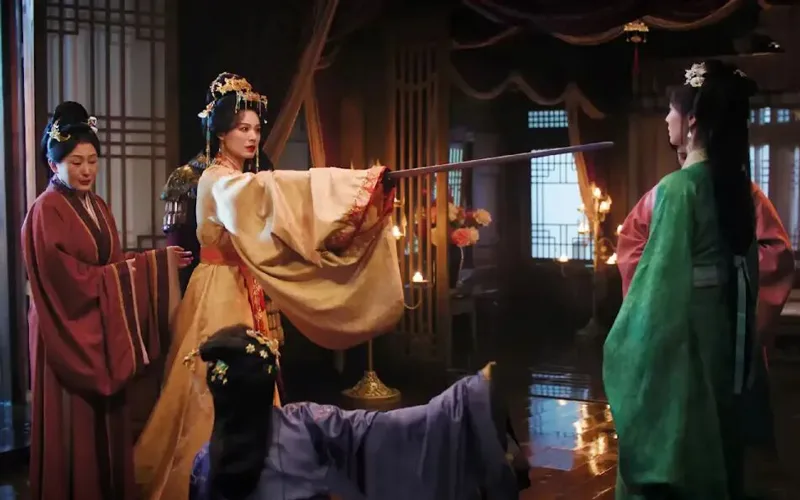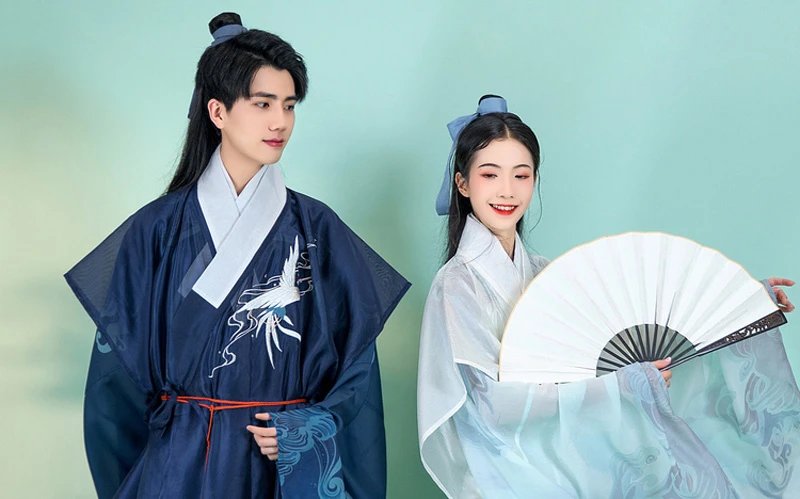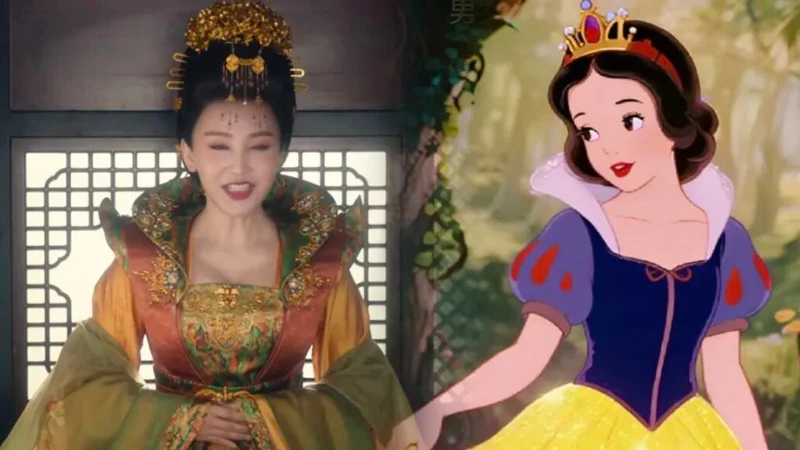
When viewers tuned into the historical drama Strange Tales of Tang Dynasty Ⅲ: Chang’an (唐朝诡事录之长安), a vibrant discussion erupted across social media platforms. The focus was not on the plot, but on the costume of a central character, Princess. Her gown, particularly its distinctive collar, bore a striking resemblance to the iconic outfit worn by Snow White from Western animation. This visual parallel prompted a wave of questions: Was this a deliberate borrowing from Disney? Does this design have any authentic roots in Chinese historical clothing, or is it a modern fabrication?
The conversation highlights a larger, ongoing debate about how contemporary media interprets and represents historical fashion, blending fact with creative liberty. This costume controversy serves as a fascinating gateway into examining the intricate dialogue between Eastern and Western aesthetic traditions, and how ancient styles are reimagined for modern screens.
Historical Inspirations
To understand the princess’s attire, one must look back at artifacts from the Tang Dynasty. Archaeological finds, such as ceramic dance figurines, reveal costumes with open necklines, often described as a U-shape or exposed collar. These garments, specifically used for performance, allowed for greater freedom of movement and an ethereal, flowing silhouette. The design typically involved layered sleeves and decorative elements that accentuated the dancer’s motions. This historical evidence confirms that open-collared robes were indeed part of the sartorial landscape in Chang’an, the bustling capital, though they were reserved for specific artistic contexts rather than daily wear.
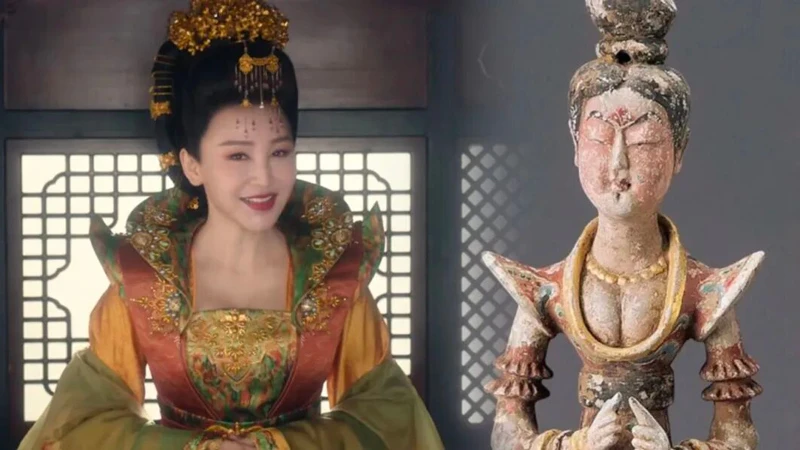
The drama’s costume designers likely drew inspiration from these ancient sources. However, a key difference emerges in the construction. The original Tang Dynasty costumes were primarily flat-patterned and relied on layering to create volume and shape. The fabric was not structured to stand away from the body in a rigid form. In Strange Tales of Chang’an, the collar appears more three-dimensional, hugging the neck and shoulders in a way that diverges from the flat, draped approach of classical Chinese tailoring. This shift from a two-dimensional to a three-dimensional design philosophy is a significant departure from historical techniques.
Another drama, The Longest Day in Chang’an (长安十二时辰), also featured similar dance costumes, but they too showed signs of modern reinterpretation. The sleeves and collars were manipulated to achieve a specific visual effect for the camera, often sacrificing the authentic, relaxed drape for a more defined shape. This adaptation raises questions about the balance between historical accuracy and cinematic appeal. While these creative choices make the costumes more dramatic on screen, they sometimes obscure the true nature of traditional garments, which prioritized comfort and a natural, unforced elegance.
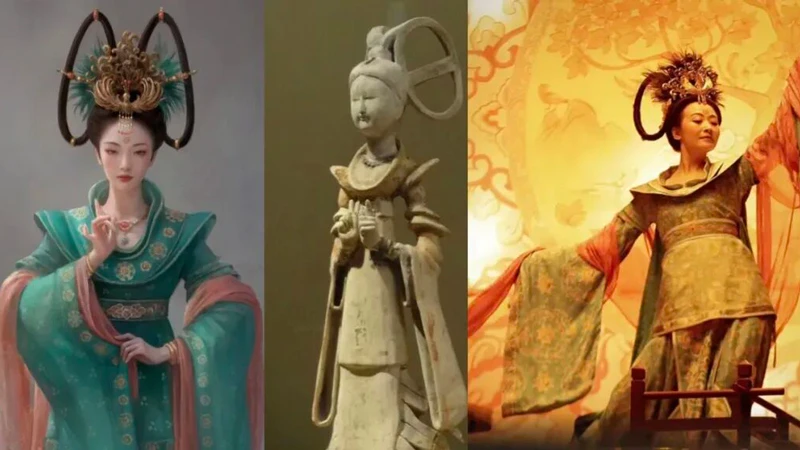
When comparing the drama’s collar to the artifacts, it becomes clear that the original U-neck was a flat opening, sometimes accentuated with a bordered edge. This created a graceful frame for the neck without adding bulk. The theatrical version, with its uplifted and structured collar, introduces an element that feels more aligned with Western methods of garment construction. This is not necessarily wrong, but it does reflect a fusion of design principles, where historical inspiration is filtered through a contemporary lens that values defined form over soft, flowing lines.
Western Echoes
The immediate association many viewers made with Snow White points directly to a famous European fashion: the ruff. This wide, pleated collar gained popularity in the 16th century, particularly among the nobility. Made from stiffened linen or lace, the ruff was designed to stand high around the neck, forcing the wearer to maintain a proud, upright posture. Its bright white color was not just a style statement; it symbolized wealth, status, and moral purity, as keeping it clean required significant resources and effort.
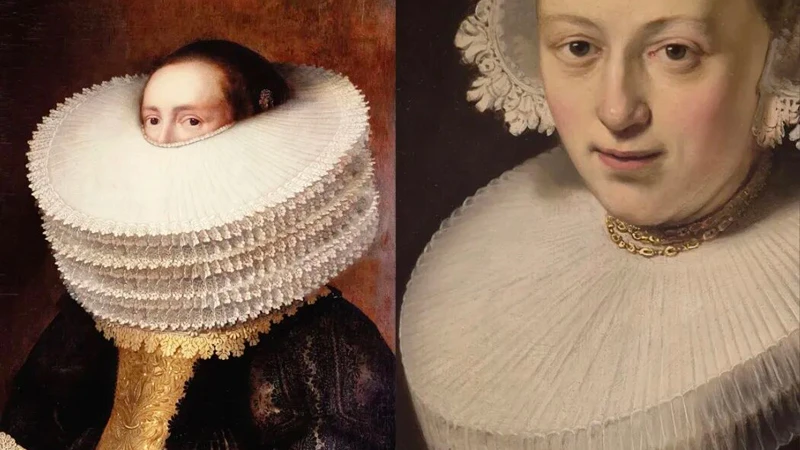
This European accessory was far from merely decorative. It served a practical purpose by protecting expensive outer garments from stains caused by hair oils and powders. In function, it shares a similarity with traditional Chinese elements like the Yunjian (云肩), or cloud collar, which was also a detachable shoulder piece used to protect clothing. However, their forms differ greatly. The ruff was rigid and architectural, while the Yunjian was often softer and more integrated with the garment’s flow. The animated Snow White’s collar is a stylized, softened version of this historical ruff, making it a recognizable icon of European fairy-tale fashion.
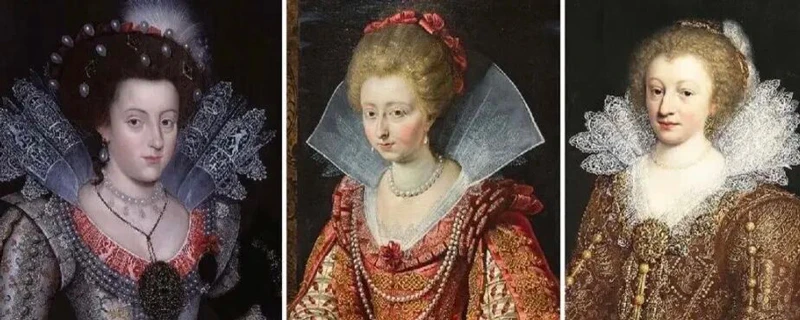
The evolution of the ruff is a story of changing tastes. By the 17th century, the extreme, oversized versions fell out of favor as they were impractical for daily life. They were simplified into smaller, more manageable collars. Yet, the aesthetic never completely disappeared. Its echo can be seen in modern “cottagecore” or romantic fashion trends that feature dramatic, high necklines and puffed sleeves. This demonstrates how historical European elements have been continuously adapted and recycled into contemporary style, just as Chinese motifs are reinterpreted today.
This cross-cultural comparison invites a broader reflection. If European riffs can inspire modern dresses, why can’t Tang Dynasty necklines influence today’s designers? The challenge lies in how this is done. Simply superimposing a three-dimensional structure onto a design philosophy that was inherently flat can feel dissonant. A more integrated approach might involve adapting the spirit of the U-neck—its elegance and openness—into modern cuts like scoop necks or boat necks, which are already staples in global fashion. This isn’t about claiming one culture over another, but about understanding how different tailoring traditions can inform and enrich each other in a globalized world.