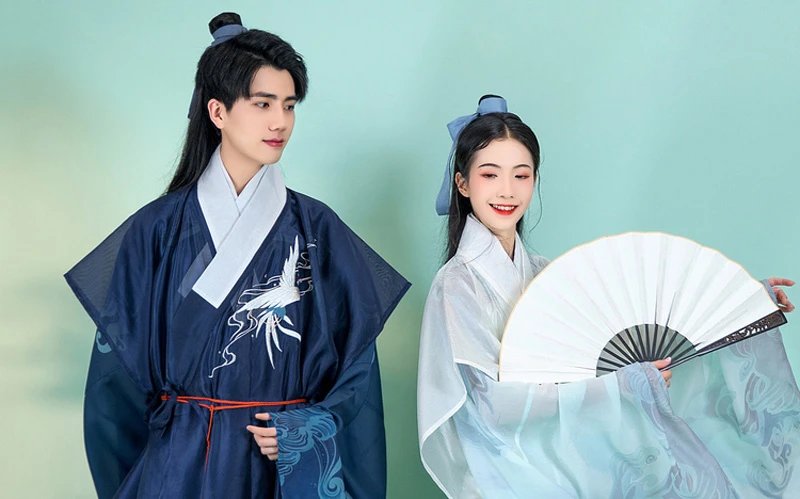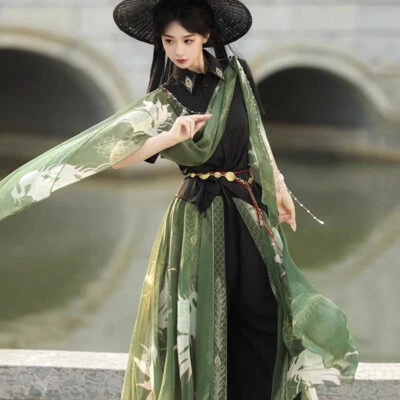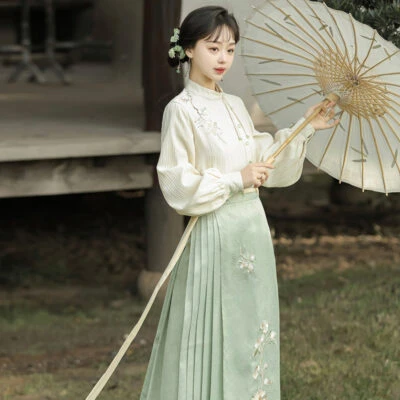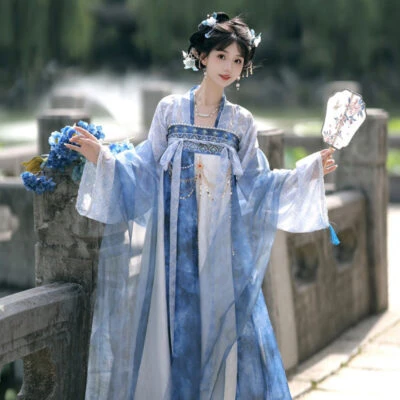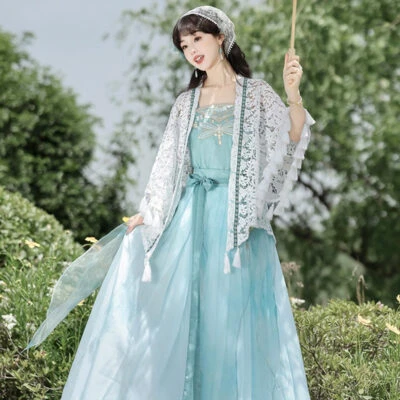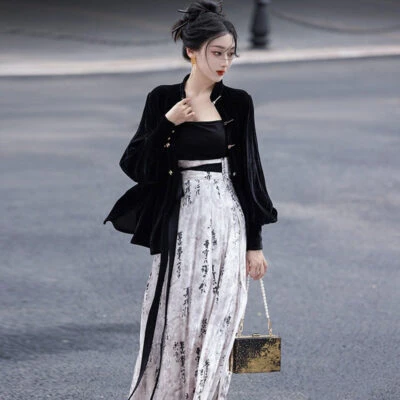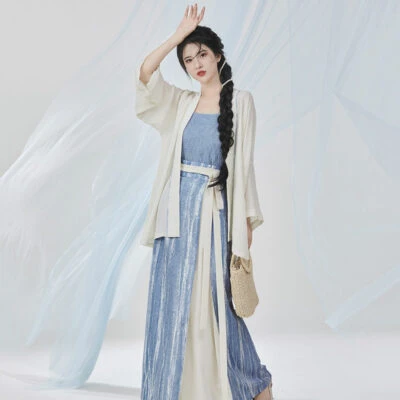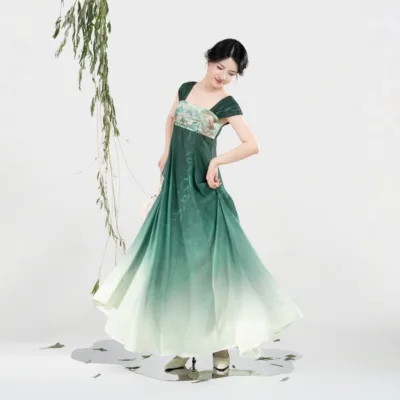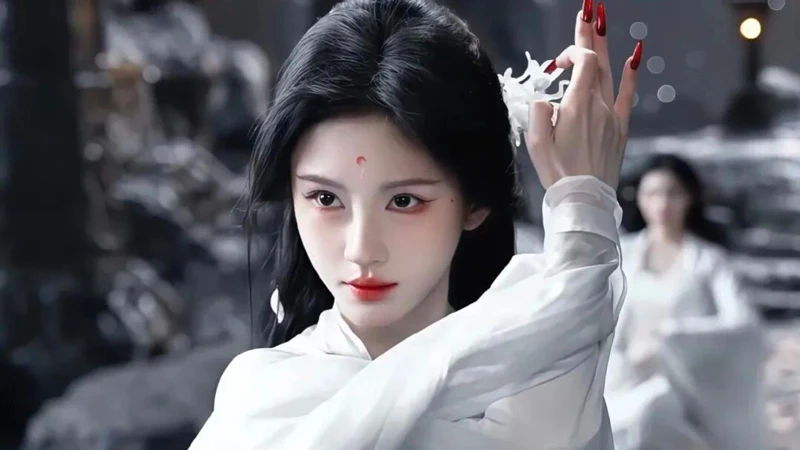
When we think of white in traditional Chinese context, many immediately associate it with mourning and funerals. This common belief often leads to misunderstandings when seeing characters in historical dramas dressed in pristine white garments. However, white’s role in Chinese sartorial history is far more nuanced and vibrant than mere symbolism of loss. From scholars expressing integrity to nobility showcasing elegance, white has woven itself into the fabric of daily life across dynasties. This article delves into the multifaceted journey of white clothing, challenging modern perceptions and revealing how this hue defined aesthetics beyond somber occasions.
Historical White
In the Ming Dynasty, white was a staple in wardrobes, especially among the elite. Women often wore Bai Ling Ao (白绫袄), a white silk jacket, during festive events like lantern festivals. These garments were not signs of grief but statements of sophistication. The natural whites used, such as Yu Du Bai (鱼肚白) or Yue Bai (月白), derived from organic dyes, offered a soft glow that complemented the surroundings. Unlike today’s stark industrial whites, these tones blended seamlessly with moonlit nights and colorful lanterns, enhancing the wearer’s grace without overpowering the scene.
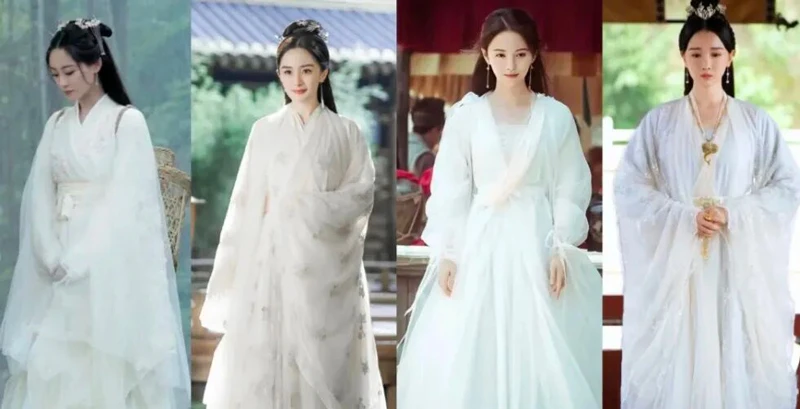
White also served practical purposes in everyday attire. It was commonly used for inner layers and collars in hanfu, acting as a versatile base that paired well with other colors. Scholars and intellectuals adopted white to symbolize their moral purity and detachment from worldly extravagance. Historical texts, including records from the Kong Family Mansion, show that white was reserved for high-status individuals during ceremonies, debunking the myth that it was solely for mourning. This widespread use highlights how white transcended simple color associations to become a marker of identity and refinement.
The misconception about white likely stems from later interpretations, where modern funerary practices influenced perceptions. Traditionally, mourning clothes were made of hemp in muted, off-white shades, not the bright white seen in contemporary settings. By examining artifacts and literature, it becomes clear that white’s prevalence in life was as significant as its role in death, illustrating a cultural appreciation for simplicity and neutrality that enriched Chinese fashion through the ages.
Color and Culture
White’s elegance lies in its ability to accentuate rather than dominate. In moments of celebration, such as the Lantern Festival, wearing white allowed individuals to stand out amidst a riot of colors without clashing. This principle of “less is more” made white a safe yet striking choice, ensuring the wearer remained the focus. The phrase “wanting to look charming, wear all white” encapsulates this idea, suggesting that white’s universal appeal minimizes fashion errors while highlighting natural beauty.
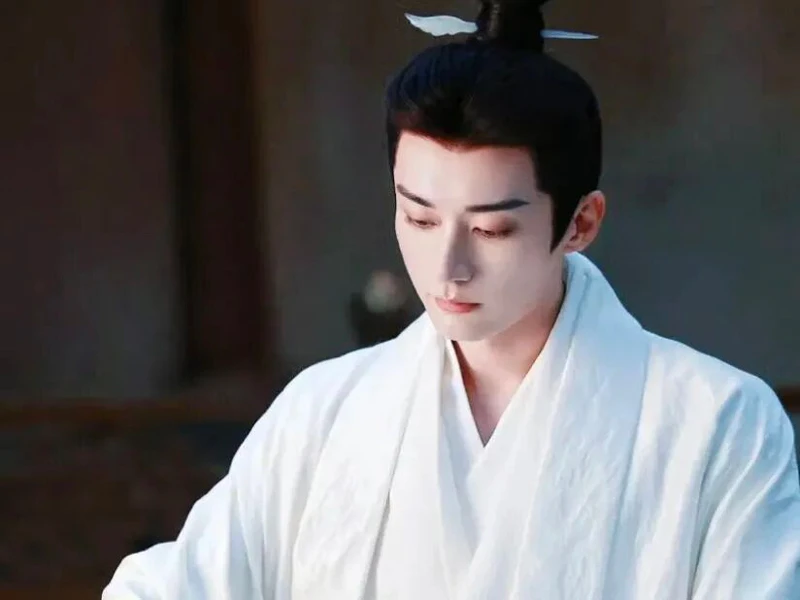
Culturally, white embodied values like clarity and humility, resonating with philosophical ideals from Daoism and Confucianism. It represented a return to basics, much like the concept of Ben Se (本色) or original color, which signified authenticity in rituals and personal conduct. This symbolic depth allowed white to function as a canvas for self-expression, where its simplicity spoke volumes about the wearer’s character and intentions, far removed from any morbid connotations.
Today, revisiting white’s legacy offers insights into sustainable fashion and timeless style. By understanding its historical context, we can appreciate how colors carry layered meanings shaped by era and environment. White in Chinese tradition teaches us that true elegance often emerges from understatement, encouraging a rethink of how we interpret cultural symbols in global fashion narratives.