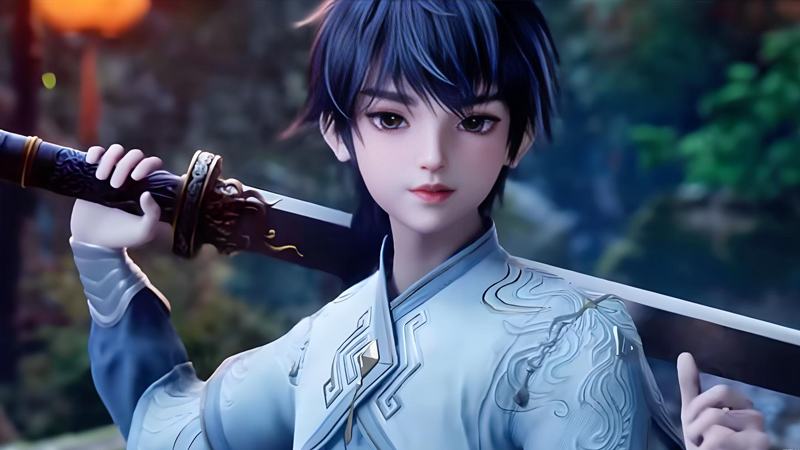
In a landscape where fantasy tales often rely on flashy special effects and predictable power-ups, The Demon Hunter (沧元图) emerges as a breath of fresh ink-washed air. This series, originating from the mind of author I Eat Tomatoes, reimagines the Xianxia genre by weaving traditional Chinese painting directly into its core mechanics. Instead of chanting spells or wielding swords, the protagonist harnesses the power of brushstrokes, turning artistry into combat and creativity into cultivation. The narrative unfolds in the troubled land of Cang Yuan Jie (沧元界), a realm besieged by demons and internal strife, where a young man's journey from vengeance to guardianship challenges every convention.
Through its novel approach, the story invites audiences into a world where every battle is a masterpiece in motion, and every character carries a depth that transcends typical hero archetypes. This unique fusion has not only captivated readers of the original web novel but also sparked a visual revolution in its animated adaptation, proving that some stories are better told with a brush than a blade.
Brush as Weapon
At the heart of The Demon Hunter lies a groundbreaking concept: the integration of Shuimo (水墨) painting into the cultivation system. Meng Chuan (孟川), the central figure, does not train through martial drills or meditation alone; his progress is measured by the elegance and power of his artwork. With each stroke, he channels spiritual energy, creating defenses that ripple like ink on paper or attacks that slash with the precision of a calligrapher's pen. This method transforms conflicts into dynamic, visually stunning sequences, avoiding the common pitfall of over-reliance on explosive CGI. Instead, viewers are treated to duels that resemble living scrolls, where the ebb and flow of battle mirror the artist's intent and emotion.
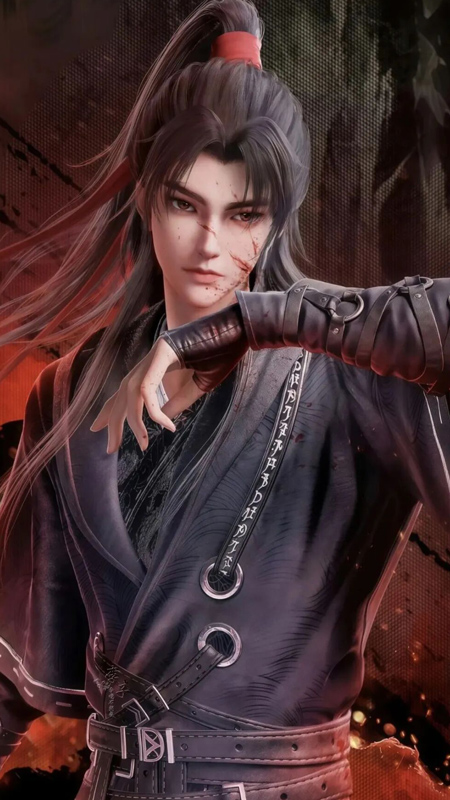
The setting of Cang Yuan Jie serves as more than a backdrop; it is a character in itself, shaped by the very artistry the series champions. Ancient forests and misty mountains are not just scenery but sources of inspiration and power for those like Meng Chuan. This deep connection between environment and ability emphasizes a theme of harmony with nature, a staple in Chinese philosophical thought. By rooting the fantasy elements in tangible, cultural aesthetics, the series offers a refreshing alternative to the generic, high-energy battles that dominate the genre. It is a reminder that strength can be found in subtlety and that true mastery lies in the balance between force and finesse.
What sets this approach apart is its accessibility. Unlike complex magic systems that require lengthy explanations, the idea of painting as power is instantly relatable. Audiences can grasp the stakes when a character's brush falters or triumphs, making the emotional journey as clear as the visual one. This simplicity allows the narrative to delve into richer themes, such as the cost of creativity under pressure or the legacy of artistic traditions in a modernizing world. Through Meng Chuan's eyes, we see how innovation can honor the past while forging new paths, a message that resonates beyond the screen or page.
Characters and Legacy
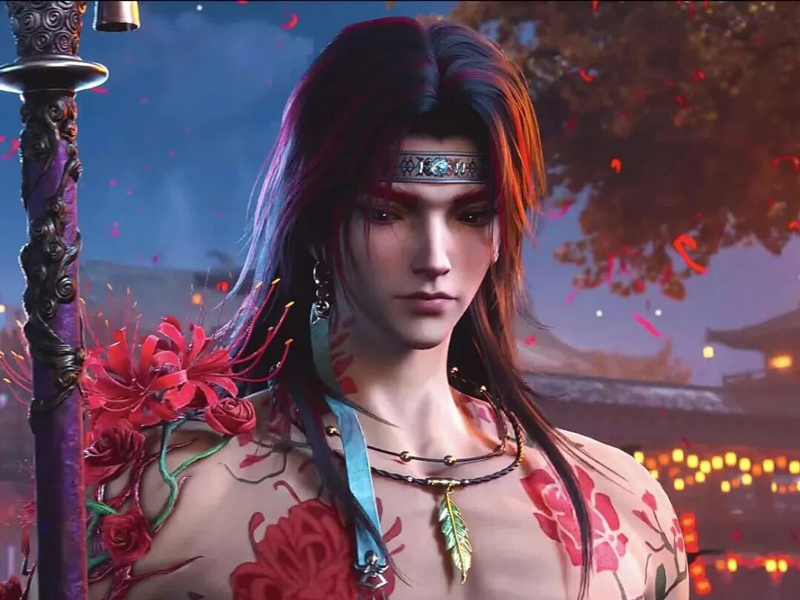
While Meng Chuan's evolution from a revenge-driven youth to a realm-protecting hero forms the spine of the story, The Demon Hunter shines in its ensemble cast. Figures like Mei Yuanzhi (梅元知) bring layers of tragedy and redemption, their personal struggles intertwining with the main plot to create a tapestry of human experience. In the animated version, particularly, these side characters are granted ample screen time, their arcs fleshed out with care that avoids the trap of making them mere satellites to the protagonist. This focus on group dynamics enriches the narrative, providing multiple perspectives on themes of loyalty, sacrifice, and the meaning of strength.
The adaptation from web novel to animation has been a tale of redemption in itself. Initially, the literary version faced criticism for a hurried conclusion that left subplots unresolved, disappointing long-time fans. However, the animated series seized this challenge, refining the pacing and enhancing the visual storytelling to compensate. By leveraging the medium's strengths—such as fluid animation that captures the grace of Shuimo art—it turned potential weaknesses into strengths. Scenes that might have felt rushed in text now unfold with cinematic grandeur, allowing viewers to savor each moment of character development or dramatic tension.
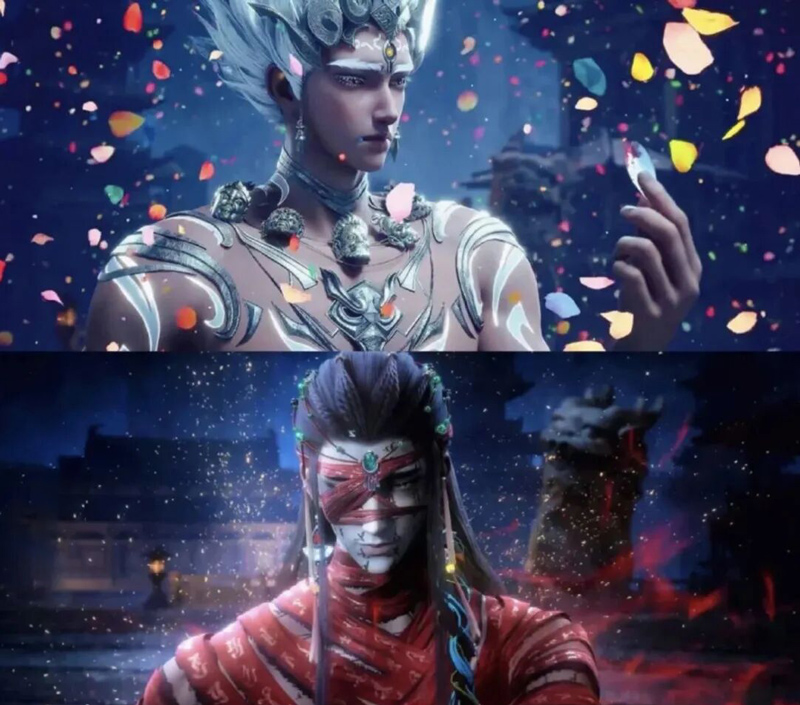
Looking beyond the plot, the legacy of The Demon Hunter extends into broader cultural conversations. It stands as a testament to the potential of Guochao trends, where modern media revitalizes traditional elements for global audiences. The series does not merely use Chinese aesthetics as decoration; it embeds them into the very fabric of its world-building and conflict resolution. This authenticity has helped it carve a niche in competitive markets, appealing to those weary of Western-centric fantasies. Moreover, it sparks discussions on how stories can evolve across platforms, with each adaptation learning from the last to deliver a more cohesive and immersive experience.
Ultimately, the success of The Demon Hunter lies in its ability to blend the old with the new, creating something that feels both familiar and revolutionary. As audiences continue to seek out narratives that offer more than escapism, this series demonstrates that the most powerful weapons might not be swords or spells, but the stories we tell and the art we create. It is a celebration of resilience, both in its characters and its own journey from page to screen, inviting everyone to pick up their own brushes—literal or metaphorical—and paint a brighter future.