Article
Search results:
-
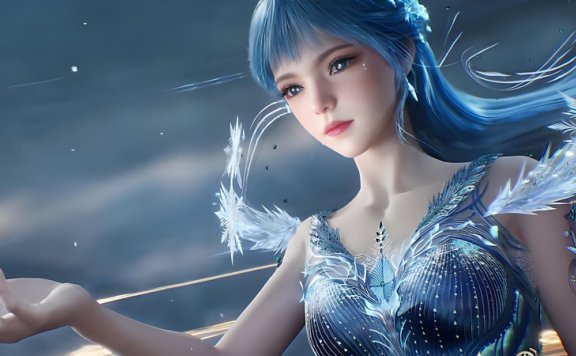
A Dual Martial Soul Master in Soul Land
In the realm of Soul Land (斗罗大陆), death is not an end but a gateway to an extraordinary new existence. This story follows Tang San, a devoted disciple from the Tang Sect in a previous life, who sacrifices himself only to awaken in a vibrant world where Martial Souls shape every aspect of life. At the age of six, each person awakens a unique Martial Soul, which can manifest as animals, plants, or objects, guiding their daily activities and potential. Those with innate energy can cultivate to become respected Soul Masters, defenders and adventurers in this rich landscape. Tang San (唐三), reborn with the rare dual Martial Souls of the Clear Sky Hammer (昊天锤) and Blue Silver Emperor (蓝银皇), embodies a powerful creed: "there are no useless Martial Souls, only those who fail to persevere." His journey weaves through friendships, heartbreaks, and epic confrontations, revealing how determination can transform destiny in a land where the ordinary becomes legendary. Awakening and Bonds Tang San's new life begins in a quiet village, where he quickly stands out due to his full innate soul power, a rare gift that marks him for greatness. He enters the Nuoding Academy, a place where young souls hone… -
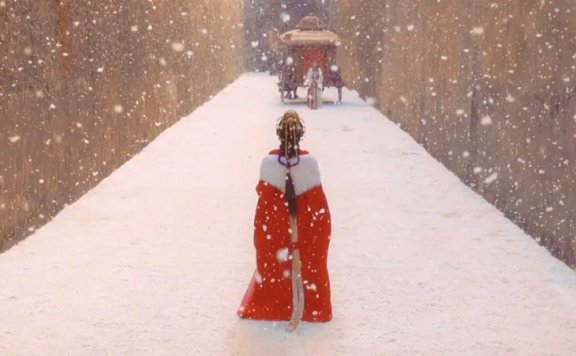
How Did Red in Snow Become a Signature of Eastern Beauty?
Have you ever paused during a winter scene in a film, struck by the image of a figure in brilliant red against a pristine white landscape? This visual, often called "red clothes in white snow," feels instinctively beautiful to many in Eastern cultures. It is not just a random preference but a deeply ingrained aesthetic that appears in literature, cinema, and even personal fashion choices. Why does this specific contrast resonate so strongly? The answer lies in a blend of historical symbolism, natural visual effects, and cultural narratives that have evolved over centuries. This article examines the origins and modern manifestations of this enduring imagery, revealing why it continues to captivate hearts and minds across generations. Historical Roots The appeal of red attire in snowy settings can be traced to classical Chinese poetry and idioms. One early example is the phrase "Red clothes win snow", which translates to "red clothes surpass snow." It comes from a poetic line depicting a woman in red standing alone by a river as snow falls, her vibrant garment contrasting sharply with the white surroundings. This imagery symbolizes resilience and individuality amid isolation, a theme cherished in Eastern art. Poets like Lu Meipo (卢梅坡) expanded… -
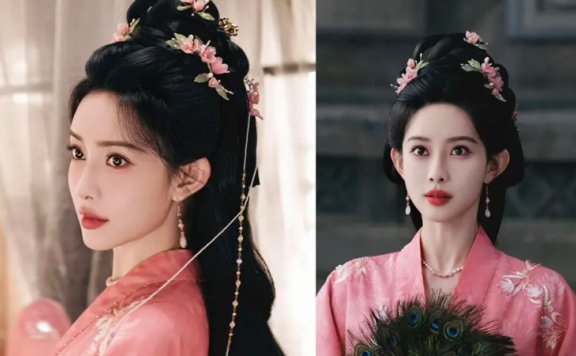
Why Are Some Girls Called Rotten Peaches?
Calling a girl a peach has always been a compliment. But a new term is circulating online, painting a very different picture: the 'Rotten Peach'. This label describes someone whose sweet, innocent appearance, reminiscent of a blushing peach, hides a manipulative or cruel nature. It is a modern, cynical twist on an ancient tradition of using floral and fruit imagery to describe feminine beauty. To understand this evolution, one must look back at how deeply the peach is rooted in Chinese cultural imagination, from classical poetry to traditional aesthetics, and see how a symbol of pure youth acquired its darker double. Poetry's Blushing Bloom For centuries, the peach blossom was the ultimate emblem of a young woman's vibrant beauty. The connection is ancient and profound. The classic Book of Songs (诗经) contains the line, "The peach tree is slender and sturdy," using the dazzling sight of a blooming peach tree to celebrate a bride's grace and vitality. This metaphor was endlessly repeated and refined by poets. Cui Hu (崔护) from the Tang Dynasty wrote nostalgically of a girl's face glowing like a peach blossom. Wang Shifu (王实甫), in his iconic play The Romance of the Western Chamber (西厢记), described his… -
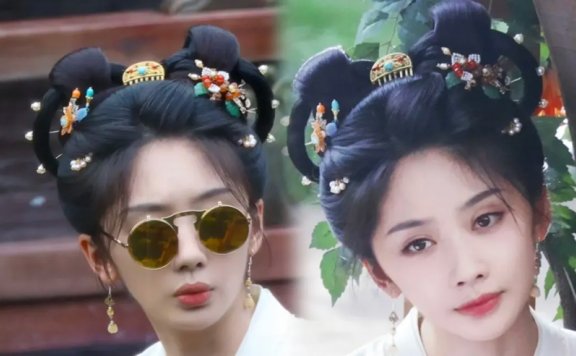
How Yummy Yummy Yummy Brings Back an Ancient Chinese Hairstyle
In the captivating world of historical Chinese dramas, Yummy Yummy Yummy (宴遇永安) has sparked a wave of admiration for its attention to authentic details, particularly through the character Bao'er Jie (宝儿姐) played by Wang Yinglu (王影璐). Her hairstyle, often described as irresistibly youthful, has become a talking point among viewers and fashion enthusiasts alike. This look, rooted in ancient traditions, showcases how classic elements can feel fresh and modern. It draws from a style known as the Shuang Huan Ji (双鬟髻), a double loop bun that historically symbolized innocence and youth. As audiences delve into the drama's visual storytelling, they uncover layers of cultural depth that connect past and present. The appeal lies not just in aesthetics but in the storytelling power of such details, making characters like Bao'er Jie relatable and vibrant. This resurgence of interest highlights a broader trend where historical accuracy meets contemporary beauty standards, inviting everyone to appreciate the artistry behind these designs. Ancient Origins The Shuang Huan Ji hairstyle traces its roots to early Tang Dynasty China, with evidence from artifacts and texts indicating its use among young girls and servants. In historical contexts, this style was practical for those with less hair volume, as… -
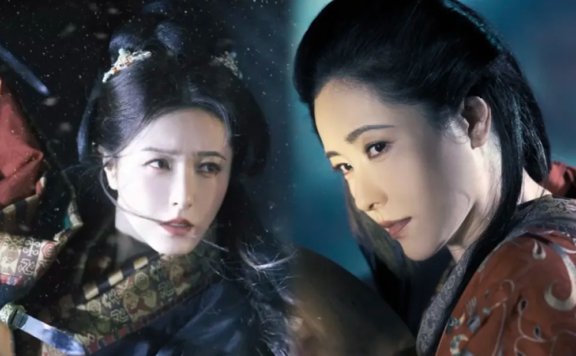
Why Did Netizens Mistake Zeng Li's Hanfu for a Japanese Kimono?
When actress Zeng Li (曾黎) shared a photoshoot featuring a traditional Hanfu outfit known as the Warring States Robe, the online reaction was swift and divided. Many viewers incorrectly identified the garment as a Japanese kimono, sparking comments that questioned her cultural choices. This immediate confusion reveals a common issue where Chinese traditional dress is often misattributed to other East Asian cultures. The incident highlights how visual similarities can lead to misunderstandings, especially when historical context is overlooked. This discussion will explore the distinct characteristics of the Warring States Robe, its roots in ancient China, and the reasons behind such frequent mix-ups. By examining these elements, we can better appreciate the richness of Chinese heritage and address the need for broader cultural awareness. Historical Roots The Warring States Robe traces its origins to the Warring States period, a transformative era in Chinese history from 475 to 221 BCE. Key artifacts come from the Mashan No.1 Chu Tomb (马山一号楚墓), where archaeologists uncovered well-preserved clothing like the straight-hemmed robe. These findings provide a tangible link to the past, showing how nobility dressed during that time. The robes from this site have been carefully replicated, allowing modern wearers to connect with ancient traditions.… -
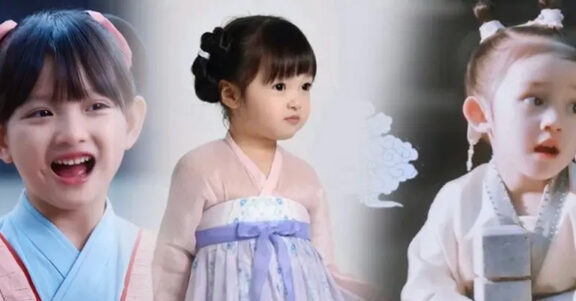
Historical Dramas Embrace China’s Dynastic Kids’ Hair Cultures
Have you ever noticed how children in historical dramas often sport adult-like hairstyles, stripping away their youthful charm? Recently, shows like The Mo (家业), Flourished Peony (国色芳华), and Joy of Life (庆余年) have sparked discussions by featuring young characters with age-appropriate hairdos, mirroring authentic ancient Chinese practices. This shift not only delights audiences but also revives interest in the nuanced traditions of childhood in dynastic eras. Instead of forcing kids into miniature adult roles, these productions embrace the distinct phases of hair growth that defined youth in places like Tang or Song Dynasty households. From shaved heads to playful tufts, each style tells a story of growth and cultural identity, making it clear that historical accuracy can enhance storytelling without sacrificing cuteness. As viewers, we are drawn into a world where every braid and bundle reflects a child's journey, reminding us that innocence deserves its own spotlight. Hair Growth Stages In ancient China, a child's hair journey began with the shaving of infant hair, known as Tai Fa (胎发), to encourage thicker growth. This initial phase, depicted in classical paintings, often featured a simple, triangular patch of hair at the crown called Tiao (髫), which hung loosely and symbolized early… -
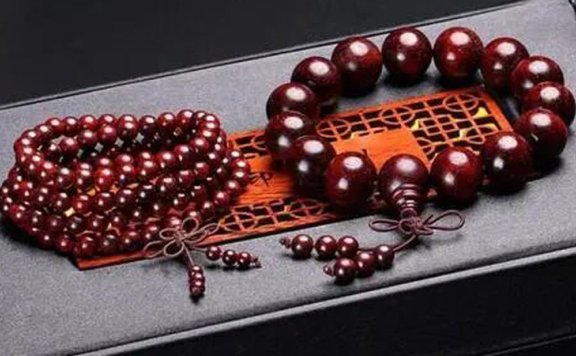
Secrets from The Bead Collecto: Unveiling Prayer Bead Patina
In the touching drama The Bead Collector, a young apprentice in a Beijing temple learns about life through caring for Buddhist prayer beads, or Fozhu (佛珠), discovering how Baojiang (包浆) forms a bridge between past and present. This patina, a glossy, amber-like surface, develops over years of mindful handling, turning simple wood into a reflection of dedication and time. It starts with the natural oils in precious woods like Zitan (紫檀) and Huanghuali (黄花梨), which slowly oxidize and blend with human touch, creating a warm, resilient sheen. Unlike quick polishing methods, this process thrives on patience, echoing the slow, deliberate pace of monastic life and offering insights into how small, consistent actions can lead to profound beauty. As the drama unfolds, the beads become silent narrators of stories, their evolving surfaces capturing moments of joy, struggle, and peace, much like the wrinkles on a wise elder's hands that speak of experiences lived fully. Patina Formation The birth of Baojiang begins when a bead owner starts interacting with their Fozhu regularly, allowing the innate oils in woods such as Zitan to seep out and react with air. This natural oxidation process forms a hard, shiny layer over months or years, without… -
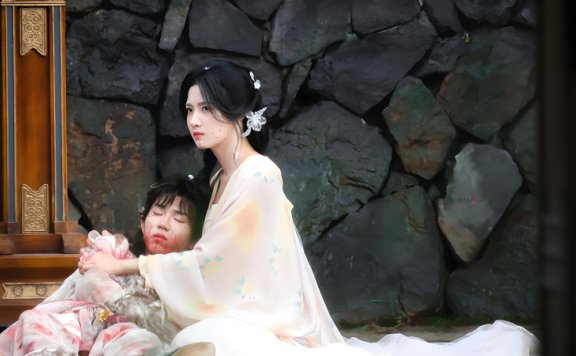
Love in the Clouds Pairs Cunning Leads And Poetic Detail
This year's historical drama offerings have largely missed the mark. Legend of The Female General (锦月如歌) leaned on romance but suffered from plot holes, while Moonlit Reunion (子夜归) became mired in predictable political grimness. The Journey of Legend (赴山海) presented visual splendor yet failed to make its characters resonate. Into this field steps Love in the Clouds (入青云), an adaptation of Bai Lu Cheng Shuang's (白鹭成双) novel that immediately distinguishes itself. The show’s core is a clever "double strong disguise" dynamic, where central figures conceal their full capabilities. This setup drives a narrative filled with strategic tension and genuine surprises, all delivered through a polished production that values coherence over empty spectacle. Its approach feels like a direct response to audience fatigue with repetitive tropes. Given the significant pre-release momentum, this drama is positioned to make a substantial impact. It demonstrates that the genre can still offer intelligent and engaging stories when it moves beyond established formulas. Plot Structure Beyond Traditional Xianxia Xianxia stories often paint worlds of epic clashes between divine and demonic forces, but Love in the Clouds chooses a different path. Set within the confined realms of He Xu Liu Jing (合虚六境), the narrative unfolds around the… -
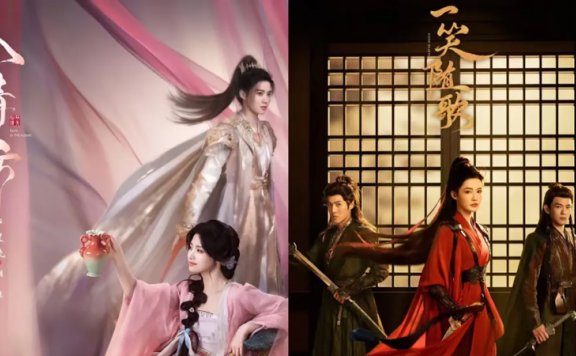
Love in the Clouds vs Fated Hearts: A Stark Contrast in Period Dramas
Two new costume series, Fated Hearts (一笑随歌) and Love in the Clouds (入青云), recently premiered, inviting immediate comparison. After viewing the first four episodes of each, the difference in quality is stark. Fated Hearts presents a female general whose promising start is undermined by a formulaic plot. The story quickly relies on overused tropes like amnesia and cycles of repetitive conflict, failing its initial "power couple" premise. Excessive skin-smoothing filters further distract, making characters appear unnatural. In contrast, Love in the Clouds offers a refreshing dynamic. It begins with a stunning reversal where a detained convict defeats an undefeated female war deity. This sets the stage for a clever narrative where both leads, each hiding their true motives, engage in a tense and intelligent game of mutual deception. The production's attention to visual detail and nuanced performances makes the characters' interactions compelling. The distinct reception of these two shows underscores a clear shift in audience taste. Viewers are now drawn to solid scripts and thoughtful execution over familiar stars and hollow tropes. Noticeable Gaps in Plotlines Television dramas set in ancient or fantastical worlds have long captivated audiences, but recent offerings reveal a significant shift in what viewers expect from… -
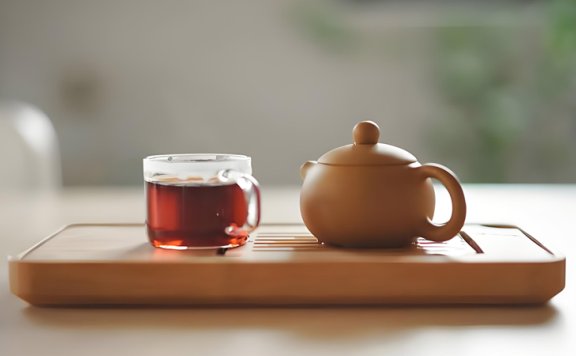
The Art of Chayi: Mastering the Elements of a Perfect Brew
In a quiet room, the simple act of making tea becomes a focused ritual. Chayi (茶艺) is this practice, where handling leaves and water demands care. It starts with selecting the right leaves, understanding that each type holds unique character. The process is not rushed; it is about presence and attention to detail. Four elements shape a good brew. First, the amount of tea relative to water sets the foundation. Too many leaves, and the drink turns sharp; too few, and it feels empty. Second, water heat is critical. Delicate greens need cooler temperatures to avoid bitterness, while robust blacks require near-boiling points to open up fully. Third, timing the steep is essential. Seconds can shift flavors from smooth to rough. Fourth, consider how many times you can reuse the leaves. Quality ones often yield multiple infusions, each revealing new notes. Adjusting these factors based on the tea variety—like oolongs that unfold over short steeps—makes the experience personal and dynamic. Beyond technique, the setting matters. The teapot, the cup, and the space around you influence the moment. It is a blend of method and mood, creating a pause in the day. Through practice, one learns to feel the balance, turning… -
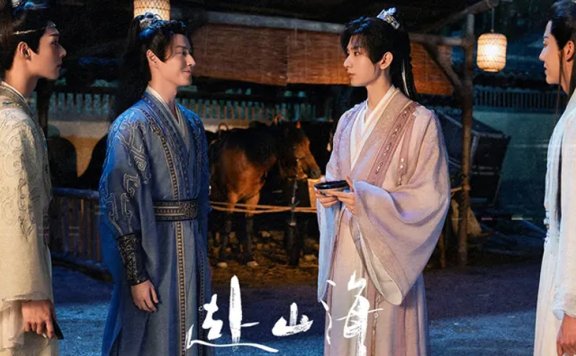
What Makes The Journey of Legend Stand Out?
In an unexpected narrative twist, a recent production blends contemporary elements with classic martial arts lore. The Journey of Legend (赴山海) presents a world where modern sensibilities collide with ancient traditions. The central figure, Xiao Qiushui (萧秋水), is not the legendary hero one might expect but a youth grappling with his identity in a Wuxia universe. His journey begins through a Chuanshu (穿书) experience, where he navigates this realm with a present-day perspective, leading to amusing incidents like the inclusion of a Mojito (莫吉托) beverage, reinterpreted to fit the setting. He initially appears as a clumsy, trouble-prone individual, far from the mighty warrior of original tales. Alongside three companions, they form a group that subverts typical hero tropes, focusing on growth through misadventures. Their interactions blend humor with genuine camaraderie, making the storyline feel fresh and engaging without relying on overused archetypes. This approach has struck a chord with viewers, resulting in impressive viewership numbers shortly after its debut. Streaming platforms have enhanced the experience with interactive features, allowing fans to participate in puzzles and earn rewards. Such initiatives foster a sense of community, turning the show into a shared cultural moment rather than just passive entertainment. The drama's success… -
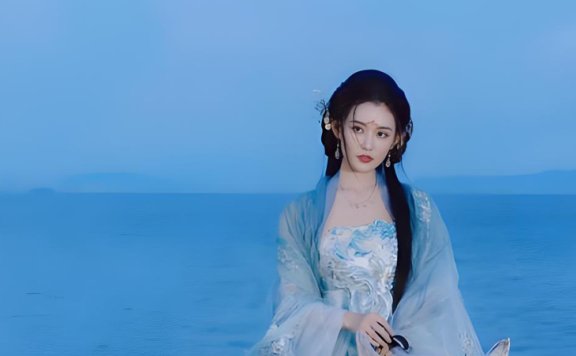
Unpacking Jiang Yiyi’s Xiapu Photoshoot
Is a photoshoot by the sea just a photoshoot, or is it a strategic move in an actress's career? When Jiang Yiyi (蒋依依) arrived in Xiapu (霞浦) County with its dramatic coastline, she wasn't just there to take pictures. The resulting series of images, drenched in the golden light of a late summer sunset, quickly amassed over 200 million views on Weibo. This wasn't merely a display of traditional Hanfu beauty against a stunning natural backdrop. It was a meticulously orchestrated event that laid bare the intricate mechanics of fame, aesthetics, and commerce in today's entertainment industry. The waves crashing behind her were not just scenery; they were a metaphor for the powerful, often unseen, currents shaping a young artist's path. The Engineered Image Every element in the Xiapu photoshoot was a calculated decision. The sea breeze, thick with salt, was a natural, unpaid special effect, making the thin gauze of the Hanfu dance authentically. The ocean itself served as a giant, organic reflector, casting a flawless, porcelain-like glow on her face. This clever use of nature created an illusion of effortless beauty, effectively masking the substantial investment behind the scenes. A single image of her on horseback became a… -
Will Luo Yunxi's Whispers of Fate Redefine Wuxia Storytelling?
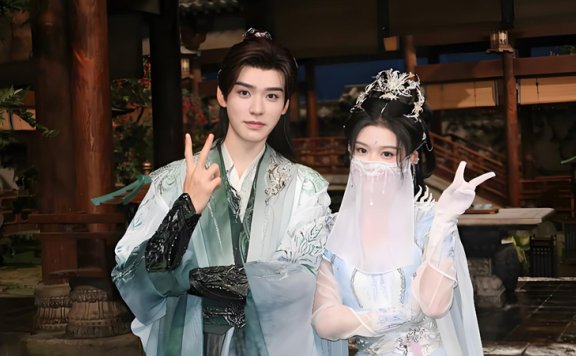
Fans of martial arts epics have a new reason to celebrate. The Wuxia drama Whispers of Fate (水龙吟) arrives on screens this October, bringing with it a wave of anticipation. Led by the acclaimed actor Luo Yunxi (罗云熙), the series boasts a cast of familiar faces and fresh talent, all set against the backdrop of a troubled Jianghu. This isn't just another tale of swordfights and honor; it promises a deeper journey into the psyche of its characters. Viewers can expect a story where personal redemption clashes with overarching duty, all woven together with visually stunning sequences that aim to push the boundaries of the genre. The show's blend of mystical elements and grounded emotional stakes could make it a standout entry in television this year. A Reluctant Hero At the heart of the narrative is Tang Lici (唐俪辞), a man desperately seeking peace. Having once led the powerful Extreme Joy Sect, he left that life behind, hoping to escape the endless conflicts of the martial world. His quiet exile is shattered when a brutal massacre forces him back into the fray. What he discovers is a web of conspiracy far more dangerous than he imagined. An old acquaintance from… -
Why Does Yummy Yummy Yummy Shine with Cast Gems but Falter in Lead Role?
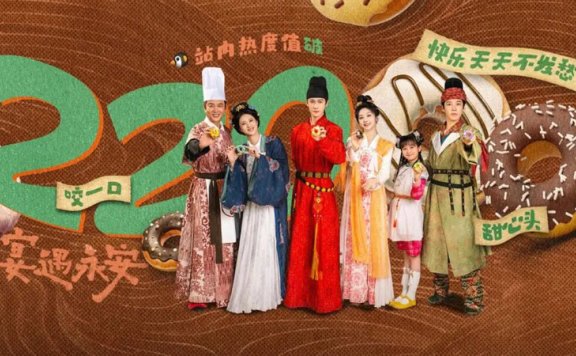
The new historical comedy Yummy Yummy Yummy (宴遇永安) transports viewers to the bustling streets of the Tang Dynasty (唐朝), where lavish banquets and intricate politics collide. This series, set against a backdrop of steaming delicacies and vibrant marketplaces, promises an escape into an era of cultural flourishing. With production design that meticulously recreates ancient architecture and traditional Hanfu costumes, the show immerses audiences in a world of sensory delights. From sizzling roasted camel to delicate steamed crabs, the culinary visuals are a feast in themselves, enhancing the playful tone of a story blending time-travel antics with detective twists. However, beneath this glossy surface lies a performance divide that has sparked heated discussions among fans, turning what could be a flawless gem into a polarized viewing experience. Standout Cast In Yummy Yummy Yummy, Li Yunrui (李云锐) delivers a captivating portrayal of Lin Yan (林晏), a official whose stern exterior masks a passionate food lover. He masterfully shifts between a sharp-eyed investigator and a joyful gourmand, using subtle eye movements and gentle smiles to reveal his character's layers. Whether he is unraveling clues in a tense scene or savoring a dish with childlike wonder, his performance feels authentic and engaging. This role… -
What Drives the Passion and Power in Love in the Clouds?
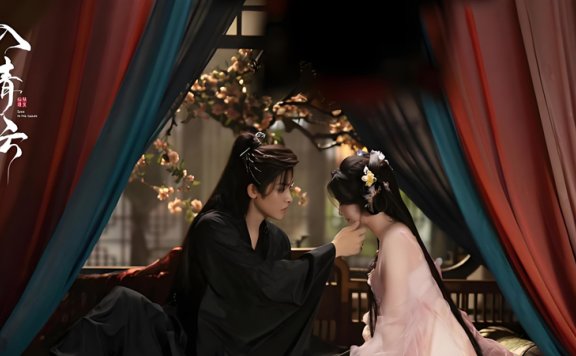
In the enchanting world of Love in the Clouds (入青云), a fantasy drama starring Hou Minghao (侯明昊) as Ji Bozai (纪伯宰) and Lu Yuxiao (卢昱晓) as Ming Yi (明意), viewers are swept into a realm where love clashes with ambition and old wounds fuel new conflicts. This series, set against the backdrop of Jixing Yuan (极星渊) and other mystical locales, weaves a tapestry of emotional depth and strategic intrigue. Rather than simply recounting plot points, this article delves into the core elements that make the story resonate, exploring character motivations, relational dynamics, and the subtle interplay of fate and choice. As we journey through key moments, we uncover how personal desires shape larger battles, offering a fresh perspective on this captivating narrative. Character Motivations Ji Bozai's journey from a marginalized figure to a central player in Jixing Yuan highlights themes of redemption and loyalty. His refusal of Tian Ji's (天玑) marriage proposal stems not from caprice but a deep-seated need for autonomy, reflecting how past hardships in Wu Gui Hai (无归海) influence his present actions. This decision sparks a chain of events where personal integrity outweighs political gain, drawing viewers into his internal struggle between duty and heart. Ming Yi,… -
How Did 4 Once-Celebrated Chinese Animes Turn Into Fan Disappointments?
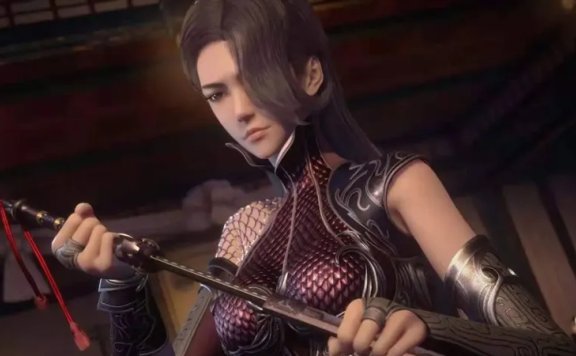
Chinese animation, known as Guoman, has captured global attention with visually stunning series and compelling stories. Initially, these works generate massive hype, drawing viewers into intricate worlds filled with memorable characters. Yet, a troubling trend surfaces where many top-rated shows gradually lose their appeal, frustrating audiences who once championed them. This phenomenon isn't just about isolated missteps; it reflects broader challenges in sustaining quality amid production pressures. By examining specific cases, we can uncover why fans feel let down and what it means for the future of Guoman. 1. The Legend of Qin (秦时明月) The Legend of Qin set a high bar for 3D animation in China, introducing viewers to a rich historical fantasy. Characters like Gaine became icons, with fight scenes that inspired international fans. However, the series began to falter as release schedules stretched to years between seasons. What started as a weekly delight turned into a test of patience, leaving audiences to wonder if the story would ever conclude. Narrative momentum suffered significantly in later seasons. Episodes often revolved around minor events, such as the extended stay on the Mirage Tower, which felt like filler content. The sixth season, in particular, shifted focus to side plots like… -
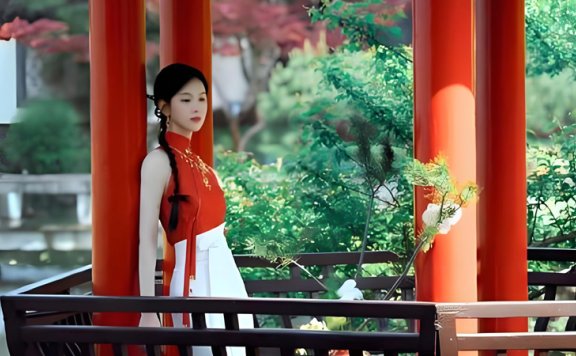
Chen Duling’s Zhuozheng Garden Hanfu Photoshoot
In an era dominated by fast-paced digital consumption, a recent photoshoot featuring Chen Duling (陈都灵) at Zhuozheng Garden (拙政园) has captivated millions, sparking conversations beyond mere aesthetics. Dressed in traditional Hanfu attire, her red and white ensemble against the garden's classical backdrop evokes a sense of timeless elegance. This imagery resonates deeply in a society grappling with constant noise, offering a visual pause that challenges modern beauty norms. Rather than a fleeting trend, it invites reflection on how authenticity and craftsmanship can thrive today. The response highlights a growing appetite for substance over speed, where every detail tells a story of cultural continuity and personal resonance. Craftsmanship Revived At the heart of Chen Duling's photoshoot lies an emphasis on meticulous artistry. Each element, from the hand-stitched Pan Kou (盘扣) buttons to the Baiyuzan (白玉簪) hairpin, was crafted by skilled artisans, underscoring a dedication to time-honored techniques. This attention to detail contrasts sharply with mass-produced Hanfu variants that prioritize speed over substance. The deliberate choice of materials and methods not only enhances visual appeal but also reinforces the garment's relationship with the wearer's form. It transforms clothing into a narrative of patience and precision, making beauty tangible through every thread and… -
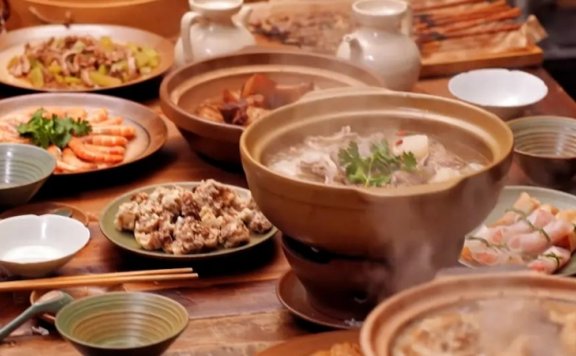
Can a Modern Family Conquer Ancient China with Cuisine?
In Yummy Yummy Yummy (宴遇永安), a contemporary Chinese family unexpectedly time-travels to the Tang Dynasty, bringing their culinary skills and modern business savvy to the ancient world. This fresh take on historical drama has captured viewers' attention, achieving impressive ratings shortly after its release. The series delivers a delightful mix of humor, heart, and historical ambiance, creating an experience that's both entertaining and unexpectedly moving. Plot The story follows the Shen family (沈家), who operate a struggling restaurant in modern times. During a marketing photoshoot at their ancestral home, now a tourist attraction called Yunshui Garden (云水苑), the entire family mysteriously transports to Yong'an City (永安城) in the Tang Dynasty. Forced to adapt quickly, they establish Shenji Food Shop, introducing Yong'an residents to modern delicacies like Jianbing Guozi (煎饼果子) and hot pot, while navigating the complexities of ancient society. Their entrepreneurial efforts attract the attention of Lin Yan (林晏), the newly appointed Chief Official of Yong'an. Initially at odds due to his strict enforcement of market regulations, Lin Yan eventually becomes both an ally and love interest for Shen Shaoguang (沈韶光). The relationship dynamic grows increasingly comical when the family discovers Lin Yan is actually their ancestor, leading to awkward… -
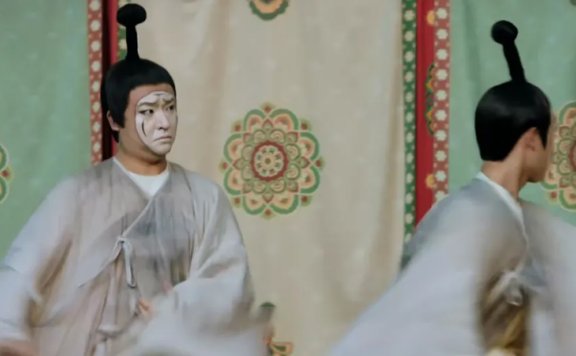
Why Do Exotic Costumes Keep Emerging in Ancient-Style Dramas?
Why Did Wearing the Wrong Outfit Used to Be a Crime? Imagine living in an era where your choice of clothing could lead to public shaming, imprisonment, or even execution. Throughout much of Chinese history, what one wore was never just a matter of personal style. It was a direct reflection of social status, moral character, and political loyalty. The concept of Fuyao (服妖), or "deviant dress," was a serious social transgression. This term described any attire, including hairstyles, accessories, and makeup, that broke established sumptuary laws or challenged conventional aesthetics. In a society governed by Confucian principles, clothing was a legible code. It told everyone who you were and where you belonged. To disrupt this code was to disrupt the social order itself, an act that authorities and the public viewed with suspicion and fear. Defining Deviance The historical record provides clear definitions of this phenomenon. The Book of Han (汉书) states that when customs become frivolous and people change their manners, they adopt strange and lightweight clothing, thus creating Fuyao. This was more than a fashion faux pas; it was an omen. Periods of significant social upheaval, particularly towards the end of dynasties, often saw a rise in… -
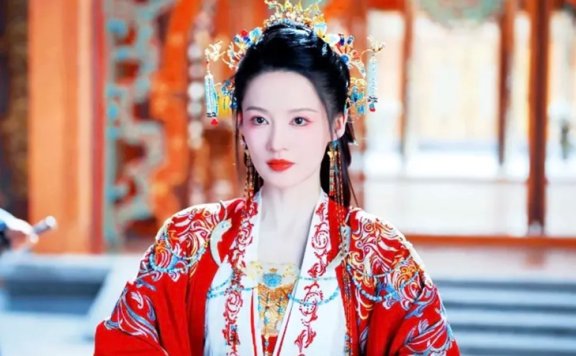
What Are Those Graceful Chains Adorning Li Qin in Fated Hearts?
In the captivating historical drama Fated Hearts (一笑随歌), actress Li Qin (李沁) mesmerizes viewers with costumes that blend simplicity with intricate detail. One standout feature is the delicate web of chains and beads draped over her garments, which shimmer and dance with every movement, especially during elegant sword sequences. This accessory, known as Yingluo (璎珞), is far more than mere decoration; it is a nod to a rich cultural legacy that has evolved over millennia. Its presence on screen sparks curiosity about its origins and significance, inviting us to explore how ancient traditions find new life in modern storytelling. Ancient Origins The story of Yingluo begins in ancient China, with traces found as early as the Warring States period. Excavations at sites like the Majiayuan Cemetery (马家塬墓地) revealed net-like ornaments used as headpieces or necklaces, though they might not have been called Yingluo at the time. These pieces often symbolized status and wealth, crafted from materials that reflected the wearer's rank. Classical texts, such as the Yupian (玉篇) dictionary, define "Ying" as a jade-like stone and "Luo" as strung jewels, highlighting the accessory's luxurious roots and its role in distinguishing the elite. As dynasties shifted, Yingluo gained prominence during the…