Why does a play about a fading teahouse still resonate deeply with modern audiences? Teahouse (茶馆), written by Lao She (老舍) in 1957, remains a cornerstone of Chinese theater, captivating viewers nearly seventy years later. Set entirely within the walls of Yutai Teahouse (裕泰茶馆), this masterpiece uses a single location to reflect the immense social and political upheavals in China across five decades. Instead of focusing on grand historical figures, it turns its lens on the ordinary people—the patrons, the owners, the hustlers—whose lives are buffeted by forces beyond their control. The teahouse becomes a microcosm of the nation, a stage where personal dreams and despairs intertwine with the fate of a country in flux. Its enduring power lies not in political commentary, but in its raw, compassionate portrayal of humanity struggling to find dignity and a means of survival amidst chaos.
Performance Time:
Saturday, November 15th, 2025 at 19:30
Venue:
Zunyi Grand Theater Opera Hall
A Triptych of Time
The structure of Teahouse is a bold narrative feat, compressing fifty turbulent years into three distinct acts. Each act revisits the same setting, allowing the audience to witness the physical and social decay of the establishment and its patrons. The first act, set in 1898 after the failed Hundred Days' Reform, presents a bustling teahouse where a vibrant cross-section of late Qing society gathers. Despite an air of prosperity, the fear of authority is palpable, with signs warning "No Discussing State Affairs" plastered on the walls. Here, we meet the optimistic Qin Zhongyi (秦仲义), who believes industrial enterprise can save the nation, and the forthright Chang Siye (常四爷), whose candid criticism of the government leads to his arrest.
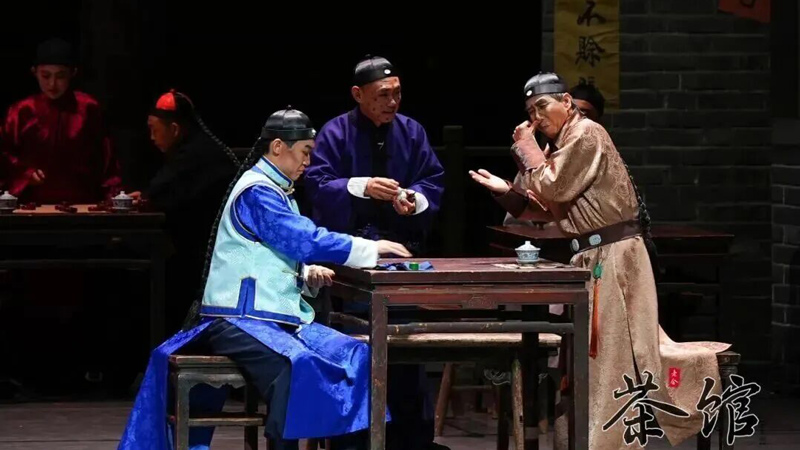
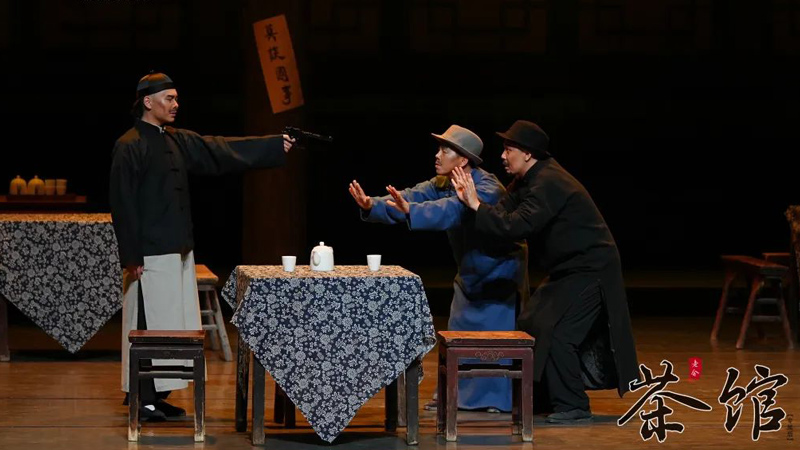
When the curtain rises on the second act, the world has shifted. It is the early Republic of China era, a time of warlord conflicts. The proprietor, Wang Lifa (王利发), has tried to modernize, adding a gramophone and converting space into rental apartments to keep business afloat. Yet, the social disorder outside relentlessly intrudes. Corrupt secret police officers like Song Enzi (宋恩子) continue their extortion under new masters, and the desperation of the times is epitomized by two soldiers seeking to share a wife. The teahouse, like the society it mirrors, is adapting merely to survive, not thrive, its earlier vitality seeping away.
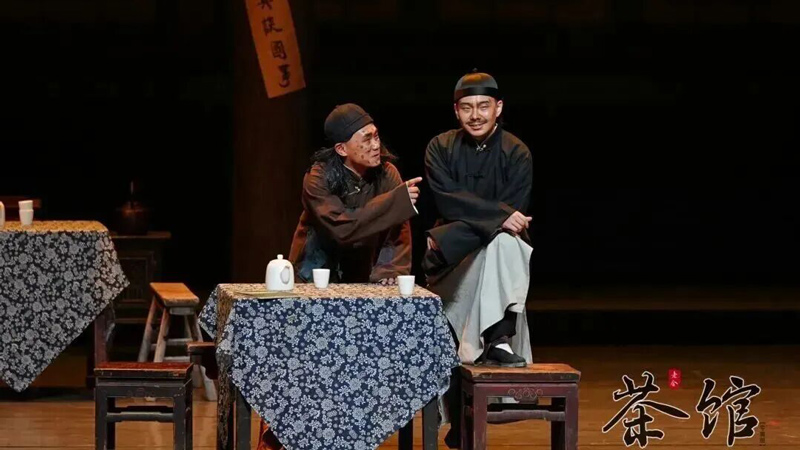
The final act takes place after the Anti-Japanese War, under the corrupt Guomindang rule. The Yutai Teahouse is now a shabby shadow of its former self, and the "No Discussing State Affairs" notices are larger and more numerous. The main characters have been broken by the relentless march of history. Wang Lifa is an old man facing the end of his line, Qin Zhongyi's factory has been confiscated, and Chang Siye survives as a humble street vendor. In a profoundly moving scene, the three elderly friends gather in the deserted teahouse to mourn not only their own lives but the passing of an era, performing a symbolic funeral for themselves before Wang Lifa meets his final fate.
Humanity in Focus
Beyond its historical scope, the genius of Teahouse is its refusal to paint characters in simple shades of good or evil. Lao She presents each person as a product of their circumstances, deserving of empathy. Wang Lifa's constant compromises and obsequious nature are not signs of weakness but strategies for preservation. His life is a lesson in pragmatic survival, navigating the demands of corrupt officials, soldiers, and patrons to keep his business and family safe. Similarly, characters like the cynical matchmaker Liu Mazi (刘麻子) represent the moral decay that festers in unstable times, where exploitation becomes a normalized means of existence.
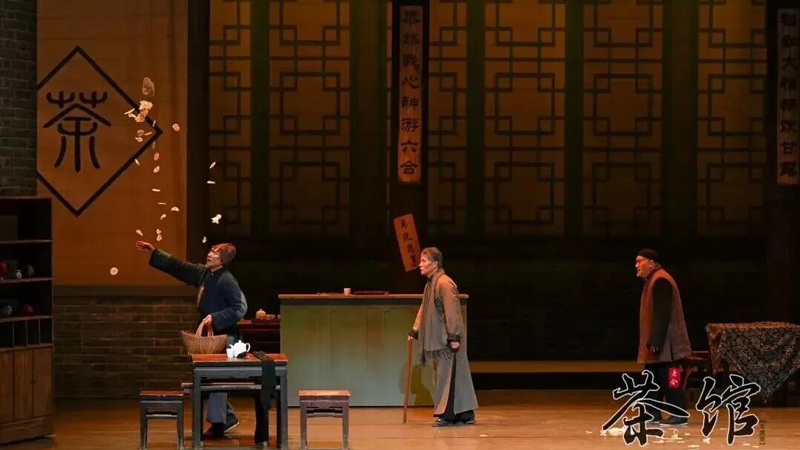
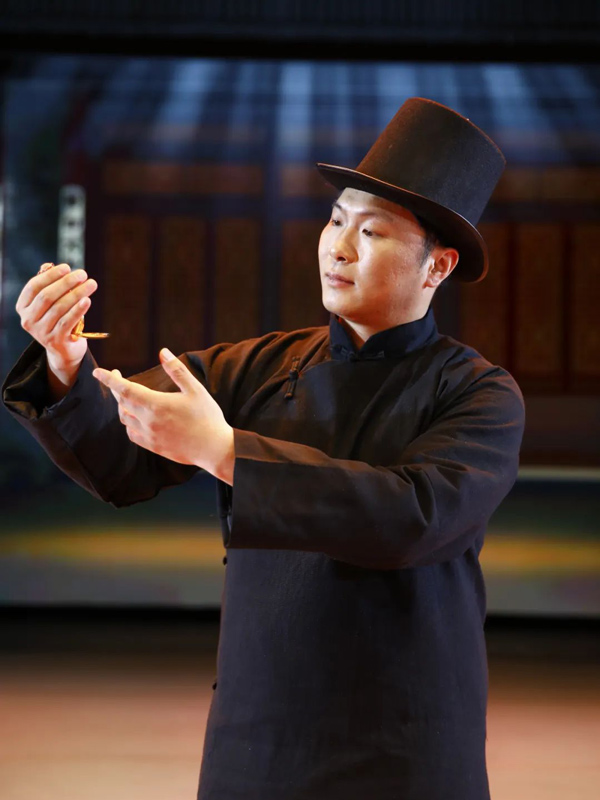
Modern productions, such as the exclusive version referenced, delve into this human depth with fresh intensity. They often employ a performance style that prioritizes the character's inner world over actorly flourish, a method that could be described as "losing oneself in the other." This approach strips away theatricality to reveal the raw nerves of fear, hope, and resignation. The rhythm of the dialogue and action is meticulously calibrated not for dramatic effect, but to build a subtle, accumulating emotional resonance that allows contemporary audiences to connect with these century-old struggles on a personal level.
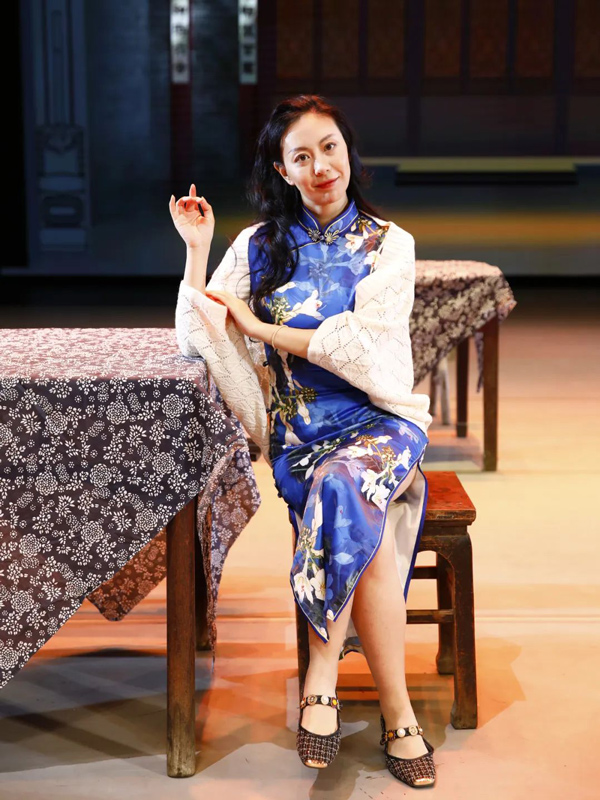
The exclusive staging also makes innovative directorial choices to enhance immersion. A notable technique is the elimination of curtain falls between acts. Instead of a blackout, the audience watches the teahouse decay in real-time, its furniture aging and its spirit dimming before their eyes. This continuous flow mirrors the inexorable passage of time and loss. Coupled with a meticulous recreation of Beijing's cultural textures—the specific accents, gestures, and atmosphere known as Beijing flavor (京味儿)—the production becomes an immersive archaeological dig into a vanishing world, making the past feel immediate and tangible.