
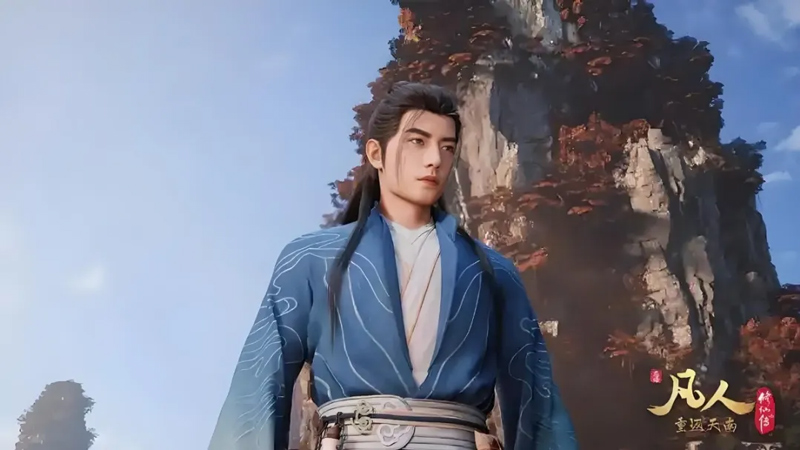
In the ruthless world of cultivation, where power often dictates alliances, Han Li (韩立) stands out for his unconventional approach to mentorship. Unlike major sects that prioritize family prestige or innate genius, his method reflects a deeper wisdom.
Through his journey in A Record of a Mortal’s Journey to Immortality (凡人修仙传), he selects disciples based on a blend of circumstance, potential, and personal principles. This exploration delves into the stories behind his choices, revealing how each apprentice reflects a unique facet of his philosophy. From the human world to the spirit realm, his criteria evolve, yet remain rooted in a pragmatic assessment of character and capability.
1. Liu Yu (柳玉)
Liu Yu entered Han Li's life through a chance encounter involving a Six-Winged Frost Centipede. Originally a core formation cultivator from the Demonic Path, she came from a fallen family with no living ties. Her lack of attachments made her an ideal candidate. Han Li saw in her a blank slate, free from familial obligations that often complicate loyalties.

He initially accepted her as a nominal disciple through a transactional agreement. Over time, she proved her worth and dedication. Her competence allowed her to become a formal student, serving him faithfully within the Luo Yun Sect (落云宗). This partnership highlights Han Li's preference for individuals who offer unwavering support without external distractions.
Her role as his first disciple set a precedent for future selections. It underscored the value he places on independence and reliability. In a world where alliances are fleeting, her story exemplifies how solitude can be a strength rather than a weakness.
2. Tian Qin'er (田琴儿)
Tian Qin'er was the daughter of an old acquaintance, Wen Siyue. She possessed a rare Dragon Chant Body and showed signs of being the reincarnation of another figure. Her innate talent for formation arrays caught Han Li's attention immediately. He recognized her potential to excel in a specialized field that required precise skill.

He personally brought her from the Chaotic Star Sea to the South Heaven region for training. This decision was driven by a desire to nurture her abilities and honor past connections. Her background, though not illustrious, did not hinder her progress under his guidance.
Her apprenticeship demonstrates Han Li's willingness to invest in raw talent. He provided her with opportunities to refine her skills, emphasizing that inherent gifts can outweigh social status. This approach allowed her to flourish in a competitive environment.
3. Shi Jian (石坚)
Shi Jian was a modest qi condensation disciple from the Luo Yun Sect with dual spiritual roots. What set him apart was his powerful innate spiritual sense, which aligned with the final wish of Great Divinity Sovereign. Han Li took him on to fulfill a promise made to this revered figure.

He taught him the Great Divinity Treasure Scripture and directed him to continue the legacy in the Far West. Shi Jian's simple origins from a small family made him suitable for this mission. He could focus entirely on this task without divided loyalties.
This appointment highlights Han Li's commitment to honoring debts and preserving knowledge. It shows that his choices are not always about personal gain but about upholding responsibilities. Through Shi Jian, he ensured that a valuable tradition would endure for future generations.
4. Qi Lingzi (器灵子)
After ascending to the Spirit Realm, Han Li's standards shifted toward unique innate qualities. Qi Lingzi hailed from a minor sect called Mist Ocean Temple (雾海观). Despite its size, the sect held deep reserves of knowledge. He carried a congenital magical instrument within him, a rarity that impressed even Han Li.
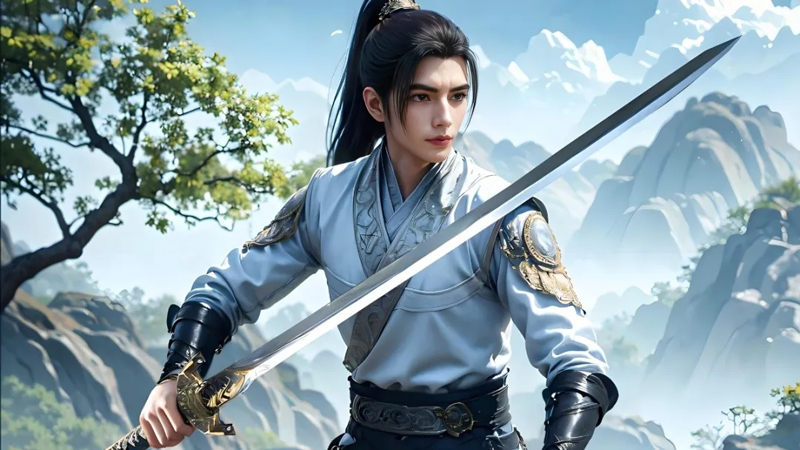
His potential was evident without need for external enhancements. Han Li believed that with disciplined cultivation, his future achievements would be limitless. This case illustrates a focus on self-contained abilities that require minimal intervention.
By accepting Qi Lingzi, Han Li emphasized the importance of inner resources over external affiliations. It reinforced the idea that true strength often comes from within, rather than from societal approval or support.
5. Hai Yuetian (海月天)
Hai Yuetian came from a mortal family specializing in body refinement. He possessed a Molten Gold Body and a hidden thunder spiritual root. His decision to leave home for the path of immortality resonated with Han Li's own beginnings at the Seven Mysteries Sect.

Han Li saw in him a reflection of his younger self—determined and unpolished. This connection motivated him to guide Hai Yuetian, helping him harness his dual talents. The journey from mortal to cultivator is fraught with challenges, yet full of promise.
This disciple represents the theme of self-made advancement. Han Li's mentorship provided the structure needed to transform innate potential into tangible skills. It underscores the value of perseverance and personal resolve in the cultivation world.
6. Bai Guo'er (白果儿)
Bai Guo'er exemplified how innate traits could eclipse background. She had an Ice Marrow Body (冰髓之体) and exceptional aptitude for ice-based techniques. With only a core formation grandmother as family, her origins were humble. Han Li selected her for her specialized constitution, which promised excellence in a niche area.
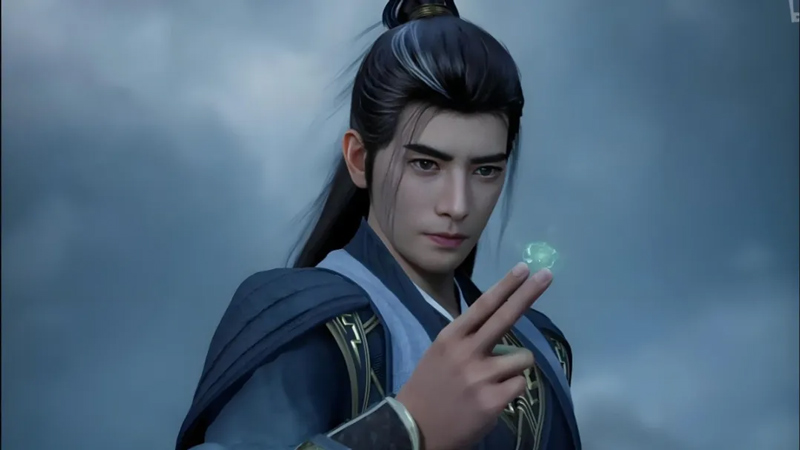
In contrast, Lan Yao (蓝药), his last disciple, was a princess from the Sky Fish Clan of the Lesser Asura World. Despite her clan's struggles, her status as a leader's daughter gave her a distinct advantage. She also showed remarkable talent in alchemy, blending lineage with skill.
These two apprentices illustrate the spectrum of Han Li's criteria—from pure talent to combined heritage. His final selections show adaptability, recognizing that both ordinary and privileged backgrounds can yield exceptional cultivators when paired with dedication and ability.
