In the heart of China, artisans transform everyday materials into functional art through time-honored methods. These practices, like Pottery, involve molding earth into forms that serve daily needs while carrying ancestral wisdom. Each item bears the maker's unique imprint, connecting users to a lineage of skill and dedication.
Similarly, Silk weaving demonstrates a delicate balance between human care and natural processes. Craftspeople guide silkworms to produce threads that become luxurious textiles, embodying patience and respect for resources. Those who engage in these trades sustain more than objects; they uphold values of mindfulness and community identity.
Today, these methods adapt without losing their essence. Artisans infuse traditional approaches with modern sensibilities, ensuring their work remains integral to cultural expression. Handling a piece of Cloisonné or viewing detailed Paper-cutting reveals how hands-on creation fosters a deeper appreciation for heritage in everyday life.

Bamboo Weaving
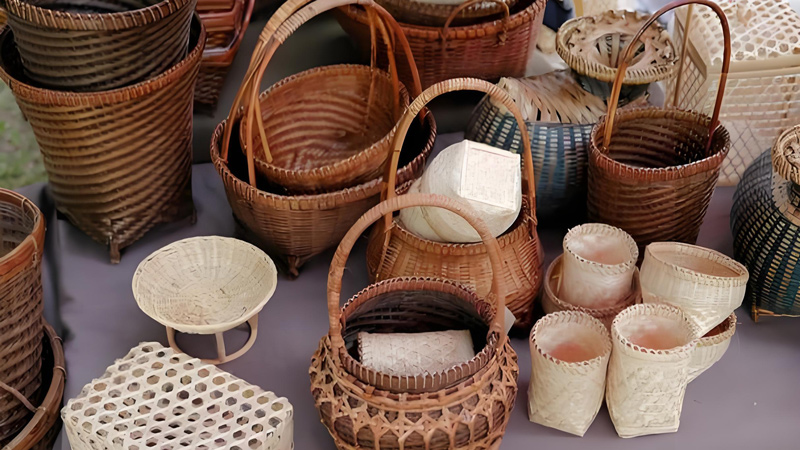
The journey of Bamboo Weaving begins with a single stalk. Artisans split the bamboo into slender, pliable strips called mis, a process requiring a sharp eye and a steady hand. This transformation from a rigid pole to a flexible fiber is the first miracle. The strength and abundance of bamboo made it an ideal material for everyday life, used in baskets, furniture, and even architectural elements.
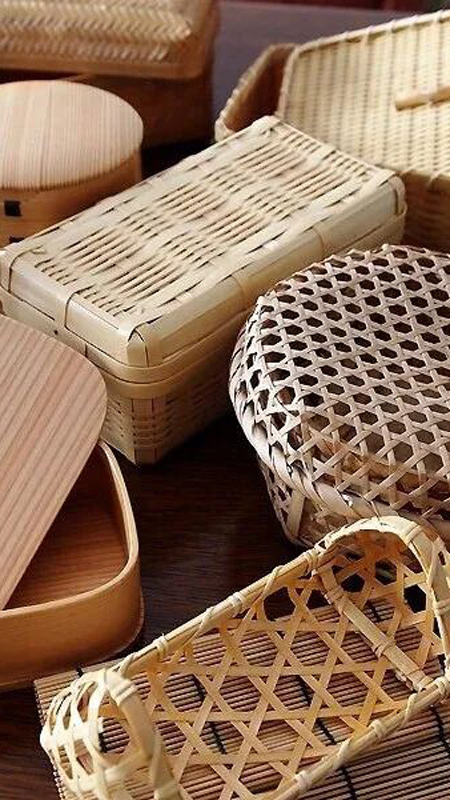
Weaving these mis follows intricate patterns that have been memorized and refined over centuries. The creator works without blueprints, their hands knowing the dance of over and under that builds form from chaos. A simple container emerges, its structure both lightweight and surprisingly durable. This is mathematics made physical, a grid that can hold weight and withstand use.
Today, this craft finds new expressions. While still used for traditional items, weavers also experiment with contemporary designs, creating sculptural pieces and modern home goods. The material’s sustainability adds to its appeal for a new generation. It stands as a quiet rebuttal to disposable culture, an object meant to be used, repaired, and cherished for years.

Fish Lantern
During festivals, the night comes alive with the dance of the Fish Lantern. These lanterns, crafted from bamboo frames and paper, are shaped like carp, symbols of abundance and perseverance. Inside, a candle flickers, casting a warm, moving light that makes the fish seem to swim through the darkness. They are more than decorations; they are performers in a communal story.
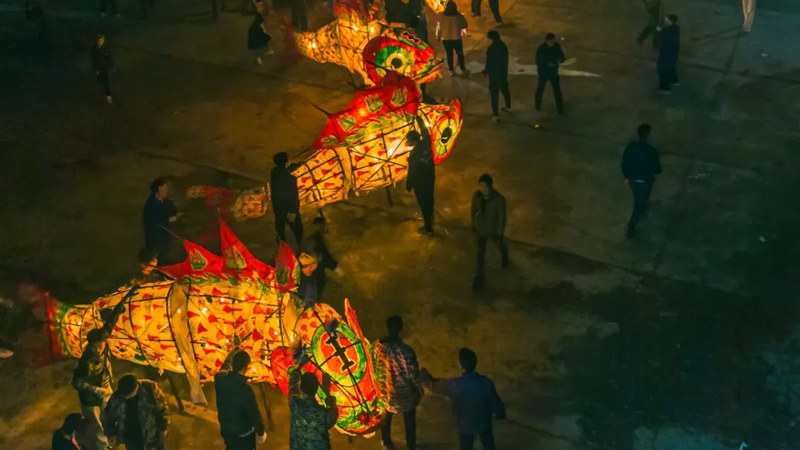
Teams of people carry these lanterns, moving in coordinated patterns that mimic a school of fish. The routines have names like "The Carp Leaps over the Dragon Gate," a metaphor for overcoming obstacles and achieving success. The procession weaves through streets, a river of light that draws the whole community together. It is a spectacle of collective joy and shared hope.
The origins of this tradition are humble, often linked to large lanterns displayed at family gates. Over time, it evolved into a dynamic folk art. The construction allows the head, body, and tail to swivel independently, creating a lifelike motion as the bearers move. This art form turns a simple belief—a wish for good fortune—into a vibrant, public celebration.

Oil-paper Umbrella
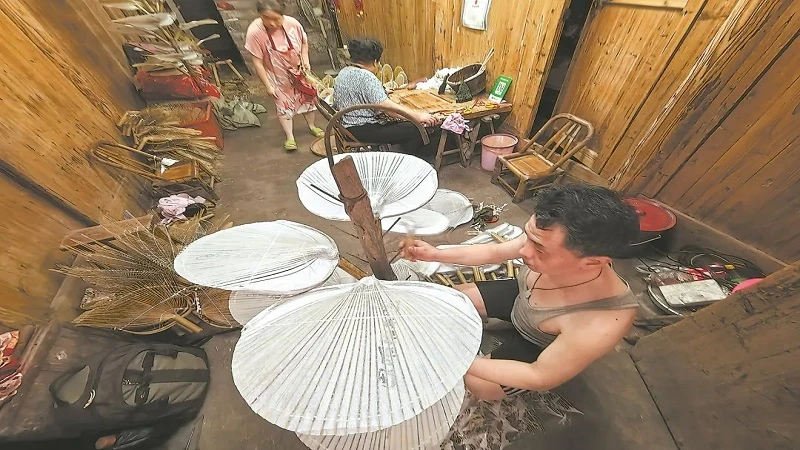
Holding a Oil-paper Umbrella is to hold a piece of engineering poetry. Its skeleton is made from bamboo, carefully selected and hand-shaped into ribs. The covering is not cloth, but tough paper made from the bark of the paper mulberry tree. This paper is then treated with tung oil, a natural waterproofing agent that gives the umbrella its name and distinctive glossy shield.
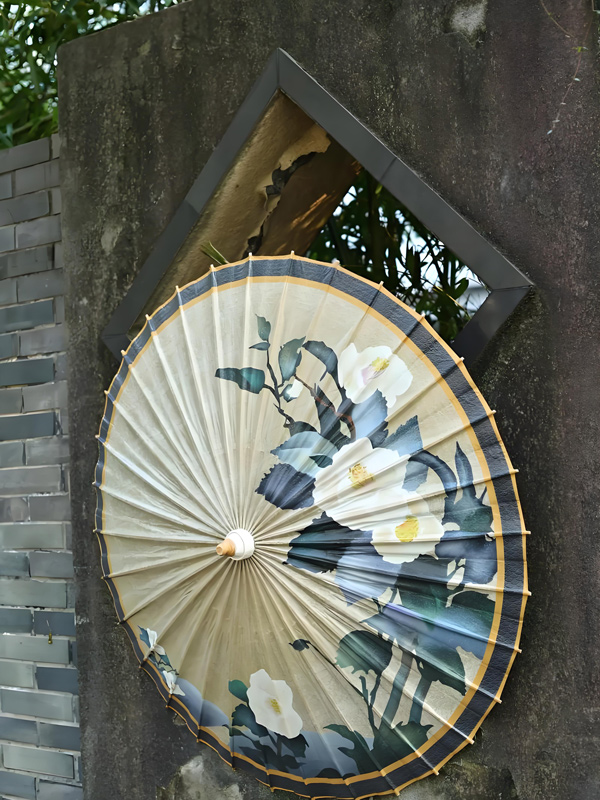
The creation of one umbrella involves nearly a hundred distinct steps, from framing to oiling. It is a slow, meditative process that cannot be rushed. Artisans often paint scenes of landscapes or flowers onto the surface before applying the final coats of oil, transforming a practical object into a moving canvas. The result is both sturdy and elegantly light.
Beyond keeping rain away, these umbrellas carry deeper meanings. The Chinese word for "oil-paper" sounds similar to "have children," making it a traditional gift at weddings. It symbolizes protection and a blessed future. In a modern downpour, opening one feels like an act of defiance against the impersonal, a personal canopy of art and history.


Kernel Carving
In the hands of a master carver, a discarded fruit pit becomes a universe. Kernel Carving is the art of micro-sculpture on materials like peach, olive, or apricot stones. These tiny canvases, often no larger than a thumb, are etched with astonishing detail. Artists depict scenes from folklore, entire landscapes, or processions of figures, all within the confines of a single, hard shell.
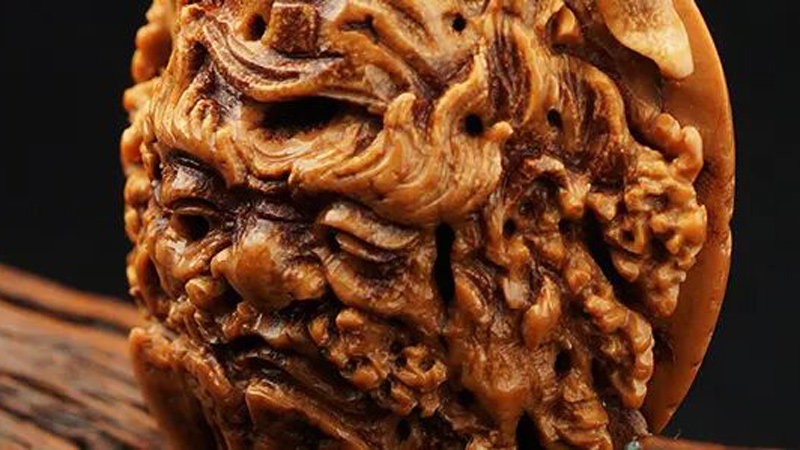
The challenge is immense. The carver must work with the pit's natural shape, its ridges and curves dictating the composition. They use specialized tools to incise lines finer than a human hair, often relying on feel as much as sight. A single mistake can shatter weeks of work. It is a practice of immense patience and concentration.
Historically, people carried these carvings as amulets for protection or as ornaments. Scholars would hold them, finding tactile pleasure in the intricate surfaces. Today, they are collected as fine art. To appreciate one is to lean in close, discovering a bustling harbor or a quiet mountain retreat hidden in the palm of your hand, a testament to seeing the vast potential in the small and overlooked.

Plant Pounding
Plant Pounding is perhaps the most immediate of these crafts. It involves transferring the pigment from leaves and flowers directly onto fabric through simple, rhythmic hammering. There are no dyes or chemicals; the color, texture, and shape of the plant are captured in a single, decisive step. The result is a ghostly impression, a memory of the leaf's form.
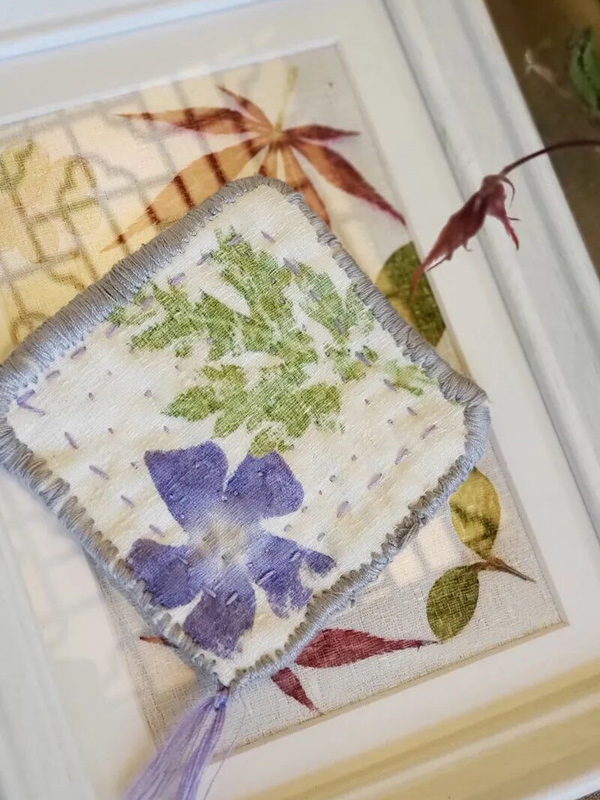
The method is accessible. A fresh leaf is placed on cloth, covered with another layer, and then gently tapped with a stone. The impact bursts the plant's cells, releasing its natural juices and staining the fiber beneath. When the plant is peeled away, its mirror image remains. Each print is unique, capturing a specific moment in a plant's life.
This practice connects people directly to the botany around them. It is a way to preserve the beauty of a fleeting blossom or the intricate veins of a autumn leaf. In an educational context, it teaches about local flora and sustainable practices. The craft is a gentle, eco-conscious art form that leaves no waste behind, only a beautiful, transient echo of nature itself.

Cloisonné
The technique known as Cloisonné begins with a metal base, often copper or gold. Artisans bend thin wires into intricate patterns, adhering them to the surface to form tiny compartments. These cells are then filled with colored enamel powders made from glass and minerals. The process requires a steady hand and an eye for detail, as the design must be precise before firing. Each piece tells a visual story through its vibrant hues and metallic outlines.
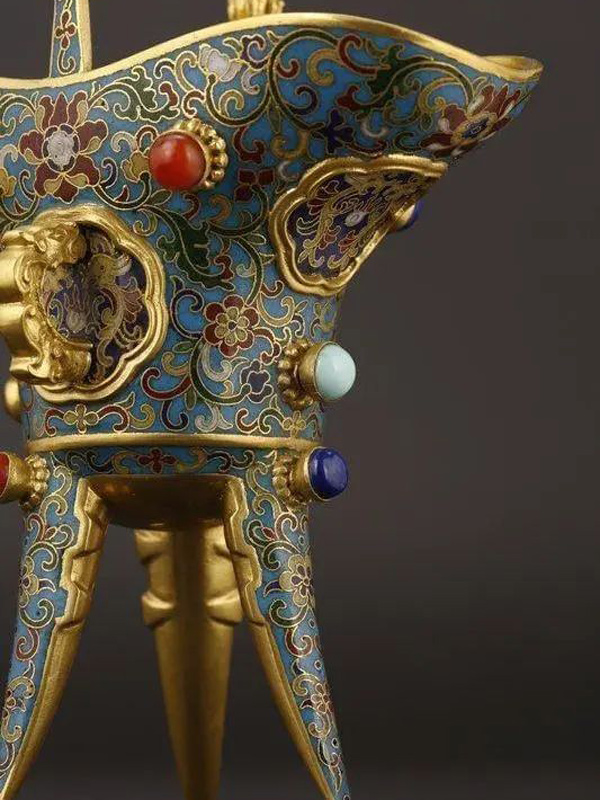
After the wires are set, the object undergoes firing in a kiln at high temperatures. This melts the enamel, fusing it to the metal and creating a glossy, durable surface. Multiple firings may be needed to achieve the desired depth of color and clarity. Once cooled, the piece is polished smooth, removing any rough edges. Finally, a layer of gold is applied to the exposed metal parts, enhancing its brilliance and protecting it from tarnish over time.
During the Ming Dynasty, this craft flourished under imperial patronage, earning the name Jingtailan (景泰蓝). It adorned palaces and temples, symbolizing wealth and status. Today, it remains a valued art form, with modern makers experimenting with contemporary themes. Workshops continue to produce everything from vases to jewelry, keeping the tradition alive. Its enduring appeal lies in the harmonious blend of color and metal, a dance of light and texture.

Velvet Flowers
In southern China, the craft of Velvet Flowers creates delicate flowers from silk. Artisans start by dyeing natural silk threads in vivid colors, then twisting and shaping them into petals and leaves. Using simple tools like scissors and tweezers, they assemble each bloom by hand. The result is a lightweight, durable ornament that mimics real flowers but never wilts. This meticulous process cannot be replicated by machines, relying entirely on human dexterity.
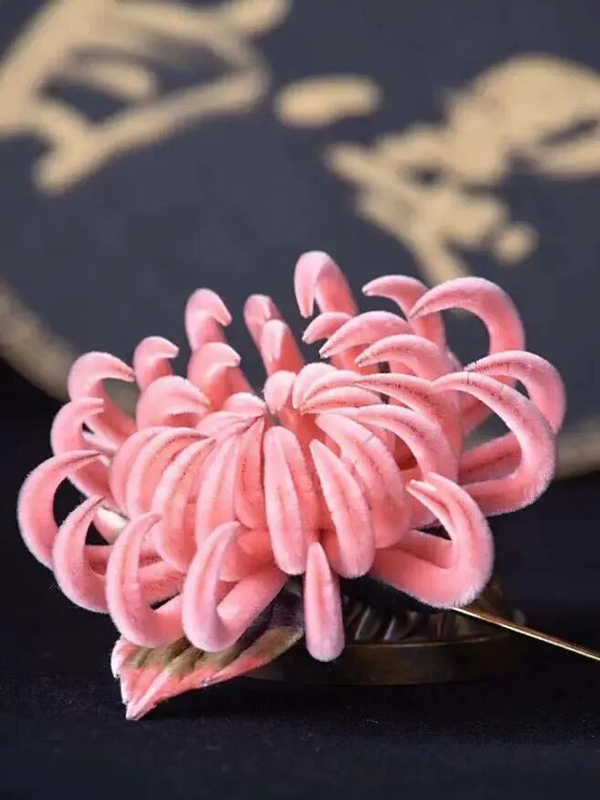
These silk flowers were once treasured by royalty during the Tang Dynasty, often worn as hair accessories or displayed in homes. Their name sounds like the word for "prosperity" in Chinese, making them popular gifts for weddings and festivals. People believed they brought good fortune and happiness to the wearer. Markets dedicated to their sale, such as the historic "Flower Street," buzzed with activity, especially during lunar new year celebrations.
Contemporary artisans preserve this tradition by teaching apprentices and participating in cultural events. The flowers now appear in fashion shows and art installations, bridging generations. Each piece reflects the maker's personal touch, with variations in color and form. Despite modern trends, the charm of handmade silk blossoms endures, celebrating both nature and human ingenuity.

Shadow Puppetry
The ancient performance art of Shadow Puppetry uses figures cut from animal hides. Craftsmen select durable leather, typically from donkeys or cows, and carve intricate designs using sharp tools. The puppets are then painted with natural dyes to highlight features like clothing and facial expressions. Holes are pierced to allow light to pass through, creating silhouettes when held against a backlit screen. This combination of sculpture and theater brings stories to life.
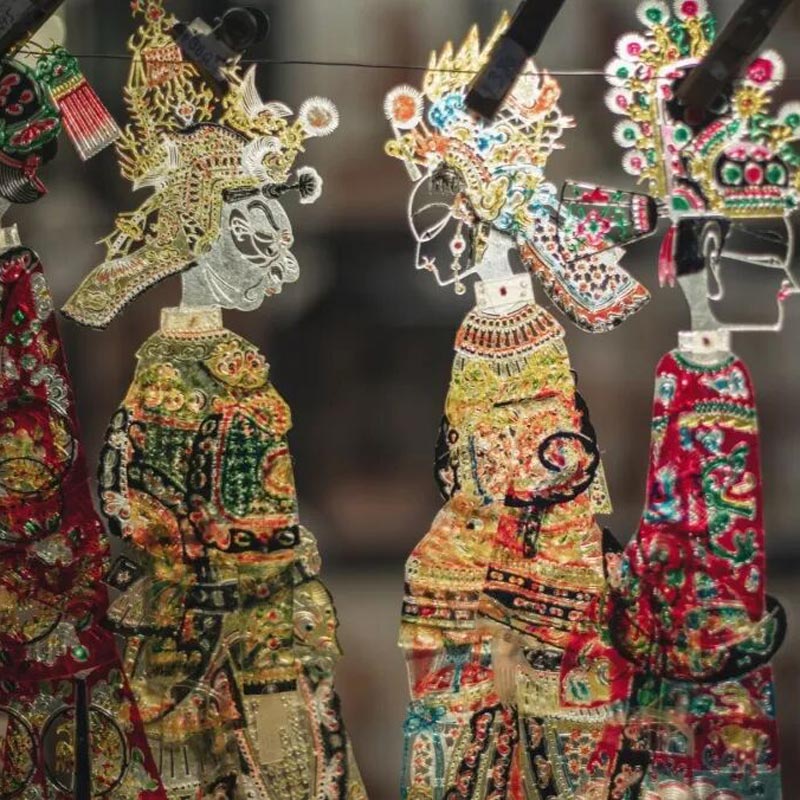
During a show, puppeteers manipulate the figures behind a white cloth, synchronizing movements with music and dialogue. Musicians accompany the action with drums, flutes, and string instruments, setting the mood for tales of heroes and myths. Audiences of all ages gather to watch the shadows dance, a shared experience that has entertained communities for centuries. The puppets themselves are collectible artworks, often displayed when not in use.
This craft faces challenges in the digital age, but enthusiasts work to revive it through schools and festivals. Modern troupes incorporate new stories and technology, such as LED lighting, to attract younger viewers. The tactile quality of the puppets and the skill required to make them ensure their place in cultural history. Each performance is a unique collaboration between artist, musician, and storyteller.

Sugar Painting
Sugar Painting turns melted sugar into edible art. Using a small copper ladle, the artist pours hot, liquid sugar onto a marble slab in fluid motions. Without sketches or stencils, they create images of animals, flowers, or characters in seconds. The sugar cools quickly, hardening into a translucent, amber-colored sculpture. This swift process demands confidence and practice, as any hesitation can spoil the design.
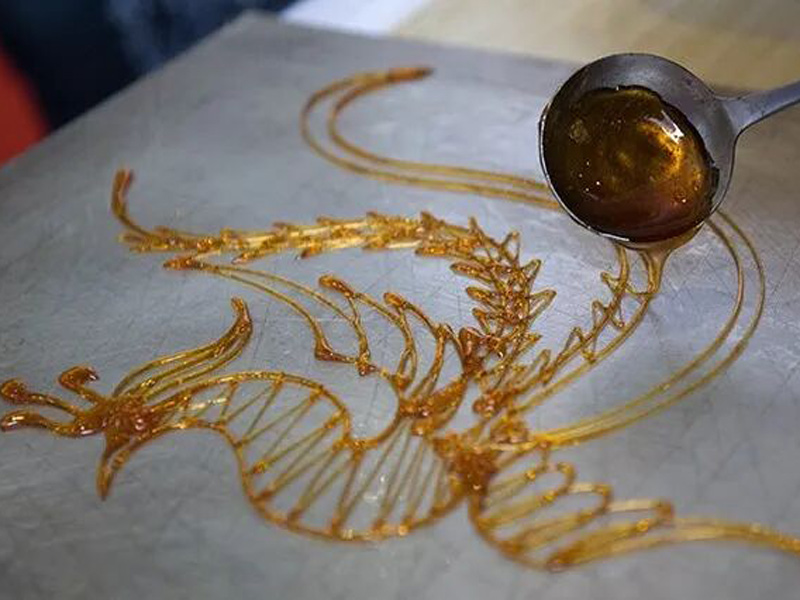
Originating in the Ming Dynasty, it was initially called "Sugar Minister" due to its use in religious rituals. Over time, it absorbed elements from Shadow Puppetry and paper cutting, evolving into a street performance. Artisans would set up stalls at fairs, drawing crowds with their speed and creativity. Children especially loved watching the magical transformation from liquid to solid, often receiving the treats as rewards.
Today, sugar painting remains a popular attraction at cultural festivals and tourist sites. While modern ingredients sometimes replace traditional ones, the essence of the craft unchanged. Masters pass on their skills to new generations, ensuring that this sweet art continues to delight. It represents a fleeting beauty, enjoyed briefly but remembered long after.

Tie Dye
The method of Zaran (扎染) involves tying fabric before dyeing it to create patterns. Artisans use strings, ropes, or clips to bind sections of cloth, preventing dye from reaching those areas. The tied fabric is then immersed in vats of natural colorants, such as indigo or plant extracts. After soaking, it is rinsed and dried, then the bindings are removed to reveal unique designs. No two pieces are identical, as the folds and ties introduce random variations.
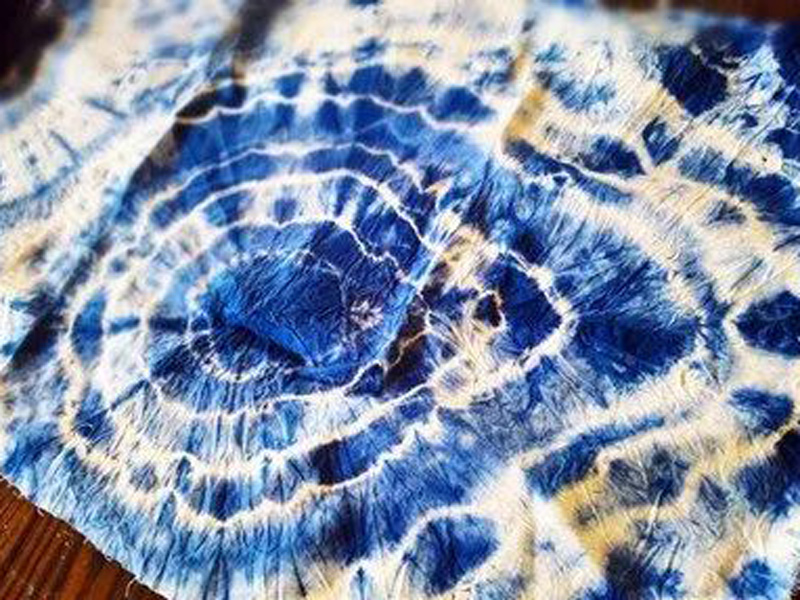
This technique dates back over a thousand years, with roots in ethnic minority cultures. It was used for clothing, household items, and ceremonial textiles. The process allows for hundreds of patterns, from simple dots to complex geometric shapes. Unlike machine printing, it produces soft, blurred edges that give each piece a organic feel. The unpredictability is part of its charm, celebrating imperfection as art.
In recent years, tie-dye has gained global popularity, embraced by fashion designers and DIY enthusiasts. Traditional artisans collaborate with modern brands to create contemporary pieces that honor ancient methods. Workshops teach people how to dye their own fabrics, fostering a hands-on connection to the craft. This revival ensures that the knowledge of binding and dyeing continues to inspire new creations.
Concluding Thoughts
This article explores the enduring legacy of traditional Chinese crafts, presenting them as a living heritage rather than historical relics. It details how artisans transform humble, natural materials like bamboo, silk, clay, and fruit pits into functional art through time-honored, meticulous methods. Specific crafts highlighted include Bamboo Weaving, Oil-paper Umbrella making, Kernel Carving, Cloisonné, and Shadow Puppetry.

These practices are not merely about creating objects; they embody ancestral wisdom, patience, and a deep respect for resources. Each piece carries the unique imprint of its maker, connecting users to a lineage of skill. While deeply rooted in history, these crafts are dynamically adapting, with modern artisans infusing traditional techniques with contemporary sensibilities. This ensures their continued relevance, allowing them to thrive as vital forms of cultural expression and as a meaningful counterpoint to mass production, fostering a deeper appreciation for heritage in everyday life.