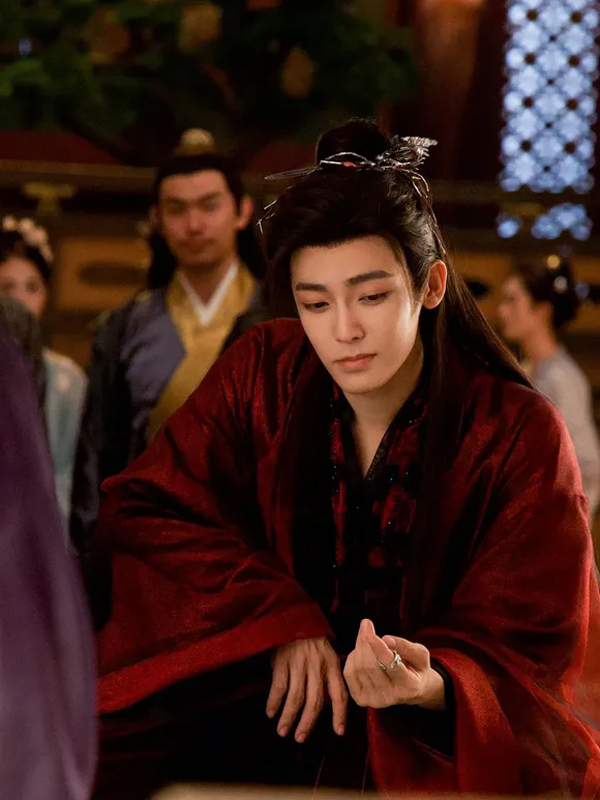
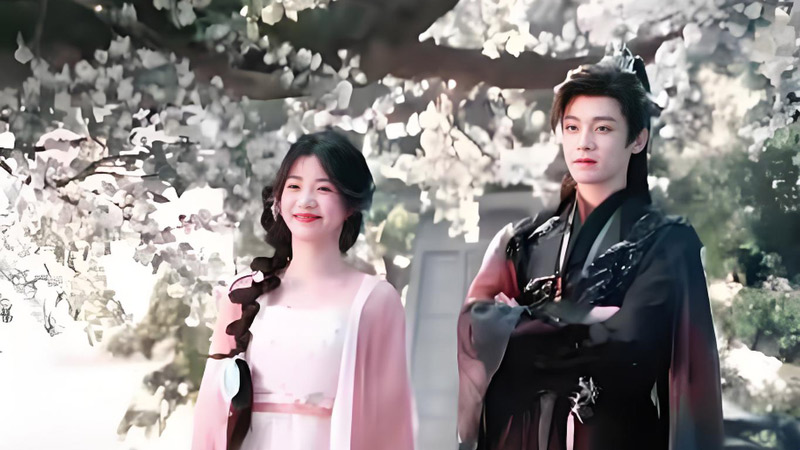
In a landscape saturated with predictable costume dramas, a new series has erupted onto the scene, capturing the imagination of audiences and critics alike. Love in the Clouds (入青云) premiered with a quiet confidence that belied its explosive impact, achieving staggering viewership numbers and sparking a fervent online discussion within just three episodes. This isn't just another Xianxia tale; it feels like a reinvention of the genre itself.
Where other recent productions have stumbled with convoluted plots or relied solely on star power, this drama delivers a compelling narrative supported by robust world-building and nuanced character dynamics. Its arrival has been hailed as a breath of fresh air, signaling a potential shift in what audiences can expect from high-concept fantasy television. The immediate and passionate response suggests that viewers were not just waiting for a new show, but for a show that would respect their intelligence and reward their attention.
A New Narrative
The world of Love in the Clouds is built upon a foundation far sturdier than the typical celestial romance. The story is set within the Six Void Realms (六虚合境), a universe divided by a stark socioeconomic hierarchy. Central to the plot is the prestigious Qingyun Assembly (青云大会), a high-stakes tournament where victory grants access to the prosperous Upper Realm, while defeat condemns participants to the desolate, spirit-energy-starved Lower Realm. This setup immediately injects the narrative with tangible stakes and political tension, moving beyond the well-trodden paths of world-saving prophecies or fated romantic pairings. The conflict is personal, immediate, and deeply rooted in a desire for survival and ascent.
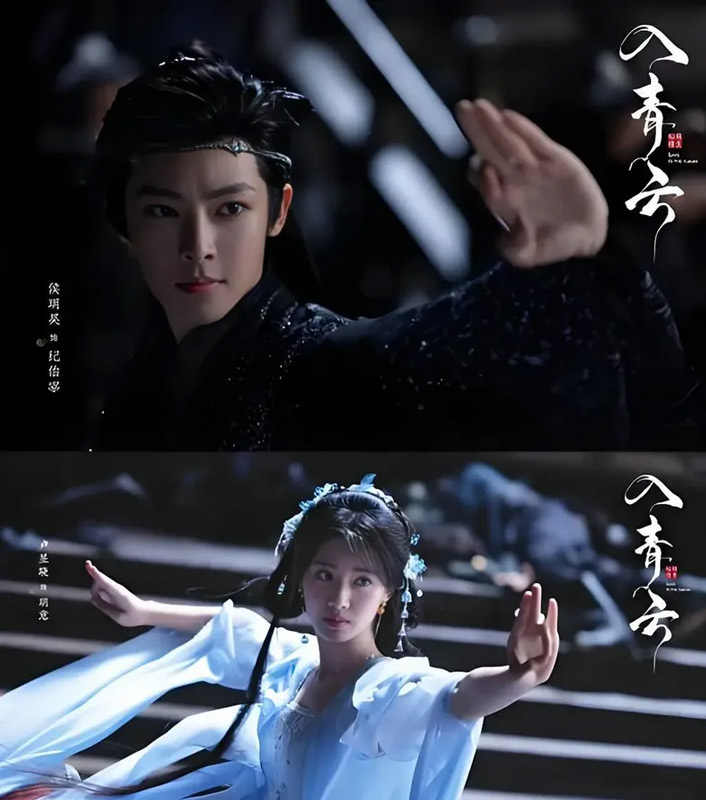
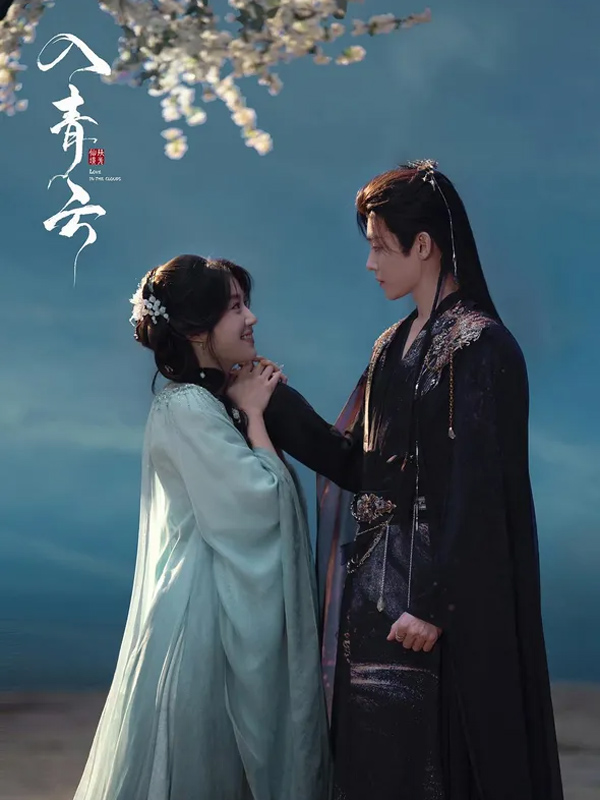
At the heart of this conflict are two formidable individuals. Ming Yi (明意), a revered war goddess riding a seven-year winning streak, finds her world upended when she is defeated by Ji Bozai (纪伯宰), a brilliant but disgraced fighter from the infamous Jixing Yuan (极星渊). Her loss is compounded by a poisoned affliction and severed spiritual channels. Stripped of her title and power, she sheds her warrior's armor for the silks of a court dancer, embarking on a dangerous gambit to infiltrate Ji Bozai's inner circle and secure an antidote. Her plan, however, is not unfolding in the shadows. Ji Bozai, who presents a façade of careless extravagance, is acutely aware of her deception from the start.
This creates a deliciously tense dynamic built on mutual recognition of each other's schemes. Their interactions are a delicate dance of advance and retreat, a psychological game where every word is a feint and every glance a parry. A confession at a celebratory banquet serves as a probe; a deliberately set fire to avoid sharing quarters becomes a wordless agreement between two master strategists. This "battlefield courtship" is devoid of saccharine clichés, offering instead the sharp, intelligent thrill of two equals testing each other's limits. Audiences are not merely watching a romance blossom; they are witnessing a high-stakes duel of wits where attraction and suspicion are inextricably linked.
Craft and Performance
Beyond its smart writing, Love in the Clouds is a feast for the senses, establishing a new benchmark for visual production in the genre. The special effects are integral to the storytelling, weaving intricate spells and breathtaking landscapes that feel both magical and authentic. From the ethereal glow of spiritual energy to the dynamic spectacle of aerial combat, the visuals consistently support the narrative without overwhelming it. Viewers have jokingly remarked on the show's presumably massive effects budget, but this investment pays off by fully immersing the audience in the Xianxia universe. The aesthetic is a masterful blend of the fantastical and the grounded, making the world of the Six Void Realms a character in its own right.
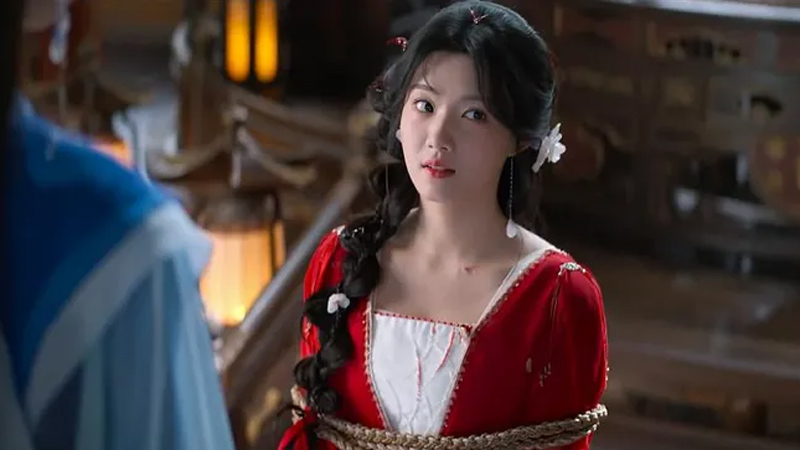
The series is further elevated by the compelling performances of its lead actors. As Ji Bozai, the actor commands the screen with a presence that is both aloof and intensely powerful. Dressed in somber, elegant robes, he perfectly captures the character's internal contradiction—a man who appears frivolous on the surface but possesses a deep, calculating mind. His performance ensures that Ji Bozai is never a one-dimensional rogue, but a complex figure whose motives remain intriguingly ambiguous. Opposite him, the portrayal of Ming Yi is equally captivating. She effortlessly shifts between the unyielding determination of a seasoned warrior and the vulnerable desperation of a fallen hero.
In one moment, her eyes flash with an indomitable will as she declares her sole purpose is victory; in the next, they well with tears she refuses to shed when faced with personal betrayal. This portrayal of strength is not about innate invincibility, but about the resilience to rise after a fall. It is a more relatable and empowering vision of a "strong female character," one defined by her tenacity and intelligence rather than mere physical prowess. Together, their chemistry is electric, fueling the narrative's central tension and making their every interaction a highlight of the episode. The production's commitment to quality is evident in every frame, from the meticulously designed costumes to the carefully choreographed action sequences, creating a cohesive and utterly believable world.