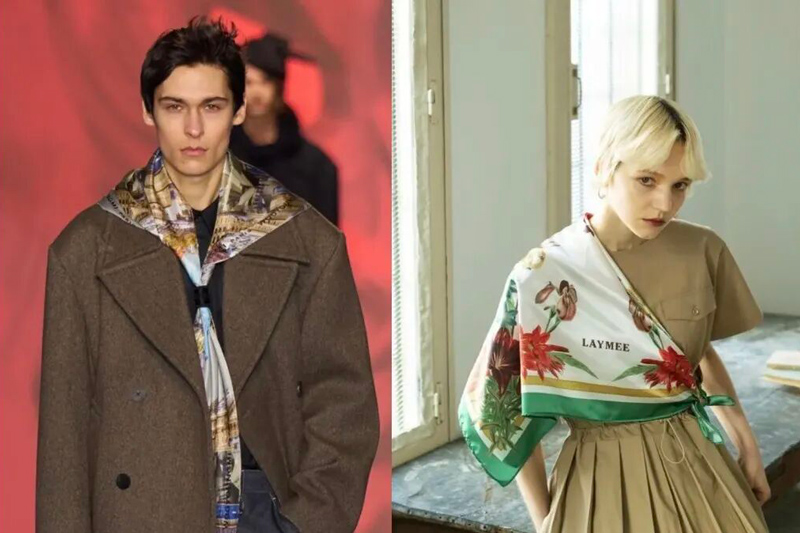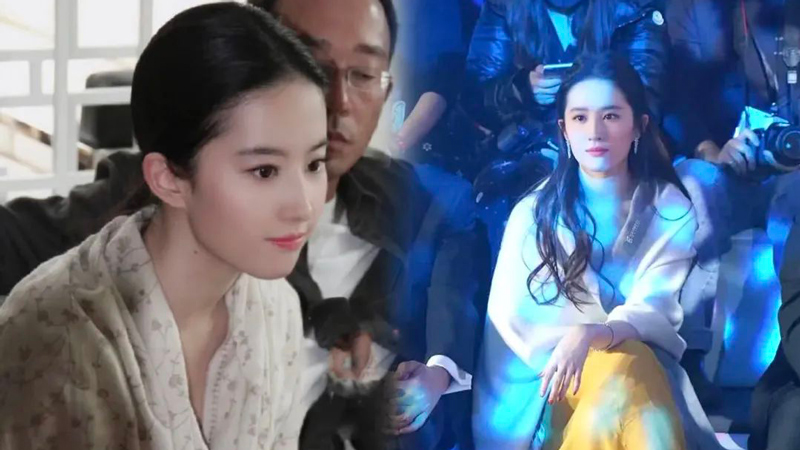
When a recent photo of Liu Yifei wearing a stylishly knotted scarf surfaced online, it sparked a wave of nostalgia and curiosity. Many fans were quick to note how her fashion choice seemed to mirror ancient Chinese aesthetics, leading to questions about whether this was a mere coincidence or a subtle nod to historical traditions. This connection highlights a fascinating aspect of fashion history that often goes unnoticed. Long before scarves became global accessories, they had a rich legacy in China, where they were known as Lingjin (领巾).
These items were not just for adornment but served practical purposes, blending seamlessly into daily life across various dynasties. The resemblance between modern scarf styles and those depicted in ancient artworks is striking, suggesting that some elements of fashion are timeless. This article delves into the evolution of the scarf in Chinese culture, exploring its origins, transformations, and enduring appeal in contemporary times.
Historical Origins
In the Northern and Southern Dynasties, early forms of scarves began to appear in artworks and texts. One notable example is the painting Northern Qi Collating Classic Texts (北齐校书图), which depicts women wearing Lingjin tied in simple knots at the chest. These accessories were shorter and wider than later versions, primarily used to protect the neck from wind and cold. They evolved from earlier items like Peizi (帔子), which were longer drapes worn over the shoulders. The design focused on functionality, yet it already showed a keen sense of style, with variations in how they were wrapped and fastened. This period laid the groundwork for scarves as multifunctional items, blending utility with emerging fashion trends that would influence later eras.
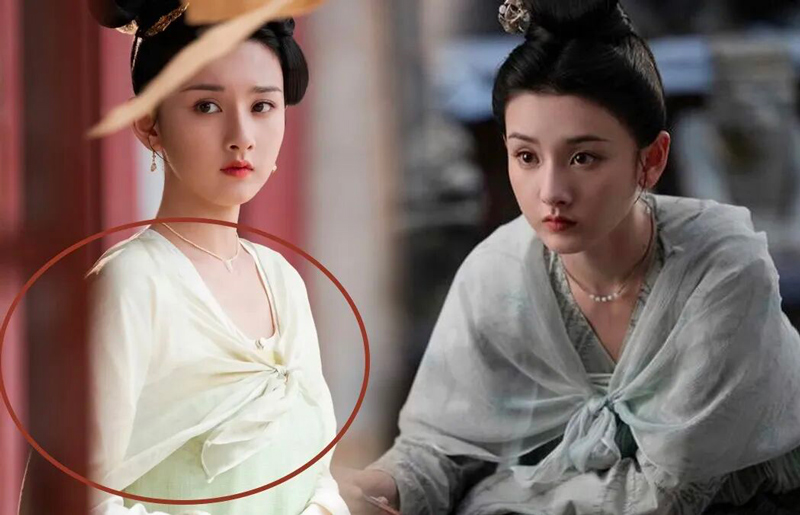
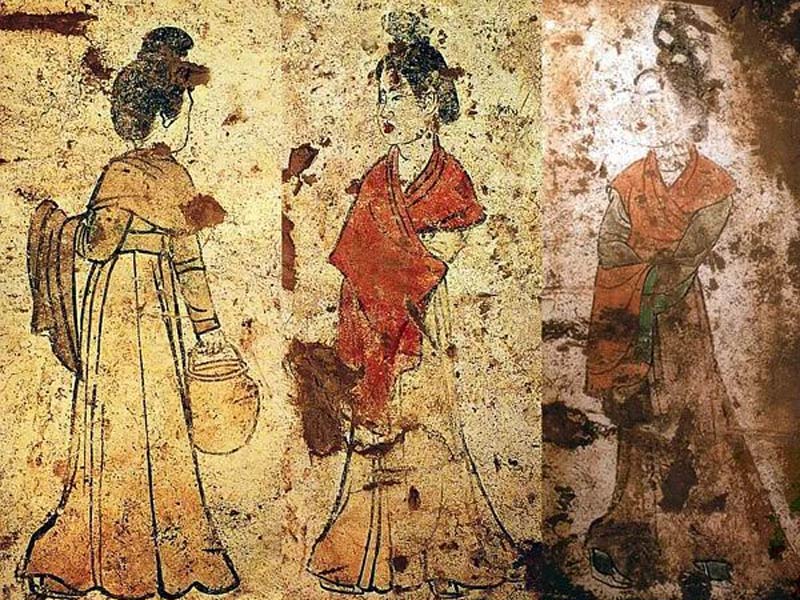
By the Tang Dynasty, particularly during the Wu Zhou (武周) period, scarves had become longer and more elaborate. They were often wrapped around the neck and crossed over the chest, extending to cover the arms, similar to how shawls are worn today. Murals from this time show figures adorned with these items, highlighting their role in both daily wear and ceremonial attire. The terms used for them, such as Lingjin or Peizi, reflected their growing importance in society. Materials like lightweight silk and decorative techniques, including embroidery and gold leaf application, made these scarves symbols of status and elegance. This era marked a shift towards more ornate designs, setting the stage for further innovations in the following dynasties.
During the Song Dynasty, scarves became even more prevalent, with references to Lijin (礼巾) and Lingjin in historical records. They were commonly made from fabrics like Ling (绫), a type of silk, and featured intricate patterns such as silver inlay or embroidery. These scarves were often paired with formal dresses or military uniforms, showcasing their versatility. Paintings from this period, like those by Tang Bohu (唐伯虎), illustrate how they were tied in decorative knots, adding a touch of grace to outfits. The scarves came in rectangular or square shapes, allowing for different styling options—longer ones provided more coverage, while shorter ones emphasized ease of movement. This adaptability made them a staple in wardrobes across social classes.
Modern Connections
In contemporary fashion, the influence of ancient Chinese scarves is unmistakable. Designers on international runways have incorporated elements reminiscent of Lingjin, using similar draping techniques and knot styles. This revival is not just about aesthetics; it reflects a broader interest in sustainable and culturally rooted fashion choices. For instance, modern scarves are used for sun protection or warmth, much like their historical counterparts. The recent trend spotted in Liu Yifei's photo underscores how these ancient ideas resonate today, encouraging people to look beyond Western influences and appreciate homegrown traditions. This connection bridges past and present, showing that fashion can be both innovative and deeply historical.
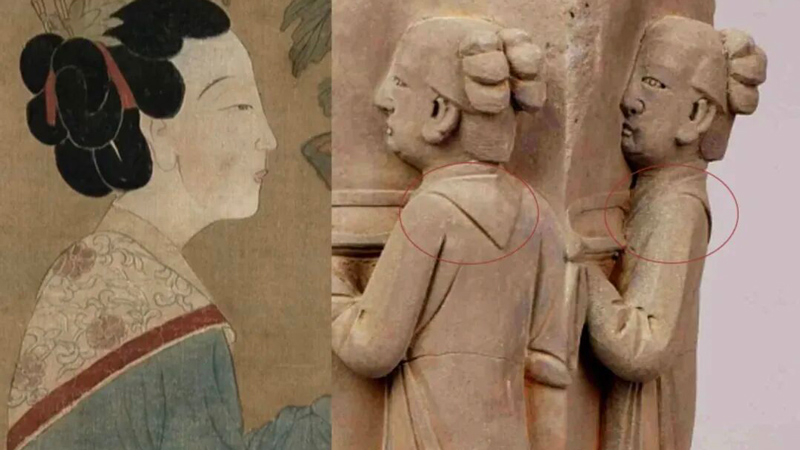
Beyond everyday wear, scarves have maintained a presence in specialized contexts, such as military or performance attire. In historical dramas and modern interpretations, female warriors often wear scarves as part of their costumes, echoing the Song Dynasty practice where soldiers used them for identity and protection. These items helped distinguish ranks and shield against dust, demonstrating their practical roots. Today, this functional aspect lives on in outdoor gear and uniform accessories, proving that ancient solutions remain relevant. By understanding these uses, we gain insight into how fashion evolves while retaining core elements that address human needs across time.
Embracing this heritage offers a fresh perspective on personal style and cultural identity. Instead of viewing scarves as purely imported trends, we can see them as part of a continuous narrative that includes Chinese innovations. Exploring historical sources, such as artworks and texts, reveals the creativity of past artisans and their influence on global fashion. This awareness encourages a more mindful approach to dressing, where items like scarves carry stories of adaptation and resilience. As people seek unique ways to express themselves, turning to these timeless pieces can inspire a deeper connection to history and a renewed appreciation for the elegance of simplicity.