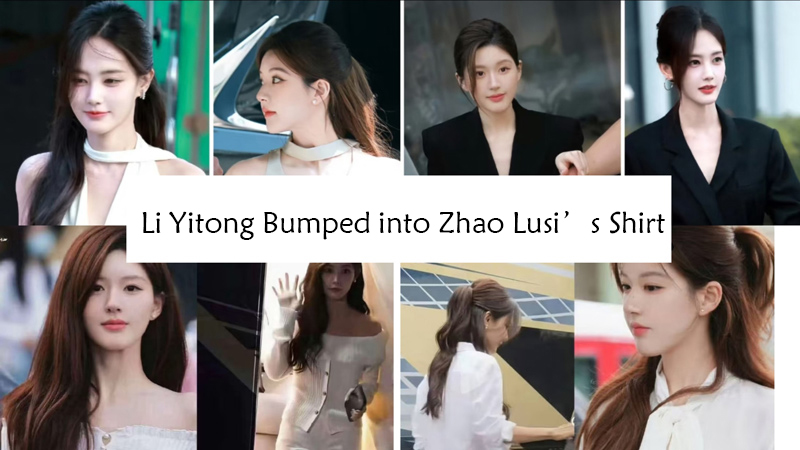
When a popular period drama recently faced accusations of costume duplication, it sparked a wider conversation about originality in television. In Meiren Yu (美人余), the visual echo of character outfits did not go unnoticed by audiences. This situation mirrors a persistent pattern across many historical series, where designers frequently recycle styles. An actor might wear nearly identical attire in different projects, blurring the lines between their roles. The rapid expansion of short-form content has intensified this, with compact productions often lifting aesthetic elements directly from their lengthier counterparts. At the heart of these repetitions lies a creative stagnation, a safe retreat into familiar visuals that risks boring viewers.
This reliance on similar designs points to a deeper industry habit. Rather than cultivating unique visions, some productions opt for proven, marketable looks. She might play a warrior in one story and a noble in another, yet her wardrobe feels strangely consistent. This aesthetic convergence suggests a lack of inventive risk, where financial pressures override artistic ambition. Furthermore, legal frameworks for protecting costume copyright remain underdeveloped, making it easy for one show to mimic another's sartorial choices without significant repercussion. The outcome is a visual landscape that feels repetitive, denying audiences the fresh immersion they seek.
The recurring issue challenges creators to push beyond comfort zones. It asks for a renewed commitment to detail and character-specific design that can define a series and make it memorable. When viewers see the same silhouettes and colors repeatedly, their connection to a narrative weakens. Addressing this requires a shift in priorities, valuing distinctive artistry over speedy, cost-effective replication.

1. Costume Echoes in Modern Storytelling
A peculiar pattern emerges across television screens and digital platforms. Characters from unrelated stories begin to share a startling sartorial similarity. Outfits, color palettes, and even hairstyles replicate with an unnerving precision, pulling viewers out of the narrative and into a debate about originality. This phenomenon points to a deeper systemic issue within the industry, where the visual language of character design is becoming homogenized. The repetition raises questions about creative resources, time constraints, and the very process of bringing a fictional person to life. It is a challenge that stretches from big-budget historical epics to the rapidly expanding world of short-form content.
The Gufeng Uniform
In the realm of Gufeng (古风, ancient-style) dramas, the problem is particularly acute. A specific aesthetic, often involving layered robes, specific hair ornaments, and a limited color spectrum, has become a default setting. When Chen Feiyu (陈飞宇) appeared in a new production, audiences immediately noted his resemblance to Chen Xiao's (陈晓) role in A Dream of Splendor (梦华录). The flowing sleeves and high-waisted silhouette were nearly identical. This was not an isolated incident. The costumes in the acclaimed Story of Minglan (知否知否应是绿肥红瘦) were later seen echoed in other series set in the same dynasty, creating a visual déjà vu.
The replication extends beyond individual pieces to entire styling concepts. An actress known for her role in The Untamed (陈情令) might later appear in a different project with the same distinctive topknot and forehead decoration. This recycling creates a "character bleed," where the identity of one role seeps into another. For viewers who follow multiple series, it can be confusing and diminishes the unique identity each story is supposed to possess. The visual cue that should signal a new character instead triggers a memory of an old one.
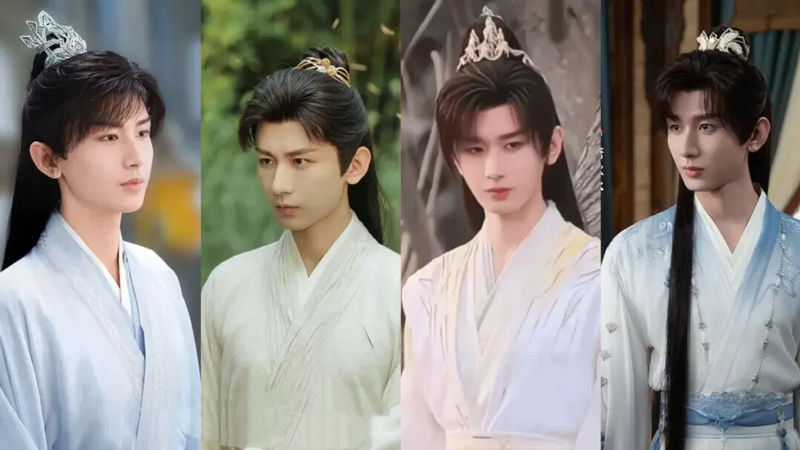
Some actors find themselves trapped by a successful look. Cheng Yi (成毅), after his breakthrough in Love and Redemption (琉璃), has maintained a consistent style across subsequent projects like B (莲花楼) and Immortal Samsara (沉香如屑). While this consistency builds a recognizable star image, it also risks typecasting. The audience struggles to distinguish his new characters from the old ones based on visual design alone. The actor's performance must then work harder to overcome a costume that tells a familiar story.
Copycat Shorts
The explosion of short-form drama has introduced a new dimension to the issue. These quick-turnaround productions often bypass traditional development cycles, leading to a "borrow and shoot" approach. A popular costume from a major series like The Long Ballad (长歌行) can appear in dozens of short dramas within months. The iconic look of Zhao Lusi's (赵露思) character in one show was directly lifted for a short series, down to the smallest accessory. This practice severely dilutes the impact of the original design.
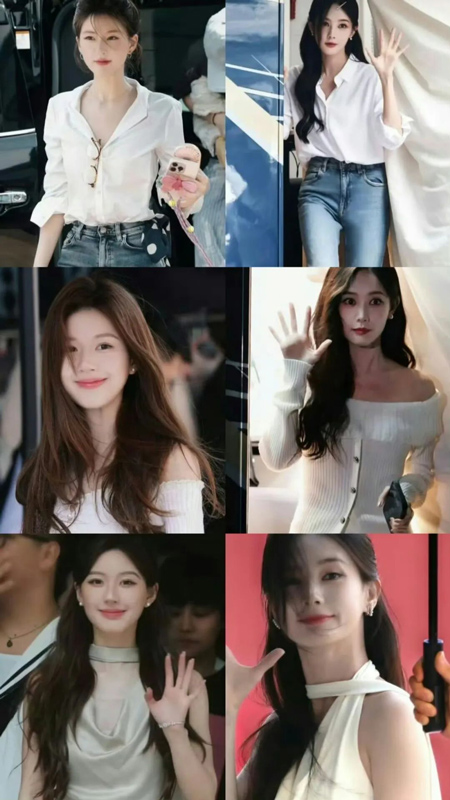
The speed of this imitation is staggering. An outfit from a yet-to-be-aired major production was recently spotted in a short drama that was released first. This indicates that leaked concept art or behind-the-scenes photos are being used as direct templates. For the original creators, this preemptive copying is a dual blow, spoiling their visual reveal and undermining their marketing strategy. The short-drama industry operates in a gray area where intellectual property enforcement is challenging.
This environment creates a paradoxical situation for viewers. On one hand, they are presented with a constant stream of new content. On the other, this content is visually monotonous, reducing rich cultural and historical aesthetics to a handful of repeatable templates. The pursuit of convenience and speed sacrifices the very diversity that makes period storytelling compelling. The audience is left with a sense of having seen it all before, because, in many ways, they have.
Behind the Mirror
What drives this cycle of repetition? The reasons are often practical rather than malicious. Tight production schedules are a primary culprit. When a show has only a few weeks to prepare, designing and creating entirely new costumes from scratch is a monumental task. It is faster and cheaper to rent existing pieces or commission designs based on proven, popular templates. The pressure to minimize financial risk leads to conservative, audience-tested choices.
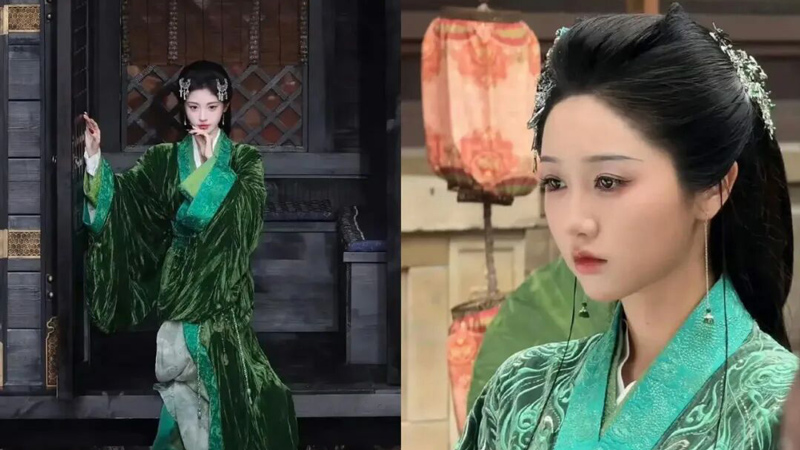
The structure of the styling industry itself plays a role. A small number of prominent stylists and design studios are often hired for multiple high-profile projects. While they are talented, their signature style can become a recurring motif across different shows. Furthermore, when a production faces controversy, as happened with the new series Meiren Yu, the quickest solution is to replace the entire styling team, a disruptive move that does not address the root problem.
Ultimately, the solution may lie in re-evaluating the role of costume design. It is not merely about dressing an actor attractively; it is a fundamental part of storytelling. A unique costume can communicate a character's history, personality, and arc without a single line of dialogue. Treating it as a disposable or interchangeable element does a disservice to the narrative. Pushing for more collaboration between writers, directors, and designers from a project's inception could foster a more integrated and original visual identity for each story.

2. The Sameness in Screen Fashion
Audiences often spot nearly identical costumes in different television series, a trend that reflects deeper industry dynamics rather than mere coincidence. This repetition stems from interconnected factors that shape how characters are dressed, influencing viewer perception and creative choices across productions.
Trend-Driven Designs
Current fashion movements heavily influence costume decisions. When a particular style gains traction, for example minimalist outfits in urban settings, producers incorporate it to resonate with audience preferences. This alignment helps shows feel contemporary but can stifle originality, as designers prioritize what is popular over unique creations.
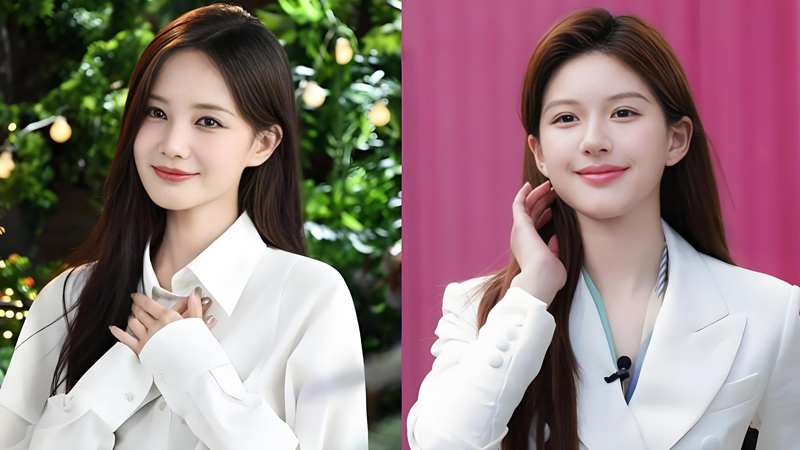
Genre-specific expectations also play a role. In workplace dramas, for instance, suits and formal wear act as visual cues for professionalism. These items are so ingrained that diverging from them might confuse viewers, leading to a narrow range of acceptable outfits.
Moreover, social media amplifies certain looks, creating cycles where once a costume goes viral, it becomes a benchmark. This pressures teams to replicate successful elements, further cementing uniformity across various projects.
Imitating Success
Hit series often set templates for others to follow. A producer, Yu Jia (宇佳), pointed out that after a period drama gains acclaim, its costume aesthetic is frequently used as a reference. This approach minimizes risk by relying on proven formulas that have already captivated audiences.
Costume designers associated with popular shows become sought-after, and their distinctive techniques may recur in subsequent works. While this consistency can be a hallmark, it also means different series might share a familiar visual language, reducing diversity.
This mimicry isn't limited to individual elements; entire color palettes or accessory choices can be duplicated. The desire for commercial success often outweighs the incentive to innovate, perpetuating a cycle of lookalike designs.
Inherent Constraints
Actors have physical traits that suit certain styles better than others. Yu Jia noted that performers might repeatedly choose flattering cuts or colors across similar roles, creating an impression of repetition. This isn't laziness but a practical focus on enhancing character portrayal through reliable choices.
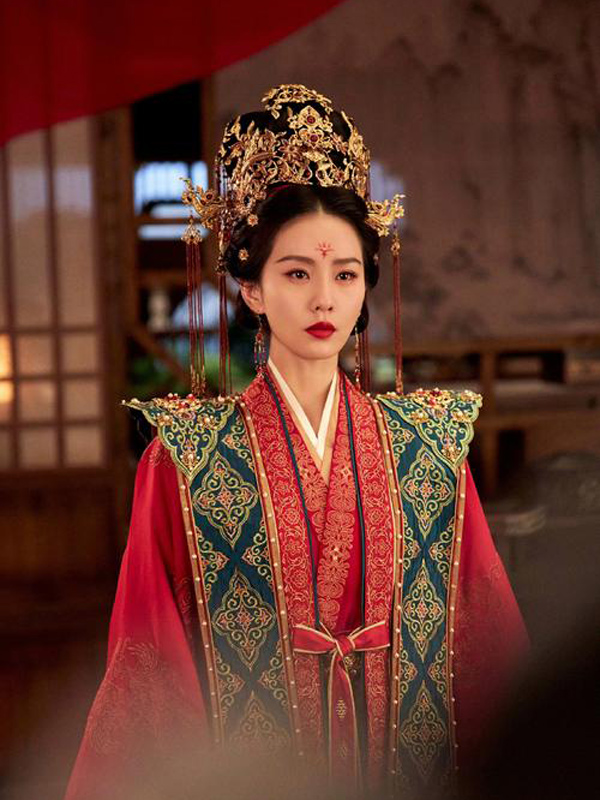
Historical accuracy imposes strict guidelines. In productions set in specific eras costumes must adhere to documented attire such as the Changpao (长袍) and Magua (马褂). These garments have fixed forms, leaving little room for deviation without sacrificing authenticity.
Similarly, cultural narratives demand appropriate dress codes. For example, Wuxia tales often feature flowing robes that symbolize agility and tradition. Straying too far could disconnect the story from its roots, so designers work within established frameworks.
Production Pressures
Tight schedules are a major hurdle. With dozens of outfits needed per series and limited time, designers might opt for pre-existing templates or slight modifications. This efficiency comes at the cost of originality, as thorough research and customization take a back seat.
Copyright issues add complexity. Basic clothing designs, like a cheongsam or Hanfu, often fall into public domain, making it hard to claim ownership. This ambiguity allows some to borrow heavily from others without legal repercussions, encouraging imitation.
Budget constraints further narrow options. Sourcing unique fabrics or custom pieces can be expensive, leading teams to reuse accessible, cost-effective solutions. Over time, this practice contributes to a recycled aesthetic across the industry.

3. Costume Design's True Purpose
In television and film, what a character wears tells a story. These choices are not made in a vacuum but are deliberate tools to build a person's identity and advance the plot. When audiences see two outfits that look alike, a debate often ignites. However, this perspective can misunderstand the fundamental goals of costume design, which prioritizes character service over pure, runway-style originality.
Audience Expectations
Viewers, accustomed to seeing celebrities in unique gowns on red carpets, sometimes apply the same standard to drama costumes. They expect one-of-a-kind pieces and may cry foul when similarities arise. This is a misapplication of fashion logic to a narrative art form. The drive for novelty on the red carpet differs greatly from the needs of character-driven storytelling.
In genres like Xianxia, where stories exist in mythical realms, designers have significant freedom. They can invent styles and create custom pieces that become iconic for a specific hero or heroine. This creative space allows for designs that are highly original because they are not bound by historical fact.
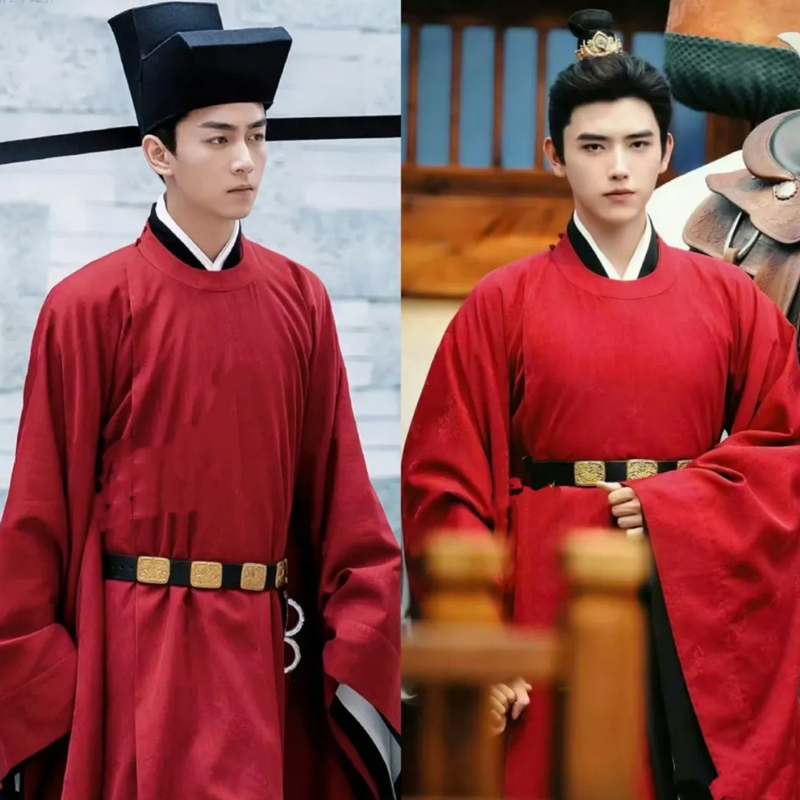
Conversely, historical dramas demand accuracy. Designers work from documents and paintings to recreate the attire of a specific dynasty. Their goal is authenticity, not novelty. An outfit for a Tang dynasty official or a Qing dynasty empress has a defined form; straying too far for the sake of being different would break the story's believability.
Creative Priorities
The primary rule for any costume designer is that the clothing must serve the character. A garment reflects their personality, social status, and journey. A well-designed costume feels inseparable from the person wearing it, as if it could belong to no one else. This connection is more important than whether a sleeve shape or hairpin appears elsewhere.
A veteran producer explained that the industry follows a clear hierarchy of needs. The first and most crucial step is ensuring the costume fits the role and the performer. Does it visually communicate who this person is? Does it allow the actor to move and embody the part? Only after these boxes are checked does the team consider how to inject fresh ideas to avoid repetition.
Sacrificing character authenticity for uniqueness is seen as unprofessional. Imagine a serious, introverted character in a period piece suddenly wearing flamboyant, anachronistic clothes just to stand out. This would shatter the audience's immersion and undermine the narrative, demonstrating a failure of the costume's core purpose.
Legal Gray Areas
From a legal standpoint, accusing a production of "copying" a costume is fraught with difficulty. In China's legal system, there is no precise, codified concept called "costume plagiarism." The issue falls under the broader scope of copyright law, which presents several hurdles for anyone seeking protection.
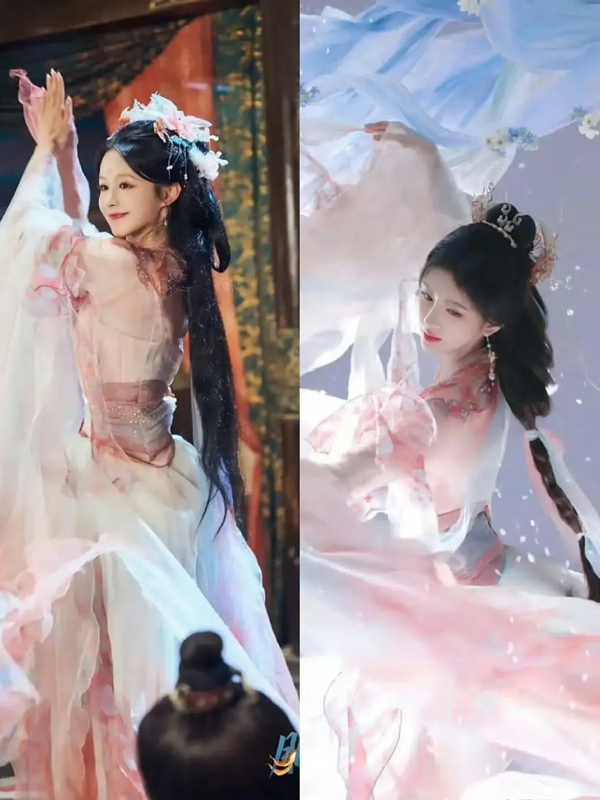
The first major challenge is proving that a costume qualifies as a protected "work." According to legal expert Zhang Qihuai (张起淮), a design must demonstrate originality. This means the specific combination of makeup, clothing, and accessories must reflect the designer's unique choices, not just assemble common elements anyone could use.
For instance, a combination of a "long right-sided fringe, a pearl brooch, and a wide-shouldered blazer" might be protectable if it shows a distinct creative vision. If it is merely a generic office outfit, it would not meet the legal standard. The bar for what constitutes an original "work" in costume design is notably high.
Even if a design is original, proving "substantial similarity" is another complex task. Courts must filter out generic elements, for example like a basic black suit or a common hairstyle, that belong to the public domain. The focus then shifts to the unique details, such as a specific brooch with a narrative function. The final test is whether an ordinary viewer would find the overall visual impression of the two designs confusingly similar.

Summary
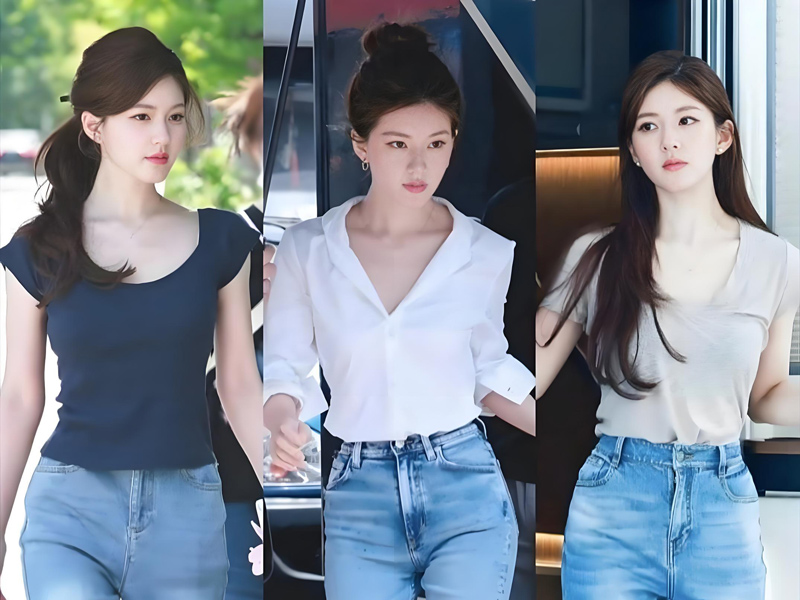
A character's Second Face in film and television acts as a silent storyteller, defining narrative depth. When visual elements overlap excessively, it muddles audience connection. Creators must root designs in a figure's core traits, avoiding borrowed aesthetics. Strengthening intellectual property safeguards rewards genuine innovation. Spectators help by distinguishing inspired nods from direct copies, nurturing spaces where novel ideas thrive. This alignment allows the industry to evolve steadily, ensuring each work carves its own path forward.