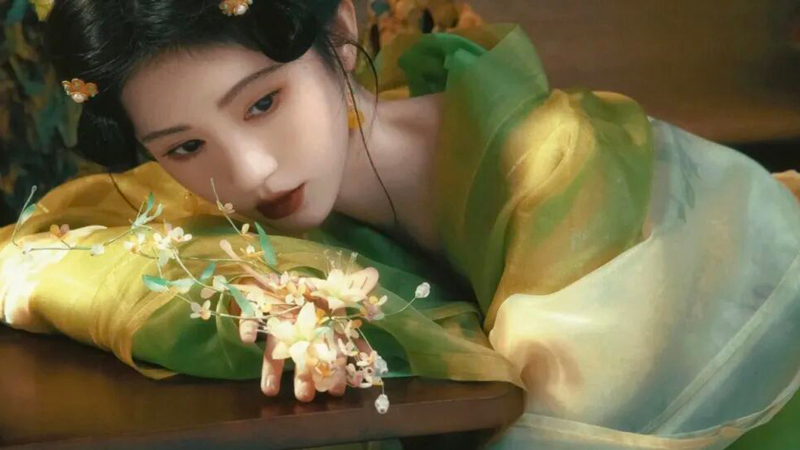
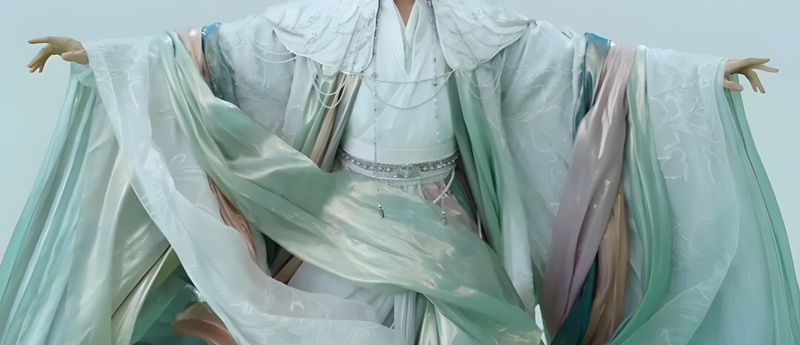
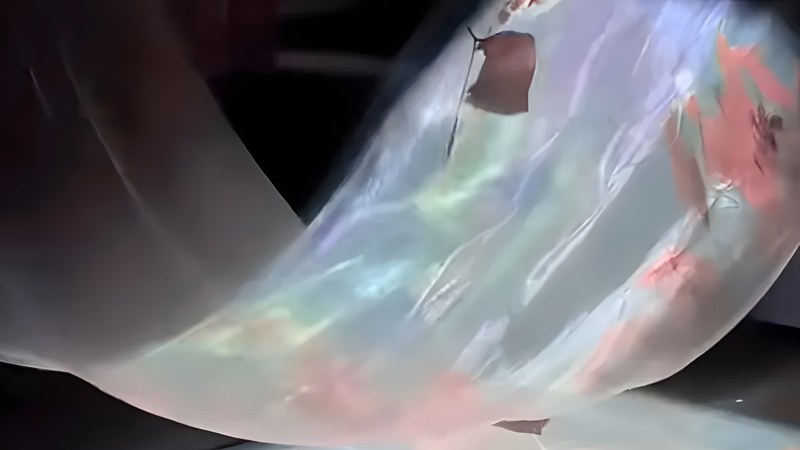
In recent online trends, a luxurious fabric called Fuguang Jin (浮光锦) has captured public imagination, often described as a shimmering, rain-resistant textile worth fortunes per meter. Its mentions in popular historical dramas like Empresses in the Palace (甄嬛传) and Legend of Zang Hai (藏海传) have fueled curiosity, portraying it as a coveted material in imperial courts. However, digging deeper reveals a tangled web of historical fiction and modern marketing. This fabric, praised for its mythical properties, might be nothing more than a cleverly spun tale from ancient literature. As we sift through facts and folklore, the true story behind Fuguang Jin emerges—one that challenges our perception of cultural authenticity and the allure of ancient craftsmanship.
Historical Sources
The primary reference to Fuguang Jin comes from the Tang Dynasty text Du Yang Za Bian (杜阳杂编), a collection of stories blending reality with fantasy. This book describes the fabric as a tribute from the Gaochang (高昌) Kingdom in 825 CE, noting its dazzling appearance under sunlight and remarkable water resistance during a rainstorm. According to the account, it was woven with silk that resisted dyeing and adorned with pearls, creating a garment that left onlookers in awe. Yet, the narrative lacks specifics on its value or widespread use, focusing instead on its supernatural qualities. This vagueness raises doubts about its existence, as the book is known for fictionalized accounts of exotic treasures.
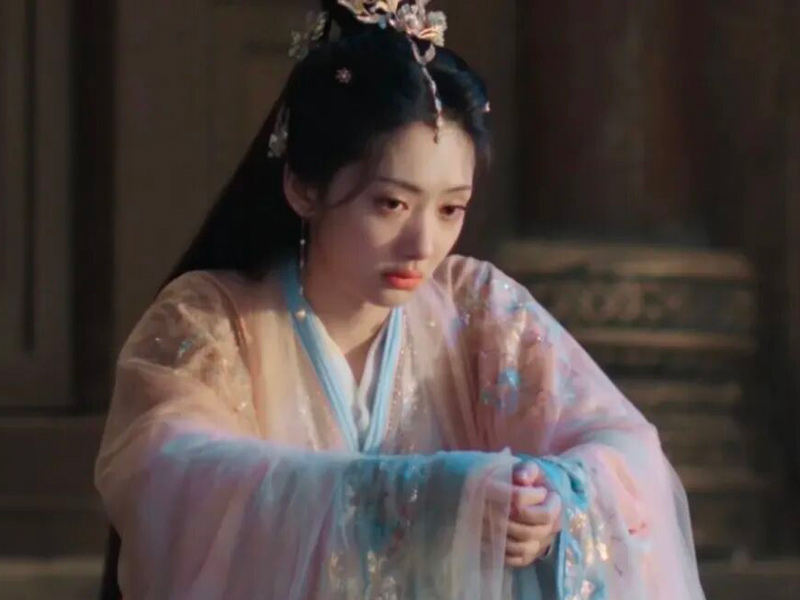
Historical inconsistencies further cloud the story. The Gaochang Kingdom was annexed by the Tang Empire in 640 CE and later absorbed into other territories, making its 825 CE tribute logically implausible. If Gaochang no longer existed as an independent state, how could it present such a gift? This anachronism suggests that Fuguang Jin might be a literary invention, crafted to embellish tales of imperial splendor. Moreover, the fabric's description as a "jin" (a type of brocade) conflicts with regional practices, as Gaochang was not known for producing such textiles, which were more common in southern China. These gaps highlight how folklore can distort historical facts over time.
Examining the fabric's alleged properties adds another layer of skepticism. The claim that it repelled heavy rain challenges historical textile technology. In ancient China, waterproof garments typically used oils or dense wool blends, like the later Yu Sha (羽纱) material, which leveraged wool's natural water resistance. Silk-based fabrics, while luxurious, were not inherently waterproof without specialized treatments. The extravagant details in Du Yang Za Bian—such as embedded pearls and multicolored threads—seem more symbolic than practical, aligning with the book's tendency to mythologize everyday objects. Thus, Fuguang Jin likely served as a metaphor for opulence rather than a tangible artifact.
Modern Myths
Today, Fuguang Jin enjoys a revival in popular culture, often marketed as a lost intangible cultural heritage craft. Online vendors and social media influencers promote synthetic versions made from polyester blended with metallic threads, creating iridescent effects that mimic historical descriptions. These modern interpretations are cheap to produce and capitalize on the fabric's mysterious aura, yet they bear little resemblance to any authentic ancient textile. The hype drives sales, but it also perpetuates a distorted narrative that conflates fiction with cultural identity, misleading consumers seeking genuine historical connections.
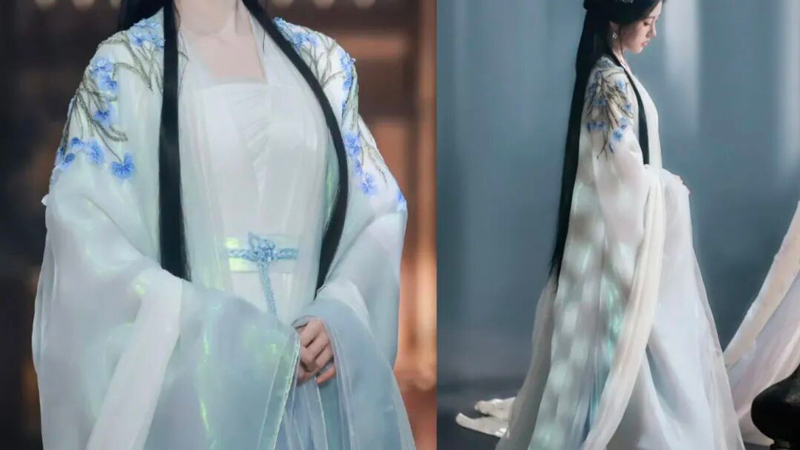
The commercialization of Fuguang Jin reflects broader trends where ancient terms are repurposed for profit. In dramas like Empresses in the Palace, characters vie for this "priceless" fabric, reinforcing its perceived value. However, no archaeological evidence or reliable records support its existence beyond fictional accounts. This disconnect illustrates how entertainment media can shape public memory, turning myths into "facts" through repetition. Educators and historians caution against such practices, urging a critical approach to cultural claims that lack empirical backing.
Despite the fabric's dubious origins, its story offers insights into how societies preserve heritage. People are drawn to Fuguang Jin because it embodies a romanticized vision of the past—one where artistry and mystery intertwine. By questioning its authenticity, we not only debunk myths but also celebrate real historical textiles, such as silk brocades or woolen Yu Sha, which demonstrate genuine innovation. Moving forward, transparency in cultural storytelling can help audiences appreciate true craftsmanship without the veil of exaggeration. As Fuguang Jin shows, sometimes the most enduring legends are those woven from imagination.