Article
Search results:
-
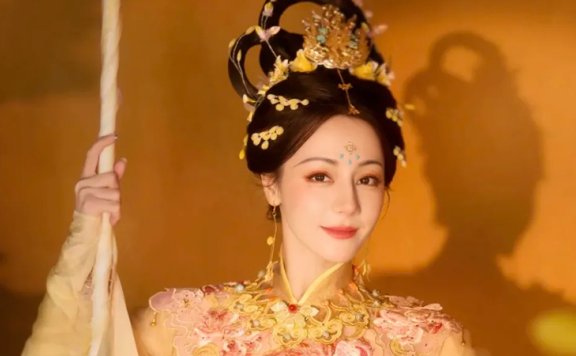
Dilraba's Mid-Autumn Look Takes Internet by Storm
When Dilraba appeared at the Mid-Autumn Gala, her ensemble instantly captivated audiences, sparking conversations far beyond typical celebrity fashion chatter. Unlike conventional ancient-style attire, her look drew from the classic motif of the Heavenly Maiden Scattering Flowers, evoking childhood fantasies of ethereal beings gracing the earthly realm. While fellow actress Gulnazar showcased her own elegant traditional design, Dilraba's interpretation stood out for its layered cultural resonance. This was not merely a costume; it was a visual narrative weaving together history, art, and collective memory, reminding viewers that some aesthetic ideals transcend time. Styling Secrets Dilraba's outfit featured specific elements that immediately signaled its mythical inspiration. Her hair was arranged in a Huanji (鬟髻), a classic coiled bun that has symbolized feminine grace and divinity in Chinese art for centuries. This hairstyle frequently appears in renowned works like Nymph of the Luo River (洛神赋图) by Gu Kaizhi (顾恺之) and Eighty-Seven Celestials (八十七神仙卷) by Wu Daozi (吴道子), establishing it as a quintessential feature of celestial figures. The style's circular form projects harmony and elegance, making it a perennial choice for representing otherworldly beauty in both historical and modern contexts. Another defining component was the Yuanjian (云肩), a decorative cape draped over the… -
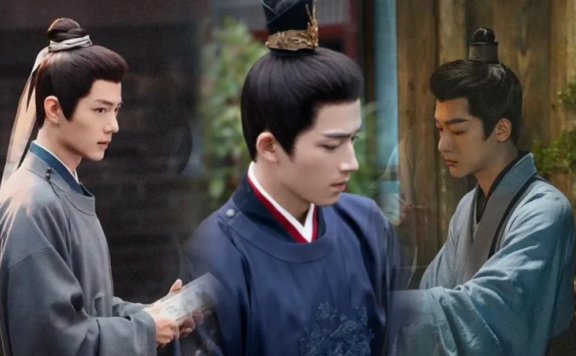
Are Male Hairstyles in Historical Dramas Really So Lackluster?
Have you ever switched between different historical Chinese dramas and felt a sense of déjà vu when it comes to the male characters' hairstyles? It seems as if the same look is recycled from one show to another, leaving viewers wondering if creativity has run dry. While female characters often showcase a variety of elaborate hairdos, their male counterparts appear stuck in a rut. But is this really the case, or are we missing the bigger picture? This article delves into the elements that define male hairstyles in period productions, examining why certain styles dominate and how accessories and demeanor play crucial roles in shaping these iconic looks. By exploring historical influences and modern adaptations, we can uncover the reasons behind this perceived lack of diversity and what it takes to bring authenticity to the screen. Core Styles At the heart of male hairstyles in historical dramas lies the Shufa (束发), a tied-up style that has become the go-to choice for many productions. This look, where hair is pulled back and secured, often features variations in height and tightness—some versions puff up dramatically, while others lie flat against the scalp. Its prevalence stems from cultural roots in the Qin and… -
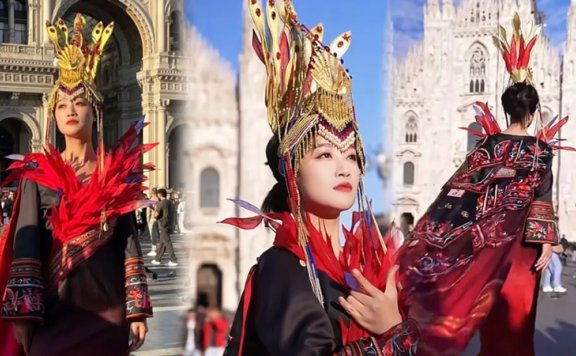
A Chinese Star's Milan Outfit Says About an Ancient Phoenix Legend
When actress Lan Yingying (蓝盈莹), widely recognized for her role as Huanbi (浣碧) in the television series Empresses in the Palace (甄嬛传), walked onto the runway at Milan Fashion Week, she did more than just model clothing. She carried an entire cultural narrative on her shoulders, quite literally. Her headpiece, an intricate and striking silver crown, immediately captured global attention, prompting both admiration and curiosity. This was not a conventional fashion accessory but a modern interpretation of a traditional Shezu (畲族) ceremonial crown, deeply rooted in the belief that the She people are descendants of the phoenix. Her appearance became a powerful statement, moving Chinese cultural heritage from the pages of local chronicles like the Jingning County Records (景宁县志) to the flashbulbs of an international stage. The Phoenix Crown The centerpiece of the outfit was the magnificent Fengguan (凤冠), or Phoenix Crown. This is not merely an item of decoration but the soul of the traditional Fenghuang Zhuang (凤凰装), or Phoenix Attire. For women of the She ethnic group, this crown represents one of the most significant pieces of regalia they will ever wear, typically reserved for two pivotal moments in life: their wedding day and their final passing. Its… -
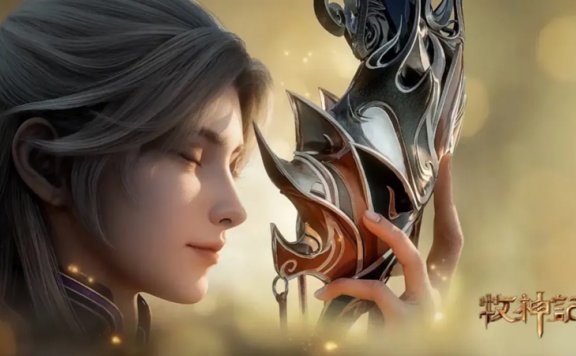
Top 5 Chinese Animations for Your Holiday Binge-Watching
As autumn leaves fall, many seek indoor entertainment, and Chinese animation offers a thrilling escape. No longer niche, these series blend rich storytelling with stunning visuals, rivaling global counterparts. This season, five standout productions demonstrate the medium's diversity, from philosophical fantasies to cosmic adventures. Each title provides a unique entry point into worlds where traditional myths meet modern creativity. With episodes stacked for binge-watching, they transform quiet holidays into immersive journeys. Let's explore what makes these series unforgettable. 1. Tale of Herding God (牧神记) - Dark Fantasy Tale of Herding God redefines fantasy with its shadowy palette and intricate plots. Set in a realm where gods and demons clash, it follows a young shepherd's ascent amid moral ambiguities. The animation studio Xuanji Tech (玄机科技) employs a muted color scheme, emphasizing tension and depth. Characters grapple with existential questions, making it more than a simple adventure. Visuals here are not just backgrounds but narrative tools. Every frame contributes to world-building, from desolate landscapes to ethereal cities. The protagonist's journey is punctuated by ethical dilemmas, reflecting a broader philosophical inquiry. This approach elevates the series beyond typical action fare, appealing to viewers seeking substance. With fifty episodes available, the story unfolds without… -
Slay the Gods: The Animation Reshaping Fantasy
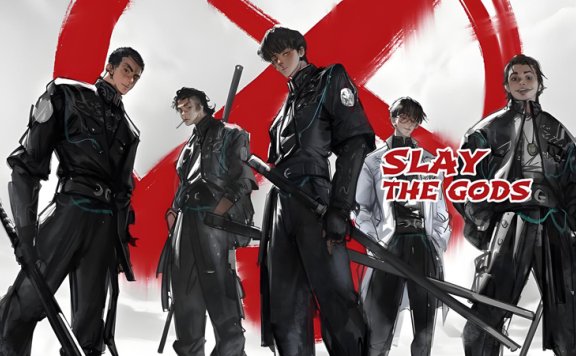
Imagine a reality where deities are imprisoned in psychiatric facilities, while humanity navigates a landscape teeming with supernatural threats. This is the foundation of Slay the Gods (斩神之凡尘神域), an animation that has swiftly captured audience attention. In the nation of Daxia (大夏), eerie phenomena are routine, and a magician known as Merlin (梅林) becomes central to the chaos. They alternate between male and female forms, speaking in disjointed phrases about a vocal yellow cube submerged in the ocean, hinting at deeper cosmic secrets. Derived from the web novel Deicide Learning in a Psychiatric Hospital (我在精神病院学斩神), the series has achieved remarkable ratings, with a 9.6 score from over 3.16 million users and an 8.4 on Douban that keeps rising. Its third episode generated 1.21 million comments in a day, reflecting intense viewer engagement. Fans applaud its precision, noting that every scene feels essential, and even the closing sequences are crafted to hold interest. This urban fantasy breaks from traditional genres by merging modern settings with divine conflicts, offering a distinct alternative to common cultivation narratives. It has rejuvenated its source material, driving searches past older web novels and resonating with younger demographics. The animation signifies a shift in Chinese cartoon storytelling,… -
A Golden Ox Lifted a Palace in Episode 51!
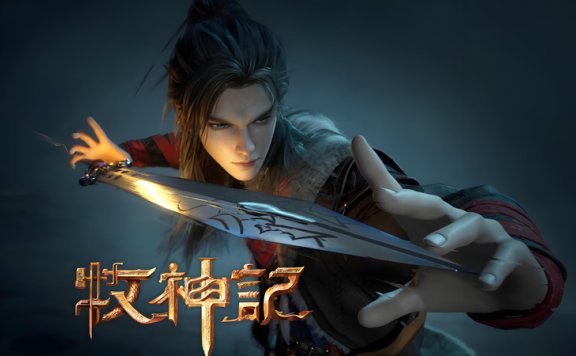
In the latest installment of Tale of Herding God (牧神记), viewers are treated to a spectacle that defies imagination. Episode 51 delivers a powerful blend of visual grandeur and raw strength, set against the backdrop of the legendary Loulan Golden Palace (楼兰黄金宫). This episode not only advances the plot but cements the series' reputation for breathtaking animation and intense character dynamics. As Bashan Moqing (霸山墨青) and Qin Mu (秦牧) return to the grasslands, their journey takes a dramatic turn with night battles and a direct assault on the golden fortress. The sequence where a golden ox carries the entire palace is just the beginning of an adventure filled with suspense, strategy, and stunning displays of power. This article delves into the key moments that make this episode a standout, exploring how it balances action with deeper narrative threads. From the eerie lakeside scenes to the climactic confrontations, every frame is crafted to keep audiences on the edge of their seats. The creativity in animation and storytelling here sets a new benchmark for fantasy series, inviting fans to immerse themselves in a world where the impossible becomes reality. The Golden Ox As the episode opens, a command from Bashan sets the… -
How Traditional Arts Revitalize Drama Plots
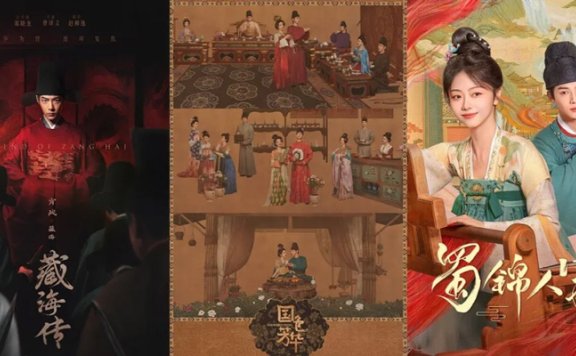
In historical television, a shift is occurring where traditional crafts become essential to storylines, moving beyond decorative elements to actively shape character development and plot progression. One series, Brocade Odyssey (蜀锦人家), features a protagonist whose skill in textile arts drives her actions and relationships. Detailed weaving scenes are integrated into key moments, showing how this craft influences political and personal outcomes. This method allows the art form to feel alive and relevant to the narrative. Another example, Scent of Time Full (为有暗香来), uses scent creation as a tool for mystery-solving and alliance-building. The main character's expertise in perfumery helps unravel clues and deepen emotional arcs. This approach turns a historical practice into a dynamic part of the story, engaging viewers with its practical applications. By embedding these elements, shows offer educational value without breaking immersion. Audiences gain insight into historical techniques while following compelling arcs. This balance enhances the overall experience, making cultural learning a natural part of entertainment. This trend highlights the importance of authenticity in integration. When cultural practices are woven seamlessly into the plot, they enrich the narrative depth. It encourages creators to prioritize meaningful content over superficial additions, potentially reshaping audience expectations for the genre. Cultural… -
An Insight into the Clothing of China's Dynasties
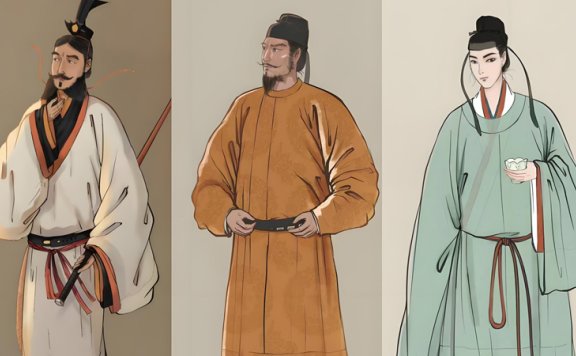
Clothing in ancient China evolved from simple animal hides to intricate silk robes, reflecting social changes and technological advances. Early artifacts like bone needles and woven fragments reveal a long journey of innovation. This narrative spans millennia, showing how attire expressed identity, status, and cultural values across dynasties. Early Beginnings In the Paleolithic era, people used bone needles to stitch animal skins for basic garments. Ornaments made from stone and shells suggest early aesthetic expression. These finds at sites like Zhoukoudian (周口店) highlight humanity's innate drive to create and adorn. The Yangshao Culture (仰韶文化) left evidence of plain-woven fabrics and silk remnants. Advanced spinning and dyeing techniques emerged, producing complex textiles earlier than previously thought. This period laid groundwork for future silk mastery. During the Liangzhu Culture (良渚文化), tools like ceramic and jade spinning wheels improved weaving efficiency. Waist looms allowed finer cloth production, marking progress from primal coverings to structured apparel. Shang Dynasty (商朝) Attire in the Shang dynasty displayed clear social hierarchies. Elites wore rolled-headgear and narrow-sleeved robes with decorative aprons. Their outfits combined practicality with symbols of authority. Middle-ranking nobles sported high caps and sashes, while lower-status individuals used simpler designs with patterned accents. Each class had… -
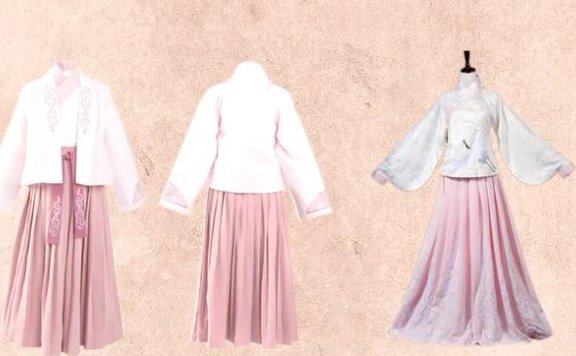
Illustrated Ancient Clothing: Learn Hanfu’s Basic Features and Forms
Hanfu represents the enduring attire system of the Han ethnic group, reflecting centuries of cultural practices and aesthetic values. This clothing is defined by precise elements like the right-crossing collar, broad sleeves, and hidden ties, distinguishing it from modern interpretations. It serves as a functional record of China's historical identity, blending philosophy with daily wear. Early forms such as the Shenyi (深衣) from the Pre-Qin era laid the foundation, emphasizing unity in design. The Han period featured the Quju (曲裾) for formal events, while the Tang dynasty's Qixiong Ruqun (齐胸襦裙) expressed vibrancy and freedom. Song styles like the Beizi (褙子) favored understated elegance, and Ming innovations such as the Mamian Qun (马面裙) and Liling Aozi (立领袄子) highlighted technical mastery. Each shift mirrored societal values, creating a rich visual legacy. https://youtu.be/O8j8zk_WsBo 1. The basic characteristics of Hanfu Hanfu represents the traditional dress of the Han Chinese people, with a history that stretches back millennia. Its design principles are deeply rooted in cultural practices and aesthetic ideals, offering a unique perspective on garment construction. This clothing style emphasizes fluidity and grace, moving beyond mere fashion to embody a way of life. Each element of Hanfu serves a purpose, blending form and function… -
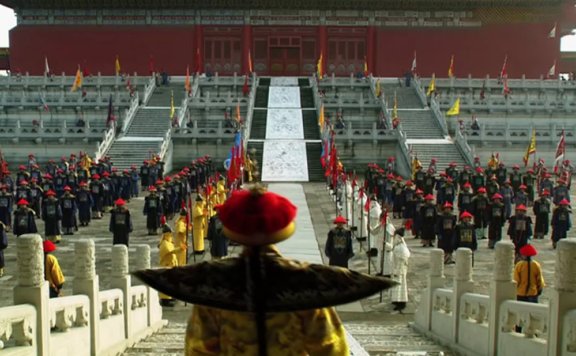
Did Ancient People Celebrate a National Day?
What if we told you that National Day celebrations, in some form, are almost thirteen centuries old? Long before the founding of modern nations, the concept of a "national" celebration already thrived in one of the world's most enduring civilizations. However, the festivities looked remarkably different, centered not on a country's founding but on the individual who embodied the state: the emperor. In ancient China, the most magnificent celebrations were reserved for the emperor's accession to the throne and his birthday, events that transformed into nationwide holidays filled with ritual, revelry, and a distinct imperial grandeur. Imperial Accessions The most momentous occasion in an empire was the ascension of a new emperor. Marking the start of a new reign and a new era, the accession ceremony was the highest standard of celebration. The capital city would be decorated with lanterns and banners, while an elaborate and solemn ritual unfolded within the palace. The emperor, dressed in ceremonial robes, would report to Heaven and the ancestral temples before receiving the obeisance of all his officials. This event was not merely a political formality; it was a powerful symbol that the entire nation was bathing in the atmosphere of a new beginning.… -
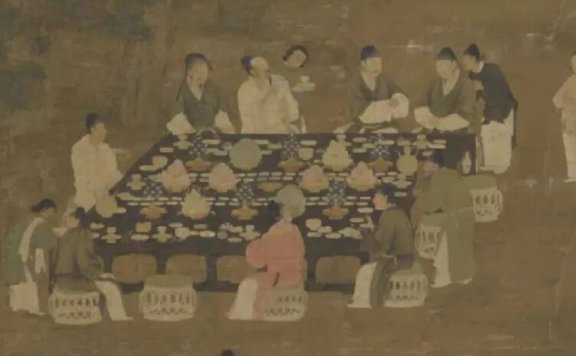
How Did Ancient People Tie Qiu Biao?
As summer's heat gives way to autumn's crisp air, a timeless ritual unfolds across China, one rooted in the wisdom of generations past. This practice, known as Tie Qiu Biao (贴秋膘), or "autumn fattening," is not merely about indulgence but a strategic preparation for the harsh winter ahead. Historically, the cooling temperatures signaled a time to replenish the body after the lean summer months, when appetites waned and energy was depleted. From imperial kitchens to humble farmsteads, people turned to specific, nutrient-rich foods to build resilience and store energy. This article delves into the delicious and practical ways ancient Chinese communities embraced this seasonal shift, focusing on the iconic dishes that defined their autumn tables and supported their health through the colder seasons. Hearty Meat Feasts One of the most beloved dishes for autumn nourishment was Hongshao Rou (红烧肉), a slow-braised pork belly known for its rich, savory-sweet sauce and meltingly tender texture. In rural households, after the intense labor of summer harvests, a substantial piece of pork was a treasured source of fat and protein. Cooked with Huangjiu (黄酒), soy sauce, and rock sugar in a heavy pot over a low flame, the dish transformed simple ingredients into a… -
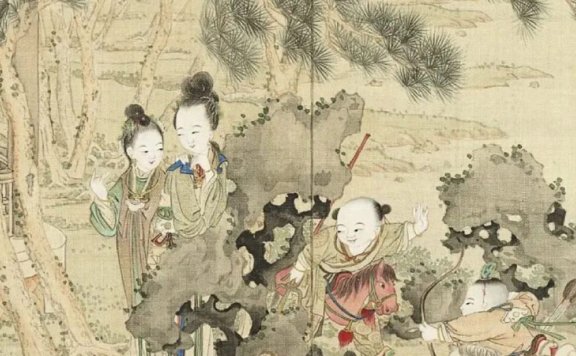
What Games Did Ancient Chinese Children Play?
Long before plastic and batteries, the children of ancient China found their joy in toys born from nature and human ingenuity. These playthings, crafted from bamboo, wood, paper, and clay, were not merely for distraction; they were instruments of imagination, physical activity, and social connection. They filled courtyards and village squares with laughter and competition, creating a vibrant soundscape of childhood that has, in many ways, echoed through the centuries. From the skies above to the dust beneath their feet, every element of the world could be transformed into a source of wonder. The legacy of these ancient amusements offers a fascinating window into the daily lives and creative spirits of young people from a bygone era, showing us that the fundamental desire for play is truly timeless. Flying Kites Soaring high above the earth on the breath of the wind, the kite was a marvel of ancient engineering and artistry. Known poetically as Yuan, its origins trace back to wooden birds crafted by master artisans like Lu Ban (鲁班). With the advancement of papermaking during the Han Dynasty, these prototypes evolved into the more accessible paper kite, or Zhiyuan (纸鸢). By the time of the Song Dynasty, flying kites… -
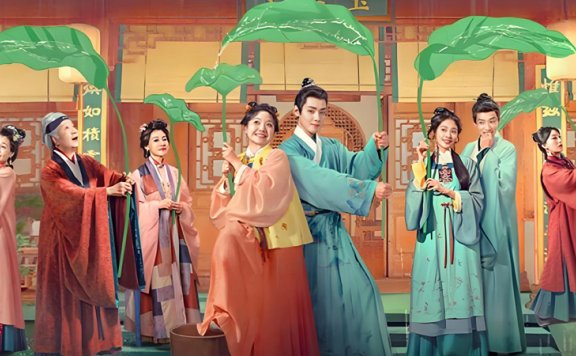
How Hilarious Family 2’s Characters Teach Embracing Inner Strength
In the captivating drama Hilarious Family 2, two characters find themselves trapped in oppressive systems, yet their journeys diverge dramatically. Ai Sixi (艾四喜), punished for faking a pregnancy, endures brutal torment at the Yuanyang Tang (鸳鸯堂), a correctional facility for women. Meanwhile, Jing Kan (经坎), sentenced to labor at the Gongcha Yuan (贡茶园) for running an unlicensed tea shop, transforms his plight into an opportunity. Why does one succumb to despair while the other carves out freedom? Their stories reveal profound truths about reliance, resilience, and the human spirit in the face of injustice. This tale set in a historical backdrop challenges viewers to reflect on their own responses to adversity, making it a poignant narrative for modern audiences. Dependency and Deception Ai Sixi arrived at the Yuanyang Tang expecting to learn simple chores like serving tea or sewing. Instead, she encountered a harsh regime designed to break her will. The female overseer, a formidable figure, subjected her to psychological games and physical labor, such as binding her hands to grind grain while dangling food just out of reach. This environment stripped away her dignity, leaving her feeling isolated and helpless. Each day blurred into a cycle of exhaustion and… -
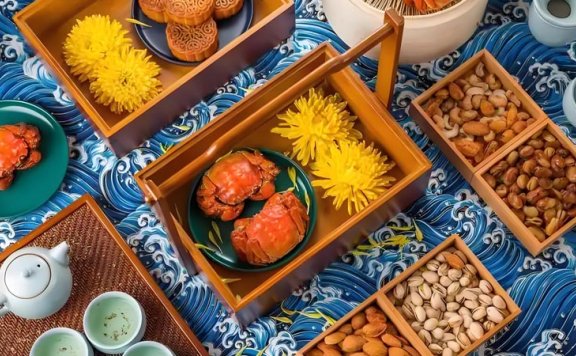
Mooncakes and Lanterns: The Enduring Charm of the Mid-Autumn Festival
When the full moon rises in the autumn sky, families across China and beyond gather for the Mid-Autumn Festival, a celebration that transforms a simple lunar event into a profound symbol of unity and hope. This festival, rooted in ancient lunar worship, has evolved into a vibrant tapestry of rituals and joys that resonate through generations. It is not merely a date on the calendar but a living tradition where the moon's glow illuminates stories of harvest, reunion, and cultural continuity. From bustling cities to quiet villages, people pause to honor the past while creating new memories, blending time-honored customs with personal touches. The essence of this night lies in its ability to connect individuals to their heritage and to each other, making it a cherished pause in the rhythm of modern life. As the world moves fast, the Mid-Autumn Festival offers a moment to reflect, share, and appreciate the simple beauty of togetherness under the celestial canopy. Ancient Roots The origins of the Mid-Autumn Festival trace back to ancient China, where communities revered the moon as a divine force linked to agricultural cycles and cosmic balance. Initially, it served as a harvest thanksgiving, with rituals aimed at appeasing lunar… -
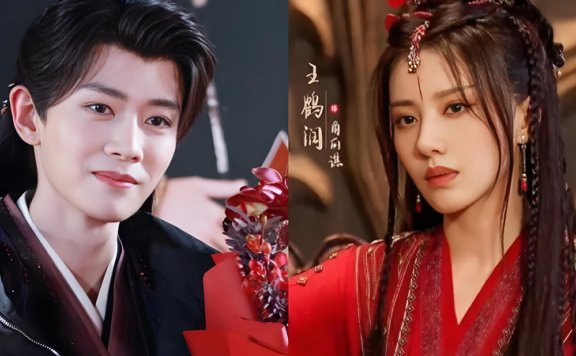
Why Fate Chooses You Is the Most Anticipated Xianxia Drama of 2025?
In the ever-expanding universe of digital entertainment, a new spectacle is poised to enchant audiences with its unique blend of fantasy and romance. Fate Chooses You (佳偶天成), an exclusive iQiyi production, has already captivated over two million viewers through pre-release registrations, marking an unprecedented surge in popularity for the Xianxia genre. This series, slated for an October 2025 debut, transports viewers to an intricately crafted ancient realm where the boundaries between mortals, deities, and mystical clans blur. At its heart lies a narrative that intertwines personal curses with grand conspiracies, following two unlikely heroes bound by fate. Their journey, which spans from imperial capitals to enigmatic valleys and distant western lands, promises not only visual splendor but a deep exploration of resilience and love. As anticipation builds, this drama stands out for its fresh take on classic tropes, offering a compelling reason for fantasy enthusiasts to mark their calendars. Cursed Origins Lu Qianqiao (陆千乔), a warrior from the Zhan Gui Zu (战鬼族), carries the weight of a generations-old affliction known as the "Five Imperfections." This curse grants him immense physical strength but exacts a heavy toll, shrouding his life in isolation and unspoken hardships. His path crosses with Xin Mei… -
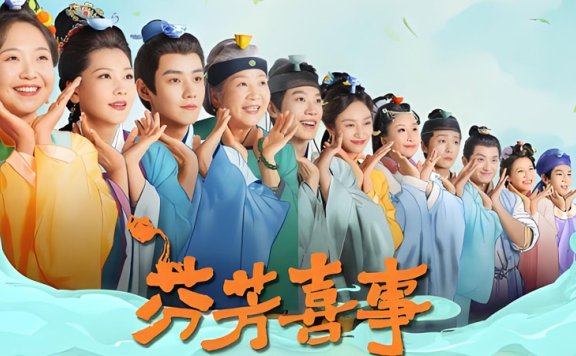
Ai Sixi’s Fight for Agency in Hilarious Family 2
In the enthralling world of Hilarious Family 2 (芬芳喜事), a dramatic tale unfolds around Ai Sixi (艾四喜), a woman who embarks on a fabricated marriage to escape dire circumstances, only to find herself entangled in the opulent yet treacherous Jing Family (经家), renowned tea merchants in a historical Chinese setting. This narrative delves into her clever maneuvers to transform a temporary arrangement into a permanent position of influence, challenging traditional family dynamics and personal convictions. As she steps into a life of luxury and latent dangers, her story becomes a compelling exploration of resilience and cunning in the face of adversity, set in a time where social hierarchies and familial duties dictate one's fate. Through her eyes, viewers witness a blend of emotional depth and strategic brilliance, making every moment a test of wit and willpower. The Strategic Move Ai Sixi's initial agreement with Jing Kan (经坎) was purely transactional—a fake union to safeguard her own survival, as her home, the Yueji Inn (悦己客栈), had been seized, leaving her with nowhere else to turn. Rather than passively accepting her role, she seized control by immersing herself in his world, using every interaction as a chance to understand his motivations and… -
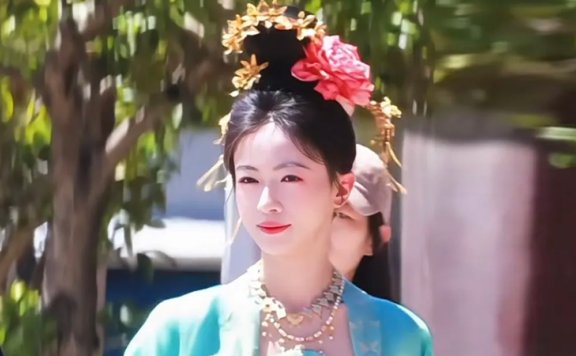
Wearing the Golden Blooms in Jiang Shan Wei Pin
When actress Wu Jinyan (吴谨言) appeared in the historical drama Jiang Shan Wei Pin (江山为聘) with a headpiece adorned with a row of shimmering golden flowers, audiences were captivated. Each delicate bloom trembled with her movements, sparking lively debates online. Many wondered if such opulent accessories were truly part of ancient attire or merely artistic exaggeration. This curiosity opens a window into the rich tapestry of historical Chinese fashion, where hair ornaments were not just decorative but carried deep cultural weight. The dazzling display in the series invites a closer look at how these items reflected societal values and personal identity across different eras. Ancient Beginnings The use of floral gold decorations in hair, known as Dian (钿, gold flower ornament), dates back to the Wei (魏) and Jin (晋) periods. During this time, artisans began crafting thin gold sheets into flower shapes, which were then attached to hairpins or directly into hairstyles. These items gained prominence as symbols of status and beauty, evolving through subsequent dynasties. In the Tang (唐) era, Dian became highly popular, with intricate openwork designs that showcased advanced metalworking skills. Archaeological finds from Tang tombs include numerous gold flower pieces, confirming their widespread use among… -
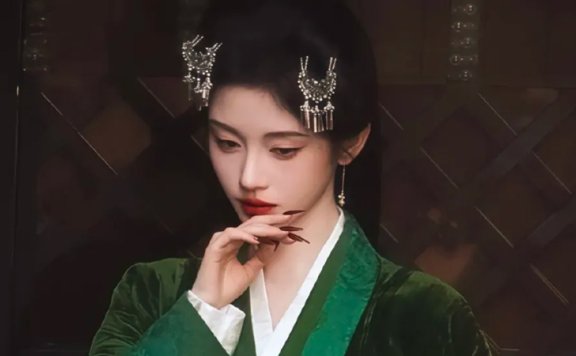
Are the Side-Hair Tassel Ornaments of Ju Jingyi Real?
In the visually rich world of Chinese historical dramas, certain aesthetic elements capture the audience's imagination, prompting questions about their origins and authenticity. One such detail is the delicate hair ornament draped from the temples, often seen adorning characters in series like those featuring actress Ju Jingyi (鞠婧祎). These accessories, with their flowing pendants, serve not only as decorative highlights but also as functional pieces designed to enhance facial structure and hairstyle volume. This adornment, known historically as Yan Bin (掩鬓), which translates to "covering the temples," has a deep-rooted evolution in Chinese fashion history. Its journey from ancient rituals to modern screens illustrates how traditional elements are reinterpreted, blending historical accuracy with contemporary style to create that iconic look viewers admire today. Han Origins During the Han Dynasty, the precursor to Yan Bin emerged in the form of Bu Yao (步摇), a term meaning "step shake" that described hairpins with dangling beads or pearls that swayed with movement. These were not merely decorative; they symbolized elegance and status, often depicted in artifacts like the Mawangdui (马王堆) silk paintings. For instance, noblewomen would wear them on both sides of their head, adding a dynamic, graceful touch to their appearance as… -
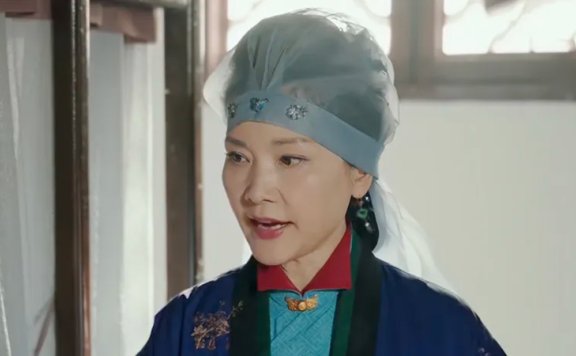
Why Does He Saifei’s Scarf Look Odd in Hilarious Family 2?
In the recent Chinese period drama Hilarious Family 2 (芬芳喜事), veteran actress He Saifei (何赛飞) sported a headpiece that left many viewers scratching their heads. This accessory, known as Fu Jin (幅巾), is a rectangular cloth worn over the forehead with the rest draping down the back. While it might seem unfamiliar to modern audiences, this item has deep roots in Chinese history, particularly during the Ming Dynasty. Its appearance in the drama, alongside performances by stars like Lamu Yangzi (辣目洋子), has sparked conversations about its origins and why it is so rarely seen in domestic productions. Fu Jin started as a male accessory but evolved into a unisex fashion statement, reflecting broader cultural shifts. Understanding this piece requires delving into its past, its practical uses, and the reasons behind its scarcity in today's cinematic portrayals. Fu Jin's History The earliest records of Fu Jin date back to the Eastern Han Dynasty, where it was mentioned in historical texts like the Under the Moonlight (锦囊妙录). Scholars and nobles adopted it as a symbol of simplicity and elegance, often choosing it over formal headwear for casual settings. By the Song and Ming eras, it had become a staple among the literati,… -
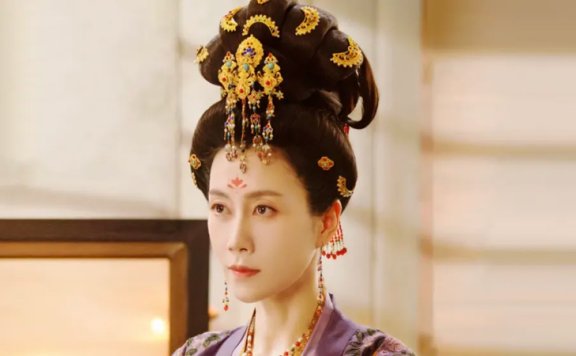
What Is Croissant on Her Head?
When actress Wen Zhengrong (温峥嵘) appeared in the television series Love's Freedom (许我耀眼), audiences immediately noticed something unusual about her character's appearance. Portraying the mother-in-law to the protagonist played by Zhao Lusi (赵露思), she sported an intricate hairstyle that sparked widespread curiosity online. Viewers quickly compared the towering, layered bun to a freshly baked croissant, flooding social media with questions about its origins and meaning. The style is not a modern stylist's invention but a deliberate revival of a specific aesthetic from China's past. Its presence in today's media highlights a continuing fascination with the Tang Dynasty and its bold approach to personal adornment, serving as a starting point for exploring how ancient beauty standards resonate in the present day. Historical Roots The distinctive hairstyle worn by Wen Zhengrong finds its direct inspiration in a specific type of coiffure popular during the Tang Dynasty, particularly from the mid to late period into the Five Dynasties era. Known as Congji (丛髻), which translates roughly to "thicket bun" or "cluster bun," this style was characterized by multiple small coiled buns, or Huanji (鬟髻), piled atop one another to create a voluminous, textured effect. It was not merely a single uniform look but…