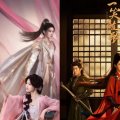
Chen Zheyuan (陈哲远) faces a pivotal moment in his acting journey. His second series this year, Fated Hearts (一笑随歌), has drawn muted responses, echoing the letdown from his earlier big-budget modern romance The White Olive Tree (白色橄榄树).
As the story unfolds, engagement metrics for his current project remain stagnant. Platform buzz hovers below key thresholds, and promotional backing has dwindled, leaving the show to fend for itself. This pattern fuels growing critiques that he struggles to elevate adapted works, with some dubbing him an "IP crusher" and questioning his appeal.
Once viewed as a talent on the cusp of a major breakthrough, that anticipated surge now feels distant. Instead of catapulting him to new heights, this phase highlights persistent barriers. The narrative around him is shifting from one of promise to one of plateaued potential.

When Talent Meets Typcasting in TV
In the crowded landscape of television dramas, some productions manage to capture attention without ever becoming standout hits. The series Fated Hearts finds itself in this ambiguous space, where viewer discussions often focus more on the actors' perceived weaknesses than the story itself. This phenomenon highlights how modern audiences dissect every aspect of a show, from narrative execution to performer capabilities. What unfolds is a complex interplay between creative ambitions and practical limitations that defines many contemporary productions.
The Fan Divide
Social media platforms have become battlegrounds where supporters of Li Qin (李沁) and Chen Zheyuan debate which performer carries more responsibility for the drama's moderate reception. These conversations reveal how viewer loyalty can shape the perception of a project's success. Rather than celebrating the collaboration, followers often engage in comparisons that highlight perceived deficiencies. This dynamic creates an environment where collective enjoyment takes a backseat to critical analysis.
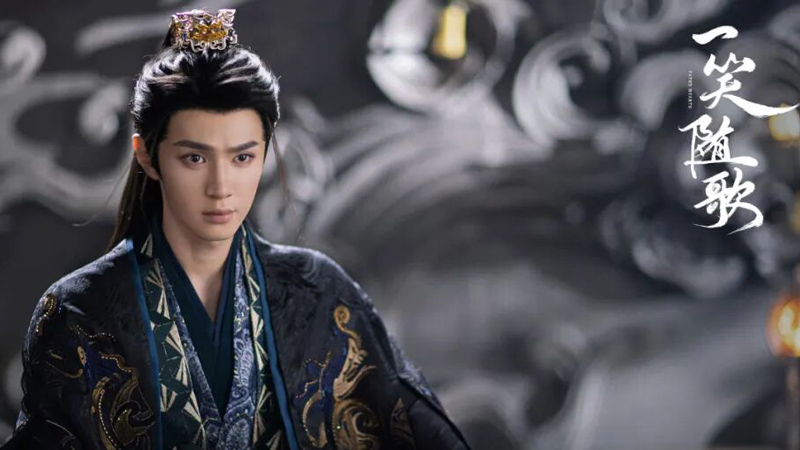
Audience metrics for the program show gradual improvement over time, suggesting that initial impressions might not tell the whole story. Some viewers have noted that the later episodes demonstrate more compelling storytelling than the beginning. However, this upward trend hasn't translated into breakthrough popularity. The series remains stuck in the middle ground of its genre—competently made but lacking distinguishing excellence that would set it apart from similar offerings.
These fan interactions reflect broader patterns in how contemporary audiences consume media. The immediate reaction culture on digital platforms often amplifies minor aspects into major talking points. In this case, the focus on actor compatibility overshadows other elements that contribute to the viewing experience. Such discussions, while passionate, sometimes miss the nuanced reality of collaborative storytelling.
Storyline Challenges
The narrative foundation of Fated Hearts follows familiar patterns that veteran drama watchers will recognize instantly. A transition from animosity to affection between main characters unfolds exactly as anticipated, leaving little room for surprise or innovation. This predictability diminishes engagement for those seeking fresh approaches to classic tropes. The safety of conventional plotting comes at the cost of originality.
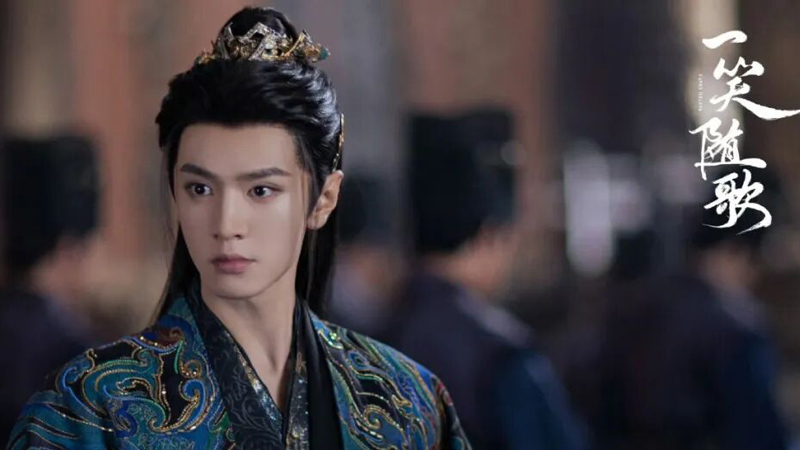
Attempts to blend romantic developments with political intrigue feel forced and unconvincing. These elements fail to integrate smoothly, creating tonal inconsistencies that undermine both aspects. The pacing suffers from frequent perspective shifts between primary and secondary characters. Supporting storylines add length without contributing meaningful depth or audience connection, making the overall experience feel disjointed.
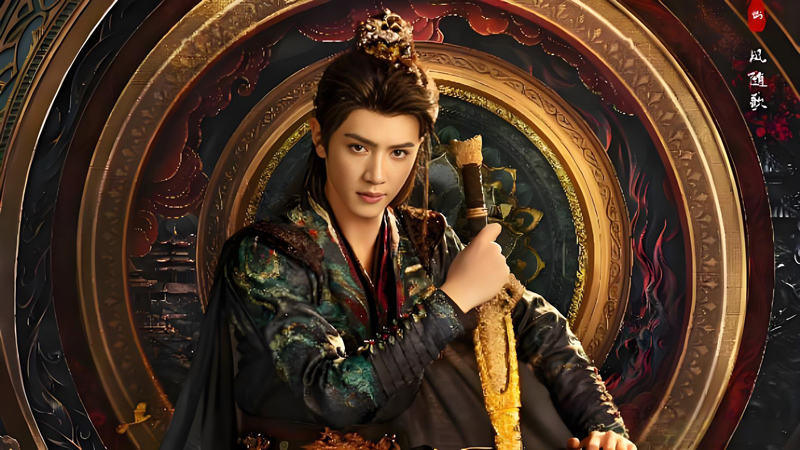
Structural issues extend to character development arcs that promise complexity but deliver simplicity. The male lead Feng Suige (凤随歌) carries a background filled with trauma and royal pressure that should inform nuanced behavior. Instead, his journey often reduces rich potential to surface-level reactions. This mismatch between setup and execution leaves narrative possibilities unexplored and relationships underdeveloped.
Performance Dimensions
Li Qin delivers her role with technical precision and consistent character interpretation. Her professionalism shines through in scenes requiring emotional control and physical presence. However, a crucial ingredient for successful romantic pairings remains elusive in her interactions with co-stars. This absence of chemistry affects how viewers invest in the central relationship dynamic, despite her individual competence.
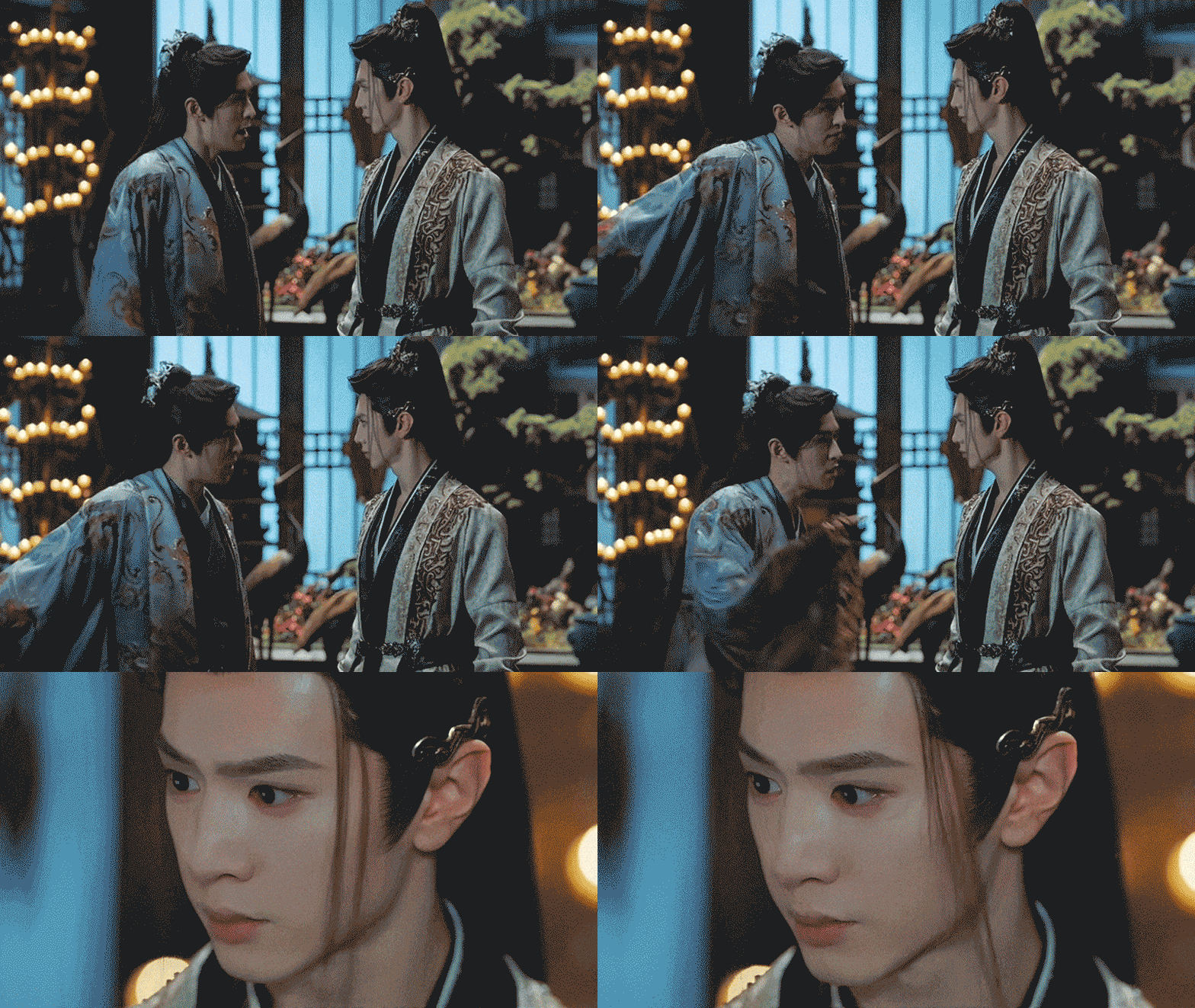
Chen Zheyuan demonstrates clear progress from previous projects, particularly in vocal delivery and physical expression. His efforts to overcome past criticisms show dedication to improvement. Yet when faced with a character requiring layered interpretation, his approach defaults to broad strokes rather than subtle details. The complexity of a prince navigating court politics and personal vendettas demands more psychological depth than surface mannerisms can convey.
Specific moments highlight these limitations, such as confrontations that should crackle with tension but instead feel procedural. When reacting to betrayal by Murong Yao (慕容曜), the emotional response lacks the gradations that would make it believable—the conflict between gratitude, obligation, and anger remains underexplored. Without these textured elements, the performance feels like following directions rather than embodying a person.
Broader Implications
The case of Fated Hearts represents a common scenario in television production where adequate execution meets heightened expectations. Many projects contain interesting ideas hampered by conventional treatment. The gap between conceptual ambition and practical realization determines whether a drama becomes memorable or merely watchable. This particular series falls into the latter category—pleasant enough for casual viewing but unlikely to leave a lasting impression.
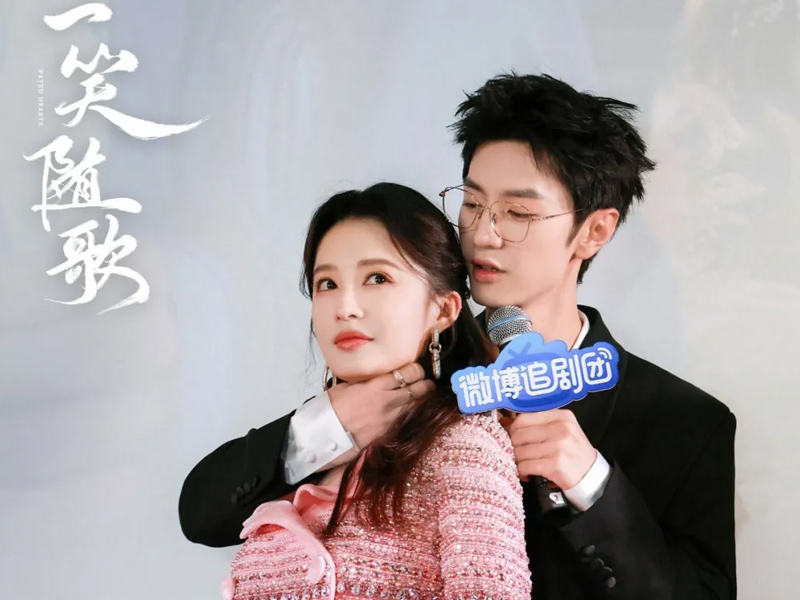
Casting decisions play a crucial role in how stories resonate with audiences. The combination of two performers with contrasting energies—one sharp and defined, the other softer and more diffuse—creates interesting moments but inconsistent compatibility. Their dynamic works better in situations that reverse traditional gender expectations, suggesting that unconventional pairings might have served the material more effectively.
Ultimately, the drama serves as a reminder that successful television requires harmony between all elements. No single aspect can compensate for weaknesses elsewhere when audiences have countless alternatives. The moderate reception stems not from catastrophic failures but from multiple small shortcomings that accumulate over time. This pattern reflects the challenging nature of creating content that stands out in an increasingly competitive landscape.

Passing Grade
Chen Zheyuan stands at a crossroads familiar to many young actors in China's entertainment industry. Initially propelled by substantial resources and high expectations, his career trajectory offers a compelling study of potential versus tangible achievement. The early phase of his work was marked by a series of prominent roles in adaptations and major productions, positioning him as a star in the making. Yet, the transition from promising newcomer to established performer has proven complex, defined not by a single breakthrough but by a collection of choices that have yielded mixed results. His journey reflects the broader challenges facing a generation of actors navigating the pressures of popularity, typecasting, and artistic credibility.
The Foundation of Promise
Chen Zheyuan's entry into the acting world was notably smooth. He quickly secured leading parts in projects that many newcomers would find enviable. He starred in the adaptation of Rao Xueman's (饶雪漫) novel All About Secrets (秘果) and took on the role of Xiao Yuer in the new version of the classic Wuxia series Handsome Siblings (绝代双骄). Further leading roles followed in internet-favored stories like Twelve Legends (十二谭). Even when not the absolute lead, his supporting parts were in high-profile productions, including a remake of a popular Korean drama and large-scale fantasy series such as Legends of the Zu Mountain 2 (蜀山战纪2踏火行歌). This early phase built a foundation of recognition, suggesting a clear path toward stardom.
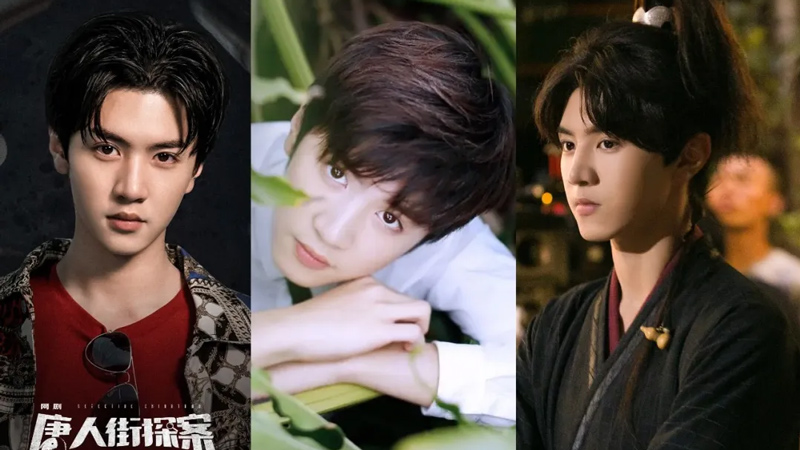
Despite this advantageous start, a definitive, career-defining moment remained elusive. The resources were available, but a deep connection with audiences was not yet fully formed. He was working within a system where his company's strong platform relationships provided consistent opportunities. These roles, however, often seemed to highlight his position as a well-supported actor rather than showcasing a transformative artistic capability. The characters he portrayed existed comfortably within established archetypes for young male leads, rarely demanding a significant stretch beyond his perceived on-screen persona.
The Crossroads of Image
A significant shift occurred with the romance drama (暗格里的秘密), an adaptation of a popular online novel. This project, coupled with the original sweet comedy My Rookie Diary (我的反派男友) directed by Li Qingrong (李青蓉), who had previously helmed the hit show Go Go Squid! (亲爱的,热爱的), finally amplified his visibility. These modern romance narratives effectively packaged his "boyfriend material" appeal, resonating strongly with viewers and solidifying his status as a rising star in the genre. This strategic move into contemporary idol dramas proved to be a calculated and effective step.
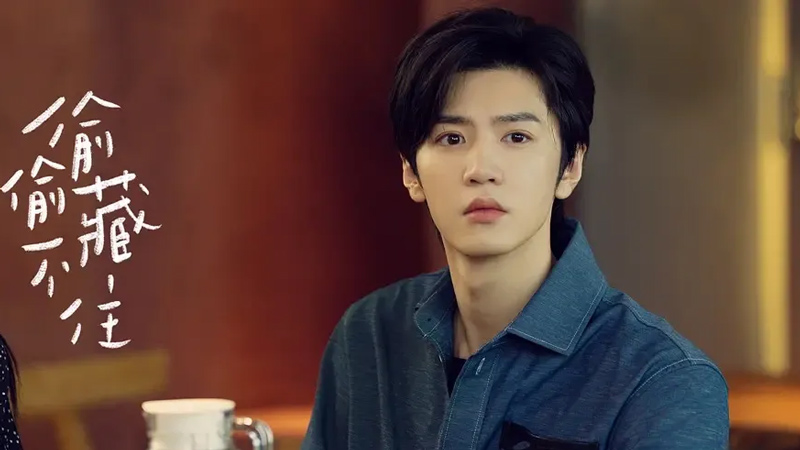
The momentum culminated in his casting alongside Zhao Lusi (赵露思) in the highly anticipated adaptation of the popular novel Hidden Love (偷偷藏不住). This project placed him squarely within the conversation of the most promising young actors, a group informally dubbed by netizens as the initial "Four To-Be-Breakout Stars." His participation generated substantial excitement and attracted a new wave of "speculator fans," who invested their hopes in his future success. His career strategy at this juncture appeared coherent: leverage the power of modern romance dramas to build a solid fanbase and define his public identity.
This phase represented a peak in his commercial appeal. He had successfully harnessed the mechanics of fandom culture, aligning his project choices with his perceived strengths. The focus on "youthful vitality" and relatable character types was a formula that worked, creating a clear and marketable brand. It seemed to be only a matter of time before one of these projects would achieve the critical mass needed to launch him into the industry's top tier.
A Strategy Adrift
Following this peak, his selection of roles became less coherent. Instead of solidifying his standing in a proven genre, he embarked on a path that seemed to prioritize lead billing over project suitability. His involvement in the classic IP remake Sword and Fairy 4 (仙剑四) was reportedly marred by public disputes over top billing with his co-star. He then took the leading role in the adaptation of the popular Jinjiang (晋江) novel The White Olive Tree, a project where the female lead's casting was attributed to his recommendation.

This scattering of focus across different genres, from fantasy to wartime drama to the republican-era spy thriller Dark Night and Dawn (暗夜与黎明), suggested an actor in a hurry to shed his initial image. The urgency to be perceived as a versatile leading man seemed to outpace the development of the necessary acting depth. The public reception was lukewarm; The White Olive Tree failed to generate significant heat or critical approval, while the pre-release buzz for other projects like Legend of the Phoenix (梦花廷) was dominated by further billing controversies.
The core issue was not merely the debates over credits, but the lack of a standout work to justify his position as an indisputable lead. Without a major hit in the historical idol genre or a critically acclaimed performance, his claim to top billing felt unearned to a broader audience. The attempt to rapidly broaden his range came across as premature, creating a gap between his ambitions and his current artistic capabilities. This period saw a gradual erosion of the early goodwill and "to-breakout" potential he had carefully accumulated.
The Receding Horizon
The consequence of this strategic drift is a career that currently appears stalled. The initial promise that placed him on the cusp of major stardom has faded, and netizens have since removed him from their "to-breakout" lists. The failure to secure a stable position in the first tier of romance drama actors, combined with the absence of a widely recognized on-screen partnership, has left him in a precarious middle ground. He is no longer a fresh face, nor has he become a seasoned performer with a respected body of work.
His story serves as a cautionary tale about the perils of the contemporary star-making system. An overemphasis on contractual status and a premature push for versatility can undermine an actor's foundational strengths. For Chen Zheyuan, the path forward may require a recalibration—a return to projects that genuinely align with his core appeal or a dedicated period of artistic growth in supporting but challenging roles. The relentless pursuit of the top spot on a call sheet is a hollow victory if the performance within the project fails to resonate.
Ultimately, his trajectory highlights a difficult truth in a competitive industry: early resources and fan excitement are a form of capital. If this capital is spent on positions rather than on building a substantive portfolio, it can deplete long before one's ultimate potential is ever realized. The horizon of stardom, once seemingly within his grasp, has now receded, awaiting a genuine, undeniable performance to bring it back into view.

The Myth of the Almost Star
In the bustling entertainment industry, a peculiar pattern emerges among young actors labeled as the next big thing. They carry the weight of expectation, a tag that promises imminent stardom, yet for many, that promise remains unfulfilled. This phenomenon, often seen in China's competitive screen landscape, sees talented individuals trapped in a cycle of potential that never fully materializes. The journey from rising actor to established name is fraught with pitfalls, and the very label meant to boost their careers can become a heavy burden. This article examines the underlying issues that keep these performers from reaching the heights everyone predicts for them.
Misplaced Confidence
One of the most significant hurdles is a distorted sense of self. When an actor like Chen Zheyuan is repeatedly called the next top star, it can create a gap between perception and reality. He might believe he is ready for complex roles before truly mastering his craft in simpler genres. This cognitive shift often leads to premature moves into demanding areas without a solid foundation. The industry's praise becomes a echo chamber, amplifying confidence beyond what current skills support.
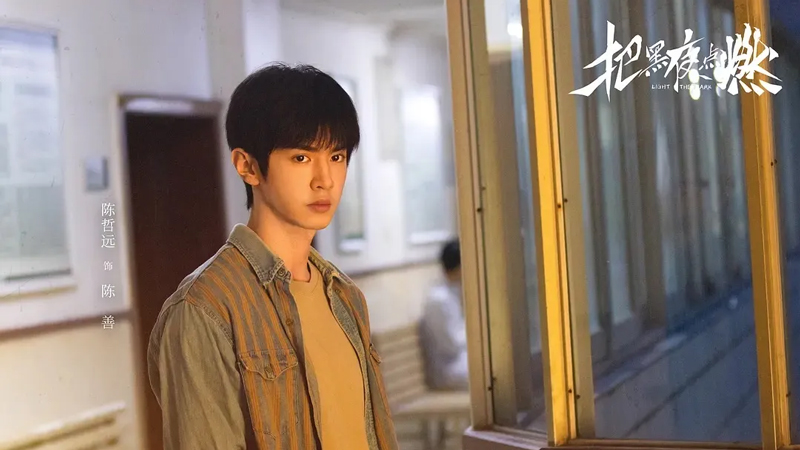
For instance, Chen Zheyuan ventured from historical romance series like Legend of the Phoenix into a suspense project titled Light the Dark (把黑夜点燃). This jump seemed ambitious, but his earlier attempt in a spy drama, Dark Night and Dawn (暗夜与黎明), showed mixed results. While the show had decent viewership, much of that success was attributed to the time slot and genre appeal rather than his individual performance. Such outcomes can reinforce a false narrative of readiness, pushing actors into waters they are not prepared to navigate.
This misalignment often stems from external validation overshadowing internal growth. Actors might focus on the hype rather than honing their abilities, leading to roles that expose their limitations. Without a clear gauge of their actual strengths, they risk repeated setbacks. The initial label of "about to blow up" sets a timer that ticks faster than their development, creating a race against an imagined clock.
Empty Competition
Another critical issue is the lack of a unique standing in a crowded field. In the sphere of male actors born around 1995, figures like Chen Zheyuan face intense rivalry. Compared to peers such as Wang Hedi (王鹤棣) or Deng Wei (邓为), he does not dominate in fan base or visibility. Others like Liu Haoran (刘昊然) and Wu Lei (吴磊) hold stronger public recognition and resource networks. Newcomers including Li Yunrui (李昀锐) and Ding Yuxi (丁禹兮) are gaining ground with fresh appeal and partnership chemistry.
His visual appeal is noted but not exceptional, and his acting meets basic standards without standing out. This places him in a precarious middle ground—not bad enough to dismiss, but not memorable enough to champion. The absence of a defining work means his career lacks an anchor, leaving him adrift in a sea of similar faces. In an industry where distinctiveness drives longevity, this homogeneity can be a silent career killer.
The cost of experimentation in such an environment is high. A few failed projects might be recoverable, but a string of underperformances can deplete an actor's momentum. For those in this bracket, each role choice carries amplified risk, as audiences and producers quickly shift attention to the next promising talent. Without a clear competitive edge, the path to sustained relevance becomes increasingly narrow.
Blurred Focus
A third problem lies in the scattering of energy across too many directions. Instead of consolidating gains in a familiar genre, some actors prematurely diversify. Chen Zheyuan's portfolio shows a mix of romantic fantasies and gritty thrillers, which might seem like strategic breadth but can dilute his brand. This lack of focus often results from pressure to shed the "teen idol" image before establishing a reliable fan base.

His involvement in Light the Dark, a short series with seasoned co-stars, highlights this trend. While collaboration with experienced actors like Jiang Xin (蒋欣) under director Liu Xin (刘新) offers learning opportunities, it does not guarantee personal breakthrough. If the project does not resonate, it reinforces the pattern of unfulfilled potential, further entrenching the "almost" narrative.
Strategic patience is often overlooked in the rush to evolve. Building a career requires calculated steps, not leaps into unknown territories without adequate preparation. For actors caught in this cycle, recalibrating choices to align with genuine strengths rather than market trends could provide a way out. The key is to recognize that sustainable growth often comes from deepening expertise in one area before branching out.

Final Words
The state of Dai Bao (待爆), or awaiting a breakthrough, often brings frustration. However, it is not permanent. Individuals such as Chen Zheyuan can shift their approach by releasing this tension. They might refine their techniques, pick assignments that resonate with their identity, and redirect their energy. Immersing in fitting contexts and allowing skills to mature can help them uncover hidden potentials.
He walked away from the noise of expectation, feeling lighter. Instead of racing for recognition, he focused on genuine expression. Every project became a mirror of his values, each effort a quiet commitment. In this deliberate pace, he built a foundation that felt true. The rush for external validation faded, replaced by an internal compass guiding his growth and revealing a resilient, self-defined path forward.