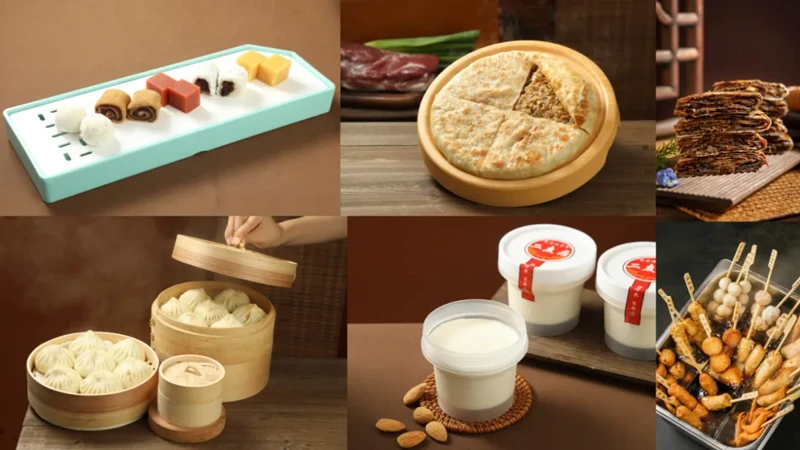
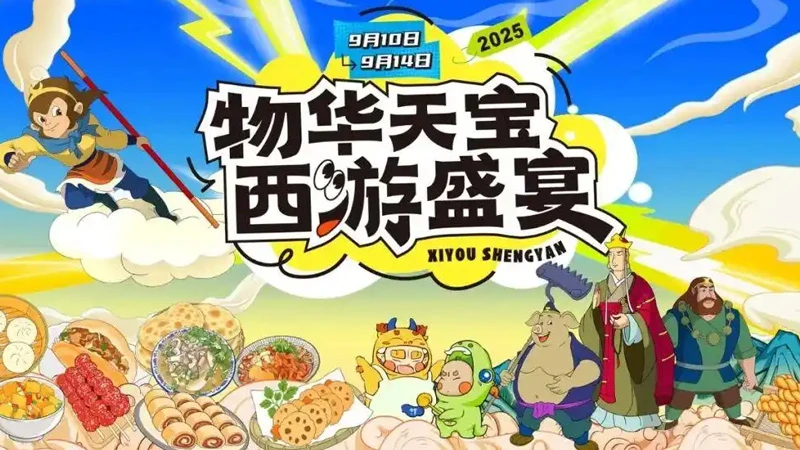
This September, a unique event is transforming a corner of Beijing’s Shougang Park (北京首钢园) into a vibrant crossroads of food, folklore, and fun. The “Wuhuatianbao·Xiyou Shengyan” (物华天宝·西游盛宴) food market is more than just a place to eat; it’s a creative playground where China’s classic culinary names shake hands with one of its most beloved stories, creating an unforgettable fusion of taste and tale. This innovative concept aims to bridge generations, inviting both those who grew up with the legend and newcomers to experience it in a wholly original way.
Running from September 10–14 as part of the 2025 China International Fair for Trade in Services (CIFTIS), this market is the brainchild of Beijing Huatian Food Group (北京华天饮食集团). It brings together a roster of the city’s most famous time-honored restaurants for a collaborative experiment, all themed around the iconic 1999 CCTV animated series Journey to the West. The choice of Shougang Park, a symbol of industrial transformation, as the venue is particularly apt, echoing the event’s own theme of reinventing tradition for a modern audience. The industrial backdrop provides a striking contrast to the mythical world being created, enhancing the sense of entering a special, separate realm.
Old Brands, New Roles
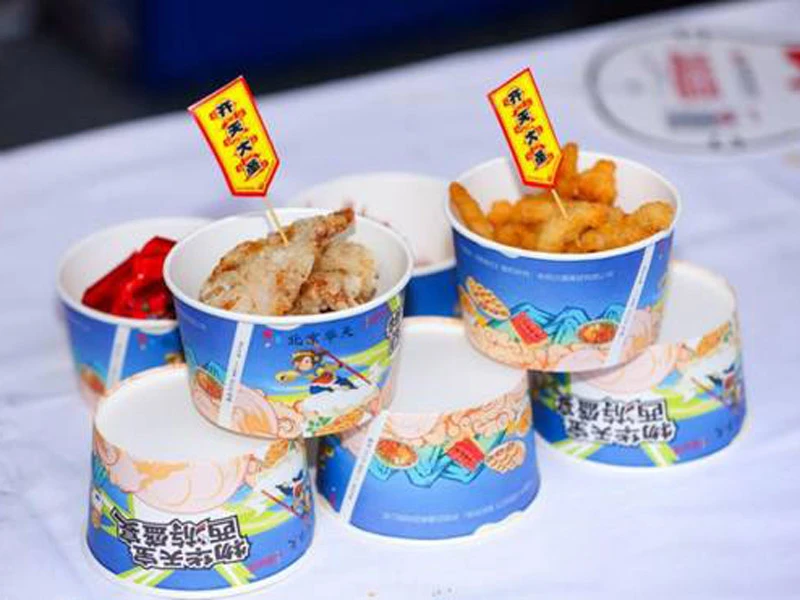
Forget static stalls. Here, each participating restaurant has adopted a “celestial” persona. Qingfeng Steamed Bun Shop (庆丰包子铺), Huguosi Snacks (护国寺小吃), Tongheju (同和居), and others are not merely selling food; they are acting as “immortal shopkeepers” showcasing their unique “magic treasures.” This theatrical approach transforms the simple act of purchasing a snack into a small-scale performance, where the vendor plays a part in a larger narrative. The entire market is designed to feel like a bustling street in a heavenly realm, with each stall representing a different divine department or mythical location.
The innovation lies in specially created dishes available only at this market. These items are playful reinterpretations of classic recipes, directly inspired by characters and moments from Journey to the West. It is a deliberate move to show that these century-old brands can be both guardians of tradition and pioneers of contemporary fun. This strategy is crucial for attracting a younger demographic while reassuring longtime customers that the core values and quality of these establishments remain unchanged. It is a delicate balance between honoring the past and embracing the future, achieved through creative culinary storytelling.
A Mythical Menu
The creativity on offer is immediately apparent. Qingfeng Steamed Bun Shop presents buns shaped like the immortal peaches from the Huaguo Mountain (花果山), home of the Monkey King, offering a taste of the fabled fruit that granted longevity. Another bun is named after the “Samadhi Fire” (三昧真火), a powerful flame from the story, likely incorporating spicy elements to represent its intense heat. The names are not merely labels but integral parts of the experience, prompting customers to recall specific episodes and characters from the epic saga.
Huguosi Snacks, rebranded as the “Heavenly Imperial Kitchen,” gives a makeover to its classic pea flour cake (豌豆黄) and cream fritters (奶油炸糕), adorning them with intricate edible designs featuring characters from the animated series. Other inventive dishes include “Crispy Wind-Fire Wheels”, which might be a savory pastry resembling the wheels Nezha rides on, “Purple Gold Gourd Rice”, a rice dish served in a gourd-shaped container reminiscent of the magic gourd used to capture demons, and “East Sea Treasure Stew”, a luxurious seafood broth evoking the riches of the Dragon King’s underwater palace. Each name evocatively ties a specific element of the epic tale to a sensory culinary experience, making the story tangible and delicious.
An Interactive Adventure
The experience is designed to be fully immersive, engaging visitors beyond their taste buds. Upon entry, visitors can obtain a “Tongguan Wendie” (通关文牒), a passport-inspired collectible map that mirrors the travel document carried by the Tang Monk on his journey. The goal is to collect stamps from different vendor “checkpoints” by making purchases or participating in activities, effectively turning visitors into pilgrims on their own gastronomic quest. This gamification element encourages exploration and ensures that guests interact with all aspects of the market.
Completing the stamp collection allows visitors to redeem gifts like discount coupons for the participating restaurants, specially themed rice bowls, plush toys of the main characters, or even passes for future events at a designated “Tiangong Zaobanchu” (天宫造办处,Heavenly Workshop) area. This reward system provides a satisfying sense of accomplishment and creates lasting value for the participant, extending the memory of the event long after it concludes.
Characters Come to Life
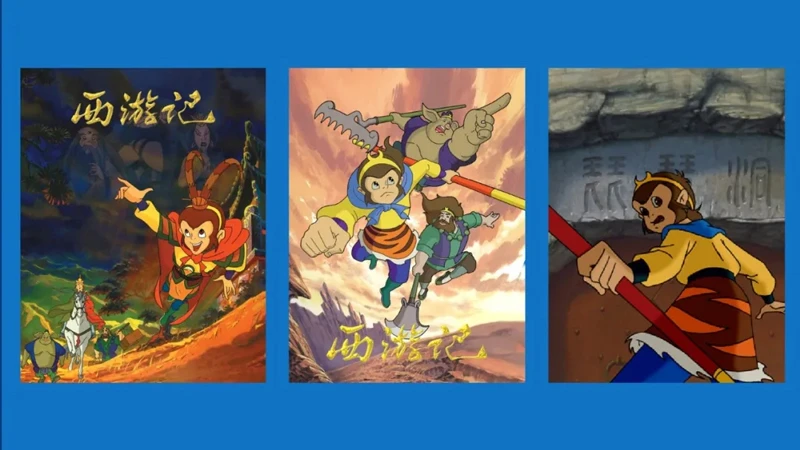
The market feels alive because it is populated. Cosplayers portraying the core pilgrimage team—the monk Xuanzang (玄奘), the irrepressible Sun Wukong (孙悟空), Zhu Bajie (猪八戒), and Sha Wujing (沙悟净)—roam the grounds. They interact with guests, perform short improvised skits reenacting famous scenes, and pose for photos, turning the entire space into a dynamic stage. The presence of these characters blurs the line between audience and performer, making every visitor a potential part of the story.
Technology adds another layer of engagement. One attraction demonstrates modern food preparation through a robotic arm, humorously framed as “alchemy,” connecting futuristic innovation to ancient mystical practices. For a different kind of immersion, VR stations offer brief virtual trips into landscapes inspired by the story, such as walking across a narrow bridge over a fiery mountain or floating through the celestial clouds of heaven. These high-tech installations provide a multi-sensory depth to the adventure.
More Than a Meal
The “Heavenly Workshop” also functions as a pop-up shop for limited-edition merchandise. This includes stylish streetwear featuring minimalist Journey to the West graphics, replica monk’s bowls perfect for home use, and collectible pins depicting the main characters, catering to fans who want a tangible memory of the experience. This merchandise transforms the event from a temporary consumption experience into a source of lasting cultural capital for attendees.
This event successfully demonstrates a new model for cultural-commerce integration. By leveraging a universally recognized IP like Journey to the West, Beijing Huatian has created a compelling reason for people to engage with its brands in a fresh, memorable context. It proves that heritage is not a weight holding brands back, but a foundation from which they can leap into new, imaginative ventures. The “Wuhuatianbao·Xiyou Shengyan” market is more than a successful promotion; it is a case study in how to breathe new life into tradition, ensuring that classic stories and classic flavors continue to resonate for generations to come.