
In the recent Chinese period drama Hilarious Family 2 (芬芳喜事), veteran actress He Saifei (何赛飞) sported a headpiece that left many viewers scratching their heads. This accessory, known as Fu Jin (幅巾), is a rectangular cloth worn over the forehead with the rest draping down the back. While it might seem unfamiliar to modern audiences, this item has deep roots in Chinese history, particularly during the Ming Dynasty. Its appearance in the drama, alongside performances by stars like Lamu Yangzi (辣目洋子), has sparked conversations about its origins and why it is so rarely seen in domestic productions. Fu Jin started as a male accessory but evolved into a unisex fashion statement, reflecting broader cultural shifts. Understanding this piece requires delving into its past, its practical uses, and the reasons behind its scarcity in today's cinematic portrayals.
Fu Jin's History
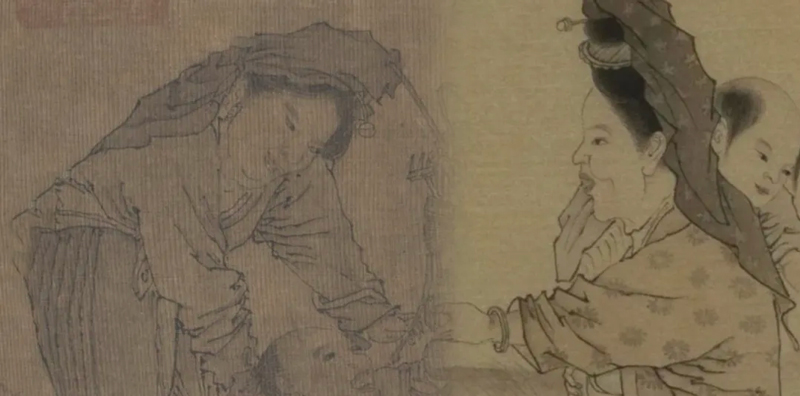
The earliest records of Fu Jin date back to the Eastern Han Dynasty, where it was mentioned in historical texts like the Under the Moonlight (锦囊妙录). Scholars and nobles adopted it as a symbol of simplicity and elegance, often choosing it over formal headwear for casual settings. By the Song and Ming eras, it had become a staple among the literati, associated with Confucian rituals and scholarly life. Made from a square piece of silk measuring about three feet on each side, it was wrapped around the head from the forehead to the nape, with ties fastened at the back and left to hang forward. This design not only served practical purposes but also conveyed a sense of refinement and intellectual identity.
During the late Ming period, Fu Jin transcended gender boundaries as women began adopting male attire, a trend sometimes criticized as Fu Yao (服妖), or "bewitching clothing." Historical figures like Liu Rushi (柳如是), a famed courtesan and poet, were known to wear Fu Jin to project an image of scholarly grace. This blurring of gender lines in fashion highlighted the dynamic social changes of the time. Art from the era, including Taoist water-land paintings and portraits of gentlewomen, frequently depicted Fu Jin, showing its integration into daily life and high culture. Its versatility made it a symbol of both tradition and rebellion, appealing to those who valued both aesthetic and philosophical expression.

The design of Fu Jin remained relatively consistent over centuries, emphasizing its timeless appeal. Unlike other headwear that faded with dynastic changes, it maintained its form, a testament to its functional and cultural durability. In contrast, items like the Gai Tou (盖头), a larger cloth used by Song Dynasty women for modesty, shared visual similarities but served different purposes. While Gai Tou was often draped loosely for outdoor activities, Fu Jin was more structured, tied securely to stay in place. This distinction underscores how Fu Jin was tailored for active engagement, whether in scholarly pursuits or social gatherings, making it a unique artifact of Chinese sartorial history.
Screen Presence
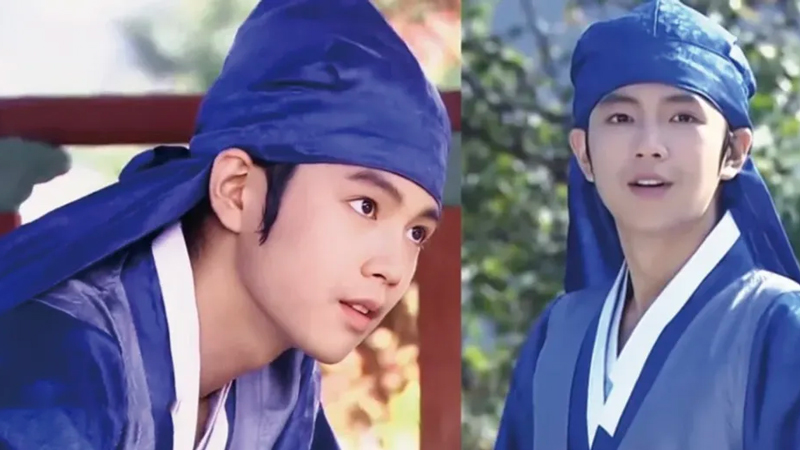
Fu Jin's rarity in Chinese historical dramas is puzzling, given its prevalence in actual Ming-era society. While it appears sporadically in shows like Hilarious Family 2, these instances are brief and often go unnoticed. In contrast, Korean dramas have frequently featured similar headpieces, leading to misconceptions that Fu Jin is of Korean origin. This misattribution stems from the global popularity of Korean media, which has shaped perceptions of East Asian historical fashion. The reluctance to include Fu Jin in domestic productions might stem from fears of cultural overlap or a lack of awareness among costume designers, resulting in a missed opportunity to showcase authentic Chinese heritage.
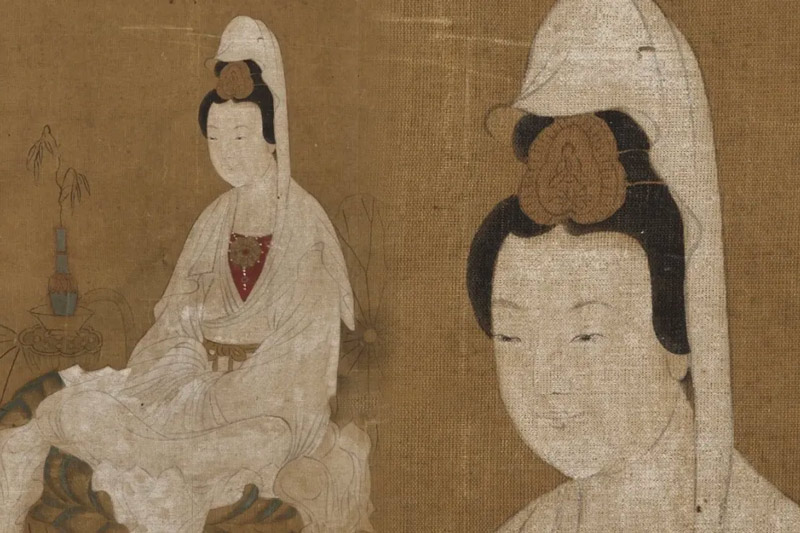
The depiction of Fu Jin in visual media extends beyond dramas to religious and artistic representations. For example, the image of Guanyin (观音), the Buddhist bodhisattva of compassion, often shows her wearing a head covering reminiscent of Fu Jin or Gai Tou, drawn from Song and Ming stylistic influences. These portrayals reinforce how everyday fashion of the time permeated spiritual iconography, blurring the lines between the mundane and the divine. In modern adaptations, however, such nuances are often overlooked in favor of more dramatic or familiar aesthetics. This oversight not only distorts historical accuracy but also diminishes the rich tapestry of Chinese cultural narratives that could resonate with contemporary audiences.
Efforts to revive Fu Jin in cinema face challenges, including the need for greater research and collaboration with historians. By incorporating it more thoughtfully, filmmakers could educate viewers about its significance while enhancing visual storytelling. For instance, highlighting its role in gender expression or scholarly life could add depth to character development. As global interest in historical accuracy grows, embracing items like Fu Jin could distinguish Chinese dramas, offering a fresh perspective compared to repetitive tropes. Ultimately, its resurgence on screen would not only celebrate Chinese innovation but also reclaim a piece of cultural identity that has been overshadowed by regional influences.