Have you ever switched between different historical Chinese dramas and felt a sense of déjà vu when it comes to the male characters' hairstyles? It seems as if the same look is recycled from one show to another, leaving viewers wondering if creativity has run dry. While female characters often showcase a variety of elaborate hairdos, their male counterparts appear stuck in a rut. But is this really the case, or are we missing the bigger picture?
This article delves into the elements that define male hairstyles in period productions, examining why certain styles dominate and how accessories and demeanor play crucial roles in shaping these iconic looks. By exploring historical influences and modern adaptations, we can uncover the reasons behind this perceived lack of diversity and what it takes to bring authenticity to the screen.
Core Styles
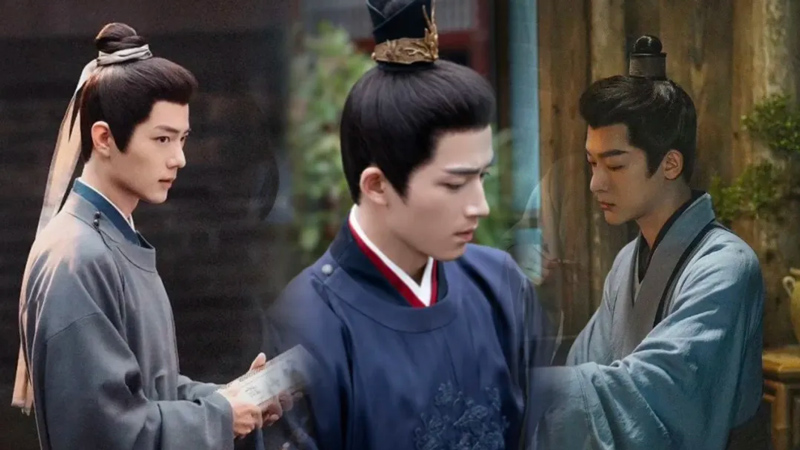
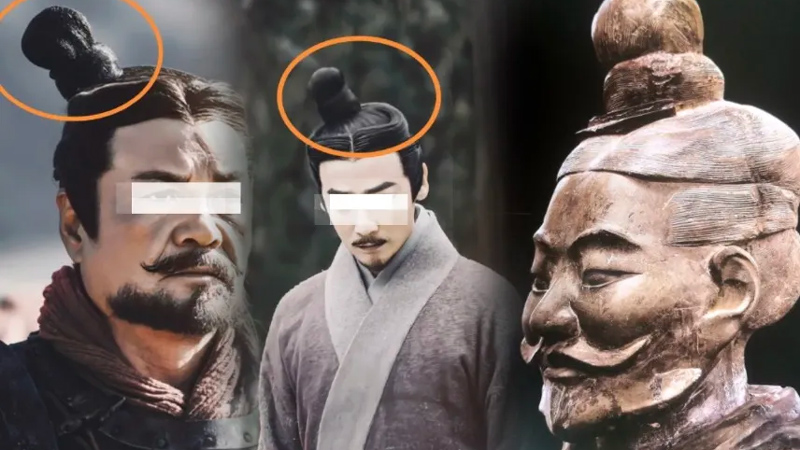
At the heart of male hairstyles in historical dramas lies the Shufa (束发), a tied-up style that has become the go-to choice for many productions. This look, where hair is pulled back and secured, often features variations in height and tightness—some versions puff up dramatically, while others lie flat against the scalp. Its prevalence stems from cultural roots in the Qin and Han dynasties, particularly inspired by artifacts like the Terracotta Army. These ancient figures display hairstyles with middle parts, buns, and crowns, showcasing subtle creativity in placement and braiding techniques. Despite its simplicity, Shufa serves as a versatile foundation, allowing for minor tweaks that keep it relevant across different eras and storylines.
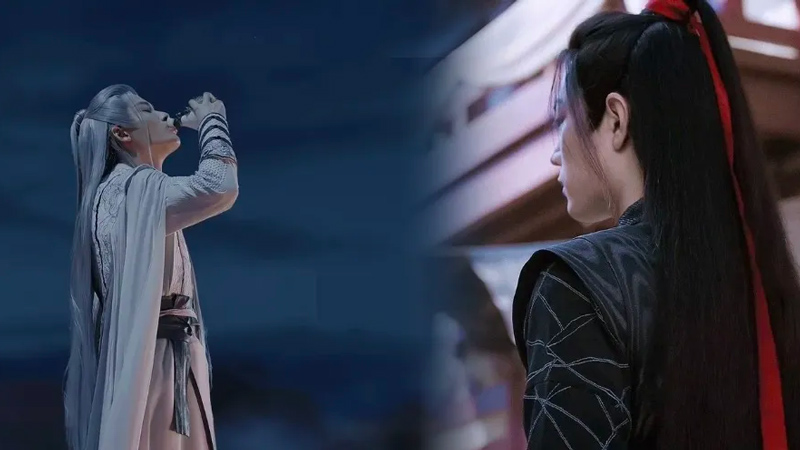
Another common element is the Longxu tou (龙须头), or dragon beard bangs, which add a touch of rugged elegance by framing the face and softening sharp features. This style, often paired with loose strands, evokes a sense of martial prowess and is a modern twist on traditional looks. When combined with Banpi fa (半披发), which refers to half-loose hair and is a style historically reserved for minors, it creates a dynamic visual effect that enhances a character's youth or rebellion. Such combinations are popular because they balance structure and freedom, making them ideal for roles that require both discipline and spontaneity. However, these variations still rely heavily on the foundational Shufa, highlighting its unchallenged dominance in the genre.
Why does Shufa remain so entrenched? Its endurance is tied to historical accuracy and practicality. In ancient China, adult men were expected to wear their hair tied up as a sign of maturity, and this convention translates easily to film and television. The Terracotta Army's influence cannot be overstated; its detailed sculptures provide a blueprint that filmmakers adapt to avoid anachronisms. Yet, this reliance also limits innovation, as producers prioritize familiarity over experimentation. As a result, while Shufa offers a reliable template, it often leads to a homogenized appearance that fails to reflect the full spectrum of male grooming practices from history.
Beyond Hair
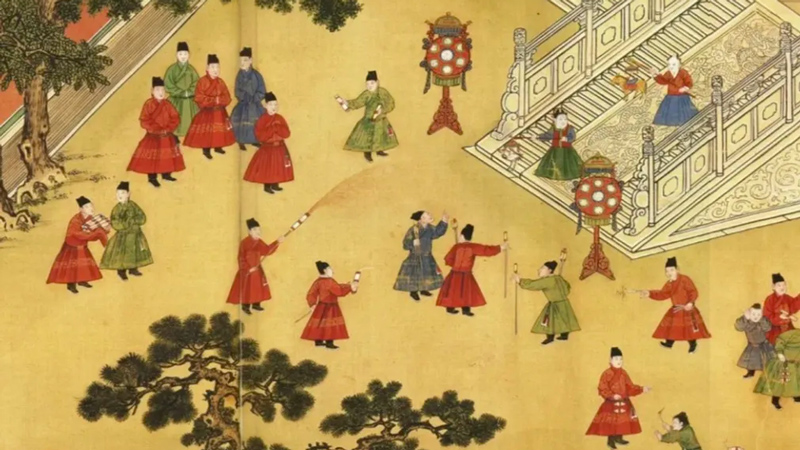
Moving beyond hairstyles, headwear plays a pivotal role in distinguishing male characters. Hats and crowns are not mere accessories but symbols of status, era, and occasion. For instance, during the Han dynasty, scholars favored long scarves and head wraps, while Tang era styles included soft caps, and Song period trends leaned toward scholarly kerchiefs. In the Ming dynasty, square hats and gauze caps were all the rage, as depicted in artworks like the Ming Xianzong Yuanxiao Xingle Tu (明宪宗元宵行乐图), which contrasts formal court attire with the vibrant, diverse headgear of commoners. This painting illustrates how headwear could transform a character's identity, from a stern official to a playful street performer, emphasizing that the real variety in male styling often lies above the hairline.
Equally important is the actor's demeanor, which brings these visual elements to life. A convincing historical male character embodies upright posture, graceful movements, and an air of cultivated talent—whether in scholarly pursuits or martial skills. Unfortunately, many modern actors struggle with this aspect; wobbling on wires, stumbling during landings, or failing to maintain a poised stance can undermine even the most meticulous hairstyle. This disconnect between appearance and performance highlights a broader issue: without the right attitude, the look falls flat. It is not just about how the hair is styled, but how the carrier carries himself, blending physicality with character depth to create a believable figure.
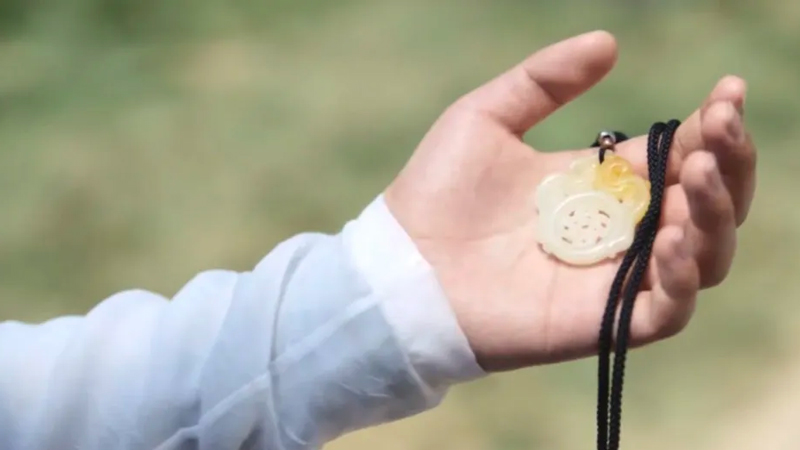
Accessories like jade pendants, swords, and other ornaments further enrich male character designs, contributing to an aura of refinement and power. Unlike female characters, who might draw from an array of jewelry, men's styling revolves around functional yet elegant items that hint at their social standing and personal history. Think of it as opening a chest of hats and tools rather than a jewelry box—each piece adds a layer of storytelling. By focusing on these details, productions can break free from hairstyle monotony and craft more nuanced portrayals. Ultimately, the key to revitalizing male looks in historical dramas lies in balancing hair with holistic elements that honor tradition while inviting creativity.