
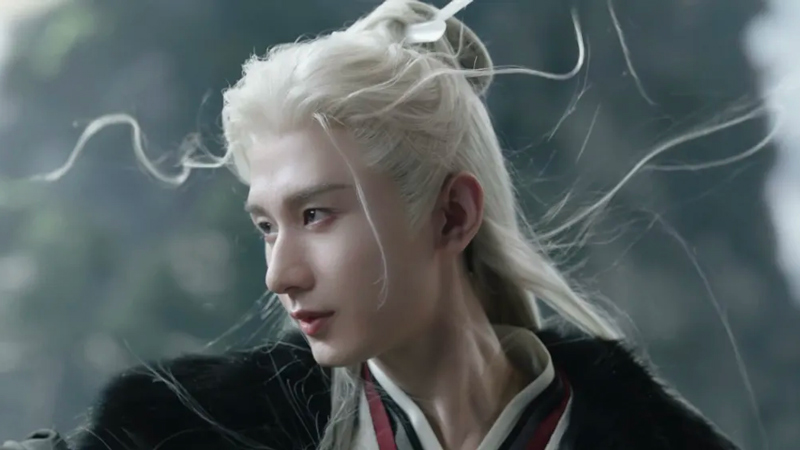
In the vast landscape of Wuxia tales, few characters strike a balance between unyielding strength and profound tenderness as vividly as Li Shenzhou from the drama The Journey of Legend. His story unfolds in a realm where martial prowess often overshadows humanity, yet he emerges as a figure who defies simple labels.
From the moment he steps onto the scene at the Emei Golden Summit (峨眉金顶), Li Shenzhou (李沉舟) commands attention not just as a leader of the Power Sect, but as a man grappling with the weight of duty and personal desires. This narrative delves into the layers of his existence, exploring how one individual can embody both the iron will needed to protect a nation and the softness reserved for those he holds dear. As viewers follow his journey, they are drawn into a world where every action carries meaning, and where the boundaries between right and wrong blur in the face of greater ideals.
The Leader's Might
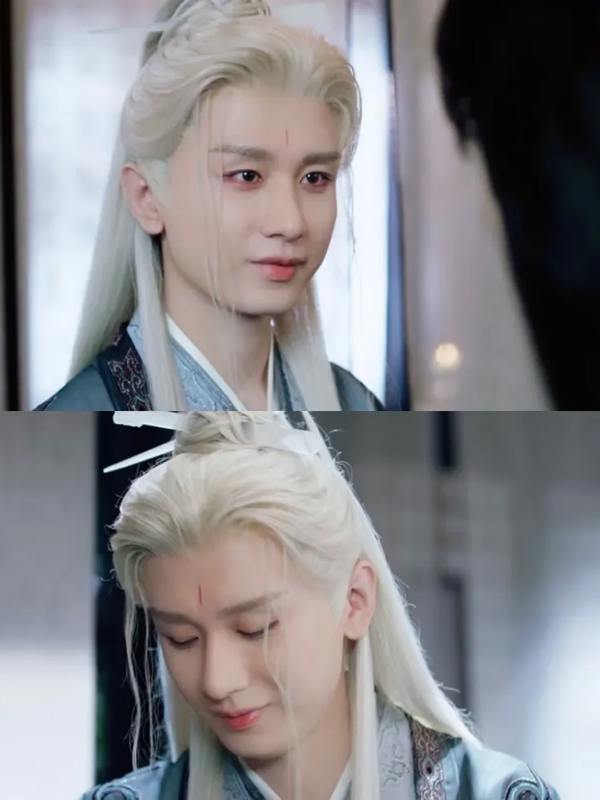
When Li Shenzhou first appears, his presence alone silences the chaotic crowd of martial artists at the Emei Golden Summit. As the head of the Power Sect, he wields authority that few dare to challenge, using techniques like the Thousand Calamities Finger to immobilize opponents with ease. This display of power isn't merely for show; it sets the stage for his grand plan to unite the martial world against external threats. He quickly shifts focus to leading a mission to Nantian Dang (南天荡) in search of treasures that could aid the front lines against the invading forces from the North Wasteland.
In doing so, he orchestrates the downfall of three major sects that had betrayed their people, showcasing a strategic mind that prioritizes the greater good over personal gain. His actions here reveal a leader who isn't afraid to make hard decisions, yet always with a purpose that extends beyond mere dominance.
What makes Li Shenzhou's leadership so compelling is how he navigates the complexities of loyalty and deception. In one bold move, he stages his own death to root out spies within the Power Sect while misleading enemies with a fake military token. This gamble with his life underscores a commitment to his cause that borders on the reckless, yet it's driven by a clear moral compass. He operates in the shadows of the martial world, where trust is scarce and every alliance is fragile. Through it all, he maintains a demeanor that mixes weariness with resolve, as if carrying the burdens of an entire realm on his shoulders. This section of his story highlights the raw force he embodies, but it also hints at the vulnerabilities that lie beneath the surface.
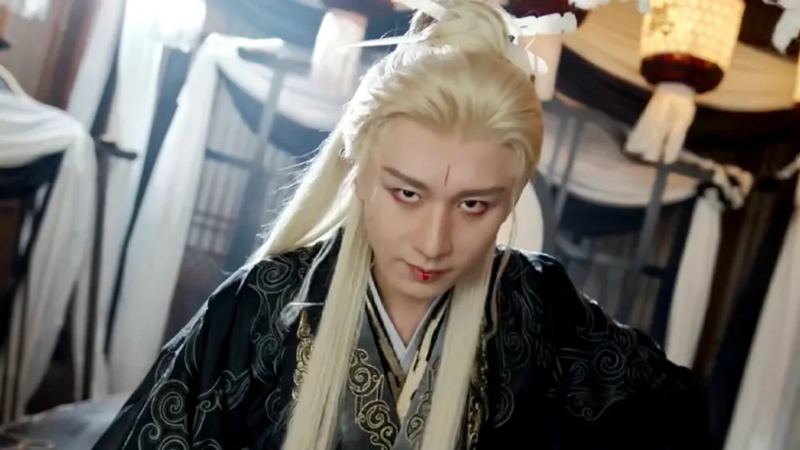
Despite his formidable reputation, Li Shenzhou's might isn't rooted in blind aggression. He chooses to hone his fists into unbreakable weapons, a metaphor for his approach to life—direct, unwavering, and built on inner strength rather than external tools. This philosophy sets him apart in a society obsessed with swords and secret manuals, emphasizing that true power comes from within. His leadership style blends intimidation with inspiration, pushing others to see beyond their immediate conflicts and unite for a common cause. In the end, his actions at the Emei Golden Summit and beyond cement his legacy as a pillar of the martial community, one whose influence ripples through every decision and battle.
The Personal Sacrifice
Beneath the cloak of authority, Li Shenzhou harbors a deep capacity for love and compassion, most evident in his relationship with his wife. He reserves his gentlest moments for her, offering a side of himself that contrasts sharply with his public persona. This tenderness extends to others, such as when he rescues a destitute youth from the streets and raises him with unwavering trust, treating him as his own. These acts reveal a man who, despite his towering status, finds solace in simple human connections. His joy is palpable in scenes with Xiao Qiushui, where his typically reserved demeanor breaks into genuine smiles, suggesting a longing for camaraderie in a lonely world.
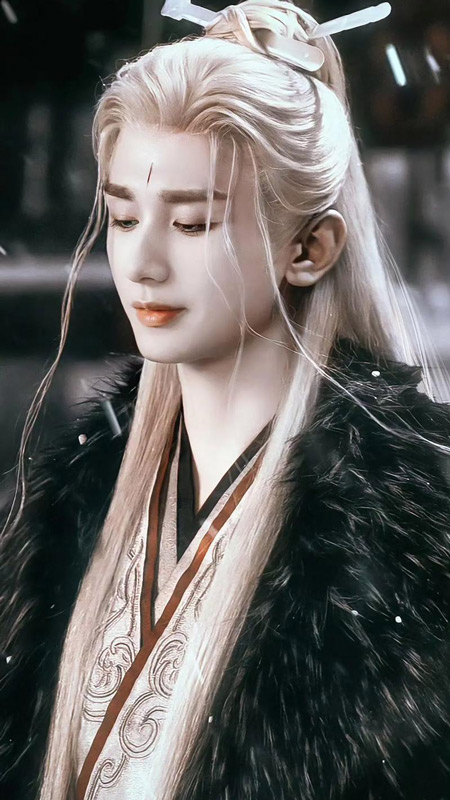
Li Shenzhou's personal sacrifices reach their peak when he enters the imperial palace, a place of red walls and towering eaves that symbolize the constraints of tradition and family. There, he drinks poisoned wine offered by his own brother, a fatal act meant as a final plea for national stability and peace. This moment encapsulates the tragedy of his life—a man torn between his roots in the court and his duties in the martial world. His death, alongside his wife while attempting to save General Wu, isn't portrayed as a grand spectacle but as a quiet, dignified exit. It underscores the theme that true heroism often lies in silent sacrifices rather than loud victories.
The emotional weight of Li Shenzhou's story is amplified by his internal conflicts. He moves through life with a sense of fatigue, as if weary of the endless battles, yet he never wavers in his commitments. His ability to balance harsh realities with soft moments defines his humanity, making him relatable to audiences who see their own struggles reflected in his journey. In the end, his legacy isn't about the power he wielded, but the love he gave and the principles he upheld. This aspect of his character serves as a reminder that even the strongest individuals are shaped by their vulnerabilities.
Through Li Shenzhou, The Journey of Legend challenges conventional notions of strength, suggesting that it's the interplay of iron and softness that forges a lasting impact. His narrative invites viewers to reflect on their own values, asking what they would sacrifice for the people and ideals they hold dear. In a genre often dominated by physical clashes, his story stands out for its emotional depth, proving that the most memorable heroes are those who embrace their whole selves, flaws and all.