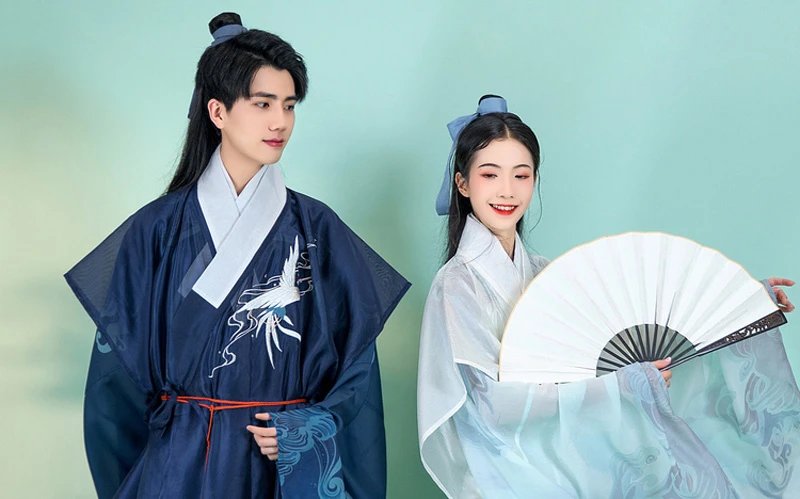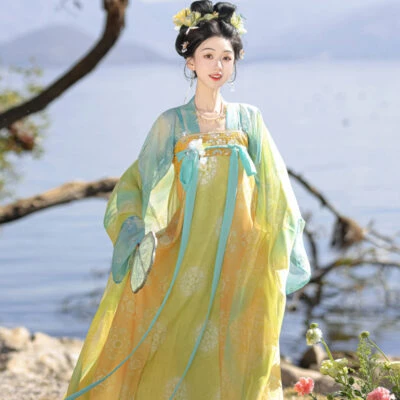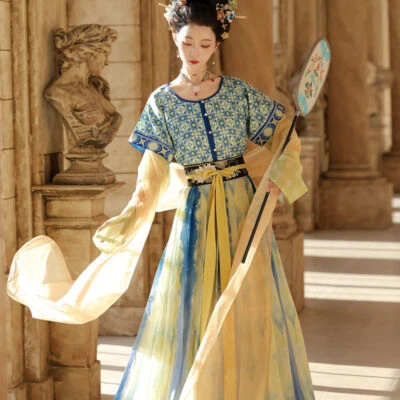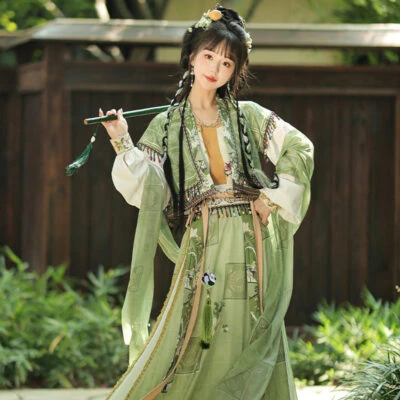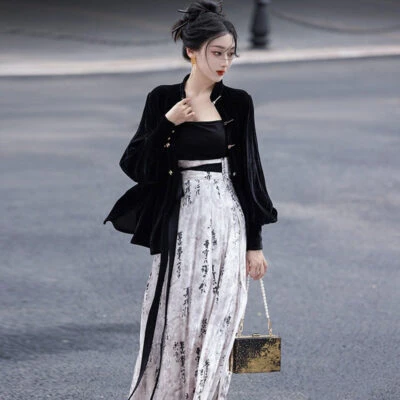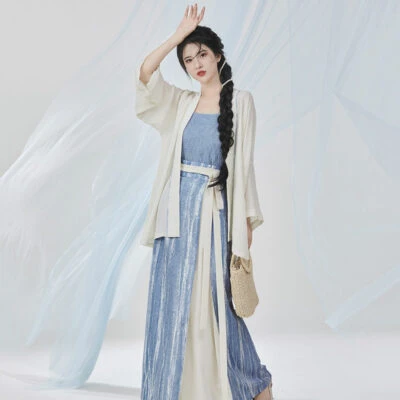
Clothing in ancient China evolved from simple animal hides to intricate silk robes, reflecting social changes and technological advances. Early artifacts like bone needles and woven fragments reveal a long journey of innovation. This narrative spans millennia, showing how attire expressed identity, status, and cultural values across dynasties.
Early Beginnings
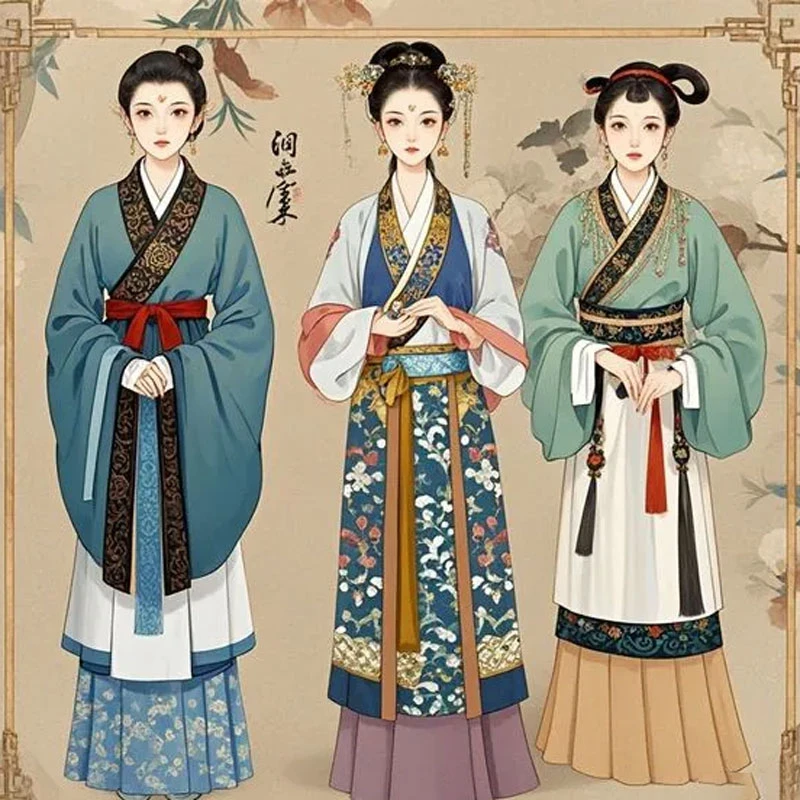
In the Paleolithic era, people used bone needles to stitch animal skins for basic garments. Ornaments made from stone and shells suggest early aesthetic expression. These finds at sites like Zhoukoudian (周口店) highlight humanity’s innate drive to create and adorn.
The Yangshao Culture (仰韶文化) left evidence of plain-woven fabrics and silk remnants. Advanced spinning and dyeing techniques emerged, producing complex textiles earlier than previously thought. This period laid groundwork for future silk mastery.
During the Liangzhu Culture (良渚文化), tools like ceramic and jade spinning wheels improved weaving efficiency. Waist looms allowed finer cloth production, marking progress from primal coverings to structured apparel.
Shang Dynasty (商朝)
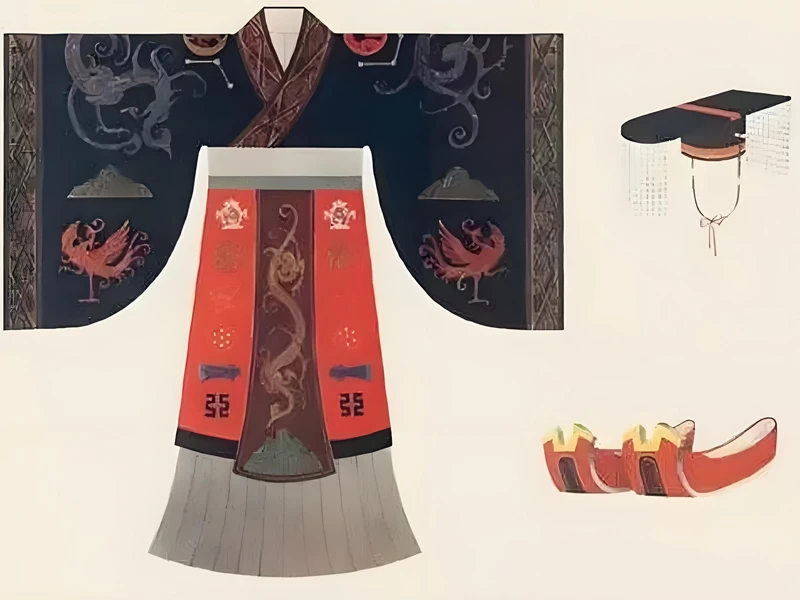
Attire in the Shang dynasty displayed clear social hierarchies. Elites wore rolled-headgear and narrow-sleeved robes with decorative aprons. Their outfits combined practicality with symbols of authority.
Middle-ranking nobles sported high caps and sashes, while lower-status individuals used simpler designs with patterned accents. Each class had distinct styles, reinforcing order through visual cues.
Commoners often wore braided hair and tight-sleeved tunics. Despite limitations, they incorporated ornaments, showing universal desire for self-expression through dress.
Zhou Dynasty (周朝)
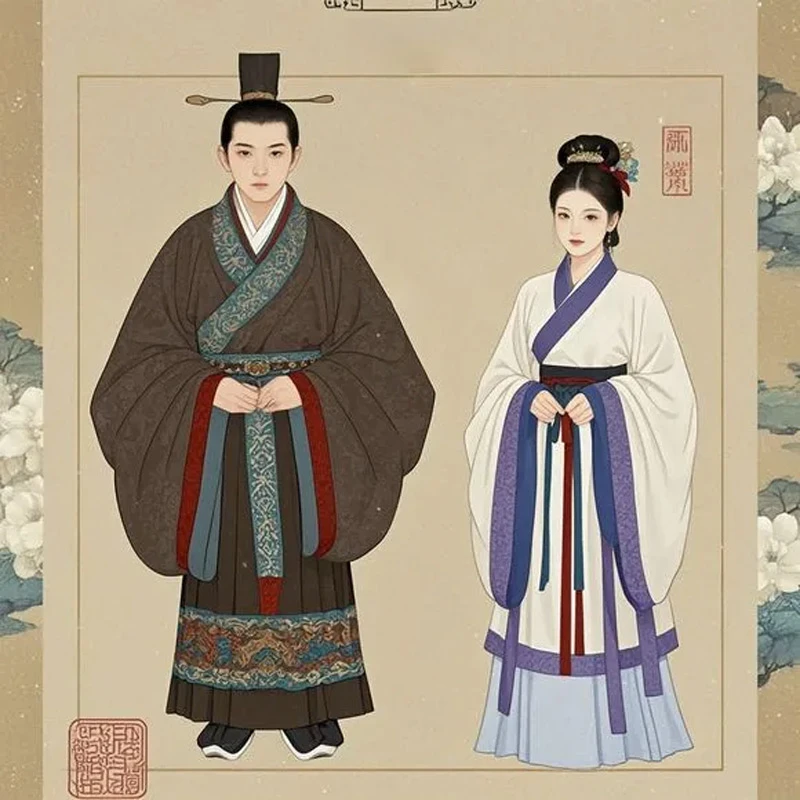
The Zhou dynasty established formal ritual wear like the Mianfu (冕服), reserved for ceremonies. Its components varied by occasion and rank, embodying cosmic harmony.
Other official garments included Bianfu (弁服), categorized by material and use. For instance, leather caps served military functions, while darker versions suited diplomatic events.
Everyday wear featured Xuanduan (玄端) robes and Shenyi (深衣) garments. The latter joined top and bottom into one piece, influencing later clothing like modern dresses.
History of Xia Dynasty Clothing and Makeup – Ancient Period Chinese Costume
Spring and Autumn Period
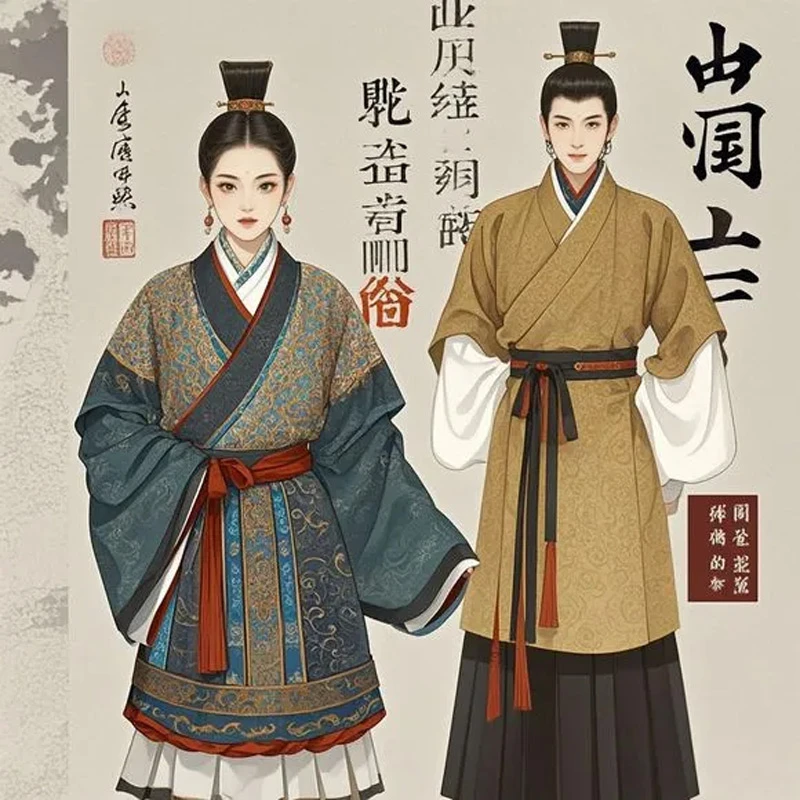
The Spring and Autumn period saw Shenyi become widespread. Its connected design allowed ease of movement, with variations in sleeve width and collar shape catering to different needs.
Nomadic Hufu (胡服) gained popularity for horseback riding. King Wuling of Zhao adopted it to strengthen his military, expanding territory significantly.
Robes and jackets changed in length and cut, featuring curved hems and diverse lapels. Luxurious furs worn beneath outer layers highlighted wealth and taste.
Qin Dynasty (秦朝)
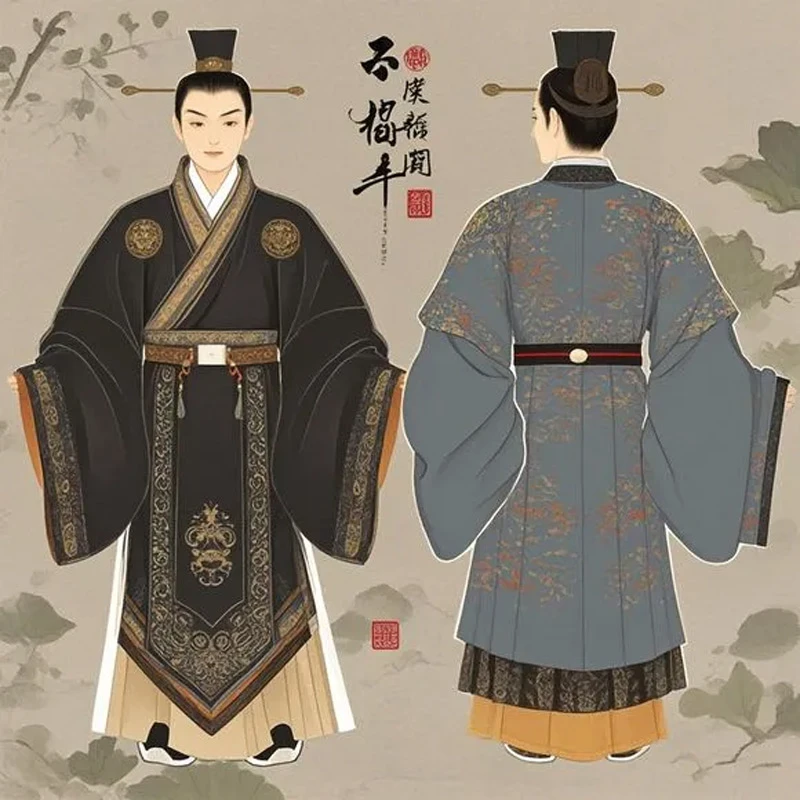
The Qin dynasty embraced black as the supreme color, linked to water element beliefs. Qin Shi Huang (秦始皇) wore black ceremonial robes, setting a standard for court attire.
Officials donned high crowns and layered gowns, while soldiers adapted trousers for mobility. Although brief, Qin’s rule left a legacy of color symbolism and functional design.
Terracotta Army figures reveal detailed clothing: narrow sleeves, belted tunics, and armored plates. These artifacts provide tangible insights into daily and military wear.
Han Dynasty (汉朝)
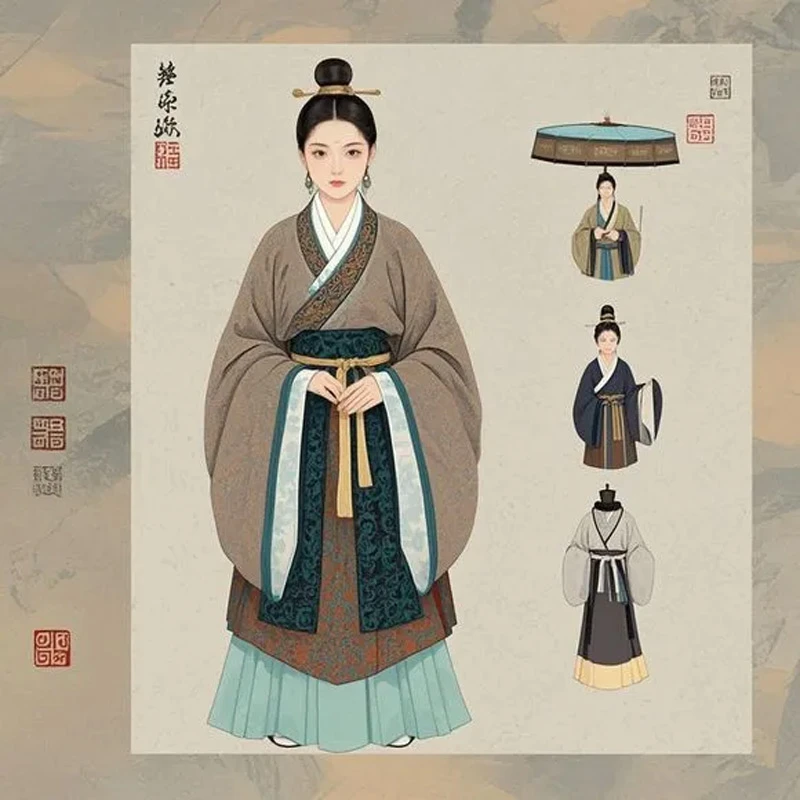
Han era clothing systems grew more elaborate. Ritual garments for emperors and nobles used specific colors like dark blue and red, denoting rank and season.
Court attire included over sixteen crown types, each assigned to officials based on role. Accessories like ribbons further clarified status in hierarchical settings.
Common robes featured wide sleeves and embroidered edges. Shenyi styles evolved into straight or curved hems, with women’s versions often flaring like trumpet flowers.
Women wore Shenyi or jacket-skirt sets, layering collars for elegance. Hairpins and jewelry complemented their outfits, showcasing artistry in everyday life.
Wei, Jin, and Northern and Southern Dynasties (魏晋南北朝)
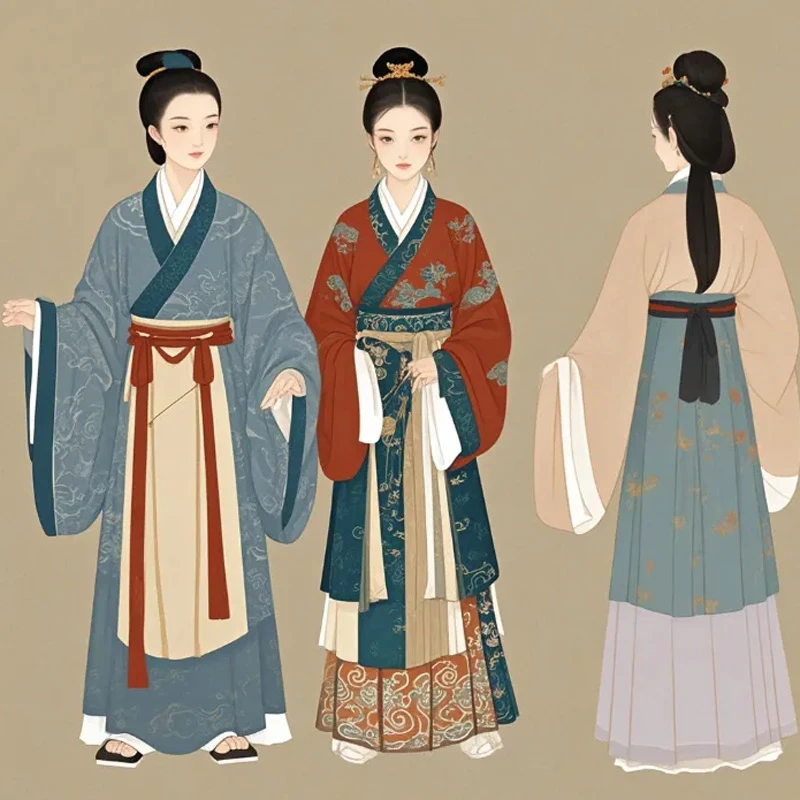
In the Wei, Jin, and Northern and Southern Dynasties, men’s fashion saw a shift towards looser, more fluid forms. The Shan (衫), a type of unlined upper garment, replaced stricter robes, featuring exceptionally wide sleeves that conveyed a sense of liberation. This style was likely influenced by northern nomadic cultures, leading to a blend where trousers paired with tunics became commonplace. The preference for broad, flowing silhouettes and sashes was widespread, cutting across social classes from nobles to commoners, as depicted in surviving artworks and excavated figurines.
Women’s attire during this period was equally dynamic, characterized by fitted tops and voluminous, multi-pleated skirts that swept the floor. A standout innovation was the Za Ju Chui Shao (杂裾垂髾) ensemble, which combined a long gown with floating ribbons and triangular decorations. This created an ethereal, almost divine appearance, as seen in artworks like The Nymph of the Luo River (洛神赋图). Adorned with lavish jewelry, these outfits emphasized a blend of luxury and graceful movement, symbolizing an era that valued both opulence and a touch of the mystical.
Tang Dynasty (唐朝)
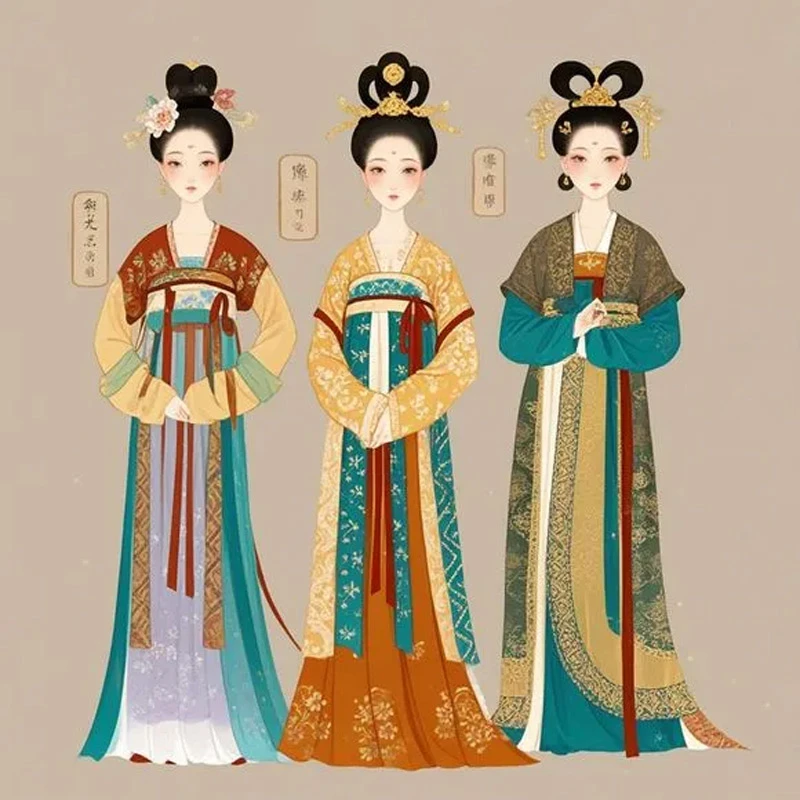
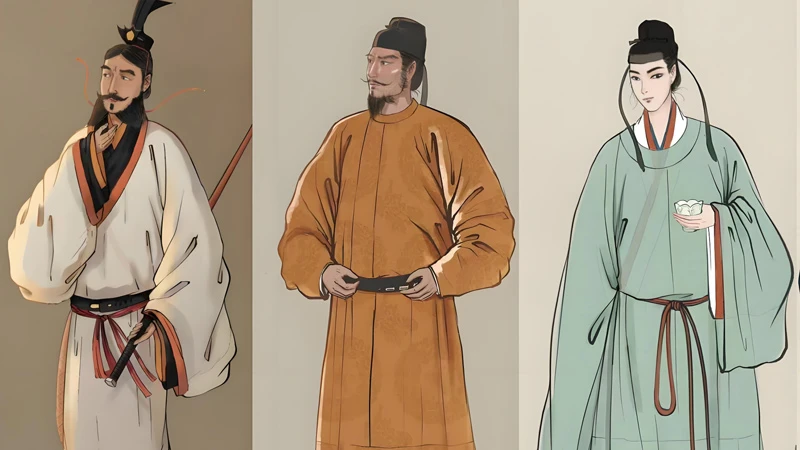
Tang dynasty men’s daily wear was defined by practicality and cross-cultural elements. The round-collar robe, paired with the Futou (幞头) headwear and high boots, became a universal style. Robes were simple in cut yet distinguished by color-coded ranks—purple for high officials, green for mid-level, and blue for lower tiers. The Futou evolved from soft, draped cloth to a structured hat, while boots, once reserved for military use, were adopted by all, reflecting a society that embraced mobility and openness.
Tang women’s fashion celebrated boldness and vibrancy, with high-waisted gowns and sheer outer robes that subtly revealed the skin. Dresses in red, purple, and yellow were highly favored, often mentioned in poetry for their captivating beauty. Shawls known as Pi Bo (披帛), made of light gauze and decorated with gold or silver motifs, added fluidity to their movements. For formal events, large-sleeved robes exuded grandeur, complemented by intricate hairpins and long, trailing skirts that emphasized the era’s prosperity and confident femininity.
Song Dynasty (宋朝)
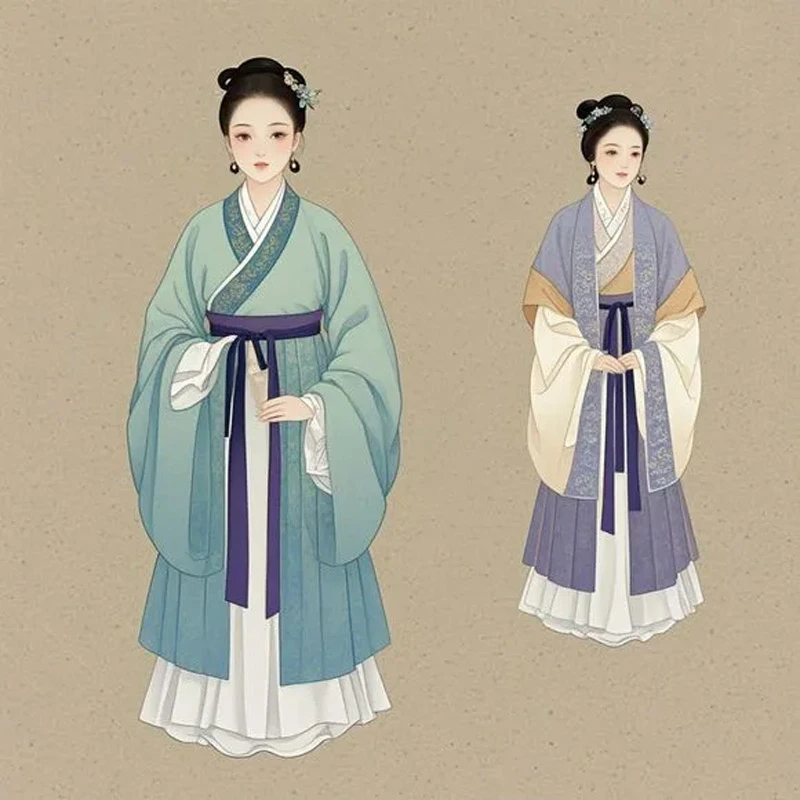
Song dynasty men adopted a more restrained and scholarly aesthetic, favoring long robes in muted tones. Garments like the Lan Shan (襕衫), a robe with a horizontal panel, and the Zhi Duo (直裰), a spacious overgarment, emphasized clean lines and comfort. Officials wore brocade robes to denote status, while commoners chose plain cloth, reflecting a culture that valued humility and refinement. The use of quality materials like silk and linen in shades of white, black, or tea-brown underscored a shift towards understated elegance.
Women’s clothing in the Song period focused on grace and practicality, with the Bei Zi (褙子) as a hallmark item. This straight-collar, side-slit overdress was worn over skirts or trousers by women of all social standings. Outfits often featured delicate embroidery of flowers like peonies or plum blossoms on edges and hems. Skirts, typically made of sheer Luo (罗) silk, came in soft greens, blues, and other subtle hues, aligning with a societal preference for tranquility and refined beauty over ostentation.
Yuan Dynasty (元朝)
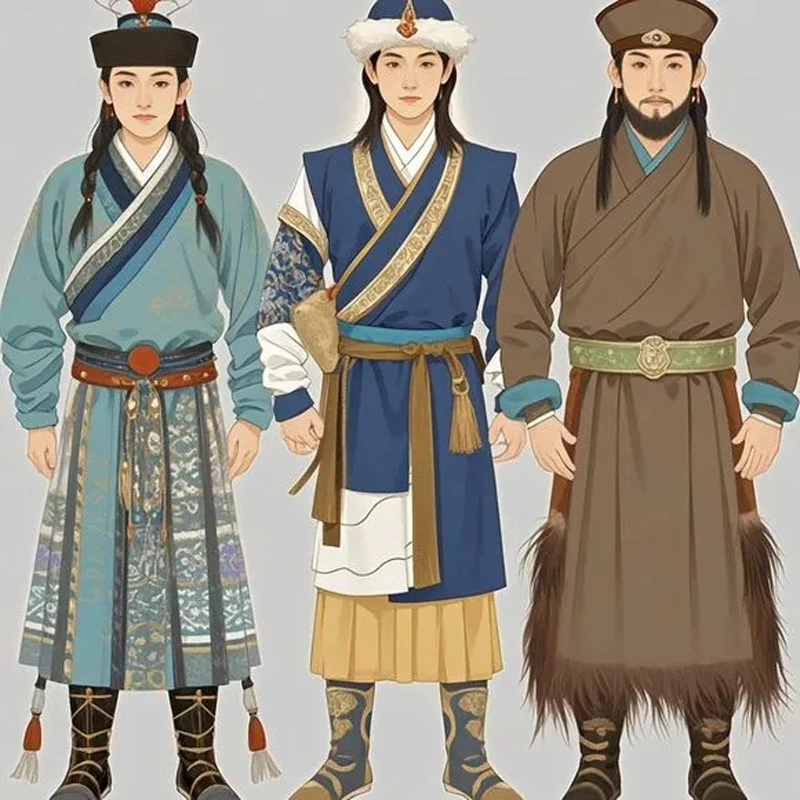
During the Yuan dynasty, attire mirrored steppe life. Men wore long robes and boots, designed for riding and mobility. These items prioritized durability, with loose cuts allowing free movement. Materials like leather and felt were common, suited to the harsh climates of the plains.
Colors conveyed meaning in Yuan dress. White symbolized purity and was used for ceremonies, while blue represented loyalty, often chosen by men. Women favored red and pink for their vibrant warmth. Elite garments featured gold thread and gems, as seen in the Zhisun Fu (质孙服), a fitted robe with waist pleats for mounting horses.
Records like The Travels of Marco Polo describe court events where thousands wore matching robes, emphasizing unity. The Zhisun Fu combined Mongol practicality with influences from Persian and Chinese styles, resulting in clothing that was both functional and ornate, blending nomadic roots with broader cultural touches.
Ming Dynasty (明朝)
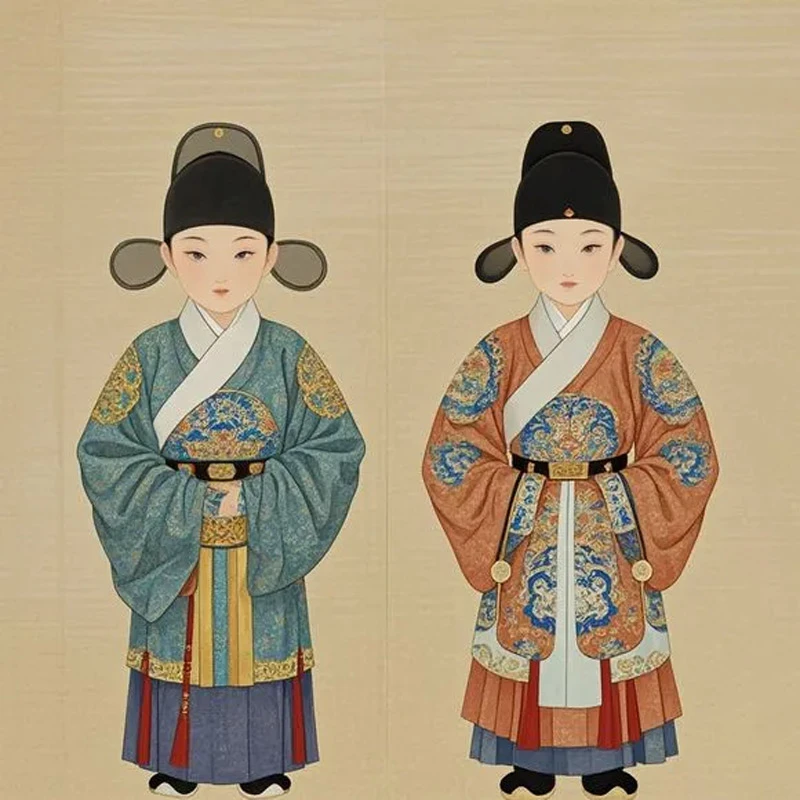
The Ming dynasty introduced orderly, hierarchical fashion. Men’s robes indicated status through fabric and detail. Silk items with embroidered birds or beasts denoted official ranks, while cotton served commoners. The Buzi (补子) badge system clarified roles, with civil officials wearing avian motifs and military figures sporting animal designs.
Women’s wear emphasized grace and modesty. Jackets called ao (袄) came in long and short styles, paired with skirts like the Mamian Qun (马面裙). These often featured floral or nature-inspired embroidery, using silks for the wealthy and cottons for daily wear. Accessories like jade pins added subtle elegance.
Outer layers such as the Pifeng (披风) cloak combined utility with art. Made from fine materials, they displayed intricate patterns in gold or silver thread. These pieces provided warmth while showcasing the dynasty’s focus on balanced beauty and social order.
What is the Ming Dynasty Hanfu Clothing?
Qing Dynasty (清朝)
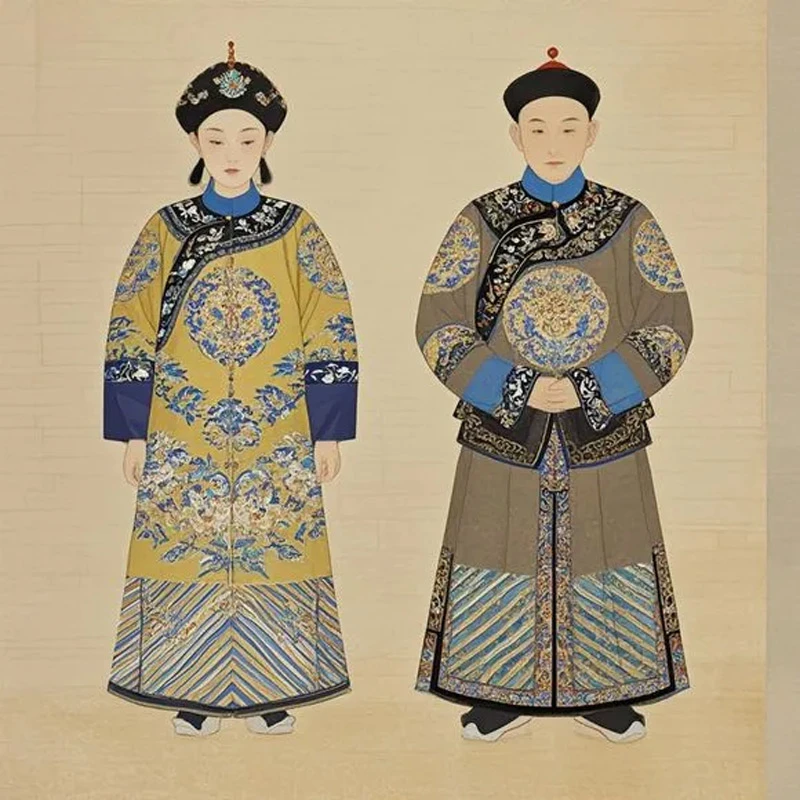
In the Qing dynasty, Manchu styles reshaped men’s attire. The Changpao (长袍) and Magua (马褂) became standard, with straight cuts and slits for ease. Nobility wore four-slit versions for riding, while ordinary people had simpler designs. This shift represented a fusion of nomadic and Han elements.
Women’s fashion centered on the Qipao, initially a loose, ankle-length dress. It evolved to include piping, knotted buttons, and embroidery, blending Manchu functionality with Han aesthetics. The Qipao’s adaptability made it a lasting symbol of cultural integration.
Accessories highlighted this era’s complexity. Men carried small tools on belts as status markers, while women’s Qipao used muted colors and detailed patterns. This period showed how clothing could unify diverse traditions, creating a cohesive identity through thoughtful design.

Summary
Chinese clothing has always served as a vivid narrative of cultural identity, shifting with each dynasty to reflect social values and artistic achievements.
Style Evolution
Early periods featured simple, practical garments. As dynasties changed, clothing became more structured and symbolic. The Tang dynasty introduced luxurious fabrics and bold colors, setting new trends.
Subsequent eras like Song favored understated elegance. Later, the Ming and Qing dynasties emphasized embroidery and detailed patterns on items like the Qipao.
Each shift in design mirrored technological progress and aesthetic preferences, creating a diverse sartorial history.
Global Connections
Chinese designs influenced neighboring cultures significantly. For example, Japan’s kimono adapted elements from Tang fashion, while Korea’s hanbok shares similarities with Ming attire.
In modern times, these historical styles inspire global fashion. Designers integrate traditional motifs into contemporary clothing, showcasing them in events and runways.
This fusion respects heritage while encouraging innovation, allowing ancient artistry to thrive in today’s world.