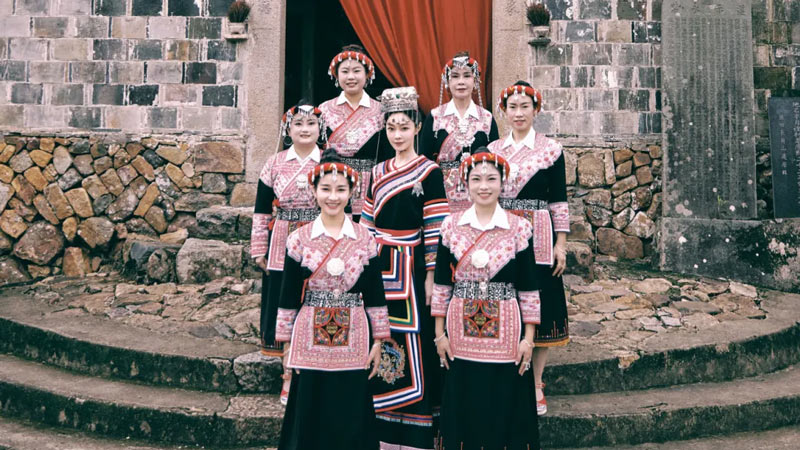
In the lush landscapes of Fujian, a vibrant cultural wave is capturing hearts and headlines. The She (畲) people, an ethnic group with a rich history of migration and resilience, are stepping into the spotlight. Recently, a feature in China National Tourism (中国国家旅游) magazine, accompanied by actress Song Yi (宋轶) adorned in traditional She attire, has ignited widespread fascination. She, known for her roles in historical dramas, immersed herself in the She community, donning the iconic Phoenix Dress and sharing the experience with millions online. This isn't just a fashion moment; it's a gateway into a world where ancient traditions thrive amid modern times.
The She, who call themselves "Shanha" (山哈) meaning "guests of the mountains," have carved out a unique identity through centuries of adaptation. Their story unfolds in remote villages nestled among Fujian's rolling hills, where every aspect of life, from architecture to cuisine, reflects a deep connection to nature and heritage. As interest grows, people are drawn not only to the visual splendor but to the profound human stories behind the culture.
Phoenix Attire
The Phoenix Dress is more than clothing; it's a wearable symbol of She identity. Inspired by reverence for the phoenix totem, this ensemble features a pointed crown resembling the bird's head, intricately embroidered garments that mimic its feathers, and flowing ribbons that echo its tail. Each piece is handcrafted using techniques passed down through generations, often combining weaving and embroidery. The designs draw from everyday life, such as clouds, flowers, and wildlife, transforming simple materials into vivid art. When Song Yi wore it, the silver crown gleamed and the embroidered clothing shimmered, highlighting the dedication of masters like Lin Zhangming, a Fujian artisan who preserves this craft. This attire isn't static; it evolves, blending tradition with contemporary touches to stay relevant.
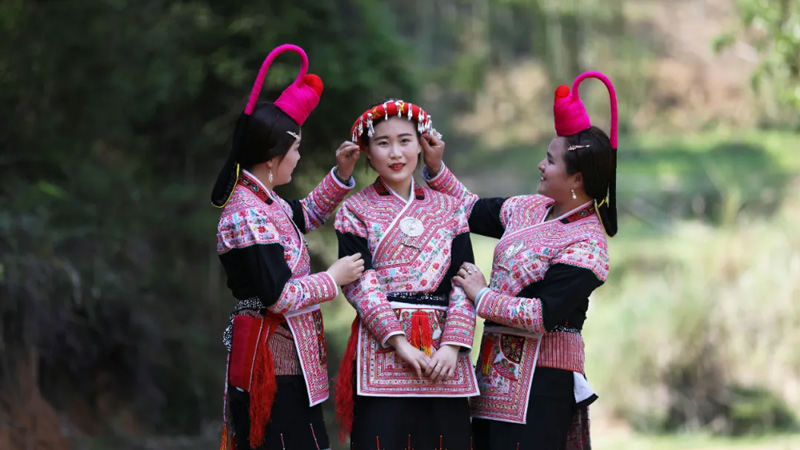
What makes the Phoenix Dress special is its role in She ceremonies, especially weddings. It represents beauty, hope, and cultural continuity. Young She women often learn to sew these garments from elders, ensuring the skills survive. The vibrant patterns and colors tell stories of the mountains and seasons, making each dress a personal narrative. In recent years, efforts to promote it have led to collaborations with artists and influencers, helping it gain recognition beyond ethnic circles. This has turned the Phoenix Dress into a bridge, connecting the She community with the wider world while honoring their ancestors.
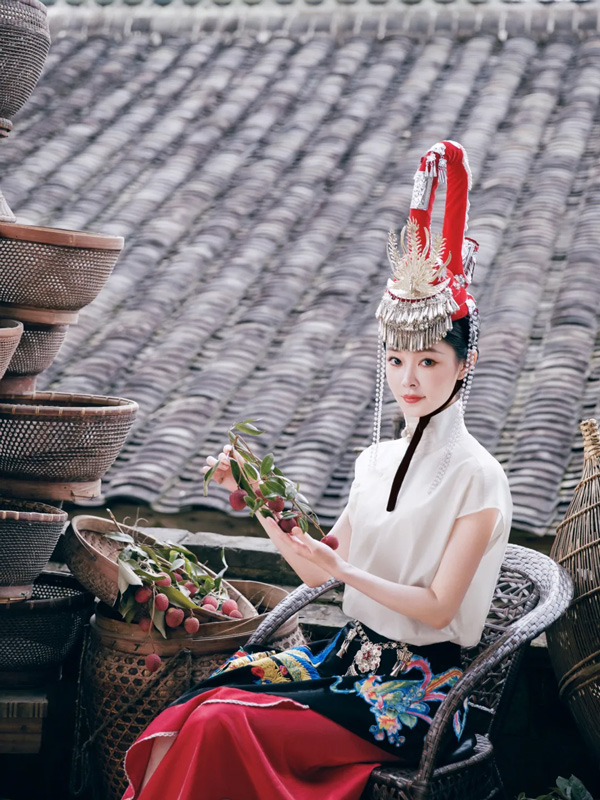
The impact of this cultural revival is palpable. As more people encounter the Phoenix Dress through media or travel, they discover the She philosophy of harmony with nature. It's not just about aesthetics; it's a statement of pride and resilience. Innovations in design, such as incorporating sustainable materials, show how tradition can adapt without losing its soul. This dynamic approach ensures that the Phoenix Dress remains a living part of She culture, inspiring new generations to embrace their heritage with creativity and joy.
Musical Heritage
Music is the heartbeat of She culture, with songs serving as the primary medium for storytelling and emotional expression. Known collectively as She folk songs, they cover themes from love and labor to history and rituals. One famous example is a traditional love ballad: "You are the millennium tree in the mountains, I am the ten thousand years vine; even if the tree dies, the vine will cling until death." This poetic lines illustrate how songs are used for courtship, with young people singing to convey affection and commitment. The melodies, often accompanied by simple instruments, reflect the rhythms of mountain life, making every performance a communal event.
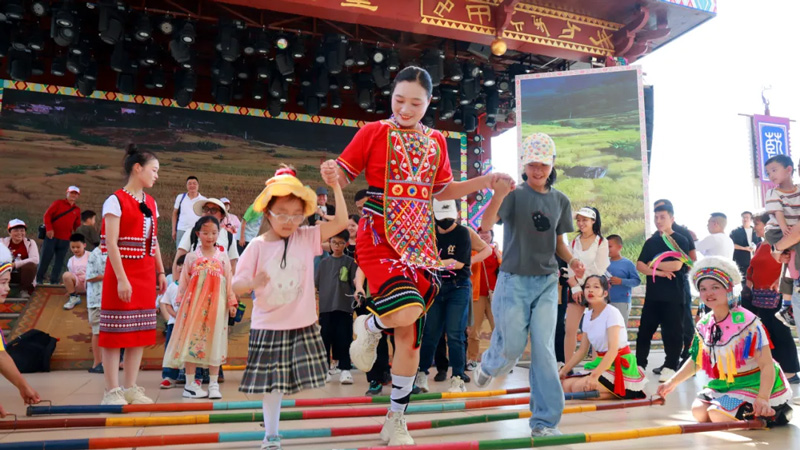
These songs are categorized into types like narrative epics, ancient tales, and wedding chants, each preserving specific aspects of She history. During festivals like the She March Third celebration, singing competitions and gatherings reinforce social bonds. The oral tradition ensures that knowledge is transmitted across generations. In modern times, recordings and digital platforms have helped safeguard these songs, allowing them to reach global audiences. Yet, the essence remains unchanged: it's a way for the She to affirm their identity and share their worldview.
Beyond entertainment, She music plays a spiritual role in sacrifice and other ceremonies, connecting the community to their ancestors and the natural world. The act of singing together fosters unity and resilience, much like the mountains that surround them. As younger She integrate contemporary influences, new compositions emerge, blending old lyrics with modern beats. This fusion keeps the tradition alive, proving that She songs are not relics of the past but dynamic expressions of a people constantly reinventing themselves while staying true to their roots.
Gastronomic Delights
She cuisine is a testament to their resourcefulness, turning simple ingredients into memorable dishes that embody their connection to the land. Among the most beloved are the "She Family Treasures": Wu rice (乌米饭), leaf-wrapped Zongzi (粽子), and glutinous rice cakes. Wu rice, made by steeping rice in the juice of Wuren tree (乌稔树) leaves, results in a glossy, black-hued rice with a subtle sweetness. It's often enjoyed during festivals, symbolizing health and vitality, as echoed in ancient poems by figures like Du Fu. The process—from foraging leaves to slow-steaming—showcases a deep respect for nature's cycles.
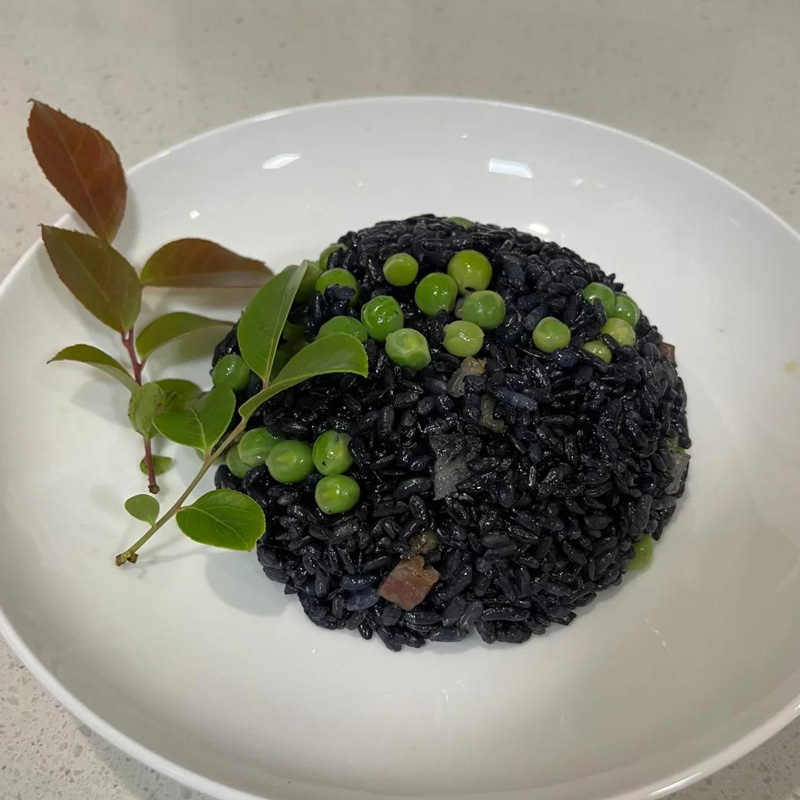
Another staple is the Zongzi, wrapped in broad Jian Ye (菅叶) leaves and shaped into elongated "pillows." Filled with alkali-treated rice and tied with palm fibers, it's simmered for hours until fragrant. This dish is central to ancestral offerings, reflecting the She value of remembering their origins. Similarly, glutinous rice cakes, or glutinous rice cake, are made by pounding steamed rice in a stone mortar until it becomes a smooth, elastic dough. Served warm with coatings like soybean powder or crushed peanuts, they offer a comforting chewiness that brings families together during gatherings.
These foods are more than sustenance; they are cultural anchors. Preparing them involves collective effort, reinforcing community ties. For instance, making glutinous rice cake often becomes a social event where neighbors share stories while pummel the rice. The flavors mirror the She environment, from forest herbs to mountain springs. Today, as food tourism grows, She dishes are gaining attention for their uniqueness and health benefits. By sharing these recipes, the She not only preserve their heritage but also invite others to taste the soul of their mountainous home, ensuring that their culinary legacy continues to thrive and inspire.