Article
搜索结果:
-
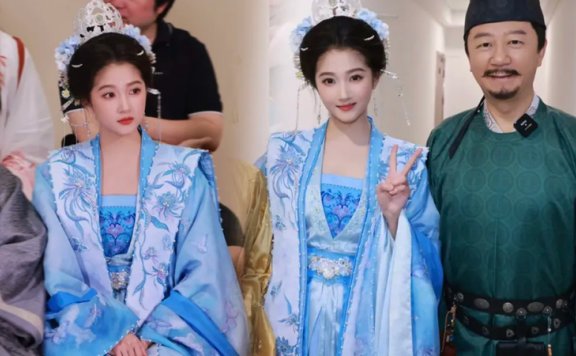
Why Did Guan Xiaotong's Song Dynasty Style in Ace vs Ace Go Viral?
When Guan Xiaotong (关晓彤) appeared on the variety show Ace vs Ace (王牌对王牌) wearing a delicate headpiece and flowing robes, social media buzzed with admiration. Viewers praised her outfit as more striking than many red-carpet looks, noting its fresh, elegant appeal. This style drew from Song Dynasty fashion, featuring a blue-and-white color scheme that evoked clarity and grace. The ensemble included a long-sleeved robe and a cape, but the standout was a lightweight, intricate crown adorned with peony motifs. Unlike heavier historical versions, this modern interpretation used contemporary materials for comfort, making it a hit among audiences. This revival isn't just about aesthetics; it reflects a growing interest in blending traditional elements with today's trends, showing how ancient designs can feel both timeless and new. Historical Roots During the Song Dynasty, women from all social classes embraced ornate headwear, as documented in texts like Dreams of Splendor of the Capital City (东京梦华录). These records describe bustling markets where vendors sold hair accessories, including various crowns, highlighting their popularity. One common type was the Tuanguan (团冠), a round crown often made from bamboo, leather, or metal, and sometimes decorated with pearls or floral patterns. Its circular shape symbolized harmony and was… -
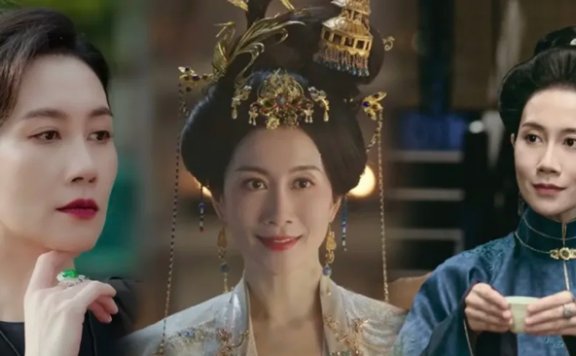
Wen Zhengrong: Historical Attire and Jewelry Shape Drama Style
Why does this actress radiate such noble elegance? In the television drama Love's Freedom (许我耀眼), the character of Sister Lan (岚姐), portrayed by actress Wen Zhengrong (温峥嵘), has captivated audiences with her poised and aristocratic demeanor. Her roles often depict matriarchs from influential families, leading many to wonder about the origins of this refined aura. The answer lies not just in stellar acting, but in the meticulous recreation of historical attire and adornments, where every accessory tells a story of status, culture, and artistry. Jade's Timeless Allure In Love's Freedom, Sister Lan's wardrobe is defined by minimalist, solid-color outfits that allow her jewelry to command attention. A prominent feature is her magnificent Feicui (翡翠) jade pendant. In ancient China, jade was far more than decoration; it was a definitive marker of a woman's family background and social standing. The quality of a piece was judged rigorously on its color saturation, translucency, and the absence of flaws. Wearing high-quality jade was a silent, powerful statement of nobility and refined taste. The history of the term "Feicui" is fascinating. Its earliest mentions, such as in the Han Dynasty text Huainanzi (淮南子), refer not to the green stone we know today, but to… -
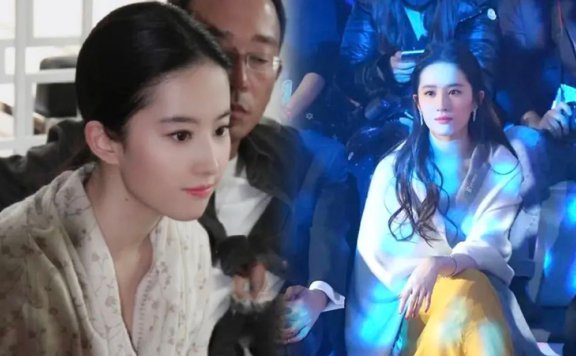
Liu Yifei's Scarf and the Legacy of Lingjin in Chinese Fashion
When a recent photo of Liu Yifei wearing a stylishly knotted scarf surfaced online, it sparked a wave of nostalgia and curiosity. Many fans were quick to note how her fashion choice seemed to mirror ancient Chinese aesthetics, leading to questions about whether this was a mere coincidence or a subtle nod to historical traditions. This connection highlights a fascinating aspect of fashion history that often goes unnoticed. Long before scarves became global accessories, they had a rich legacy in China, where they were known as Lingjin (领巾). These items were not just for adornment but served practical purposes, blending seamlessly into daily life across various dynasties. The resemblance between modern scarf styles and those depicted in ancient artworks is striking, suggesting that some elements of fashion are timeless. This article delves into the evolution of the scarf in Chinese culture, exploring its origins, transformations, and enduring appeal in contemporary times. Historical Origins In the Northern and Southern Dynasties, early forms of scarves began to appear in artworks and texts. One notable example is the painting Northern Qi Collating Classic Texts (北齐校书图), which depicts women wearing Lingjin tied in simple knots at the chest. These accessories were shorter and wider… -
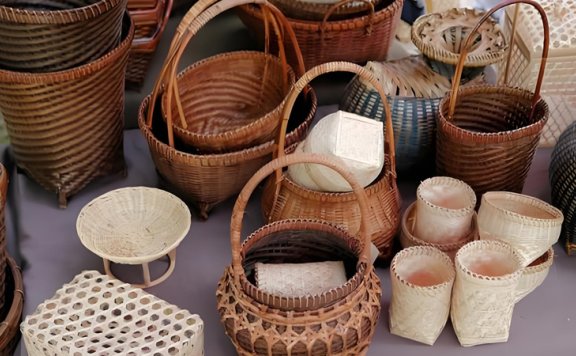
10 Must-Know Traditional Handicrafts from China
In the heart of China, artisans transform everyday materials into functional art through time-honored methods. These practices, like Pottery, involve molding earth into forms that serve daily needs while carrying ancestral wisdom. Each item bears the maker's unique imprint, connecting users to a lineage of skill and dedication. Similarly, Silk weaving demonstrates a delicate balance between human care and natural processes. Craftspeople guide silkworms to produce threads that become luxurious textiles, embodying patience and respect for resources. Those who engage in these trades sustain more than objects; they uphold values of mindfulness and community identity. Today, these methods adapt without losing their essence. Artisans infuse traditional approaches with modern sensibilities, ensuring their work remains integral to cultural expression. Handling a piece of Cloisonné or viewing detailed Paper-cutting reveals how hands-on creation fosters a deeper appreciation for heritage in everyday life. Bamboo Weaving The journey of Bamboo Weaving begins with a single stalk. Artisans split the bamboo into slender, pliable strips called mis, a process requiring a sharp eye and a steady hand. This transformation from a rigid pole to a flexible fiber is the first miracle. The strength and abundance of bamboo made it an ideal material for everyday life,… -
The Prevalence and Causes of Costume Similarities in Cdramas
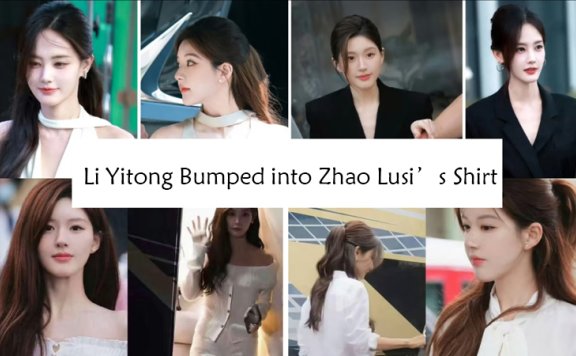
When a popular period drama recently faced accusations of costume duplication, it sparked a wider conversation about originality in television. In Meiren Yu (美人余), the visual echo of character outfits did not go unnoticed by audiences. This situation mirrors a persistent pattern across many historical series, where designers frequently recycle styles. An actor might wear nearly identical attire in different projects, blurring the lines between their roles. The rapid expansion of short-form content has intensified this, with compact productions often lifting aesthetic elements directly from their lengthier counterparts. At the heart of these repetitions lies a creative stagnation, a safe retreat into familiar visuals that risks boring viewers. This reliance on similar designs points to a deeper industry habit. Rather than cultivating unique visions, some productions opt for proven, marketable looks. She might play a warrior in one story and a noble in another, yet her wardrobe feels strangely consistent. This aesthetic convergence suggests a lack of inventive risk, where financial pressures override artistic ambition. Furthermore, legal frameworks for protecting costume copyright remain underdeveloped, making it easy for one show to mimic another's sartorial choices without significant repercussion. The outcome is a visual landscape that feels repetitive, denying audiences the… -

The Xiangnang: An Ancient Whisper for the Modern World
What if your accessories could tell a story a thousand years old? In an age of mass production, a small, fragrant pouch offers a different kind of luxury. This is not just a scent carrier; it is a wearable piece of history, a whisper from ancient China. The Xiangnang (香囊), or scented sachet, holds within its delicate stitches the essence of a cultural legacy. Far more than a simple ornament, it is a complex artifact where botany, craft, and deep-seated human emotion converge. From royal courts to rustic villages, it has served as a personal air of poetry, a protective charm, and a silent messenger of the heart. The Craft Creating a Xiangnang is a meditation in itself. The process begins not with thread or cloth, but with scent. An artisan selects herbs like mugwort, cloves, or borneol, each chosen for its aromatic and symbolic properties. The goal is to design a fragrance profile that is either invigorating, calming, or protective. This initial step is deeply personal, akin to composing a unique olfactory signature for the future wearer. The true test of patience follows: grinding. The dried botanicals are placed into a stone mortar. The rhythmic, circular crushing is not… -
The Story of the Stone: Huizhou's Theatrical Journey Into Fate and Love
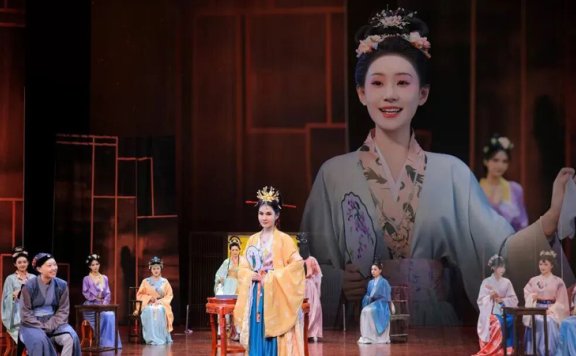
This November, the Huizhou Culture and Art Center (惠州文化艺术中心) transforms into a portal to the late Qing dynasty, presenting a stage adaptation of The Story of the Stone (红楼梦). On November 19, 2025, audiences will witness a condensed, 150-minute spectacle that distills Cao Xueqin's (曹雪芹) monumental novel. This production does not merely recount a story; it invites viewers into a reflective space where personal desires clash with societal confines. Through innovative narrative techniques and visual poetry, the play examines the delicate threads of love and loss within the illustrious Jia Mansion (贾府). It is an experience designed to resonate with modern sensibilities, questioning how much has truly changed in the human heart. Performance Time: November 19th, 2025 at 19:30 Venue: Huizhou Culture and Art Center The Narrative Guided by the otherworldly perspectives of a lame Taoist and a scabby monk, the play frames the saga as a search for cause and effect. This unique viewpoint allows the audience to journey through pivotal moments, such as Lin Daiyu's (林黛玉) initial arrival at the mansion and Granny Liu's (刘姥姥) wide-eyed tour of the gardens. The plot weaves these episodes into a tapestry that highlights both romantic yearning and familial decay. Key events… -
The Game-Changer Behind China's Hit Historical Short Dramas
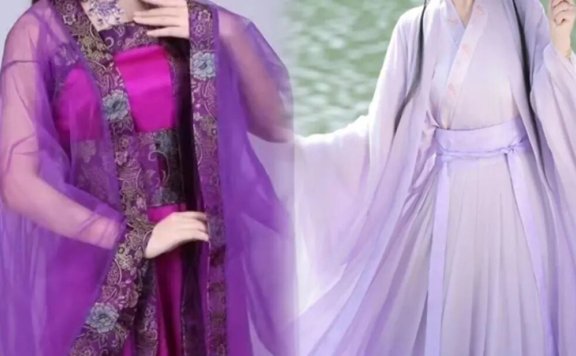
Could the secret to a hit historical series be hanging in a ready-to-wear shop? A noticeable shift is occurring behind the scenes of China's booming short drama industry. Instead of commissioning custom-made costumes, an increasing number of production crews are turning to off-the-rack Hanfu. This move is not just about cutting costs; it is a conscious choice that is reshaping visual storytelling, winning audience approval, and opening a new front in the promotion of traditional culture. The clothes characters wear are becoming a direct link to a authentic past. Costume Clash What is the real difference between a ready-made Hanfu and a custom drama costume? The former is a garment produced for public sale, designed according to historical patterns and tailoring techniques. Its primary advantage is authenticity. Many of these garments are replicas based on archaeological finds, like textiles from the Bijiatan (毕家滩) tomb or wooden figurines from Astana (阿斯塔纳). They offer a tangible connection to a specific era. Using these accurate garments elevates a production's quality. For a series set in a defined dynasty, correct clothing shapes pull the audience deeper into the world. A character dressed in a cross-collared top under a square-collared coat with a Mamianqun (马面裙)… -
How Hairpin Flowers Bridge China’s Past and Present
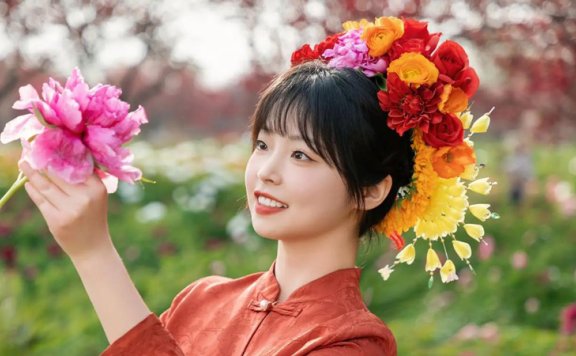
In the bustling streets of modern China, a quiet revolution blooms atop the heads of women who choose to adorn their hair with intricate floral arrangements. This is not merely a fashion statement but a profound connection to an ancient practice known as hairpin flowers, a craft that has woven its way through millennia. Imagine waking up to the sight of vibrant blossoms—crimson camellias, sunny daisies, and delicate hydrangeas—nestled in dark tresses, transforming everyday moments into a celebration of nature and resilience. For many, these flowers are more than decorations; they are emblems of inner strength and a poetic approach to life. In an era where women are increasingly asserting their identities, hairpin flowers serve as a bold declaration of self-love and cultural pride. They remind us that beauty can be both fleeting and eternal, capturing the essence of hope in each handcrafted petal. This tradition, rooted in deep history, continues to inspire those who seek to blend artistry with personal expression, making every day a canvas for creativity and empowerment. The Artisan's Touch Creating hairpin flowers is a meticulous process that demands patience and skill, passed down through generations of artisans. In regions like Quanzhou (泉州), particularly among the… -
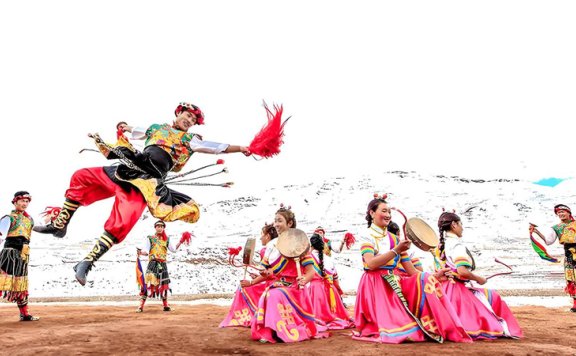
Exploring the Dynamic World of Tibet's Ancient Rebadance
What secrets lie within the rhythmic beats of Tibet's ancient Rebadance (热巴舞)? This dynamic performance, recognized as a national intangible cultural heritage, is far more than a series of steps. It is a living narrative, a spiritual dialogue, and a vibrant expression of identity for Tibetan communities across the Plateau. With its powerful drumming and acrobatic movements, Rebadance connects the past to the present, telling stories of faith, nature, and human endurance. Its very name, translating to "tassel" or "fringe," hints at the intricate layers of meaning woven into every gesture and costume. This dance does not simply entertain; it invites audiences into a world where every jump and turn carries the weight of centuries. Roots and Rhythm The story of Rebadance begins in the mists of time, with many tracing its origins to the 11th century and the influential Buddhist master, Milarepa (米拉日巴). He and his disciples are credited with shaping the art form, blending physical discipline with spiritual intent. However, deeper echoes resonate from an even older tradition. The central instrument, the drum, was originally a ritual object in the indigenous Bon (苯教) religion, used in ceremonies to summon deities. This highlights a fascinating transformation, where the dance… -
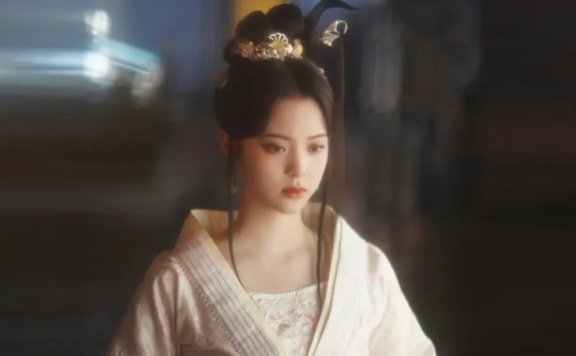
Was Ouyang Nana's Hairstyle in Yong'an Dream a Historical Mistake?
A recent scene from the historical drama Yong'an Dream (永安梦) featuring actress Ouyang Nana has sparked lively online debate. Viewers questioned the stylist's choices, pointing to a few seemingly loose strands of hair framing her face. The hairstyle, with its characteristic trailing locks, struck many as too informal for a period production. However, this particular look is far from a wardrobe malfunction; it is a deliberate and historically accurate recreation of a classic Chinese hairstyle from the Northern and Southern Dynasties era. The Historical Hair The specific style is known as the Chuishao Ji (垂髾髻). Evidence of this elegant updo can be found in classical Chinese art, such as the Admonitions of the Instructress to Court Ladies Painting (女史箴图). It involved piling hair into a high bun, often augmented with supplementary pieces to achieve greater volume, a common practice among noblewomen. The defining feature was the deliberate placement of two neat strands of hair along the temples, a detail referred to as Fenshao (分髾). This fashion is believed to have originated earlier, potentially during the Warring States period, and gained prominence from the Eastern Han through the Wei and Jin dynasties. An excavated jade sculpture of a dancer from a… -
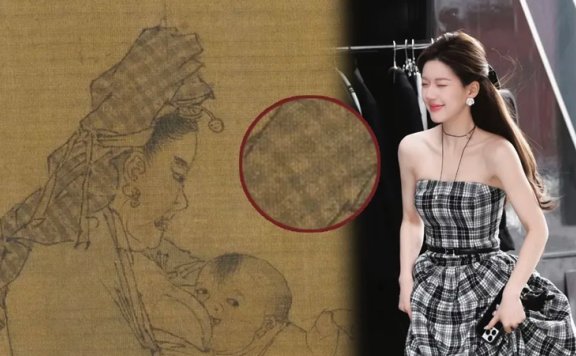
British Style? Plaid in China 3,000 Years Ago
When we think of plaid, images of Scottish kilts and British fashion often come to mind, but what if this iconic pattern has a much older origin? Recent archaeological discoveries in China reveal that checkered designs were flourishing there nearly 3000 years ago, during the Western Zhou Dynasty (西周), long before such styles became synonymous with the West. This finding challenges common perceptions and invites us to rethink the narrative of global fashion history. Artifacts from regions like Hami (哈密) showcase bold, intricate plaid patterns that rival modern aesthetics, highlighting a sophisticated textile tradition. As we delve into these ancient traces, it becomes clear that plaid is not just a Western import but a shared human innovation, with roots that span cultures and millennia. This revelation not only sparks curiosity but also encourages a deeper appreciation for China's rich cultural contributions, urging us to see beyond stereotypes and celebrate these historical connections. Ancient Patterns Excavations in the Hami area have unearthed textiles from the Western Zhou era featuring vibrant plaid and wave motifs. These artifacts, dating back to around 1000 BCE, display a range of colors and geometric precision that defies the notion of simple ancient craftsmanship. For instance, some… -
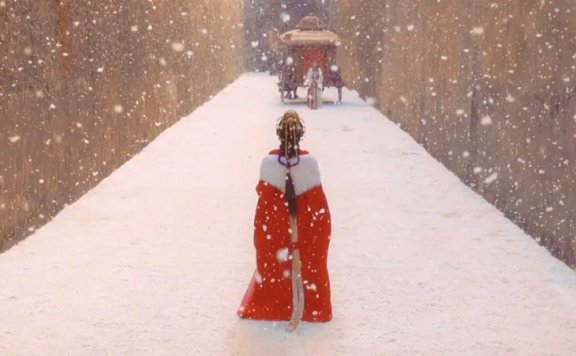
How Did Red in Snow Become a Signature of Eastern Beauty?
Have you ever paused during a winter scene in a film, struck by the image of a figure in brilliant red against a pristine white landscape? This visual, often called "red clothes in white snow," feels instinctively beautiful to many in Eastern cultures. It is not just a random preference but a deeply ingrained aesthetic that appears in literature, cinema, and even personal fashion choices. Why does this specific contrast resonate so strongly? The answer lies in a blend of historical symbolism, natural visual effects, and cultural narratives that have evolved over centuries. This article examines the origins and modern manifestations of this enduring imagery, revealing why it continues to captivate hearts and minds across generations. Historical Roots The appeal of red attire in snowy settings can be traced to classical Chinese poetry and idioms. One early example is the phrase "Red clothes win snow", which translates to "red clothes surpass snow." It comes from a poetic line depicting a woman in red standing alone by a river as snow falls, her vibrant garment contrasting sharply with the white surroundings. This imagery symbolizes resilience and individuality amid isolation, a theme cherished in Eastern art. Poets like Lu Meipo (卢梅坡) expanded… -
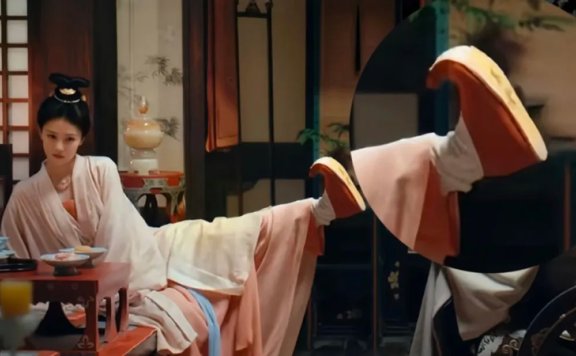
Why Are Shoe Tips Curved in Mo Li?
When Bai Lu (白鹿) appeared in behind-the-scenes photos for the historical drama Mo Li (莫离), fans quickly noticed her distinctive shoes with sharply upturned toes. This unique design sparked widespread curiosity online, with many wondering about its purpose and comfort. While it might seem like a quirky fashion choice, the curved toe has deep roots in Chinese history, serving practical functions that influenced both ancient attire and modern shoe design. From formal robes in dynastic times to today's athletic sneakers, this element connects past and present in unexpected ways. Let's unravel the story behind these shoes and how they reflect broader cultural shifts in fashion and functionality. Ancient Origins In ancient China, upturned shoe toes were not just decorative but essential for daily life, especially among the elite. These shoes, known by various names like Qitou Lü (岐头履) or Yuntou Lü (云头履), were commonly worn during formal events to manage long garments. The primary role of the curved tip was to lift the front hem of robes or skirts, preventing the wearer from tripping while walking. This design allowed for graceful movement without constantly adjusting clothing, making it a staple in ceremonial wear. Historical records and artworks show that such… -
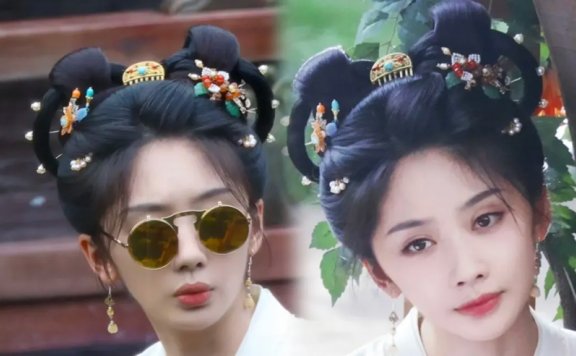
How Yummy Yummy Yummy Brings Back an Ancient Chinese Hairstyle
In the captivating world of historical Chinese dramas, Yummy Yummy Yummy (宴遇永安) has sparked a wave of admiration for its attention to authentic details, particularly through the character Bao'er Jie (宝儿姐) played by Wang Yinglu (王影璐). Her hairstyle, often described as irresistibly youthful, has become a talking point among viewers and fashion enthusiasts alike. This look, rooted in ancient traditions, showcases how classic elements can feel fresh and modern. It draws from a style known as the Shuang Huan Ji (双鬟髻), a double loop bun that historically symbolized innocence and youth. As audiences delve into the drama's visual storytelling, they uncover layers of cultural depth that connect past and present. The appeal lies not just in aesthetics but in the storytelling power of such details, making characters like Bao'er Jie relatable and vibrant. This resurgence of interest highlights a broader trend where historical accuracy meets contemporary beauty standards, inviting everyone to appreciate the artistry behind these designs. Ancient Origins The Shuang Huan Ji hairstyle traces its roots to early Tang Dynasty China, with evidence from artifacts and texts indicating its use among young girls and servants. In historical contexts, this style was practical for those with less hair volume, as… -
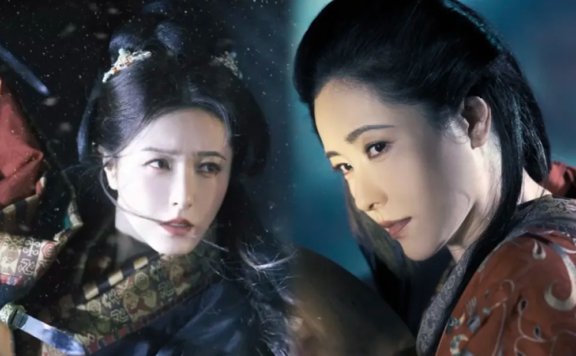
Why Did Netizens Mistake Zeng Li's Hanfu for a Japanese Kimono?
When actress Zeng Li (曾黎) shared a photoshoot featuring a traditional Hanfu outfit known as the Warring States Robe, the online reaction was swift and divided. Many viewers incorrectly identified the garment as a Japanese kimono, sparking comments that questioned her cultural choices. This immediate confusion reveals a common issue where Chinese traditional dress is often misattributed to other East Asian cultures. The incident highlights how visual similarities can lead to misunderstandings, especially when historical context is overlooked. This discussion will explore the distinct characteristics of the Warring States Robe, its roots in ancient China, and the reasons behind such frequent mix-ups. By examining these elements, we can better appreciate the richness of Chinese heritage and address the need for broader cultural awareness. Historical Roots The Warring States Robe traces its origins to the Warring States period, a transformative era in Chinese history from 475 to 221 BCE. Key artifacts come from the Mashan No.1 Chu Tomb (马山一号楚墓), where archaeologists uncovered well-preserved clothing like the straight-hemmed robe. These findings provide a tangible link to the past, showing how nobility dressed during that time. The robes from this site have been carefully replicated, allowing modern wearers to connect with ancient traditions.… -
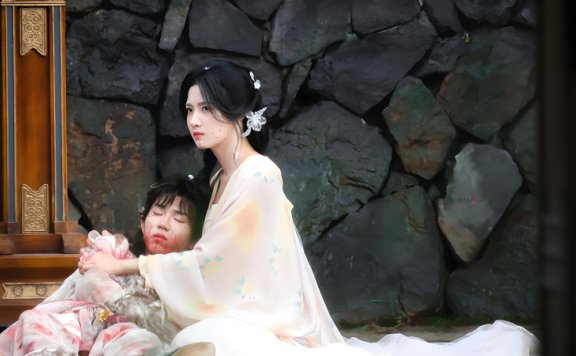
Love in the Clouds Pairs Cunning Leads And Poetic Detail
This year's historical drama offerings have largely missed the mark. Legend of The Female General (锦月如歌) leaned on romance but suffered from plot holes, while Moonlit Reunion (子夜归) became mired in predictable political grimness. The Journey of Legend (赴山海) presented visual splendor yet failed to make its characters resonate. Into this field steps Love in the Clouds (入青云), an adaptation of Bai Lu Cheng Shuang's (白鹭成双) novel that immediately distinguishes itself. The show’s core is a clever "double strong disguise" dynamic, where central figures conceal their full capabilities. This setup drives a narrative filled with strategic tension and genuine surprises, all delivered through a polished production that values coherence over empty spectacle. Its approach feels like a direct response to audience fatigue with repetitive tropes. Given the significant pre-release momentum, this drama is positioned to make a substantial impact. It demonstrates that the genre can still offer intelligent and engaging stories when it moves beyond established formulas. Plot Structure Beyond Traditional Xianxia Xianxia stories often paint worlds of epic clashes between divine and demonic forces, but Love in the Clouds chooses a different path. Set within the confined realms of He Xu Liu Jing (合虚六境), the narrative unfolds around the… -
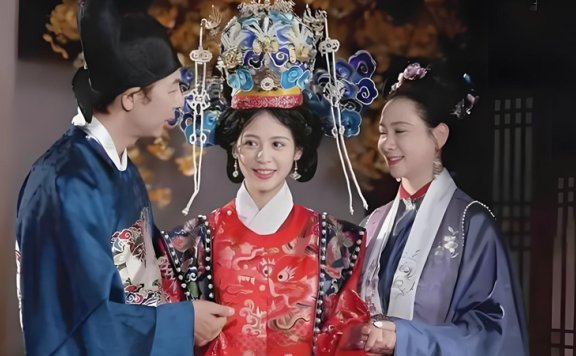
Weng Hong's Daughter Marks 18th with Jiji Li
When the daughter of Hong Kong actress Weng Hong (翁虹) turned eighteen, she didn't want a modern party. Instead, her family organized a traditional Jiji Li (及笄礼), a Chinese coming-of-age ceremony for young women. The celebration, held in full Hanfu attire, was a beautiful and meaningful departure from the Western-style birthdays common today. This deliberate choice highlights a growing trend of cultural rediscovery, where ancient traditions are being revived to mark significant life milestones with a profound sense of heritage and identity. A Ceremony of Red and Respect The centerpiece of the event was the young woman known online as Crystal, dressed in a vibrant crimson Ming Dynasty-style Hanfu. The elaborate outfit and intricate hair accessories, including a carefully chosen hairpin from her mother, transformed her. She carried herself with a grace that resonated with the ceremony's solemnity, appearing every bit the poised young noblewoman from a historical drama. The visual impact was powerful, connecting her to a lineage of Chinese women who have participated in this ritual for centuries. Her parents were equally invested in the authenticity of the day. Weng Hong and her husband, Liu Guanting (刘冠廷), dressed in traditional scholarly and aristocratic attire, fully embodying their roles.… -
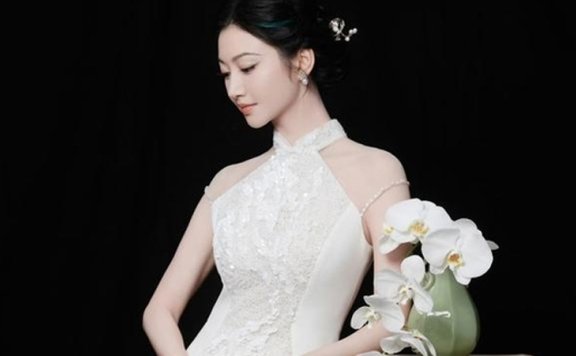
Jing Tian's White Qipao at Mid-Autumn
How Did Jing Tian's White Qipao Redefine Modern Elegance This Mid-Autumn? In the soft glow of the Mid-Autumn Festival, Jing Tian (景甜), a celebrated Chinese actress, stepped into the spotlight wearing a breathtaking white sheer backless Qipao. This choice immediately captured public attention, blending traditional aesthetics with contemporary design in a way that felt both fresh and deeply rooted. Her appearance wasn't just about fashion; it sparked a broader conversation on how women today navigate age, identity, and style. By opting for a garment that emphasized grace over overt exposure, she challenged typical celebrity norms and invited everyone to rethink what it means to be beautifully confident. This moment served as a cultural touchstone, illustrating how personal style can influence societal perceptions and bridge generational divides. Fashion Evolution Jing Tian's shift to a delicate Qipao represents a notable departure from her earlier roles that often highlighted strength and intensity. This new direction showcases a more refined and approachable side of her persona. The gown's design, with its subtle sheer layers and intricate embroidery, demonstrates how fashion can communicate sophistication without relying on bold statements. It's a conscious move towards expressing maturity and self-assurance, resonating with audiences who appreciate nuance in… -
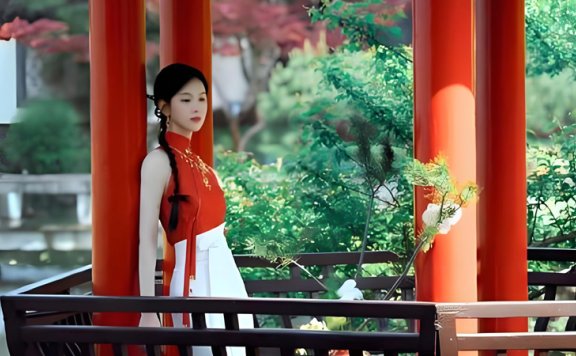
Chen Duling’s Zhuozheng Garden Hanfu Photoshoot
In an era dominated by fast-paced digital consumption, a recent photoshoot featuring Chen Duling (陈都灵) at Zhuozheng Garden (拙政园) has captivated millions, sparking conversations beyond mere aesthetics. Dressed in traditional Hanfu attire, her red and white ensemble against the garden's classical backdrop evokes a sense of timeless elegance. This imagery resonates deeply in a society grappling with constant noise, offering a visual pause that challenges modern beauty norms. Rather than a fleeting trend, it invites reflection on how authenticity and craftsmanship can thrive today. The response highlights a growing appetite for substance over speed, where every detail tells a story of cultural continuity and personal resonance. Craftsmanship Revived At the heart of Chen Duling's photoshoot lies an emphasis on meticulous artistry. Each element, from the hand-stitched Pan Kou (盘扣) buttons to the Baiyuzan (白玉簪) hairpin, was crafted by skilled artisans, underscoring a dedication to time-honored techniques. This attention to detail contrasts sharply with mass-produced Hanfu variants that prioritize speed over substance. The deliberate choice of materials and methods not only enhances visual appeal but also reinforces the garment's relationship with the wearer's form. It transforms clothing into a narrative of patience and precision, making beauty tangible through every thread and…
