Did ancient Chinese fashionistas wear patchwork? The answer might surprise you. Long before sustainable fashion became a modern buzzword, a remarkable garment was turning heads in the dynasties of old. This was not merely clothing, but a canvas where artistry met resourcefulness, creating a style so enduring that its echo can be seen on runways today. The story of this attire weaves together threads of Buddhist humility, parental love, and the irrepressible human desire for aesthetic expression, forming a rich tapestry of cultural history that challenges our perceptions of vintage fashion.
More Than Fabric
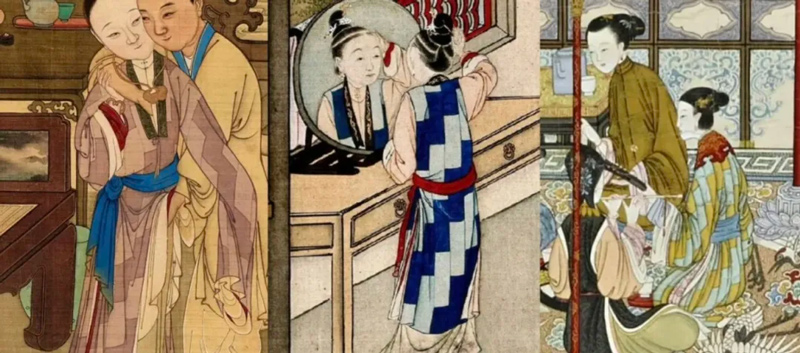
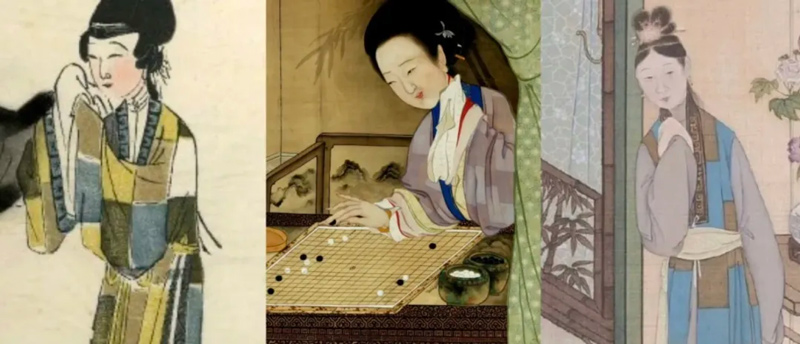
The Shuitian Yi (水田衣), or "water field garment," earned its name from a charming visual metaphor. Its composition of irregular, multi-colored fabric patches was said to resemble the fragmented layout of a rice paddy. While its popularity peaked later, evidence of such patchwork clothing exists from the Tang Dynasty, mentioned in the poetry of Wang Wei. This style is a close relative of the monastic Baina Yi (百衲衣), or "hundred-patch robe," worn by Buddhist monks. These robes were constructed from scraps of cloth gathered through alms, serving as a physical manifestation of ascetic principles—practicing frugality while transcending material attachment.
A parallel tradition existed for children, known as the Baijia Yi (百家衣), or "hundred-family garment." Rooted in folk belief, this practice involved parents collecting fabric scraps from neighbors to sew into a protective outfit for a newborn or a frail child. It was believed that the collective energy and well-wishes from a hundred households would be woven into the garment, creating a powerful talisman for health and longevity. This transformed simple cloth into a symbol of communal care and parental hope, where every disparate piece carried a specific, heartfelt blessing.
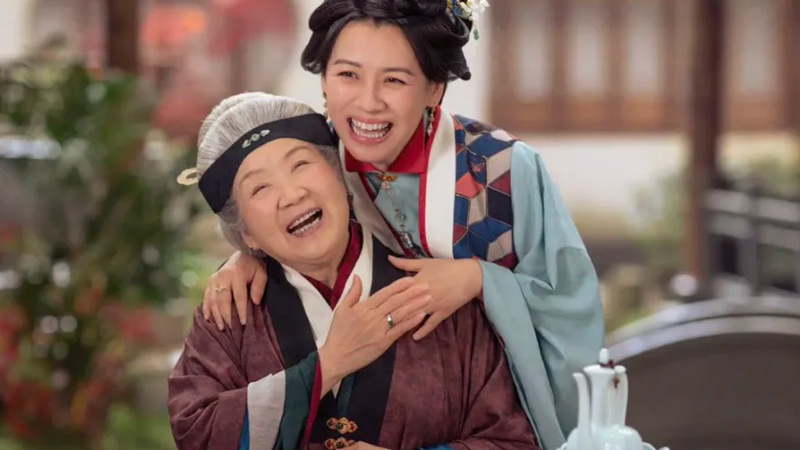
While the 1987 television adaptation of The Dream of Red Mansions (红楼梦) led many to associate the Shuitian Yi solely with Taoist nuns, this was a narrow view of its identity. Its origins were deeply spiritual, born from the humility of monastic life and the powerful, protective instincts of family. The garment began as a symbol of necessity and devotion, a physical item imbued with profound intangible meaning. It was this foundational significance that would later provide the emotional weight for its evolution into a high-fashion statement.
An Artistic Evolution
What began as a practice of pious economy underwent a dramatic transformation, particularly during the late Ming Dynasty. The garment was adopted by the scholar-official class, a development captured in paintings like The Lantern Fair (上元灯彩图), which depicts literati strolling through markets adorned in these distinctive, patchwork-style robes. This signaled a crucial shift: the Shuitian Yi had broken free from its purely functional or spiritual origins and had been embraced as a deliberate and sophisticated aesthetic choice by the intellectual elite.
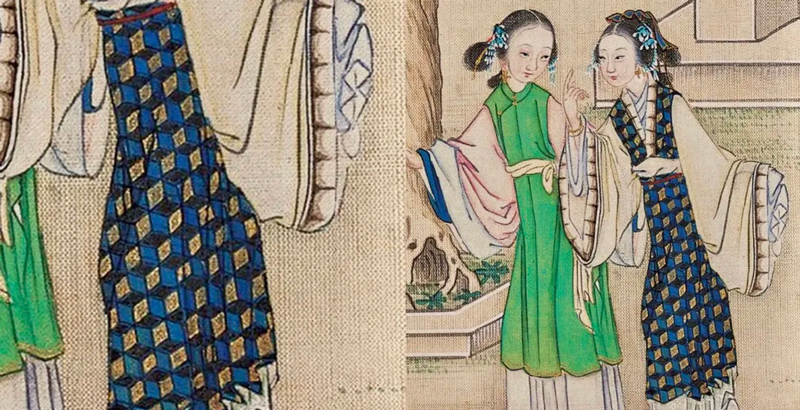
This new status as a fashion item sparked a wave of creative innovation. The pursuit of beauty drove wearers and makers to elevate the form far beyond simple patchwork. In the Qing Dynasty, artisans began embellishing the fabric patches with intricate embroidery of flowers and birds, adding a new layer of texture and artistry. The interplay between the geometric seams of the patches and the fluid lines of the needlework created a stunning visual depth. The garment was no longer just assembled; it was meticulously decorated.
The creativity did not stop there. The most avant-garde designers of the era even experimented with optical illusions, creating what could be considered period-specific 3D effects. They used two-dimensional painting techniques on the fabric to generate a sense of perspective and depth that fooled the eye. This level of sophistication required a rare combination of mathematical precision for the patchwork layout and artistic skill for the surface decoration, effectively transforming the humble patched coat into a wearable masterpiece.
A Lasting Legacy
The influence of this ancient art form is far from confined to history books. The core principle of the Shuitian Yi resonates powerfully with contemporary fashion. Modern designers frequently feature patchwork collections on international runways, celebrating the textural richness and unique character that comes from combining disparate materials. This ancient technique aligns perfectly with today's values of sustainability and individual expression, proving that great design is often timeless.
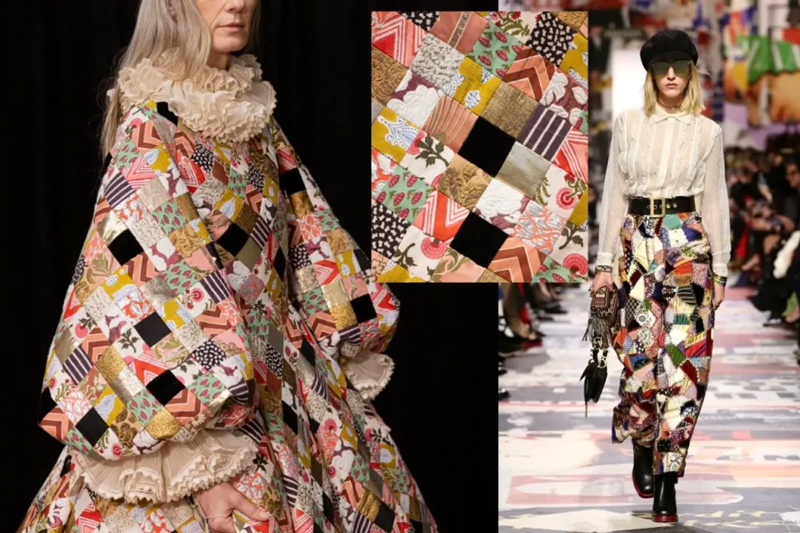
Beyond high fashion, the spirit of the Shuitian Yi lives on in the global community of quilters and textile artists. The craft of piecing together fabric scraps to create new, functional art for homes, such as quilts and wall hangings, is a direct descendant of this tradition. It is a testament to a deep-seated human impulse to avoid waste and find beauty in combination. This practice continues to connect people across cultures, just as the Baijia Yi once connected an entire community around a child.
From a monk's humble robe to a child's protective charm, and from a scholar's fashion statement to a modern symbol of eco-conscious design, the journey of patchwork clothing is a fascinating narrative of cultural adaptation. It shows how a simple concept can be continuously reimagined, carrying old meanings into new contexts. This enduring appeal, spanning from the Tang Dynasty to the present day, demonstrates that true style is not about the newness of the materials, but the creativity and story woven into them.