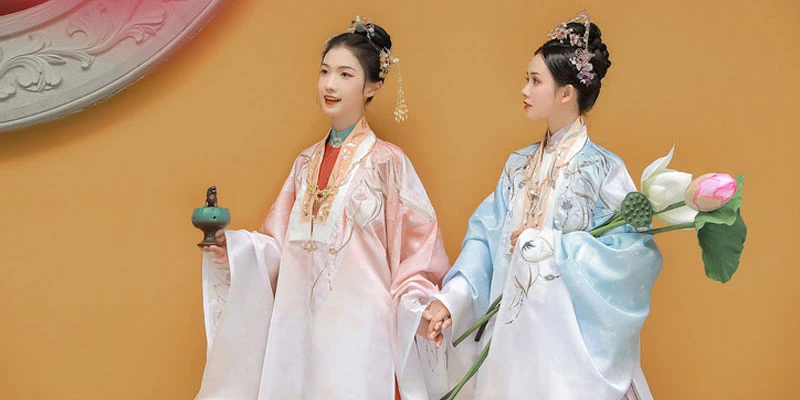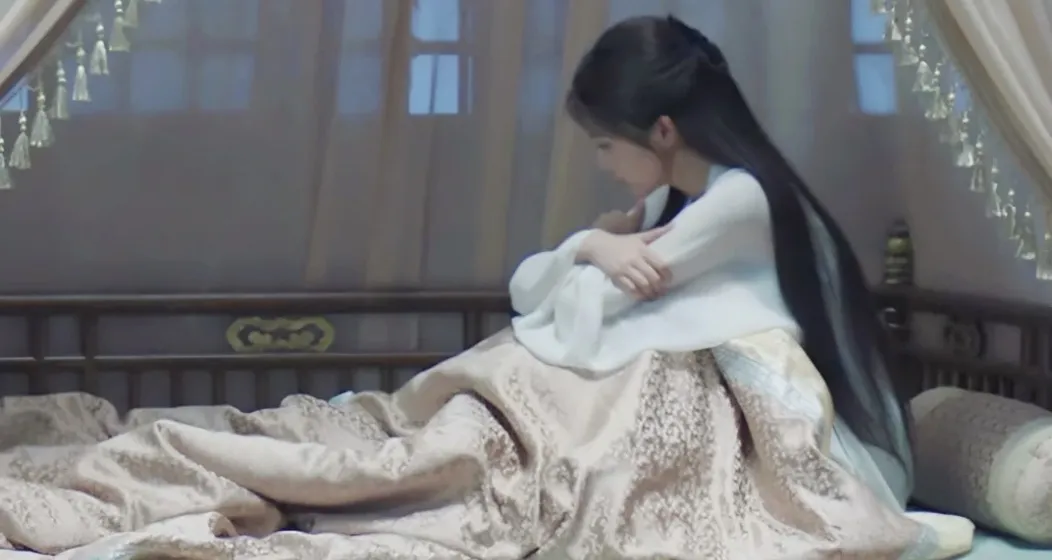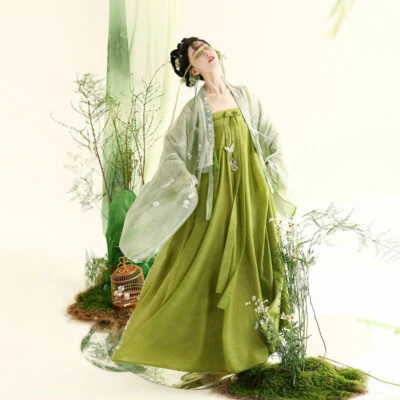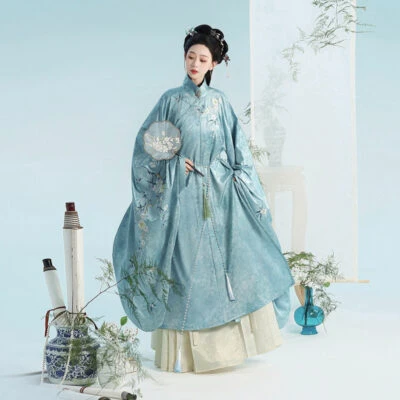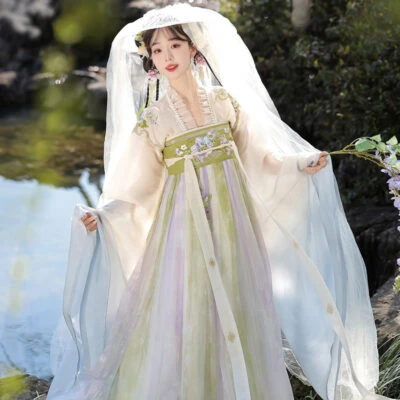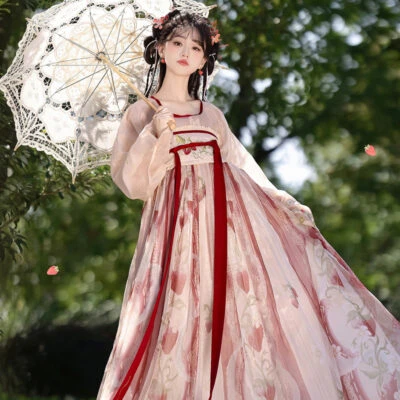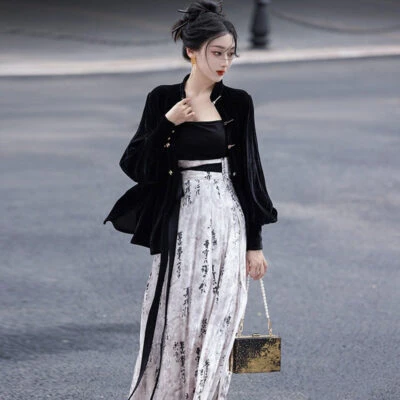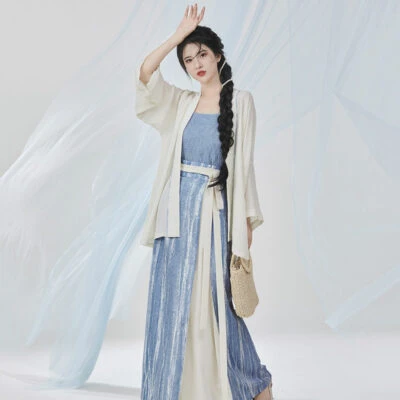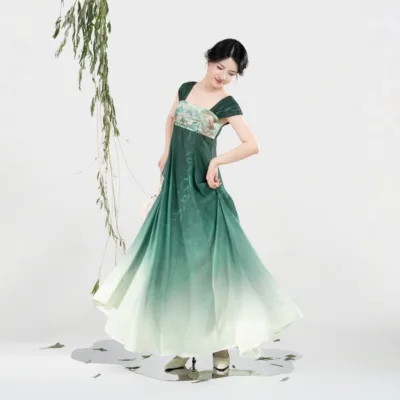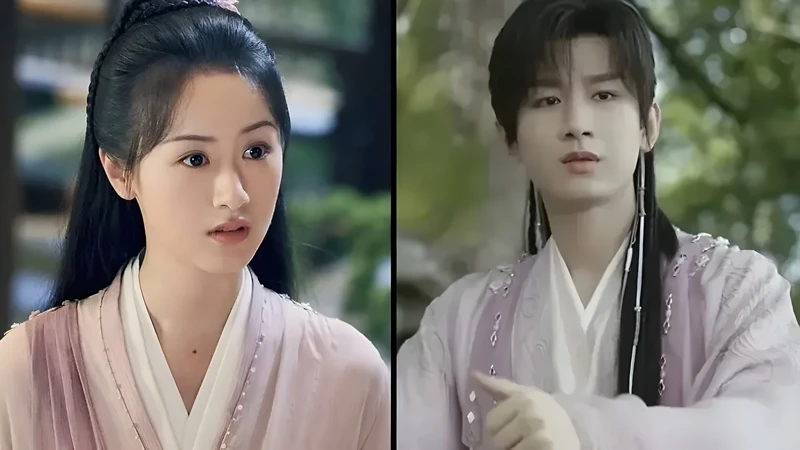
In recent years, viewers of Chinese historical television series have noticed a curious trend: the costumes worn by male characters increasingly resemble those designed for females, featuring slender cuts, pastel colors, and flowing fabrics that emphasize a delicate aesthetic. This shift raises questions about how gender is represented in period dramas and whether it reflects historical accuracy or modern creative liberties. While ancient China did have instances of unisex clothing, distinctions based on color, pattern, and occasion were strictly maintained after certain dynasties.
Today’s productions, especially fantasy genres like Xianxia immortal heroes dramas, often prioritize visual appeal over historical fidelity, leading to a blending of masculine and feminine elements. This article examines the historical context of gender-specific attire in China and explores how contemporary media influences perceptions, potentially shaping audience expectations and real-world fashion choices.
Historical Foundations
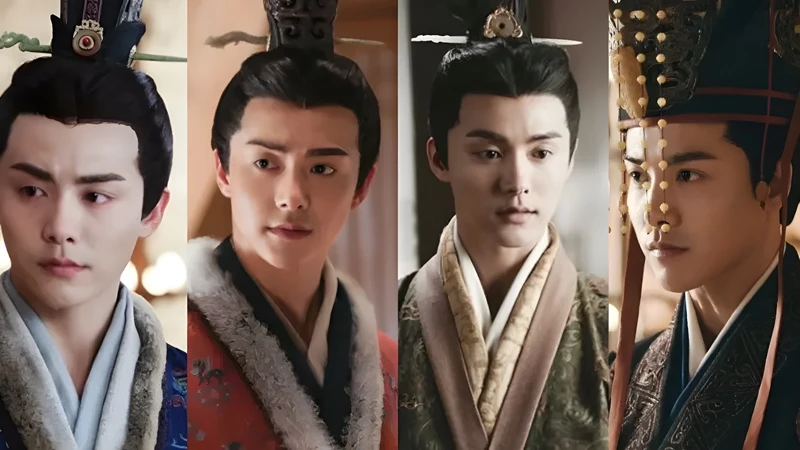
In early Chinese history, such as during the Qin and Han dynasties, clothing was often unisex, with both men and women wearing robe-like garments known as Paofu (袍服, robe clothing). For example, in dramas like The secret Dragon in the Abyss (三国机密之潜龙在渊), characters don straight or curved-hem robes, but differences emerged in details like embroidery and hues. Women’s attire featured brighter colors and intricate patterns, while men’s versions favored darker, subdued tones to convey authority and simplicity. This distinction was not just about fabric; accessories like hairpieces for women and caps for men reinforced gender roles, ensuring that even similar styles communicated social norms clearly and effectively.
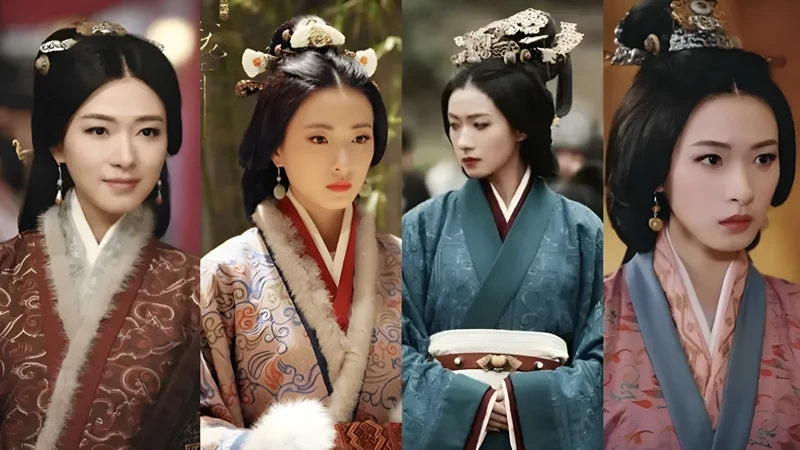
By the Tang dynasty, influenced by Central Asian cultures and rising female empowerment, clothing became more gender-specific. Men adopted round-collar robes, while women wore layered skirts and jackets. Historical records, such as accounts of Princess Taiping being chided for wearing male official robes, highlight that people of the time recognized clear divides in attire. This evolution shows that as society progressed, fashion served to underscore gender identities, with deviations often noted as exceptions rather than norms. The Tang period thus marked a turning point where visual cues in dress helped maintain cultural order and personal expression within defined boundaries.
In later eras like the Song and Ming dynasties, men typically wore long gowns for daily life, often with crossed collars and added features like protective linings, while women stuck to upper garments paired with skirts. Even in formal settings, such as imperial court robes, the basic structure of separate tops and bottoms persisted, though variations like round-collar ceremonial wear occasionally blurred lines. Patterns also differed: men’s clothes bore motifs like plum blossoms or bamboo, symbolizing scholarly virtues, whereas women’s designs included bats or pomegranates for blessings of fertility. These nuances ensured that attire remained a reliable indicator of gender, rooted in centuries of tradition.
Contemporary Expressions
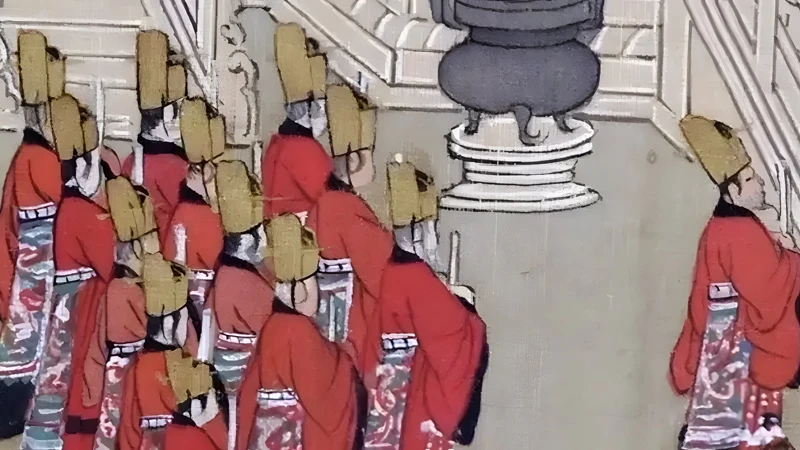
Modern historical dramas, particularly those set in fictional worlds, frequently abandon these distinctions in favor of androgynous designs that appeal to current beauty standards. Male costumes now emphasize slim silhouettes, narrow waists, and flowing elements that align with feminine ideals, using light palettes instead of the bold colors historically associated with masculinity. This approach, seen in popular series, prioritizes aesthetic innovation over educational accuracy, often reducing clothing to a visual tool for character appeal rather than cultural authenticity. As a result, audiences are exposed to a homogenized version of historical fashion that may distort their understanding of the past.
The impact extends beyond television into real-life trends, such as the wearing of Mamianqun (马面裙), a traditional garment. Historically, men’s versions were plain and functional, while women’s were ornate, but today, men often adopt female-style skirts influenced by media portrayals. This blurring reflects how visual media powerfully shapes public taste, potentially leading to a broader acceptance of gender-fluid fashion. However, it also raises concerns about the loss of historical nuance, as contemporary interpretations overshadow the rich symbolism once embedded in every stitch and pattern.
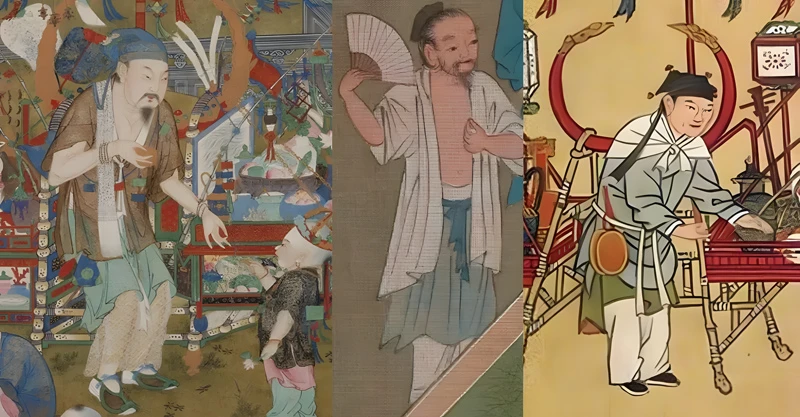
In the future, the trend poses questions about its effects on younger viewers, who might internalize these representations as normative. While creativity in costume design is valuable, a balance with historical education could help preserve cultural heritage without stifling artistry. By incorporating more research into productions, filmmakers can create attire that honors the past while engaging modern audiences, ensuring that gender distinctions in fashion are presented with context and care. This mindful approach would enrich storytelling and foster a deeper appreciation for China’s sartorial history.