
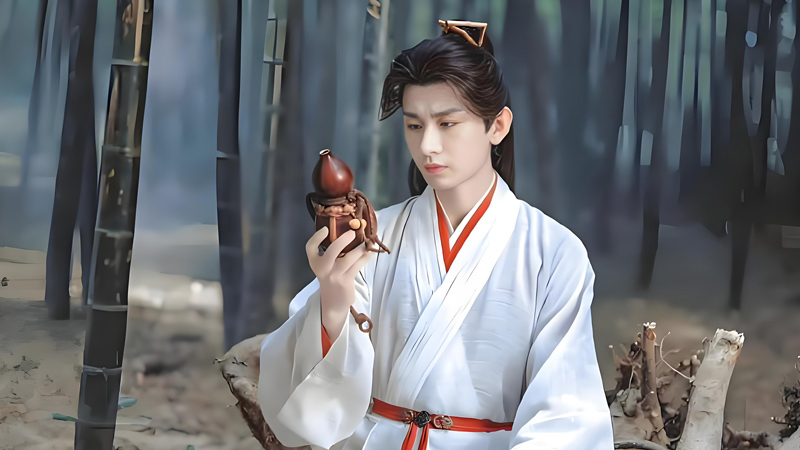
When a television series opens with a disillusioned modern writer suddenly thrust into the world of his own creation, expectations are immediately subverted. This is the premise of the new drama The Legend of Journey (赴山海), which has sparked intense debate since its debut.
At first glance, the combination of a 'book-transmigration' plot, a tech-based system, and the classic Wuxia genre seems like a chaotic mix. Yet, beneath what some dismiss as a gimmicky surface lies a thoughtful examination of a timeless question: what does it mean to be a hero in a world that prioritizes survival over chivalry? The series uses its unconventional framework not to mock tradition, but to ask if ancient virtues can withstand the pressures of contemporary life, making it far more than the sum of its seemingly disjointed parts.
A Hero for Today
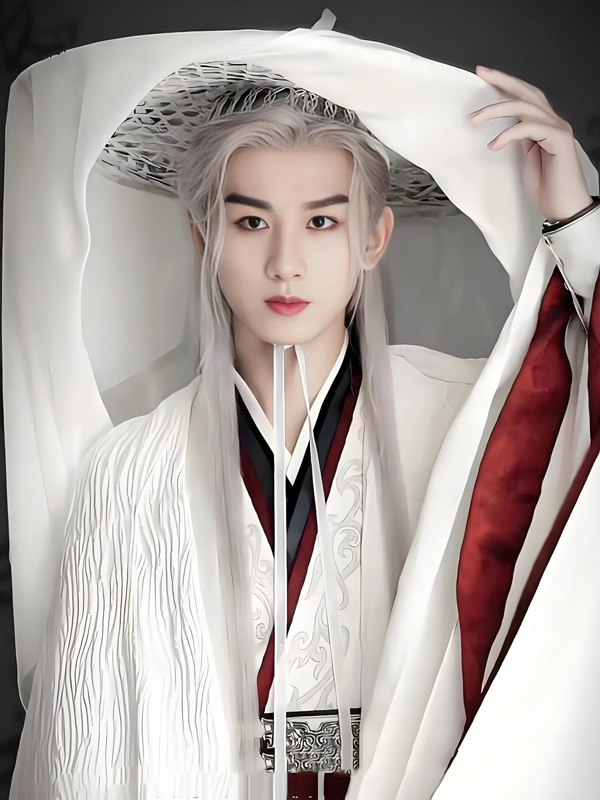
The protagonist, Xiao Mingming (肖明明), is a character countless viewers will recognize. He is a modern office worker, his dreams of grandeur flattened by the daily grind. When he finds himself inhabiting the body of the heroic Xiao Qiushui (萧秋水), he brings with him a modern cynicism and a desperate desire to avoid danger. This creates the central tension. The original Xiao Qiushui was meant to be a paragon of righteousness, but the new version is relatable precisely because of his fear and reluctance. He represents the part of us that questions whether sacrifice is worth it.
This narrative choice brilliantly reframes the essence of Wuxia. Instead of portraying unwavering bravery as a default trait, the series presents courage as a conscious, difficult choice. Xiao Mingming's journey is not about instantly becoming a master swordsman; it is about slowly rediscovering a sense of purpose he had lost in his modern life. The 'god's perspective' he possesses from having written the story often proves useless, forcing him to rely on genuine emotion and moral instinct. This struggle gives the classic hero's journey a fresh and deeply human weight.
The contrast is sharpened by the world around him. The drama paints a vivid picture of the Jianghu, a society governed by intricate codes of honor and brutal power struggles. For Xiao Mingming, this world is both terrifyingly real and strangely familiar. His attempts to navigate it with a modern, sometimes pragmatic mindset lead to unexpected consequences, humor, and genuine pathos. It is through this collision of values that the show explores its core theme: the enduring, if complicated, relevance of honor and justice.
The Actor's Triumph
A significant portion of the series' success rests on the shoulders of actor Cheng Yi (成毅), who delivers a performance of remarkable range. Portraying three distinct characters—the weary Xiao Mingming, the idealistic Xiao Qiushui, and the formidable antagonist Li Chenzhou (李沉舟)—is a formidable challenge that he meets with stunning clarity. The shifts are seamless; a change in posture, a flicker in the eyes, and a completely different person emerges on screen. This technical prowess prevents the complex premise from becoming confusing, allowing the audience to always know which character is driving the scene.
His portrayal of Xiao Qiushui is particularly nuanced. This is not a flawless hero from legend, but a young man grappling with a destiny he did not choose. Cheng Yi captures the character's internal conflict, blending youthful impulsiveness with a growing sense of responsibility. Conversely, his Li Chenzhou is a chilling study in ambition. He embodies a philosophy where the end always justifies the means, making him a compelling and ominously relevant villain for a competitive world.
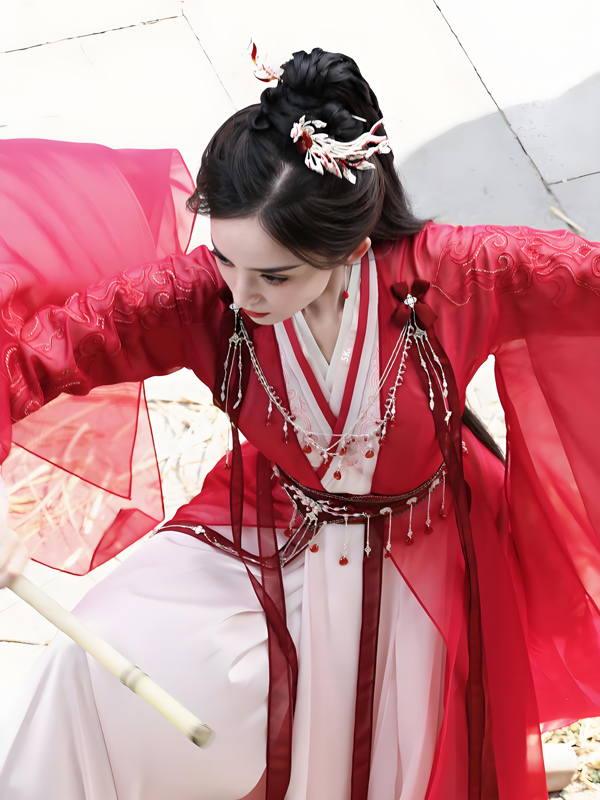
The supporting cast provides a strong foundation. Gulnazar brings a captivating presence to Xiao Xueyu (萧雪鱼), a character who defies simple categorization. She is both graceful and deadly, her initial aloofness gradually giving way to reveal deep loyalty and strength. The chemistry between the characters feels authentic, grounding the high-concept plot in believable relationships. The action choreography further enhances these performances, blending traditional martial arts with dynamic, modern flair that feels inventive rather than disrespectful.
Substance Behind the Style
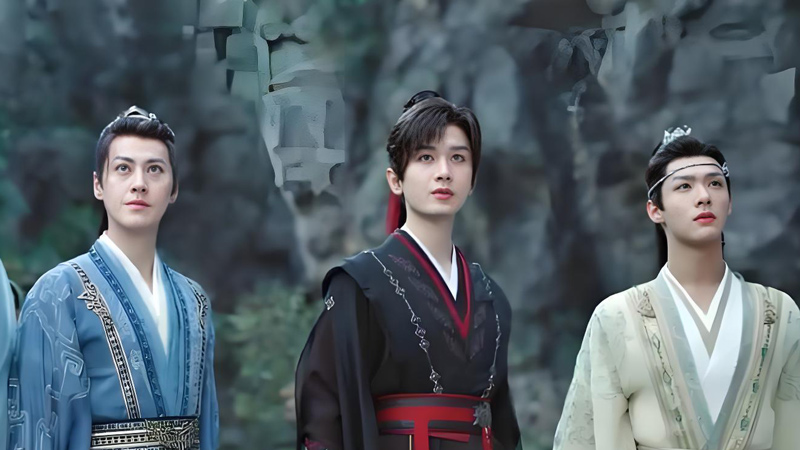
It would be easy to assume that a series with a reported massive budget prioritizes style over substance. The Legend of Journey, however, strives for a harmonious balance. The visual presentation is undeniably impressive. The production team has painstakingly recreated a historical setting, paying close attention to details like authentic Sunmao (榫卯) architecture and traditionally crafted weaponry. This commitment to visual authenticity immerses the viewer fully in the world, making the Jianghu feel tangible and lived-in.
But the true strength of the production lies in how these elements serve the story. The grandeur of the settings underscores the scale of the protagonist's journey, while the intricate design of the weapons reflects the craftsmanship and deadly seriousness of the martial arts world. The plot itself is layered with suspense, introducing mysteries like an English-inscribed sword and the possibility of other “transmigrators” that suggest a larger, more complex narrative at play. These are not mere distractions but carefully planted seeds for future development.
Ultimately, the series earns its emotional payoff. The central conflict between Li Chenzhou's ruthless pragmatism and Xiao Qiushui's fledgling idealism is a timeless one. By framing it through a modern lens, the show asks its audience to consider the value of holding onto principles in a world that often rewards the opposite. The conclusion is not a simple victory of good over evil, but a hard-won affirmation that the choice to fight for what is right has meaning in any era. This thoughtful core is what transforms the series from a visual spectacle into a memorable story.
