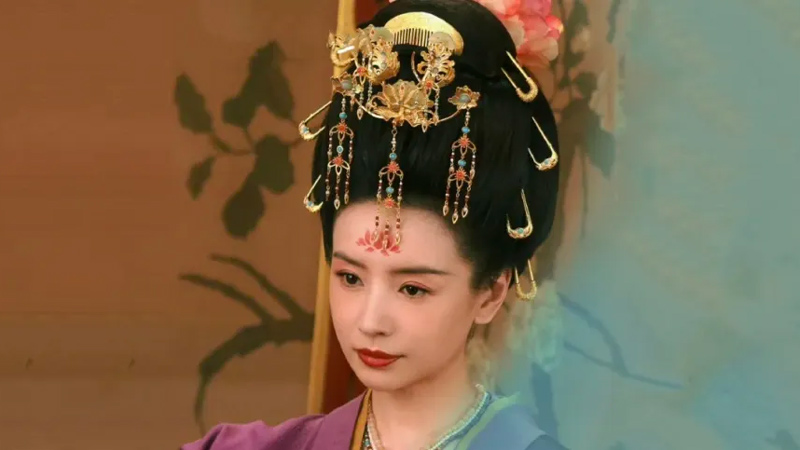
In a recent television series, actress Dong Jie (董洁) sparked curiosity with her striking hairstyle, adorned with oversized U-shaped hairpins that echo ancient traditions. This visual choice isn't just a random aesthetic; it taps into a rich history of hair accessories from dynasties like Wei, Jin, Tang, and Song. As viewers marvel at how these simple pins transform her look, they uncover a narrative where functionality meets artistry. This article delves into the evolution of these hairpins, their cultural roots, and how they bridge past and present in modern storytelling.
Ancient Origins
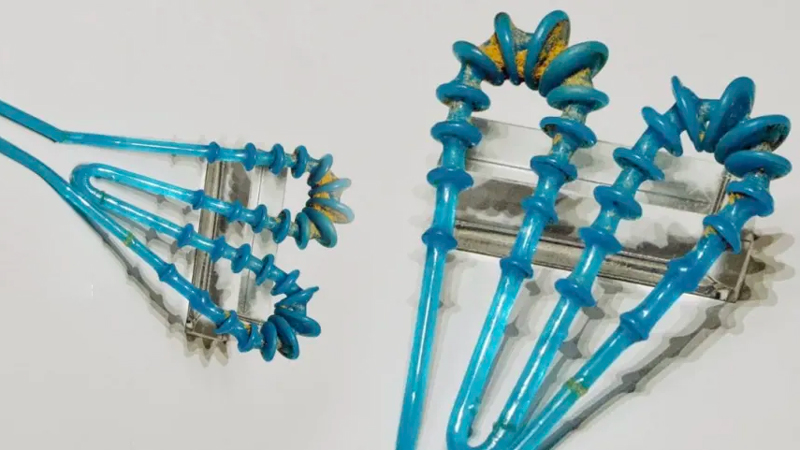
Long before modern beauty tools, ancient China developed the Zhegu Chai (折股钗), a hairpin resembling today's U-pins. Used from the Wei-Jin periods through the Tang and Song dynasties, it served to secure buns and style hair. The term "Zhegu" refers to its prongs—single for a hairpin, double for a Chai, akin to a fork. Early versions were crafted from bone or jade, but as metalworking advanced, gold, silver, and copper became common. These initial designs were minimalist, with smooth surfaces and no elaborate decorations, prioritizing practicality over ornamentation.
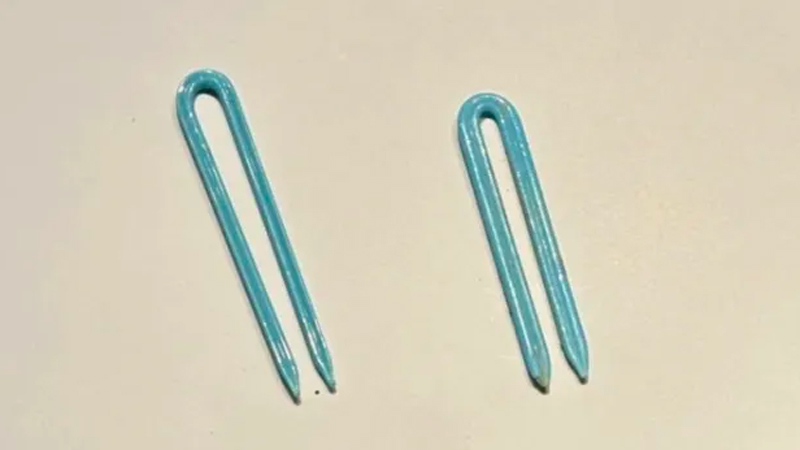
Over time, the Zhegu Chai evolved to include intricate patterns and three-dimensional shapes. Artisans employed techniques like Leisi (累丝), where fine metal wires were woven together, and some pieces featured embedded gems. Despite their simplicity, these hairpins exuded elegance. For instance, the Zhujie Chai (竹节钗), or Bamboo Joint Hairpin, gained popularity in the Song Dynasty for its segmented design that added subtle texture without overwhelming the wearer's appearance.
Ways of wearing these pins varied widely. They could be used singly for accent or arranged in symmetrical rows to create layered, dynamic hairstyles. In the late Tang painting Adorning Hair with Flowers, noblewomen are depicted with multiple Zhegu Chai aligned neatly, demonstrating how even basic accessories enhanced facial contours and overall grace. This versatility allowed them to adapt to formal and casual settings, proving that ancient fashion was both innovative and personalized.
Styling Evolution
As dynasties shifted, so did the designs of these hairpins. In the Tang era, the Zhegu Chai often featured decorative heads, such as Huadian (花钿), or floral ornaments, turning them into statement pieces. In the drama Flourished Peony (国色芳华), actress Yang Zi (杨紫) wears a version that mimics U-pins but includes delicate Huadian details, showcasing how historical accuracy blends with creative flair. These additions made each pin unique, moving beyond mere utility to become symbols of status and taste.
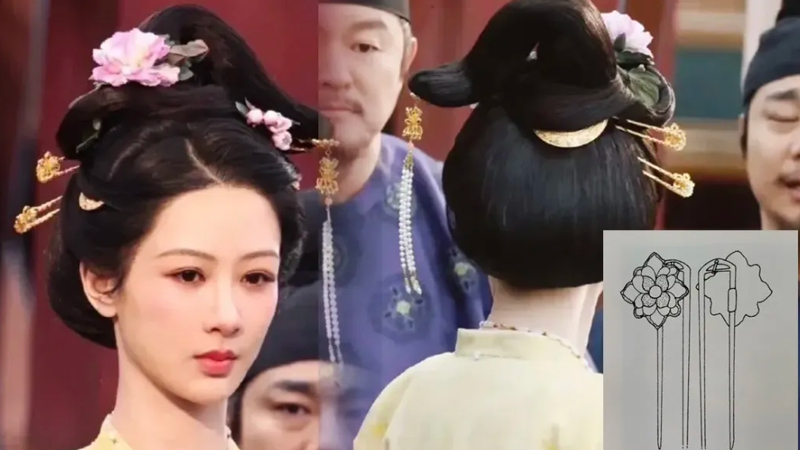
The pins weren't limited to straight forms; some had curved prongs or carved, three-dimensional elements that added depth. Innovations like the Linked Two-Style Zhegu Chai split the head into dual sections, offering more complex visual effects. This diversity highlights how ancient artisans valued both form and function, ensuring that every piece could complement different hair types and occasions.
In contemporary media, these ancient styles are reimagined to resonate with modern audiences. Dong Jie's use of U-pins in her role not only honors historical practices but also makes them accessible today. By studying artifacts and texts, stylists recreate looks that feel authentic yet fresh, proving that old-world charm can enhance modern narratives without feeling outdated or superficial.
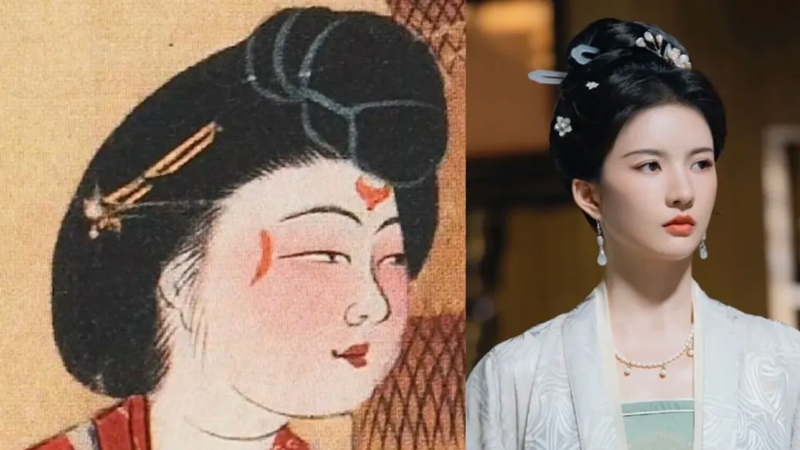
Ultimately, the journey of the Zhegu Chai from ancient courts to today's screens reminds us that beauty tools are timeless. They reflect human ingenuity in blending art with everyday life, inviting us to appreciate the subtle ways history influences our present choices. As we see these pins in dramas, they spark a deeper connection to cultural stories, encouraging viewers to explore the craftsmanship behind each piece.