
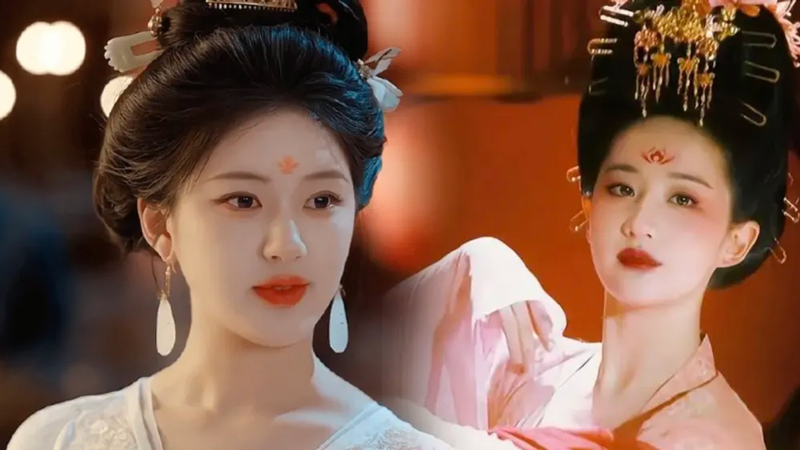
In a world where bold, full lips often dominate beauty trends, the ancient Chinese approach to lipstick offers a surprising contrast. For centuries, Chinese cosmetics emphasized subtlety and precision, with lip colors designed to enhance natural features rather than overwhelm them. This philosophy dates back over two millennia, evolving through dynasties like the Tang, where lipstick became both an art form and a cultural symbol. Unlike Western styles that prioritize volume, Chinese traditions focused on delicate shapes and a rich palette of hues, each with its own story. From romantic exchanges in classical literature to economic insights, lipstick in China has always been more than mere decoration—it's a window into societal values and personal expression.
Ancient Beginnings
The origins of Chinese lipstick trace to the Warring States period, where early forms were derived from natural sources. Yan Zhi (燕支), as it was known, started as a plant-based product made from the juice of red and blue flowers, often mixed into pastes. Historical texts like Essential Techniques for the Welfare of the People (齐民要术) detail recipes blending ingredients such as cloves and animal fats with pigments like cinnabar. This innovative use of organic materials allowed for versatile applications, where the same substance could tint lips and cheeks alike. By the Tang Dynasty, these methods had refined, shifting toward safer plant dyes and solidifying lipstick's role in daily life.
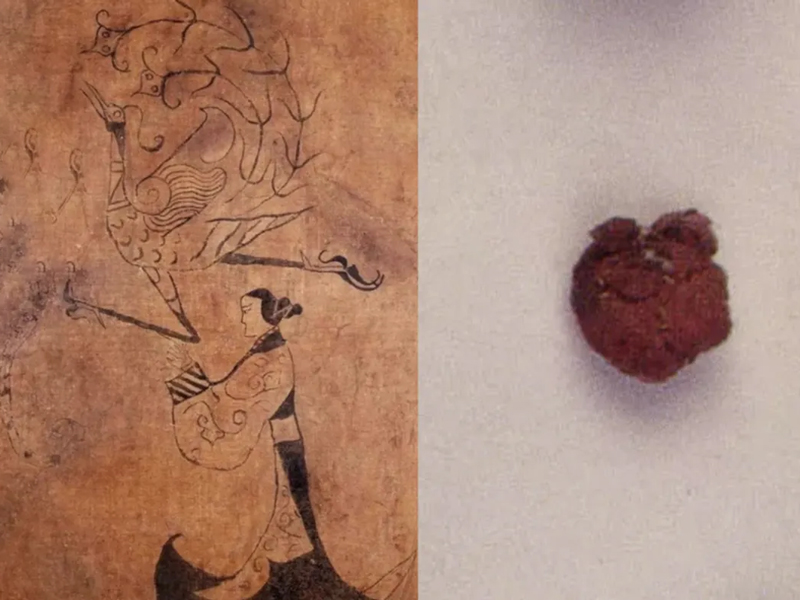
Lipstick's cultural significance grew as it appeared in artworks and records, such as the Figure of Dragon and Phoenix (人物龙凤图) painting, showcasing its early popularity. It wasn't just a beauty product; it served as a token in social interactions, exemplified in tales like The Tale of Yingying (莺莺传), where it symbolized affection and connection. The evolution from simple pastes to more complex formulations mirrored advancements in technology and trade, incorporating elements from various regions. This period laid the groundwork for lipstick's enduring appeal, blending practicality with artistic expression in ways that resonated across classes.
As techniques spread, lipstick became accessible to many, not just the elite. Its production involved community efforts, with families sharing recipes passed down through generations. The focus on natural ingredients meant that colors could vary widely, from light pinks to deep reds, each batch unique. This diversity allowed individuals to customize their looks, reflecting personal tastes and seasonal trends. Over time, lipstick's role expanded beyond aesthetics, intertwining with rituals and ceremonies that highlighted its importance in marking life's milestones.
Tang Refinements
During the Tang Dynasty, lipstick craftsmanship reached new heights, driven by economic prosperity and cultural exchange. Innovations in dye extraction led to brighter, longer-lasting colors, while shapes like the butterfly lip—a delicate M-shaped outline—gained popularity for their flattering effect. Zhu Sha (朱砂), or cinnabar, was gradually replaced by plant-based alternatives, making lipsticks safer and more sustainable. This era saw lipstick become a staple in women's routines, often mentioned in poetry and diaries as a key element of self-presentation and confidence.
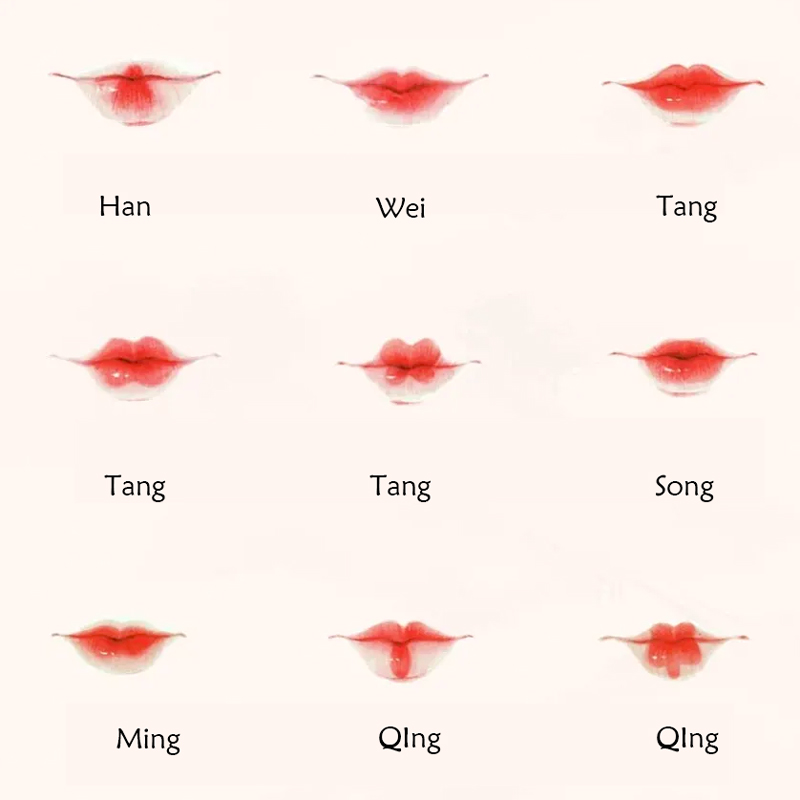
The social context of the Tang period encouraged experimentation, with lipstick styles varying by occasion and status. In urban centers, women might use multiple shades in a single day, switching from pale tones for casual outings to vibrant reds for evening events. Literary works, including The Tale of Yingying, depict lipstick as a gift in romantic pursuits, underscoring its emotional weight. This personalization extended to how it was applied; rather than covering the entire lip, techniques focused on accentuating the cupid's bow or creating illusion of fuller, yet balanced, lips.
Economic factors also played a role, as the "lipstick effect"—where sales of such indulgences rise during downturns—hinted at its psychological comfort. In times of uncertainty, a simple lip color could uplift spirits, demonstrating how beauty rituals provided stability. The Tang Dynasty's open-minded atmosphere fostered a culture where cosmetics were not just about appearance but about asserting identity and joy in everyday life.
Color and Shape
Chinese lipstick colors were celebrated for their poetic names and subtle variations, each evoking specific moods or attributes. Shades like Zhu Chun (朱唇) represented a bright red for fair skin, while Tan Kou (檀口) offered a softer pink for understated elegance. These hues were part of a broader color spectrum that included deep crimsons and even dark tones inspired by cultural blends, allowing wearers to express individuality through careful selection.
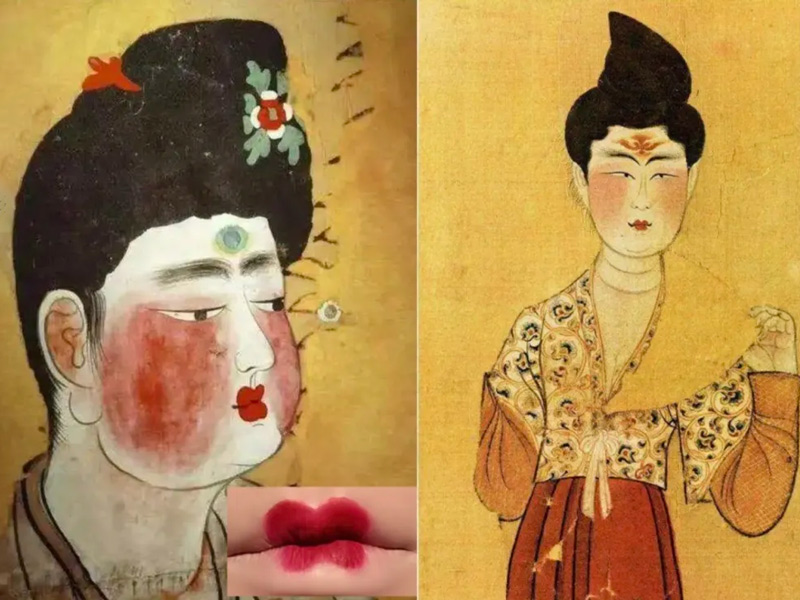
Lip shapes were equally important, designed to complement facial features without appearing overly dramatic. The butterfly lip, for instance, used precise lines to create a winged effect that enhanced the mouth's natural curve. Other styles involved outlining just the center or using gradients to achieve a rounded, petite look. This attention to detail meant that lipstick application was an art in itself, requiring skill and an understanding of proportion to achieve harmony with the rest of the makeup.
Today, these historical influences can be seen in modern beauty trends that value minimalism and custom shades. The legacy of ancient Chinese lipstick reminds us that cosmetics are deeply tied to culture and emotion, offering lessons in sustainability and self-expression. By looking back, we gain inspiration for creating looks that are both timeless and uniquely personal, proving that sometimes, the smallest details make the biggest impact.
