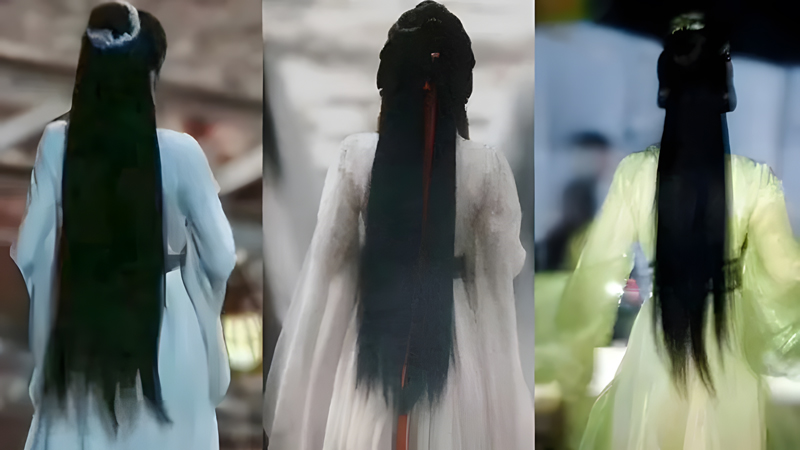
Why do so many historical dramas get the hairstyles completely wrong? Viewers often see characters with long, flowing locks in settings where this would have been historically inaccurate. From palace halls to battlefields, loose hair dominates the screen, creating a visually striking but historically questionable aesthetic. This stylistic choice raises questions about the balance between creative freedom and cultural authenticity in period storytelling.
Hair and Adulthood
In traditional Chinese society, hair management marked the transition to adulthood. When young men reached twenty years, they participated in the Guan Li (冠礼), a ceremony where they received their first adult hairpiece. Women underwent a similar ritual called the Ji Li (笄礼) at fifteen. During this ceremony, family members would gather to twist her hair into a mature style secured with hairpins. This transformation signaled her readiness for marriage and adult responsibilities.
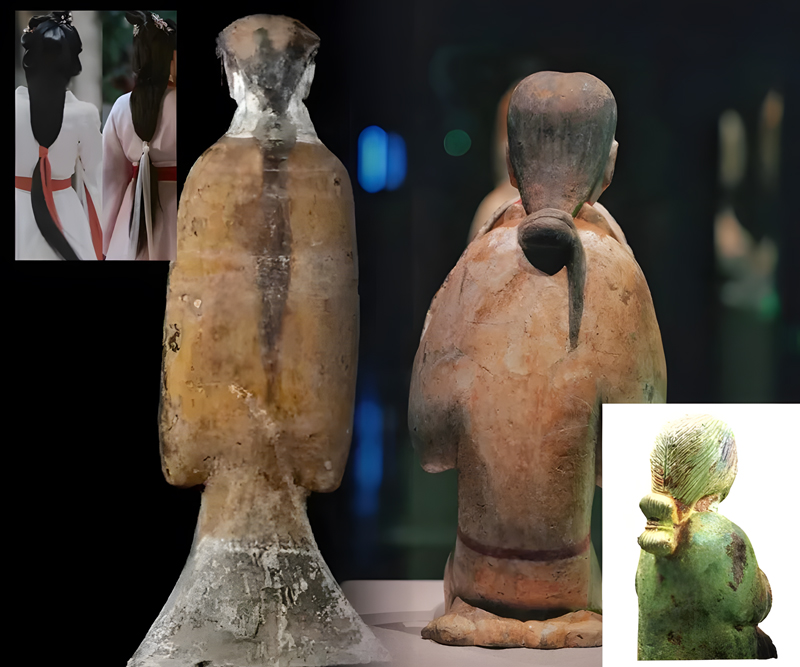
These ceremonies carried deep social meaning. A person's hairstyle communicated their understanding of social order and personal discipline. The famous saying from The Analects about being "left with disheveled hair and folded garments" illustrated how hairstyles distinguished civilized society from what was perceived as barbaric cultures. Maintaining proper hair arrangements demonstrated respect for the community's values.
Contrary to what many television shows suggest, marriage wasn't the dividing line for wearing tied hair. The change happened much earlier, at the coming-of-age ceremonies. Historical records indicate that after these rituals, appearing in public with loose hair would have been considered shameful. It represented a rejection of social norms and could damage a family's reputation.
Childhood Styles
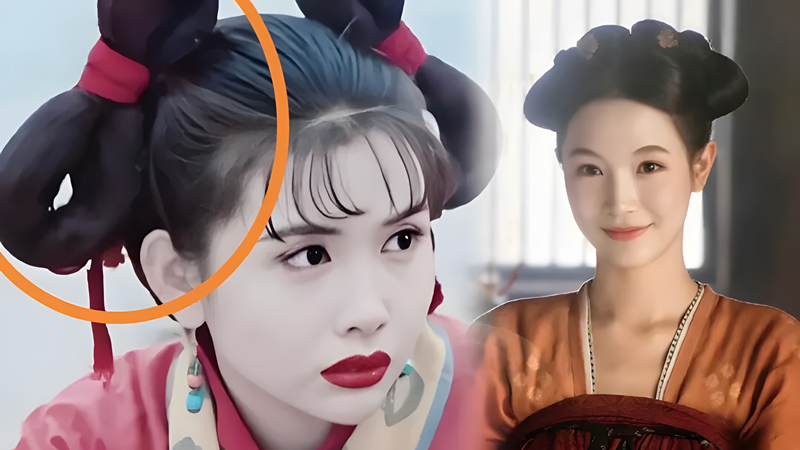
Before reaching adulthood, children wore distinctive hairstyles that reflected their youth. Young girls often wore their hair in twin buns positioned at the sides of the head, creating the appearance that inspired the enduring nickname Ya Tou (丫头). These styles allowed some hair to flow freely while keeping most secured, balancing practicality with the visual representation of childhood innocence.
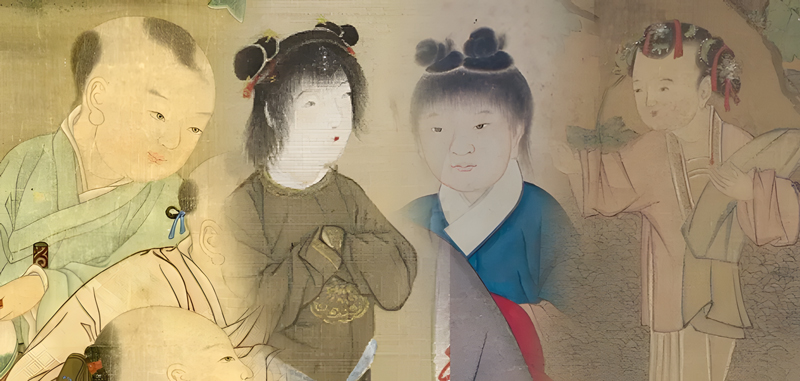
Boys similarly wore their hair in small topknots or partially tied styles until their coming-of-age ceremony. The term Chui Tiao (垂髫) specifically described the hanging hair portions of these childhood arrangements. These styles evolved as children grew, with hair gradually being incorporated into more structured forms as they approached adulthood.
Some historical periods, particularly the free-spirited Wei Jin (魏晋) era, did see intellectuals occasionally wearing loose hair during private gatherings. However, these were deliberate acts of rebellion against formal constraints rather than common practice. Even during such culturally flexible periods, public appearances still required properly arranged hair according to social station and occasion.
Creative Possibilities
Historical hairstyles offered remarkable variety that television productions often overlook. The Huan Ji (环髻), featuring artfully arranged loops and curves, created playful elegance without appearing childish. Similarly, spiral-shaped buns known as Luo Ji (螺髻) provided sophisticated styling options for mature female characters. These styles demonstrate that traditional hair arrangements weren't necessarily dull or aging.
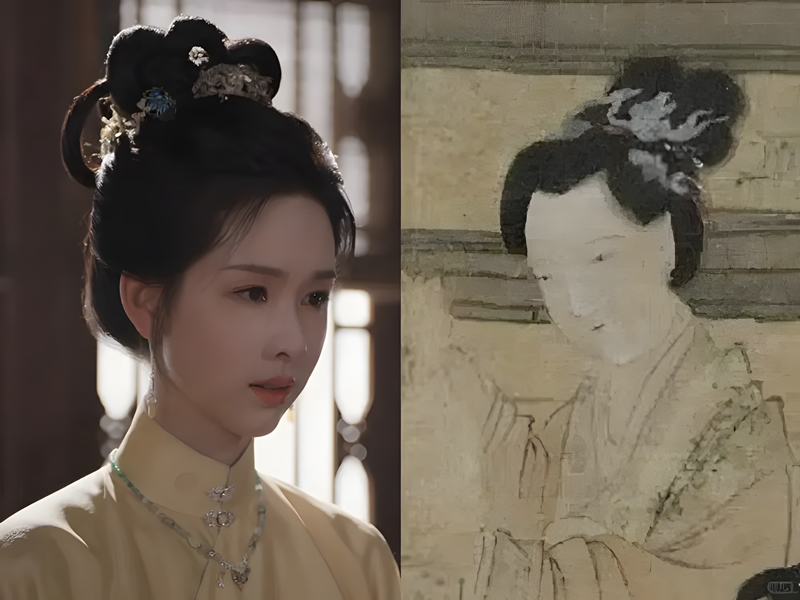
Different hair arrangements marked various life stages with subtle visual cues. As girls matured, their hairstyles gradually shifted upward from the sides of the head to the crown. The height, positioning, and complexity of these styles communicated age, social status, and even personal taste. Historical paintings show women wearing everything from simple twisted knots to elaborate structured creations incorporating accessories.
Television costume designers have abundant inspiration available in historical records and artworks. Instead of defaulting to loose hair for visual convenience, they might explore the rich vocabulary of traditional hairstyling. These authentic styles could enhance character development while respecting cultural heritage, creating productions that are both visually compelling and historically informed.