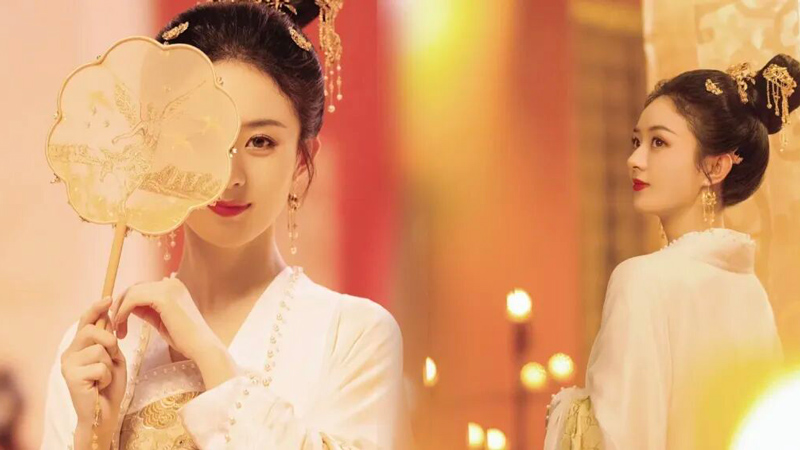
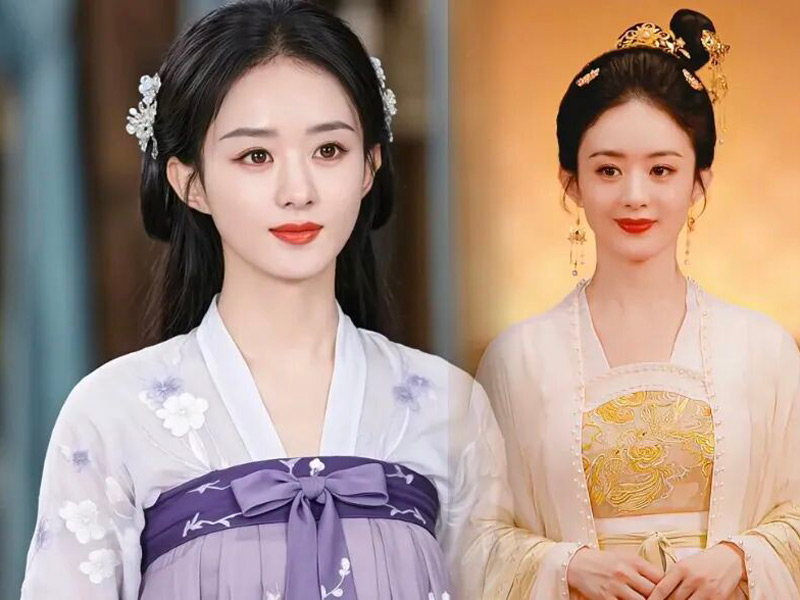
When Zhao Liying (赵丽颖) shared her recent photoshoot, fans were captivated by a dress that seemed to step out of ancient China. This garment, featuring an outer chest wrap and flowing sleeves, has ignited discussions about its place in history. Often called the Hezi (诃子) skirt today, it blends elegance with mystery, raising questions about its authenticity. As viewers admire its beauty, they wonder if such attire truly existed in the past or if it is a modern reinvention. This article explores the story behind this style, from its debated origins to its role in contemporary fashion, offering insights into how we connect with history through clothing.
What is Hezi?
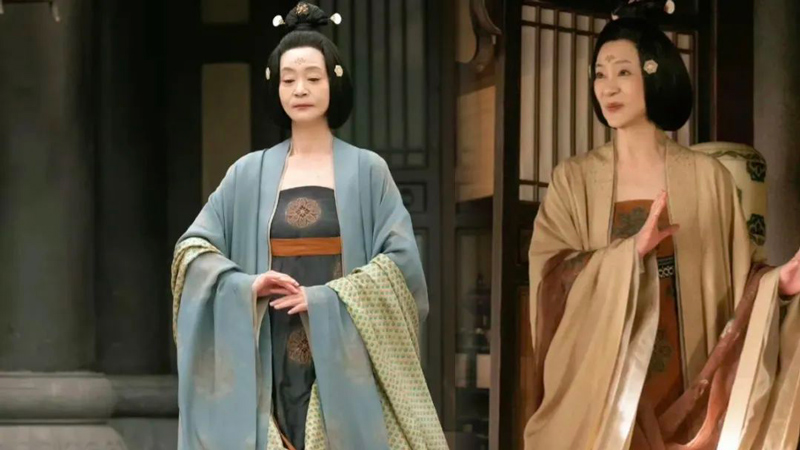
The term Hezi refers to a type of chest wrap that forms part of a skirt ensemble, commonly seen in historical-inspired outfits. In modern Hanfu circles, it describes a dress where the chest piece is worn over an inner layer, creating a distinctive look. This design gained popularity through media portrayals, especially in period dramas, where it symbolizes Tang Dynasty aesthetics. However, the name itself is a recent creation, not found in ancient texts, which adds to the confusion. People often associate it with grace and tradition, yet its definition remains fluid, evolving with fashion trends.
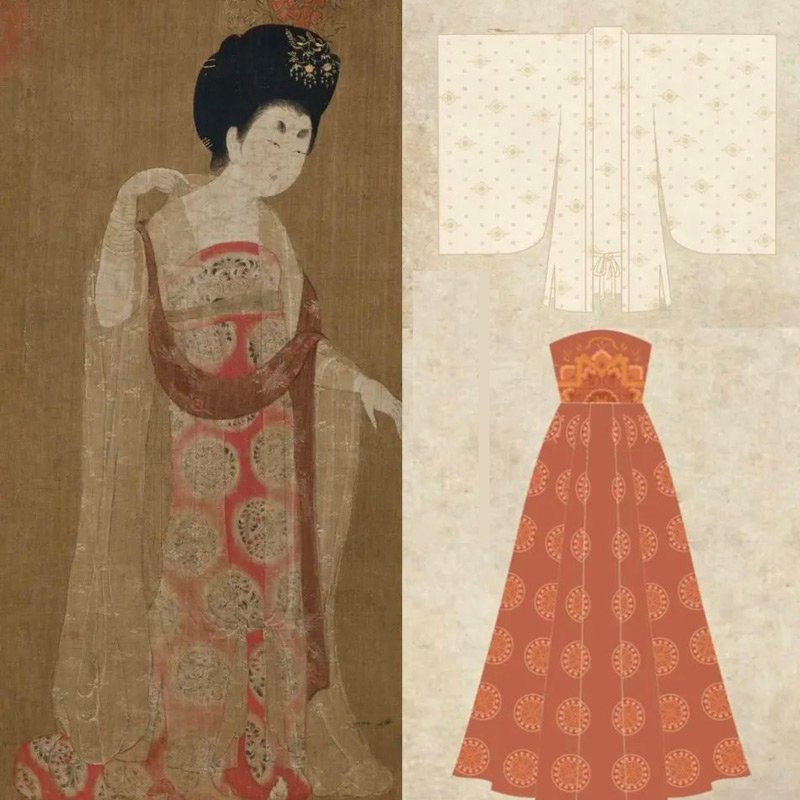
In Zhao Liying's photos, the Hezi skirt includes a separate chest wrap paired with a long gown and oversized sleeves. This configuration mimics styles from artworks like the famous painting Court Ladies Adorning Their Hair with Flowers (簪花仕女图), where women wear similar attire. Today, enthusiasts replicate this using two main approaches: one where the Hezi is a detachable accessory over a dress, and another where it is integrated into a single garment. Both versions aim to capture an ancient feel, though they prioritize visual appeal over historical precision. This flexibility allows wearers to express individuality while nodding to the past.
Despite its modern label, the Hezi concept draws from older ideas of inner wear, such as the Moxiong (抹胸), which was a common undergarment in historical China. These elements highlight how fashion adapts over time, blending old and new. As more people embrace Hanfu culture, the Hezi skirt serves as a gateway to discussing broader themes of identity and heritage. It is not just a piece of clothing but a conversation starter about what we value in historical representation.
Historical Roots
Delving into the past, the Hezi skirt's origins are shrouded in uncertainty due to a lack of physical evidence. No archaeological finds directly confirm its existence, leaving scholars to rely on literary hints and artistic depictions. For instance, the painting Court Ladies Adorning Their Hair with Flowers by Zhou Fang (周昉) is often cited, showing women in draped garments that resemble the Hezi style. However, this work likely dates to the Five Dynasties period, not the Tang Dynasty as commonly assumed, which complicates its use as a reference for Tang Dynasty fashion.
Textual records provide some clues, such as mentions in Song Dynasty texts where "Hezi" appears as a type of inner wear. One account describes it as a wrap worn from back to front, used for modesty or adornment. These descriptions align with later interpretations but lack detailed illustrations, making it hard to verify accuracy. Over centuries, the term evolved, and by the Ming Dynasty, it was linked to items like the Lanqun (襕裙), a skirt with similar features. This historical trail shows how concepts morph, influenced by cultural shifts and artistic license.
Artifacts like pottery figurines and paintings offer visual aids but come with limitations, as they often idealize rather than document reality. Without surviving garments, the Hezi skirt remains a reconstruction based on interpretation. This gap between art and artifact underscores the challenges in preserving fashion history. It reminds us that what we see in museums or media might be inspired guesses, not exact replicas, encouraging a more critical view of historical claims.
Modern Revival
In today's fashion scene, the Hezi skirt has found a niche among Hanfu enthusiasts and designers who value its aesthetic appeal. It appears in cultural events, photoshoots, and even daily wear, symbolizing a blend of tradition and creativity. For example, Zhao Liying's portrayal uses vibrant colors and luxurious fabrics to evoke a sense of grandeur, appealing to modern tastes while referencing ancient themes. This revival is part of a larger movement to reconnect with Chinese heritage, where clothing becomes a medium for storytelling and self-expression.
However, this popularity comes with debates about authenticity. Purists argue that without solid historical proof, the Hezi skirt should not be promoted as traditional Hanfu. Instead, they see it as a creative adaptation, better suited for artistic expression than cultural education. On the other hand, supporters believe that such innovations keep traditions alive, allowing new generations to engage with history in relatable ways. This tension highlights a broader discussion in fashion: how to balance respect for the past with the need for evolution.
Looking ahead, the Hezi skirt's journey reflects how cultural elements can transform over time. It encourages wearers to explore history critically, asking questions rather than accepting narratives at face value. As more people join the conversation, whether through social media or community events, this dress style continues to inspire curiosity and connection. Ultimately, it is a testament to the enduring power of fashion to bridge eras, inviting everyone to ponder what authenticity means in a modern world.