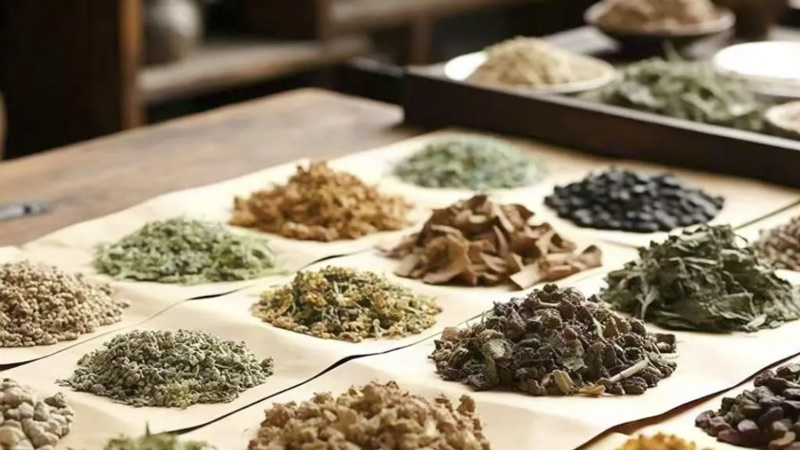
In an era where self-care and mindfulness dominate lifestyle trends, traditional Chinese herbs are shedding their image as mere medicinal ingredients. They are now stepping into the spotlight as central elements in do-it-yourself projects that merge nature, art, and personal well-being. This movement goes beyond simple crafting; it represents a creative fusion where ancient botanical wisdom meets contemporary design. People are discovering that herbs like Bajiao (八角) and Hongdou (红豆) can be transformed into beautiful, functional items for everyday use. By engaging in these hands-on activities, individuals connect with nature in a tactile way, turning health rituals into expressive, sensory experiences. This approach not only promotes relaxation but also invites a deeper appreciation for the textures and scents of natural materials, making wellness an integral part of daily life without the need for complex routines.
Herbal Jewelry
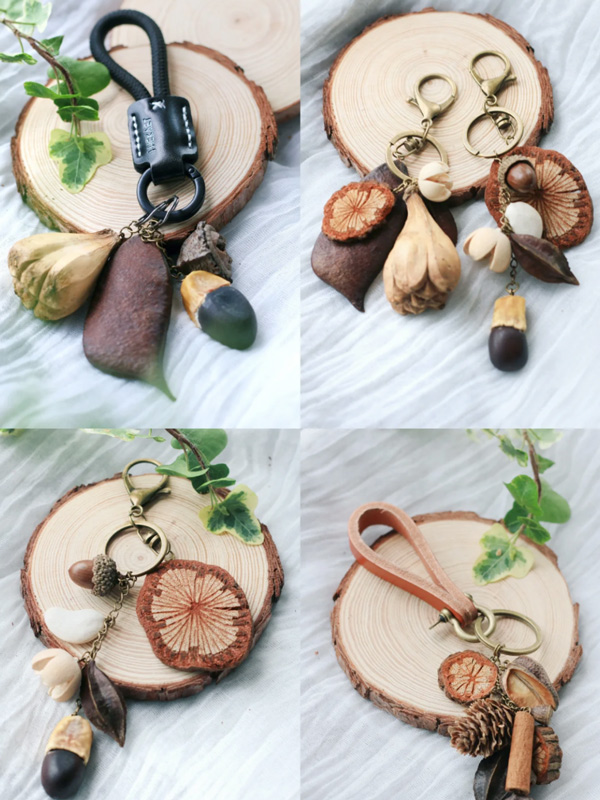
Imagine carrying the essence of a lush garden with you wherever you go. Herbal jewelry makes this possible by incorporating dried Chinese herbs into accessories like necklaces, bracelets, and earrings. For instance, the star-shaped Bajiao adds a geometric touch, while the vibrant red Hongdou serves as a natural bead. These pieces are often combined with simple materials such as hemp cord or wooden beads, resulting in earthy, bohemian-style adornments. Each item acts as a portable, miniature landscape that sways with movement, releasing subtle herbal aromas throughout the day. This not only enhances personal style but also provides a constant, gentle aromatherapy session, blending fashion with function in a uniquely organic way.
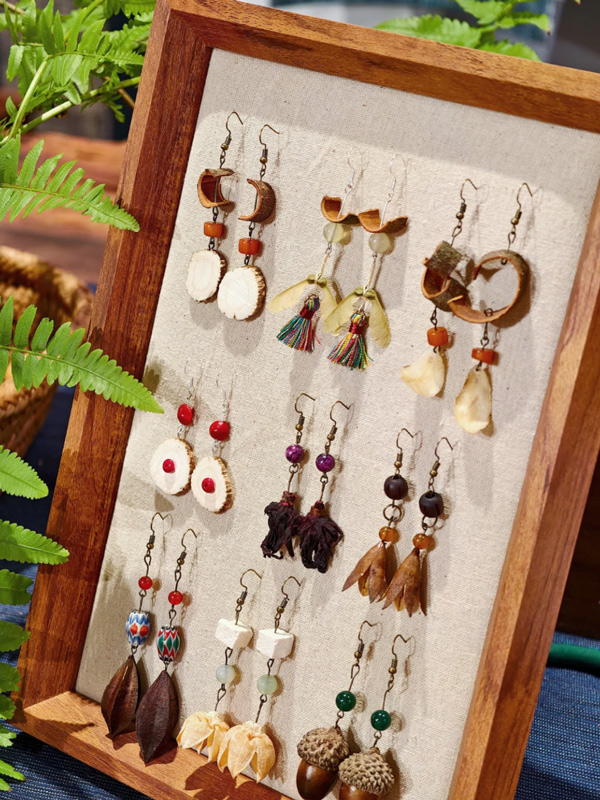
Creating these accessories is straightforward and encourages mindfulness. Start by selecting properly dried herbs to prevent moisture damage, then arrange them with complementary elements like glass crystals or metal clasps. The process of stringing each component fosters a meditative state, allowing crafters to focus on the natural shapes and colors. Finished pieces, such as a necklace featuring sliced Daxueteng (大血藤) with its intricate patterns, become conversation starters. They embody a quiet statement about valuing nature and heritage, turning everyday wear into a personal sanctuary of calm and connection.
Beyond aesthetics, herbal jewelry supports a sustainable lifestyle by utilizing renewable resources. Many enthusiasts forage or grow their own herbs, ensuring ethical sourcing. This practice reduces waste and promotes environmental awareness, as these accessories avoid synthetic materials. Wearing a bracelet made of Ai Ye (艾叶) or other herbs can also serve as a reminder of holistic health principles, seamlessly integrating wellness into fashion. As this trend grows, it inspires communities to share techniques online, fostering a collective journey toward more conscious living through creative expression.
Aromatic Home Creations
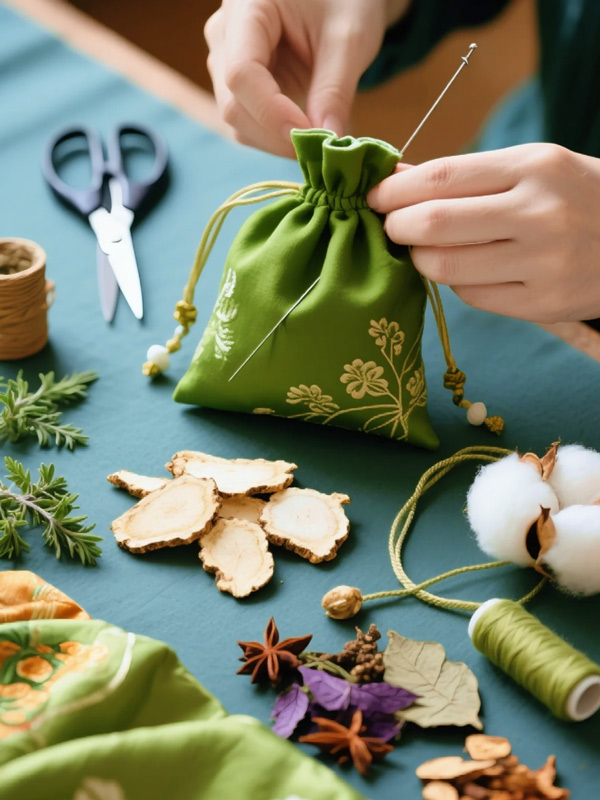
Transform your living space into a serene retreat with DIY herbal items that engage the senses. Sachets filled with fragrant herbs like Huo Xiang (藿香) and Bo He (薄荷) are easy to make and highly effective. Simply mix dried herbs and place them in small fabric bags, which can be tucked into drawers, hung in cars, or set on desks. These sachets emit calming scents that purify the air and reduce stress, creating a personalized aroma zone. Historically used in Chinese culture for protection and health, they now offer a modern twist on ancient traditions, making home environments more inviting and balanced.
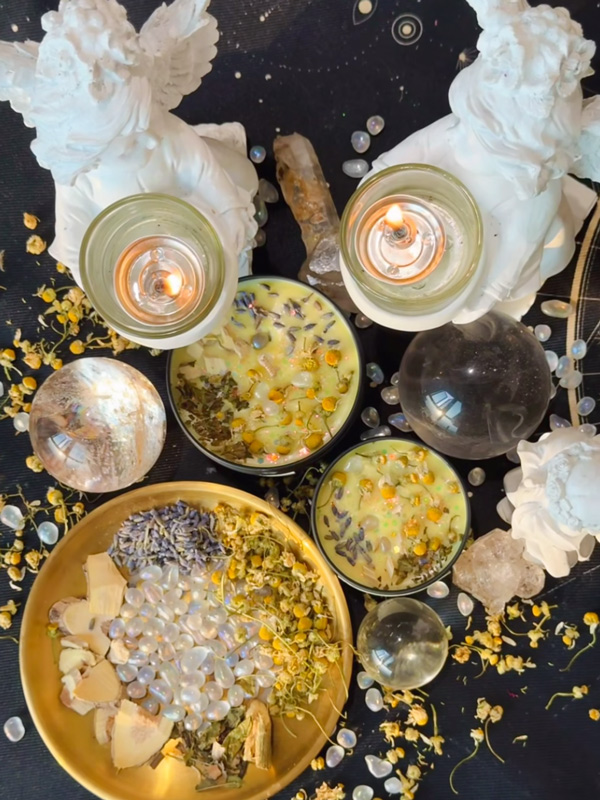
Herbal candles add another layer to this aromatic experience. By infusing natural wax with essential oils from plants like Ai Ye or Chen Pi (陈皮), you can craft candles that release soothing fragrances when lit. Embellish the surface with dried flowers or herbs for a visually appealing touch. As the candle burns, it diffuses a gentle heat that carries the herbal essence, ideal for yoga sessions or quiet evenings. This blend of Eastern herbal knowledge with Western candle-making techniques results in a unique home decor item that promotes relaxation and mental clarity.
These projects are accessible to beginners and encourage experimentation with scent combinations. For example, blending Bo He for freshness with Chen Pi for a citrusy note can create an invigorating blend. Making these items at home allows for customization based on personal preferences and seasonal changes. As more people seek natural alternatives to commercial air fresheners, herbal DIYs offer a cost-effective and therapeutic solution. They turn any room into a haven of well-being, where every breath feels like a step toward tranquility.
Botanical Artworks
Elevate your decor with herbal paintings that celebrate the innate beauty of Chinese herbs. Using items such as Gouqi for their bright red hue or Juhua (菊花) for golden accents, you can compose stunning visual pieces. These artworks rely on the natural colors and textures of herbs, arranged into patterns or scenes that evoke a sense of peace and elegance. Unlike traditional paintings, they are three-dimensional and often release a faint, pleasant scent, adding a dynamic element to wall art. This form of expression highlights the artistic potential of herbs beyond their medicinal uses, turning them into mediums for storytelling and decoration.
The process involves gathering dried herbs and adhering them to canvases or frames with non-toxic glue. Layering different elements, like the green of Sangye (桑叶) alongside the purple of Xunyicao (薰衣草), creates depth and contrast. This activity encourages creativity and patience, as each piece is unique and reflects the creator's vision. Finished artworks can depict anything from abstract designs to realistic landscapes, serving as focal points in homes or offices that inspire mindfulness and appreciation for nature's palette.
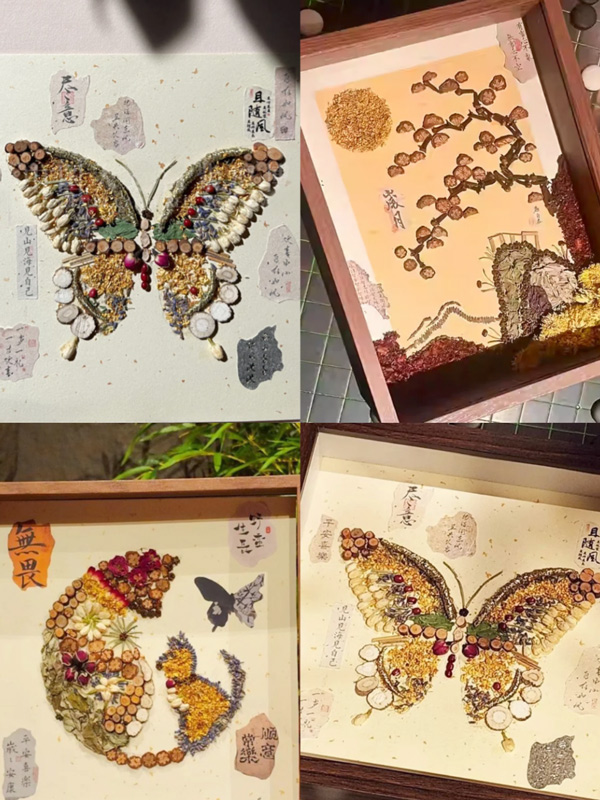
Herbal art also fosters a deeper connection to cultural roots and seasonal cycles. For instance, using autumn herbs like Juhua in a collage can symbolize harvest and change. These pieces are not only decorative but also educational, sparking curiosity about herbal properties and traditions. As they gain popularity, workshops and online tutorials make it easy for anyone to start, promoting a hands-on approach to art that doubles as a therapeutic hobby. By integrating herbs into visual art, people can surround themselves with living memories of nature, enhancing their spaces with meaning and beauty.