Why did the fantasy drama Love in the Clouds (入青云) leave viewers feeling underwhelmed despite its promising start? Many fans expected a gripping tale of power and revenge set in the mystical realms of Xianxia, where characters navigate complex moral dilemmas. Instead, the series stumbled into common traps that plague modern Chinese fantasy television. From inconsistent character motivations to overused narrative devices, the show's flaws highlight broader issues in the genre. This critique delves into why even visually stunning productions can fail to resonate when core storytelling elements are neglected.
Flawed Protagonists
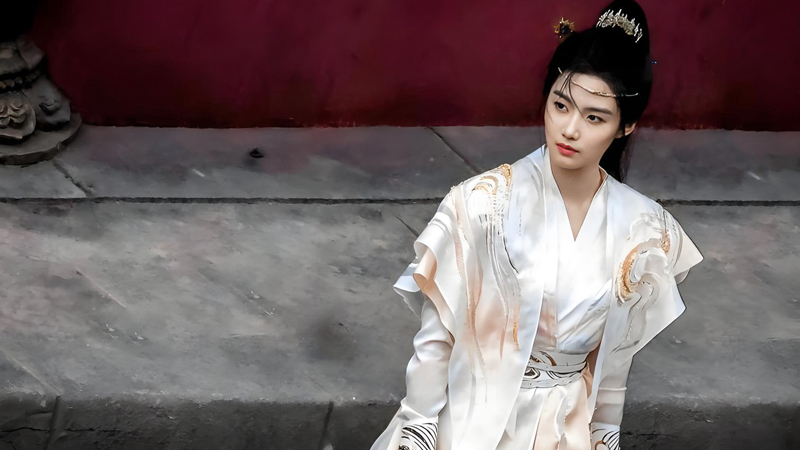
Ji Bozai's (纪伯宰) quest for vengeance against his master's murderer should have been a compelling drive, yet his insistence on lawful justice in a world ruled by hierarchy felt out of place. He pursued evidence and public trials as if living in a modern society, ignoring the brutal realities of his environment. This inconsistency undermined his credibility, making his actions seem naive rather than noble. Similarly, Mu Qibai's (沐齐柏) obsession with strengthening the empire led him into pointless conflicts with rivals like the Tianji (天玑) Princess and Ji Bozai. Instead of consolidating power efficiently, he wasted energy on petty squabbles, diluting his menacing potential.
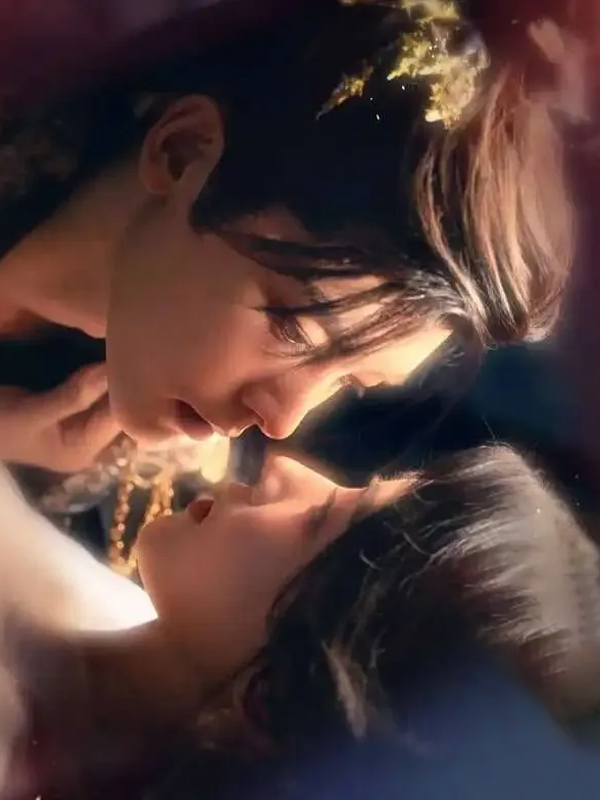
The dynamic between these two central figures never clarified who truly held the upper hand. Ji Bozai appeared dominant in confrontations, yet he refrained from eliminating Mu Qibai outright. Conversely, Mu Qibai possessed spiritual resources like the Lingmai (灵脉) but fixated on obtaining the Huangliang Dream (黄粱梦) for unclear reasons. Their rivalry dragged on without meaningful escalation, leaving audiences confused about the stakes. This lack of decisive action made their struggles feel repetitive and inconsequential, reducing tension in critical moments.
Secondary characters like Situ Ling (司徒岭) or Chao Yuan (晁元) added to the frustration. When protagonists discovered his treachery and control over the Zhushui Lingzhou (逐水灵洲) region, they hesitated to neutralize him despite the imminent threat of his Devouring Sky Formation. Rescuing an injured antagonist instead of securing the realm's safety defied logic, prioritizing sentimental attachments over practical survival. Such choices eroded viewer empathy, transforming potential heroes into passive observers of their own downfall.
Overused Tropes
Many Xianxia series rely on the tired cliché of the pure-hearted male secondary character turning evil, and Love in the Clouds was no exception. This predictable arc feels less like a natural character evolution and more like a convenient plot device to create conflict. Audiences grow weary of seeing benevolent figures abruptly transformed into villains solely to challenge the main couple. It diminishes narrative originality and reduces supporting roles to mere tools for protagonist development.
Contrast this with antagonists who remain consistently ruthless, such as those in dramas like Mysterious Lotus Casebook (莲花楼), or devoted allies like Xiangliu (相柳) in Lost You Forever (长相思). Their unwavering traits provide stability and depth, allowing viewers to engage with their motivations. In Love in the Clouds, the blackened second lead trope undermined emotional investment, as his shift felt unearned and hastily executed. This approach not only wastes character potential but also alienates fans who appreciate nuanced storytelling.
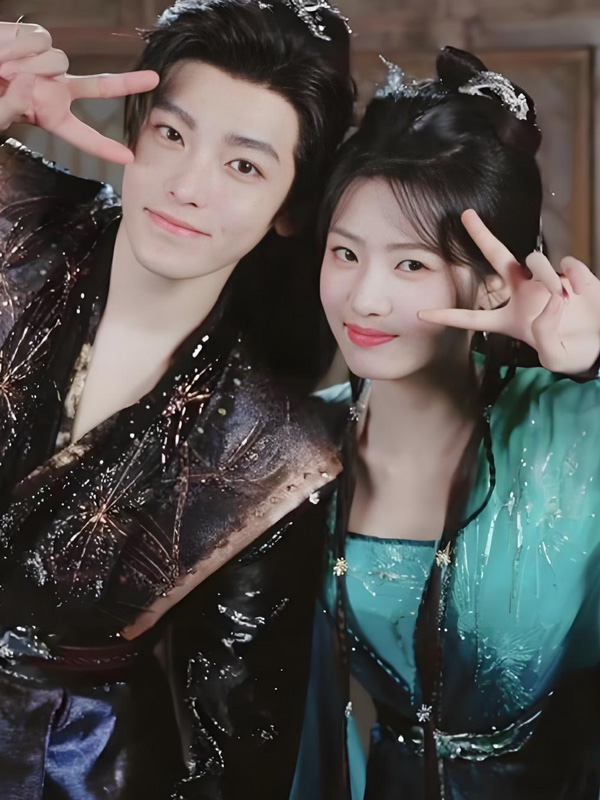
The series also underutilized its ensemble cast, particularly the seasoned Shenjun (神君) figures who should have been pivotal in crises. Instead, they were relegated to background roles, their wisdom and power ignored during catastrophic events. This overemphasis on the lead couple's capabilities made the world feel small and unbalanced. When only two characters drive all resolutions, it cheapens the collective struggle and misses opportunities for rich, collaborative narratives.
Despite these shortcomings, Love in the Clouds demonstrated strengths in its gradual world-building. Unlike expositions that overwhelm viewers with information dumps, the story unfolded settings and rules organically. The chemistry between the protagonists provided moments of genuine charm, hinting at what could have been with tighter editing. By trimming redundant subplots and refining character arcs, the drama might have achieved the balance that defines memorable Xianxia experiences.