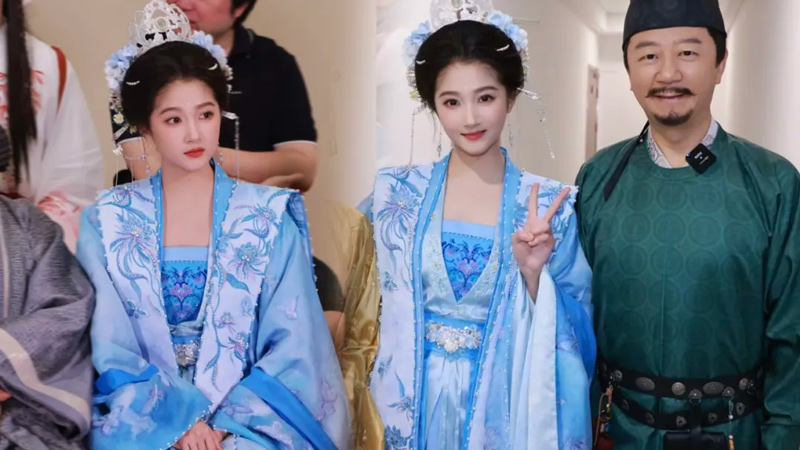
When Guan Xiaotong (关晓彤) appeared on the variety show Ace vs Ace (王牌对王牌) wearing a delicate headpiece and flowing robes, social media buzzed with admiration. Viewers praised her outfit as more striking than many red-carpet looks, noting its fresh, elegant appeal. This style drew from Song Dynasty fashion, featuring a blue-and-white color scheme that evoked clarity and grace.
The ensemble included a long-sleeved robe and a cape, but the standout was a lightweight, intricate crown adorned with peony motifs. Unlike heavier historical versions, this modern interpretation used contemporary materials for comfort, making it a hit among audiences. This revival isn't just about aesthetics; it reflects a growing interest in blending traditional elements with today's trends, showing how ancient designs can feel both timeless and new.
Historical Roots
During the Song Dynasty, women from all social classes embraced ornate headwear, as documented in texts like Dreams of Splendor of the Capital City (东京梦华录). These records describe bustling markets where vendors sold hair accessories, including various crowns, highlighting their popularity. One common type was the Tuanguan (团冠), a round crown often made from bamboo, leather, or metal, and sometimes decorated with pearls or floral patterns. Its circular shape symbolized harmony and was prized for being lightweight and affordable, allowing widespread use. This accessory wasn't just functional; it expressed personal style and social identity, with designs ranging from simple daily wear to elaborate pieces for special occasions.
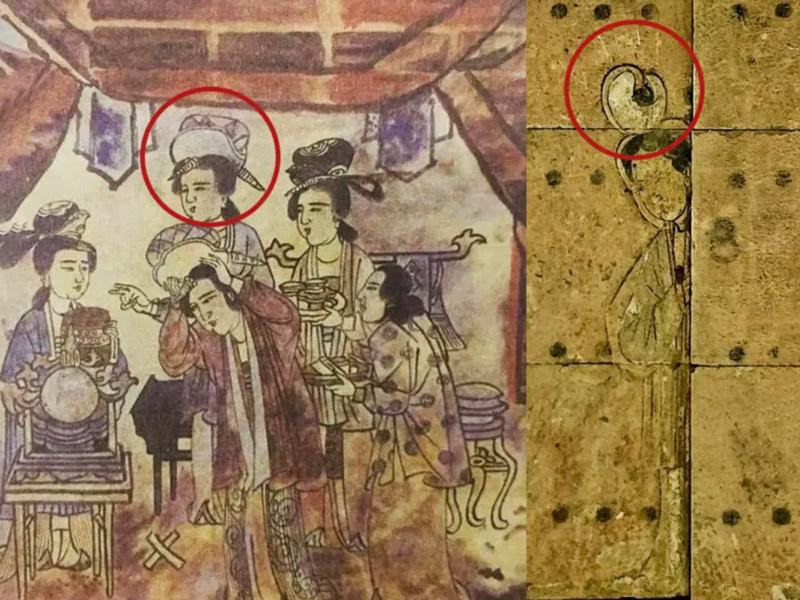
The evolution of these crowns saw innovations in materials and craftsmanship. For instance, some were crafted from deer leather or tortoiseshell, adding a soft, textured look, while others used gold and silver for a luxurious feel. Over time, artisans incorporated natural motifs like flowers, creating crowns that mirrored the beauty of gardens. This artistic approach balanced Tang Dynasty boldness with Song subtlety, focusing on refined details rather than overt extravagance. As a result, these pieces became symbols of a culture that valued elegance in everyday life, influencing fashion across different strata of society.
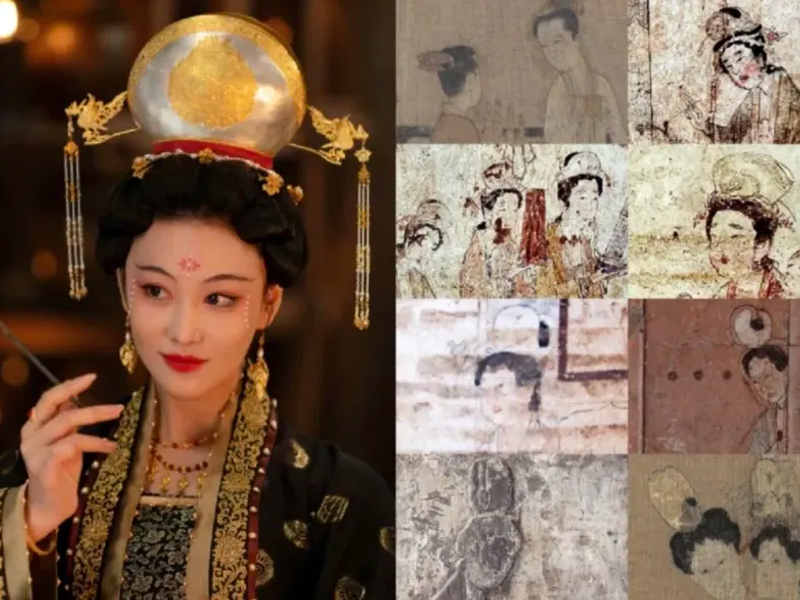
Beyond the Tuanguan, other styles like the Duojian Guan (亸肩冠) featured angled or drooping elements, offering variety in silhouette and design. These variations demonstrated the creativity of the era, where headwear could be tall and structured or short and sleek. Historical artworks, such as the Tang Dynasty Court Ladies Preparing Newly Woven Silk (宫乐图), show similar diversity, proving that crown fashion transcended dynasties. This rich heritage underscores how accessories were more than decoration; they were a canvas for cultural expression and artistic experimentation.
Artisan Techniques
Creating a traditional crown involved meticulous processes, starting with frameworks woven from bamboo or metal. Artisans would coat these in lacquer or oil to prevent damage, then adorn them with intricate carvings or inlays. For example, peony designs were carved into the material, often using hollowed-out sections to reduce weight while maintaining visual appeal. This attention to detail ensured that each piece was not only beautiful but also durable enough for regular wear, reflecting the skill of Song Dynasty craftsmen who balanced form and function.
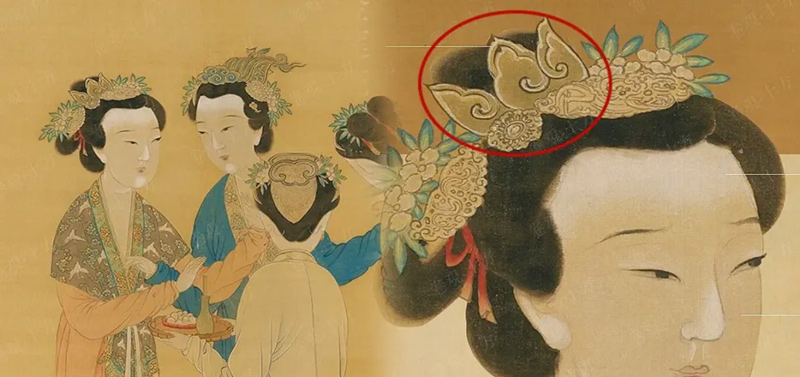
As techniques advanced, materials like ivory or precious stones were incorporated for high-status individuals, though simpler versions remained accessible. The use of floral themes, such as peonies or chrysanthemums, connected the wearer to nature, a common theme in Song art. These elements were often arranged in layers, creating a "stacked" effect that could reach impressive heights, as noted in historical texts describing crowns over a foot tall. This craftsmanship highlighted a society that prized innovation, where even everyday items were opportunities for artistic statement.
Modern Revival
Today, designers are reimagining these historical crowns using methods like 3D printing, which allows for complex shapes without the weight of traditional materials. This shift has made such accessories more practical for modern wear, as seen in Guan Xiaotong's outfit, where a lightweight version provided the same visual impact without discomfort. By adapting ancient designs, creators are making them relevant for contemporary audiences, whether in fashion shows or daily life, fostering a renewed appreciation for Chinese cultural elements.
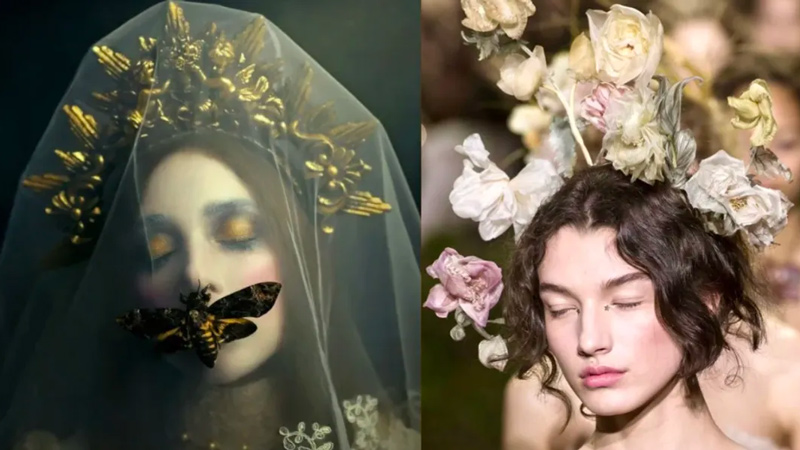
This revival has sparked broader interest, with online communities discussing how to incorporate similar styles into modern wardrobes. Unlike Western fashion trends that often emphasize minimalism, these crowns offer a bold, structured alternative that stands out in global contexts. As more people experiment with these pieces, they're not just reviving history—they're shaping a new narrative where tradition and innovation coexist, empowering wearers to express individuality through culturally rich designs.