Crisis or Opportunity?
The atmosphere at Shanghai Film City during the 27th Shanghai International Film Festival (SIFF) was electric. Audiences queued for hours to catch Claude Lanzmann’s nine-hour Holocaust documentary Shoah or David Lynch’s midnight trilogy. Yet outside this bubble, reality bites: China’s overall box office revenue for May 2025 plummeted to 1.7 billion yuan, down 42% year-on-year. This stark duality frames Chinese cinema’s 120th anniversary - a celebration shadowed by existential questions. Veteran Hong Kong action director Yuen Heping (袁和平) struck a defiant note: "Chinese cinema has many more 120 years. Film will not disappear" .
But as producers and directors gathered at forums, their discussions centered on reinvention. With rising production costs, fragmented audiences, and streaming rivals, how does an industry built on theatrical spectacle evolve?
When Film Festivals Outshine Theatres
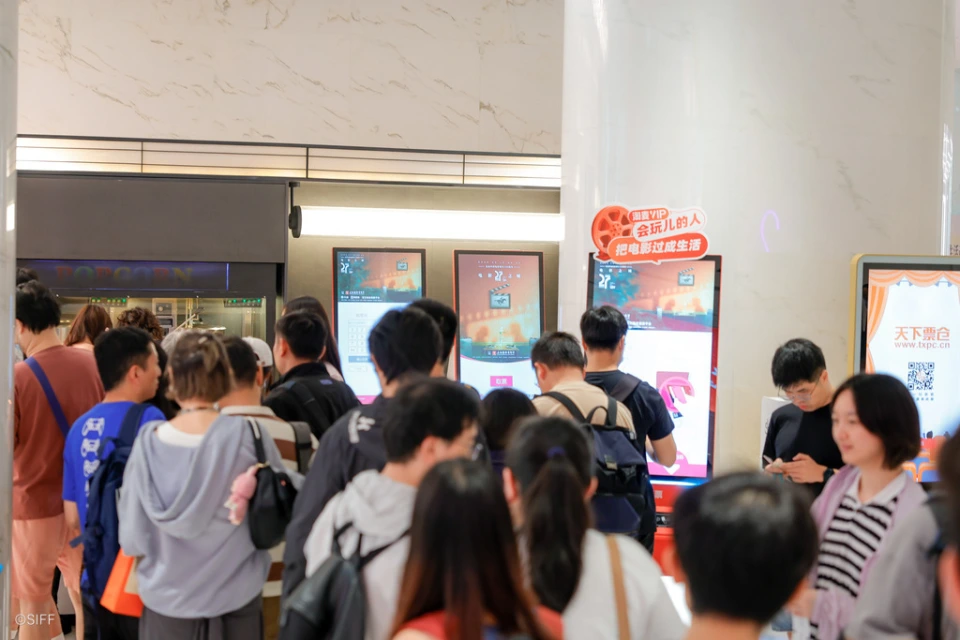
Zhou You's (周游) experience mirrors the film festival's screening craze. Despite accounting for less than 0.1% of showtimes, SIFF ranked 5th in daily box office from June 16-18, grabbing over 8% of daily revenue. That's wild - proof cinephiles will go all out for rare screenings. For ten days, Shanghai transformed into a cinephile’s pilgrimage site. Diehards like Zhou You crammed five films daily, fueled by coffee and croissants. "I seek ritual and scarcity," he explained. "These films rarely screen elsewhere" .
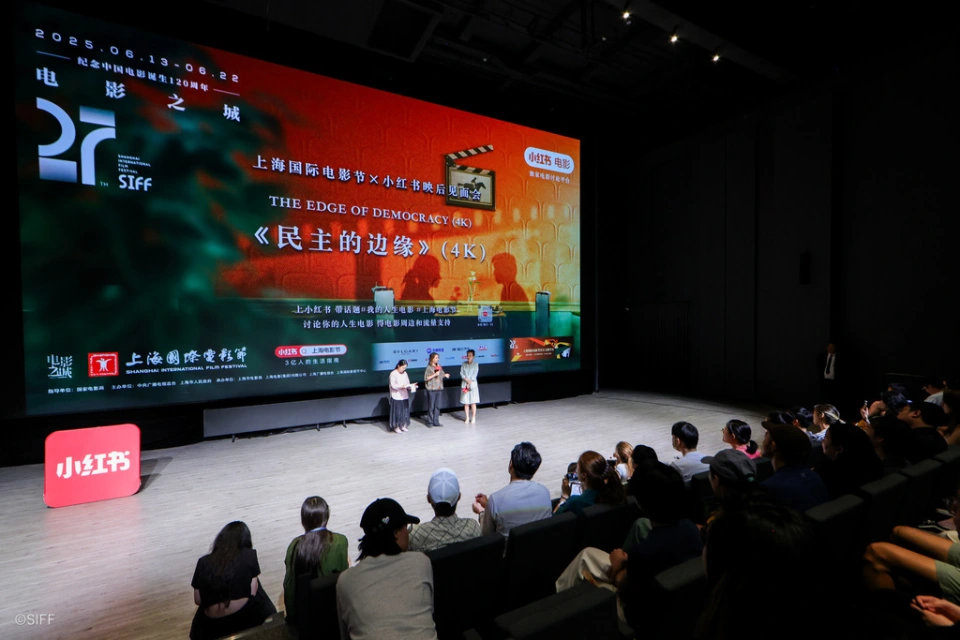
Yet this fervor underscores a crisis. Mainstream cinemas languish with empty seats. Industry leaders pinpoint quality gaps: "Audiences skip movies because of content, not habit," argued Maoyan Entertainment President Li Jie (李捷). After Nezha 2’s success, he noted, "audience standards rose another 15%" . Young viewers crave substance over spectacle. Director Dong Runnian (董润年) observed a generational shift: "Film must reflect their agency. Theme trumps technology now" . When a Q&A for the documentary The Edge of Democracy (民主的边缘) deviated into trivial queries, the crowd hissed - a testament to audiences demanding meaningful engagement.
The festival’s "ticket stub economy" model offers clues for revival. Moviegoers traded stubs for river cruises, art museum discounts. By partnering with restaurants, hotels, and ride-hailing apps, SIFF wove cinema into urban life - a blueprint for year-round audience retention.
Cost, Risk, and New Voices
Financing dominated behind-the-scenes talks. Wang Changtian (王长田), CEO of Nezha 2 producer Enlight Media, laid bare the math: Studios receive just 33% of box office revenue after marketing costs. "All risks lie with producers," he stressed, advocating redistributing profits to sustain creativity . Budget inflation compounds the strain. Wanda Films president Chen Zhixi (陈祉希) contrasted her 2015 hit Jian Bing Man (煎饼侠) (12 million yuan budget) with today’s standards: "120 million barely suffices" .
The solution? Lower costs and nurture newcomers. At the project market, submissions surged 40%, yet investors hesitated. Producer Yang Xiaolai (杨晓来) pitched Mom’s Counterattack (妈妈的无限反击) at 25 million yuan - a fraction of typical blockbuster budgets . This pragmatism aligns with SIFF’s youth focus: The Asian New Talent Award jury averaged 35 years old, the youngest ever . Emerging directors like Huang Bo (once an awardee, now a juror) and Wen Muye (Better Days) embody this pipeline.
How Immersion and Ancillaries Could Save Cinema
The 120th-anniversary tributes revealed nostalgia’s limits. While CCTV’s commemorative video played on planes, trains, and 150+ cinemas nationwide , the industry eyes future revenue streams. Wang Changtian urged reducing box-office dependence: "Derivatives for Nezha 2 may hit hundreds of billions" . Global expansion is critical; Nezha 2’s $100 million overseas gross—China’s highest in two decades - hints at untapped potential .
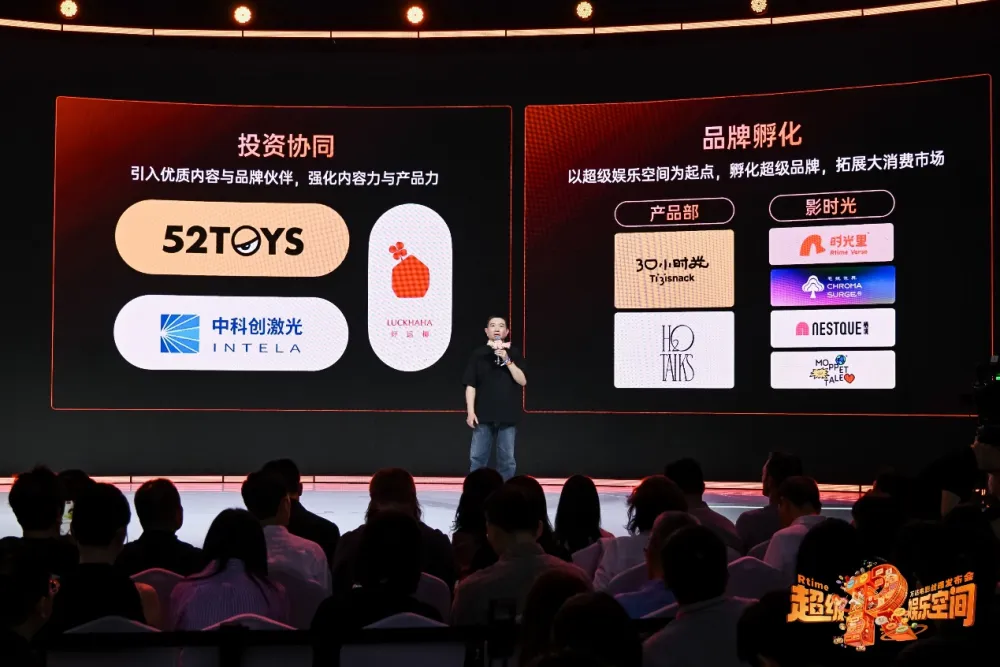
SIFF’s experiments pointed forward. The "Future Cinema" VR section drew crowds to interactive storytelling, while restored classics like The Unyielding General (定军山) (1905) used AI to resurrect China’s first film . Wanda Films "super entertainment spaces" reimagined theaters as hybrid venues for esports, concerts, and pop-up markets . As Chen Zhixi asserted, diversification isn’t optional - it’s survival.
The Final Reel
Standing before an AI-rendered scene from The Unyielding General, audiences bridged 1905 and 2025. Technology honored legacy, but the festival’s true revelation was structural: Cinema must transcend the multiplex. With costs recalibrated, young voices amplified, and screens repurposed, Chinese film’s next act could defy its anxiety-filled preamble. As Italian producer Marco Muller noted while praising 4K restorations, classics gain new life when reimagined . For an industry at a crossroads, that lesson resonates far beyond the frame.