In today's fashion landscape, where body-hugging outfits and defined waistlines dominate, many people feel pressured to conform to restrictive clothing standards. Traditional Chinese attire, however, offers a refreshing alternative by prioritizing natural movement and ease over constriction. Rooted in historical practices, this approach uses intelligent design principles to ensure garments adapt to the wearer, not the other way around. By exploring concepts like added fabric space and fluid silhouettes, we can uncover a philosophy that values comfort and elegance equally. This perspective challenges modern norms and invites us to rethink how clothing should make us feel—empowered, comfortable, and authentically ourselves. As we delve into specific elements, it becomes clear that this isn't just about aesthetics; it's about fostering a healthier relationship with what we wear every day.
The Fangliang Principle
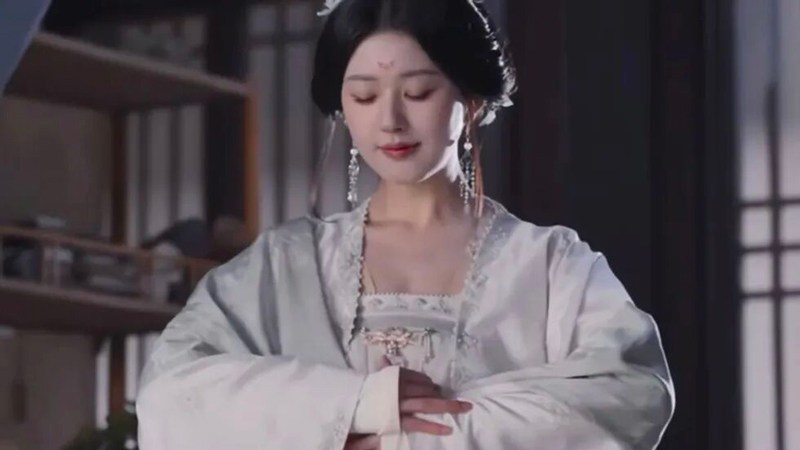
At the core of traditional Chinese clothing is Fangliang (放量), which involves intentionally adding extra space to garments beyond basic body measurements. This design choice ensures that clothes move with the wearer, allowing for a full range of motion without sacrificing style. For example, sleeves are often extended by at least 10 centimeters past the fingertips, enabling them to drape gracefully or cover hands during formal occasions. This not only serves practical purposes, like concealing gestures in etiquette, but also creates a flowing visual effect as fabric gathers at the wrists. By avoiding tightness, Fangliang makes activities like walking, sitting, or even dancing feel effortless and elegant, highlighting how thoughtful design can enhance daily life.

Another critical component is the sleeve root—the area where the sleeve meets the shoulder. In traditional designs, this part is generously sized to prevent restriction when raising arms or making broad movements. A narrow sleeve root can lead to discomfort and limited mobility, whereas ample space facilitates fluid actions without compromising the garment's structure. Similarly, hems on robes and skirts are cut wide to allow dynamic movement, adding a sense of liveliness as they sway with each step. This attention to spatial harmony means that clothing never feels confining, instead promoting a natural, unrestrained posture that aligns with the body's rhythms.
To introduce shape without constriction, belts are used to define the waist, forming soft folds that enhance the garment's silhouette. These pleats occur naturally as fabric is gathered, offering a subtle waistline accent that doesn't compress the body. Unlike modern additions like ruffles, which can feel artificial, these folds integrate seamlessly into the design, demonstrating a balance between form and function. This method shows that elegance can emerge from adaptability, where clothing contours to the individual rather than enforcing a rigid shape. It's a reminder that beauty in fashion doesn't have to come from tight fits but can arise from intelligent, responsive design.
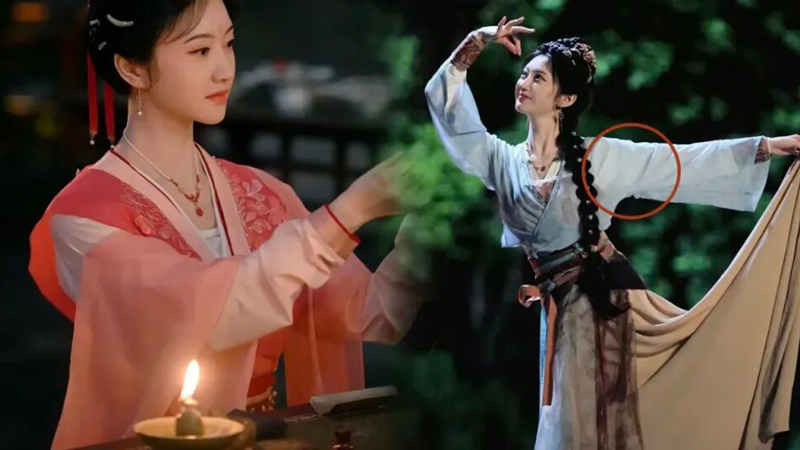
Historically, these elements were evident in various dynasties, where clothing reflected social status and cultural values. For instance, during the Tang Dynasty, robes with wide sleeves and hems were common among the elite, symbolizing wealth and leisure while enabling activities like calligraphy or music. Today, we see echoes in modern interpretations, such as the flowing costumes in dramas like Story of Yanxi Palace (延禧攻略), where characters move with grace and poise. By understanding these origins, we appreciate how Fangliang transcends time, offering timeless lessons in creating wearable art that respects the human form. This historical context enriches our appreciation for how traditional principles can inform contemporary style choices.
Posture and Modern Relevance
Traditional Chinese clothing also influences posture by encouraging natural shoulder lines instead of the sharp "shoulder angles" often idealized today. Rounded shoulders contribute to a softer, more graceful appearance, but this doesn't mean slouching is acceptable—maintaining an upright yet relaxed stance is essential. The flowy nature of these garments supports fluid and poised movements, reducing the stiffness that can come from tight clothing. This synergy between attire and demeanor helps cultivate an aura of confidence and ease, rooted in centuries of cultural refinement. It's a holistic approach where how you carry yourself becomes as important as what you wear, fostering a sense of inner balance.
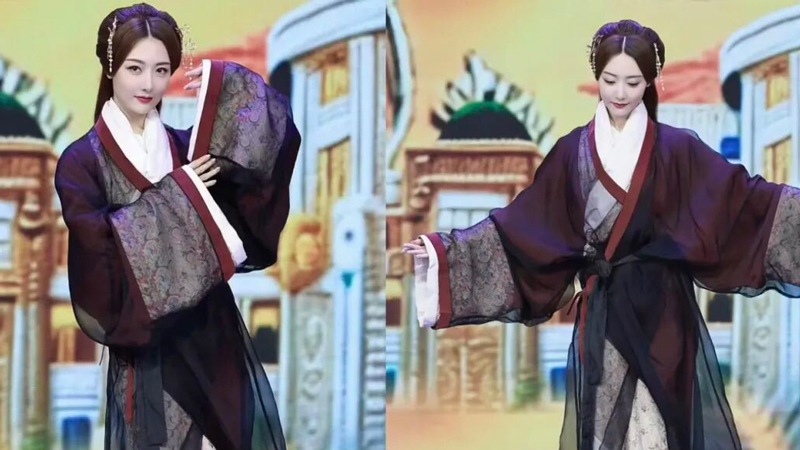
This philosophy starkly contrasts with modern fashion's emphasis on slimness and form-fitting designs, instead embracing Songchigan (松弛感), or a sense of relaxation. It advocates for clothes that support a comfortable lifestyle, allowing wearers to move freely without constant adjustment or discomfort. For example, while contemporary outfits might limit motion or require body conformity, traditional garments promote self-acceptance by focusing on ease. This shift in perspective can reduce the stress associated with dressing, making fashion a source of joy rather than anxiety. By prioritizing personal well-being over rigid standards, this approach empowers individuals to feel good in their skin, regardless of trends.
Integrating these ideas into today's wardrobe is straightforward and rewarding. Start by choosing pieces with looser cuts, such as tops with extended sleeves or A-line skirts, to incorporate elements of Fangliang. Prioritize comfort during movement by selecting clothes that feel good in action, not just when standing still. Blending traditional principles with modern styles can yield outfits that are both stylish and practical for daily life. This fusion honors the past while addressing present needs, showing that true beauty in clothing comes from empowering the wearer to be their authentic self. It's about creating a wardrobe that values both aesthetics and well-being, without compromising on either.
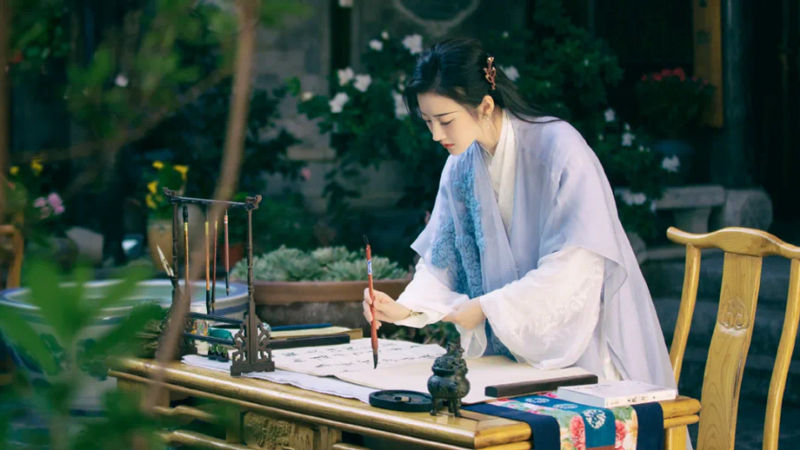
Many people who adopt traditional Chinese clothing today report a positive shift in mindset, feeling more connected to their heritage and less pressured by mainstream beauty ideals. For instance, wearing a Hanfu dress for a casual event can evoke a sense of peace and self-expression, as the loose fit encourages slower, more deliberate movements. This experiential aspect highlights how clothing can influence not just appearance but also emotions and interactions. It serves as a reminder that fashion, at its best, should enhance life's quality by reducing stress and promoting authenticity. By looking to these traditions, we can find inspiration for a more mindful and fulfilling approach to dressing that celebrates individuality over conformity.