Article
Search results:
-
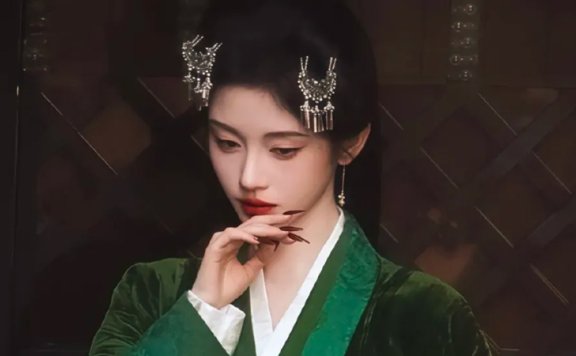
Are the Side-Hair Tassel Ornaments of Ju Jingyi Real?
In the visually rich world of Chinese historical dramas, certain aesthetic elements capture the audience's imagination, prompting questions about their origins and authenticity. One such detail is the delicate hair ornament draped from the temples, often seen adorning characters in series like those featuring actress Ju Jingyi (鞠婧祎). These accessories, with their flowing pendants, serve not only as decorative highlights but also as functional pieces designed to enhance facial structure and hairstyle volume. This adornment, known historically as Yan Bin (掩鬓), which translates to "covering the temples," has a deep-rooted evolution in Chinese fashion history. Its journey from ancient rituals to modern screens illustrates how traditional elements are reinterpreted, blending historical accuracy with contemporary style to create that iconic look viewers admire today. Han Origins During the Han Dynasty, the precursor to Yan Bin emerged in the form of Bu Yao (步摇), a term meaning "step shake" that described hairpins with dangling beads or pearls that swayed with movement. These were not merely decorative; they symbolized elegance and status, often depicted in artifacts like the Mawangdui (马王堆) silk paintings. For instance, noblewomen would wear them on both sides of their head, adding a dynamic, graceful touch to their appearance as… -
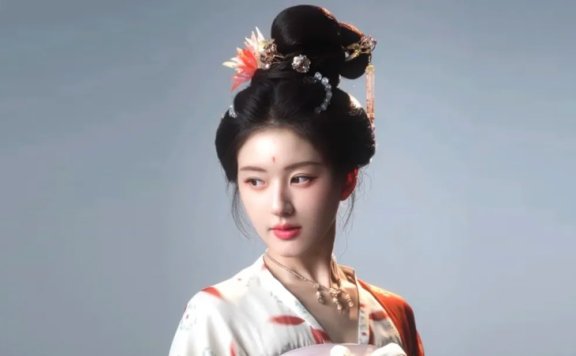
Why Didn’t Ancient Women’s Hair Buns Fall Out?
How did women in ancient China keep their elaborate hairstyles perfectly intact without modern hairspray or bobby pins? While watching historical dramas, many viewers find themselves marveling at the towering, intricate hairdos, wondering about the secrets behind their remarkable stability. These architectural marvels of hair, often adorned with glittering accessories, seem to defy gravity through palace intrigues and martial arts battles alike. The answer lies not in magical solutions but in three ingenious tools that formed the cornerstone of traditional hairstyling: natural hair fixative, supplemental hairpieces, and strategic hairpins. These elements combined to create styles that were both beautiful and durable, allowing ancient Chinese women to express their identity and status through their hair. Nature's Hair Gel The primary solution for hair fixation came from an unexpected source: trees. Paohua Shui (刨花水), literally meaning "wood shaving water," served as the ancient equivalent of hair gel. This natural styling product was created by shaving specific types of wood into paper-thin, wavy curls, then steeping them in warm water. The most prized material came from the Yu (榆) tree, known for its high viscosity that provided superior holding power. After hours of soaking, the wood would release its natural gums into the… -
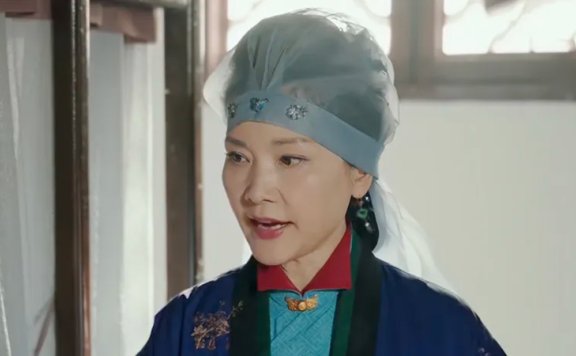
Why Does He Saifei’s Scarf Look Odd in Hilarious Family 2?
In the recent Chinese period drama Hilarious Family 2 (芬芳喜事), veteran actress He Saifei (何赛飞) sported a headpiece that left many viewers scratching their heads. This accessory, known as Fu Jin (幅巾), is a rectangular cloth worn over the forehead with the rest draping down the back. While it might seem unfamiliar to modern audiences, this item has deep roots in Chinese history, particularly during the Ming Dynasty. Its appearance in the drama, alongside performances by stars like Lamu Yangzi (辣目洋子), has sparked conversations about its origins and why it is so rarely seen in domestic productions. Fu Jin started as a male accessory but evolved into a unisex fashion statement, reflecting broader cultural shifts. Understanding this piece requires delving into its past, its practical uses, and the reasons behind its scarcity in today's cinematic portrayals. Fu Jin's History The earliest records of Fu Jin date back to the Eastern Han Dynasty, where it was mentioned in historical texts like the Under the Moonlight (锦囊妙录). Scholars and nobles adopted it as a symbol of simplicity and elegance, often choosing it over formal headwear for casual settings. By the Song and Ming eras, it had become a staple among the literati,… -
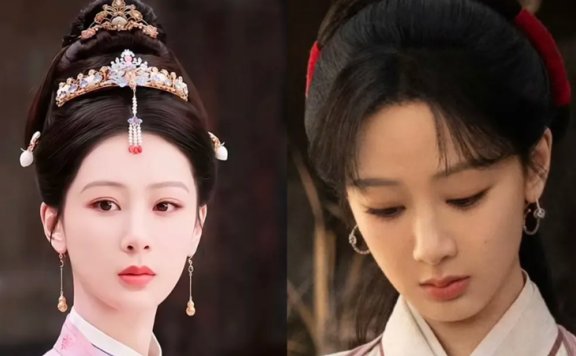
Yang Zi's Earrings in Family Business Questioned for Being too Modern?
Did a modern pair of earrings just appear in a historical Chinese drama? This was the burning question on social media after viewers spotted the accessories worn by Yang Zi (杨紫) in the new series Family Business (家业). Her character, Li Zhen (李祯), is depicted in a narrative inspired by the Ming Dynasty, yet the intricate hoop earrings she wore seemed strikingly contemporary to the modern eye. This sparked a fascinating debate, leading to a surprising discovery about ancient Chinese fashion. The conversation revealed that our assumptions about historical adornment are often limited, and that the craftsmanship of the past was far more advanced and varied than we typically imagine. Ear Studs The smallest and most common type of ear jewelry in the Ming Dynasty was theDingxiang (丁香). This style closely resembles what we now call an ear stud. Typically crafted from gold or silver, a Dingxiang consisted of a small decorative front piece, often a gem or metalwork, attached to a thin wire that passed through the earlobe. Its design philosophy championed minimalism and subtlety, making it an everyday accessory for women of the time. Its popular nickname, "bean sprout nail," vividly captures its delicate and understated form. Historical… -
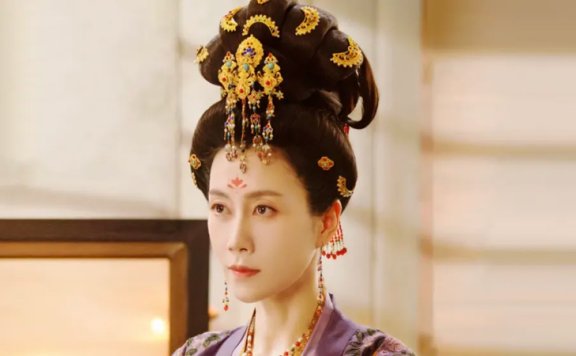
What Is Croissant on Her Head?
When actress Wen Zhengrong (温峥嵘) appeared in the television series Love's Freedom (许我耀眼), audiences immediately noticed something unusual about her character's appearance. Portraying the mother-in-law to the protagonist played by Zhao Lusi (赵露思), she sported an intricate hairstyle that sparked widespread curiosity online. Viewers quickly compared the towering, layered bun to a freshly baked croissant, flooding social media with questions about its origins and meaning. The style is not a modern stylist's invention but a deliberate revival of a specific aesthetic from China's past. Its presence in today's media highlights a continuing fascination with the Tang Dynasty and its bold approach to personal adornment, serving as a starting point for exploring how ancient beauty standards resonate in the present day. Historical Roots The distinctive hairstyle worn by Wen Zhengrong finds its direct inspiration in a specific type of coiffure popular during the Tang Dynasty, particularly from the mid to late period into the Five Dynasties era. Known as Congji (丛髻), which translates roughly to "thicket bun" or "cluster bun," this style was characterized by multiple small coiled buns, or Huanji (鬟髻), piled atop one another to create a voluminous, textured effect. It was not merely a single uniform look but… -
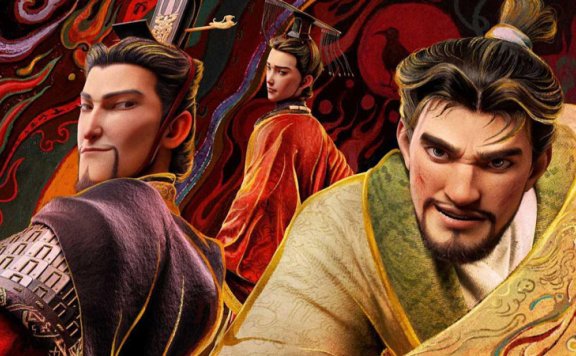
Three Kingdoms: Starlit Heroes release on October 1, 2025
What if everything you knew about Cao Cao (曹操) was wrong? This October, a groundbreaking animated film promises to shatter long-held stereotypes and present a fresh perspective on one of China's most enigmatic historical figures. Three Kingdoms: Starlit Heroes (三国的星空第一部), set for release on October 1, 2025, is not just another retelling of a familiar tale. Guided by the visionary mind of Yi Zhongtian (易中天), who serves as both screenwriter and supervisor, the film delves into the heart of the late Eastern Han Dynasty (东汉末年) to explore the man behind the legend. It aims to strip away centuries of literary embellishment and political bias, revealing a leader who was as much a poet and philosopher as he was a strategist. This project marks a significant moment for Chinese animation, blending historical depth with cinematic spectacle to question the very nature of heroism in a time of chaos. The narrative seeks to connect with modern audiences by focusing on universal themes of ambition, loyalty, and the personal cost of great deeds. A Complex Hero Traditional accounts often paint Cao Cao as a cunning and ruthless villain, but this film challenges that simplistic view. It introduces him as a multifaceted individual grappling… -
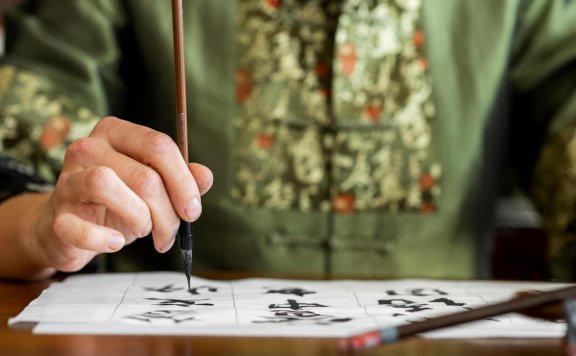
Korean Language Learning Paired with Chinese Calligraphy and Hanfu Workshops
I. Introduction to the Benefits of Cultural Learning The learning of culture is an enriching activity that surpasses language acquisition. It opens one's eyes to the traditions, customs, and artistic expressions that shape a society. When individuals embark on learning a foreign language, they are not merely memorizing vocabulary and grammar rules; they are tapping into a rich heritage of cultural richness. This exchange generates empathy, broadens world perspectives, and enhances communication skills, enabling students to connect with others on a personal level. A. Importance of Language Acquisition in Cultural Context Language reflects culture, adopting the values, beliefs, and history of a people. Through Korean learning, for example, students gain familiarity with the complexities of Korean society, including its etiquette, social norms, and historical context. Studying the language in its cultural context allows students to understand the subtleties of communication, such as honorifics for conveying respect and idiomatic expressions for revealing cultural attitudes. Not only does such a cultural approach enrich the process of learning the language, but it also fosters an attitude of global citizenship. B. Korean Language Overview Korean, the official language of both North and South Korea, stands out with its distinct phonetic and grammatical structures. Its… -
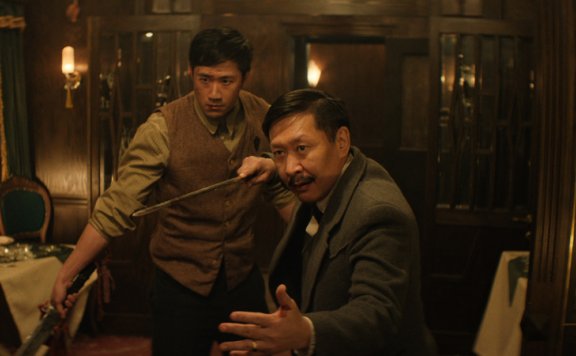
Red Silk: A Bridge for Sino-Russian Cinema
In September 2025, the Sino-Russian co-produced spy thriller Red Silk (红丝绸) premiered in Chinese cinemas. A major project of the "China-Russia Culture Year," the film had already been a hit with Russian audiences earlier in the year. It follows Chinese and Soviet agents in 1927 as they unite to protect a vital secret document aboard the Trans-Siberian Railway. More than an adventure, the film stands as a significant milestone in collaborative filmmaking between the two nations. A Shared Creative Vision The project began with a goal to create a story resonating with both Chinese and Russian viewers. Producer Vadim Birlkin, inspired by a 2019 visit to Hengdian World Studios (横店影视城), envisioned a film about "China and Russia safeguarding justice together" that was also commercially viable. Director Andrey Volgin defined the movie as a suspenseful spy film set primarily on a train, using the confined space to heighten tension. The title, Red Silk, was chosen for its symbolism. For Russian audiences, red silk evokes China, while the color red signifies love and victory. The director saw the red silk as a narrative thread connecting the characters' fates. Overcoming Technical Challenges To achieve historical authenticity, the production team undertook ambitious technical work. Since real train… -
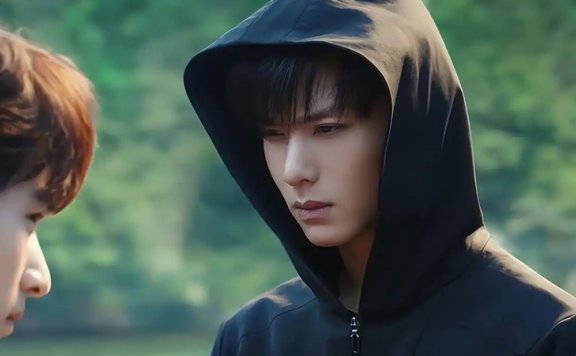
Time Raiders: A Fresh Tomb-Raiding Tale
The sprawling universe of The Lost Tomb (盗墓笔记) has welcomed a new addition. Time Raiders (吴邪私家笔记), a derivative series that premiered on September 20, 2025, quickly captured audience attention, achieving a notable heat index upon its release. Helmed by the original author Xu Lei (徐磊) and director Pan Anzi (潘安子), the series aims to deliver an immersive experience by adopting a notebook-viewpoint narrative. A Narrative Anchored by Perspective The series distinguishes itself through its storytelling approach. It utilizes Wu Xie's (吴邪) personal notes as a core device, creating a sense of immediacy and intimacy. This perspective blends the main adventure with handwritten observations, sketches, and personal quips from the young protagonist. The plot alternates between a modern timeline, where Wu Xie (played by Xu Zhenxuan, 徐振轩) runs an antique shop and gets drawn into a new mystery involving a mysterious silk manuscript, and flashbacks to his grandfather's early tomb-raiding days. This structure provides depth and context, serving as both a new adventure and a supplement to the main storyline. The Assembled Team A crucial element of any tomb-raiding story is the team dynamics. The series sees the gathering of a familiar crew. Veteran actor Francis Ng takes on the role… -
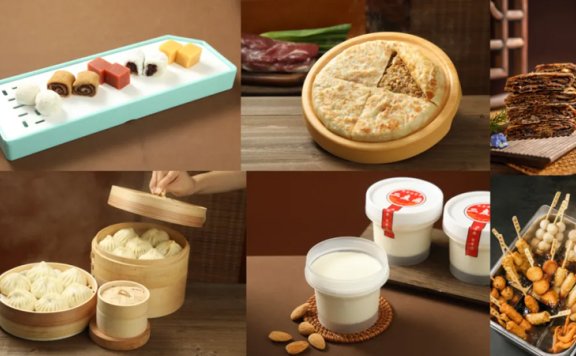
A Culinary Journey to the West in Beijing
This September, a unique event is transforming a corner of Beijing's Shougang Park (北京首钢园) into a vibrant crossroads of food, folklore, and fun. The "Wuhuatianbao·Xiyou Shengyan" (物华天宝·西游盛宴) food market is more than just a place to eat; it's a creative playground where China's classic culinary names shake hands with one of its most beloved stories, creating an unforgettable fusion of taste and tale. This innovative concept aims to bridge generations, inviting both those who grew up with the legend and newcomers to experience it in a wholly original way. Running from September 10–14 as part of the 2025 China International Fair for Trade in Services (CIFTIS), this market is the brainchild of Beijing Huatian Food Group (北京华天饮食集团). It brings together a roster of the city's most famous time-honored restaurants for a collaborative experiment, all themed around the iconic 1999 CCTV animated series Journey to the West. The choice of Shougang Park, a symbol of industrial transformation, as the venue is particularly apt, echoing the event's own theme of reinventing tradition for a modern audience. The industrial backdrop provides a striking contrast to the mythical world being created, enhancing the sense of entering a special, separate realm. Old Brands, New Roles Forget… -
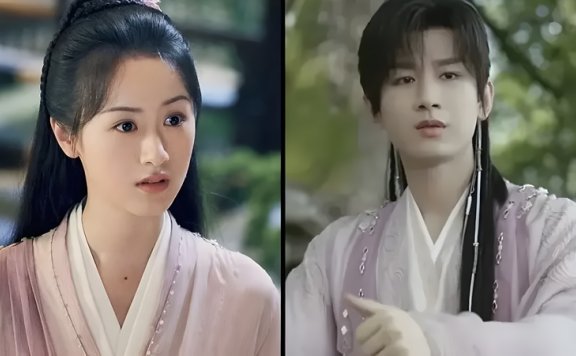
Why Is Men’s Clothing in Today’s Costume Dramas More Feminine?
In recent years, viewers of Chinese historical television series have noticed a curious trend: the costumes worn by male characters increasingly resemble those designed for females, featuring slender cuts, pastel colors, and flowing fabrics that emphasize a delicate aesthetic. This shift raises questions about how gender is represented in period dramas and whether it reflects historical accuracy or modern creative liberties. While ancient China did have instances of unisex clothing, distinctions based on color, pattern, and occasion were strictly maintained after certain dynasties. Today's productions, especially fantasy genres like Xianxia immortal heroes dramas, often prioritize visual appeal over historical fidelity, leading to a blending of masculine and feminine elements. This article examines the historical context of gender-specific attire in China and explores how contemporary media influences perceptions, potentially shaping audience expectations and real-world fashion choices. Historical Foundations In early Chinese history, such as during the Qin and Han dynasties, clothing was often unisex, with both men and women wearing robe-like garments known as Paofu (袍服, robe clothing). For example, in dramas like The secret Dragon in the Abyss (三国机密之潜龙在渊), characters don straight or curved-hem robes, but differences emerged in details like embroidery and hues. Women's attire featured brighter colors and… -
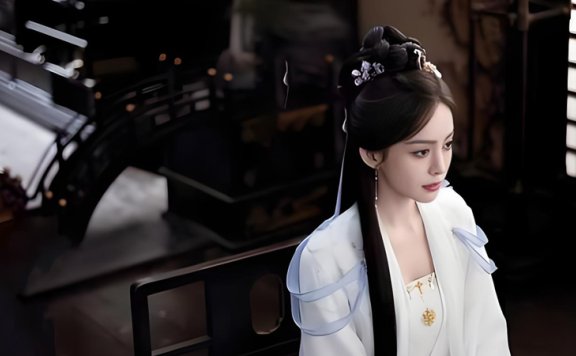
How Gulnazar's Genuine Smile is Shaping Stardom
In a recent series of images that quickly captivated social media, actress Gulnazar appeared not as a distant celebrity, but as a approachable figure enjoying a moment of pure joy. Dressed in Hanfu, she was photographed playfully making a peace sign, her genuine smile radiating a warmth that felt instantly relatable. This departure from highly polished promotional materials sparked immediate discussion among fans and critics alike, highlighting a growing public appetite for authenticity in an industry often dominated by manufactured perfection. The photoshoot, set against a simple backdrop, emphasized natural expression over dramatic flair, suggesting a shift in how artists connect with their audience. Gulnazar, known for her ethereal beauty and Xinjiang heritage, seemed to be embracing a more personal narrative, one that values emotional truth as much as visual appeal. This moment serves as a poignant entry point into broader conversations about celebrity culture, personal identity, and the evolving definition of success in Chinese entertainment. The Real Gulnazar Gulnazar's journey in the spotlight has been marked by her ability to navigate the complexities of fame while staying true to her roots. Born in 1992, she entered the public eye with the distinctive appeal of someone from Xinjiang, yet she… -
How Does Jing Tian Defy Time? Her Hangzhou Appearance Sparks Wonder
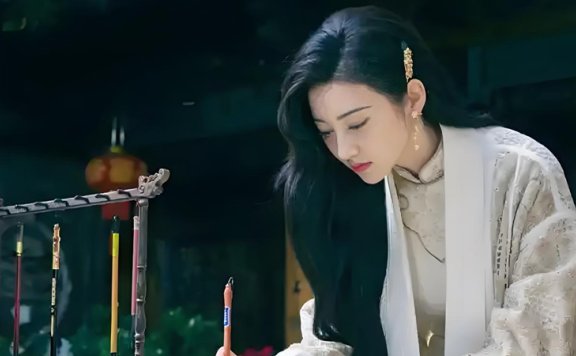
In the vibrant city of Hangzhou, actress Jing Tian (景甜) recently became the center of attention during an advertisement shoot. Dressed in a striking green Qipao and casually wielding a fan, she moved through the mall with an effortless grace that left onlookers in awe. Her skin, noticeably radiant without any digital enhancements, seemed to glow from within, challenging the common narrative of aging in the entertainment world. At 37, she exhibited a freshness often associated with youth, yet paired with the poise of experience. This scene not only highlighted her physical beauty but also ignited discussions about what it means to have a long-lasting "flowering period" in a industry obsessed with novelty. Her relaxed demeanor, as she interacted with fans and handled the summer heat without fuss, added to the allure, making it clear that her appeal goes beyond mere aesthetics. Career Shifts Jing Tian's journey in the spotlight began with high-profile projects that should have cemented her status. She starred in major films like The Great Wall (长城), where she often held central positions thanks to substantial backing. Despite these opportunities, widespread recognition eluded her for years, leading to online criticism labeling her as someone who couldn't break… -
Ancestors' Hidden Posters: What Is a True Chinese Beauty?
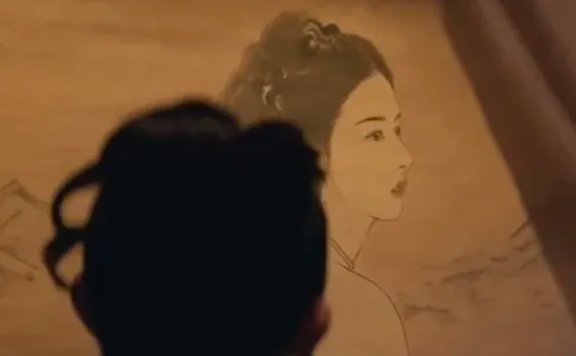
What constituted the perfect woman in ancient China? The answer might be found not in poetry or legend, but in the delicate brushstrokes of Shinü Hua (仕女画), a genre of painting dedicated to depicting idealized female figures. These artworks, often misunderstood as simple portraits of beauty, served as a complex mirror reflecting the evolving tastes, social values, and deepest aspirations of Chinese literati across centuries. They are far more than pretty pictures; they are visual archives of a cultural conversation about femininity, grace, and intellect that spanned dynasties. This artistic tradition offers a unique window into how standards of elegance were constructed and contested, providing a fascinating counterpoint to today's globalized beauty ideals. By examining these paintings, we embark on a journey through time to understand the essence of what was once considered the pinnacle of Chinese womanhood. Defining Shinü The term Shinü itself carries layered meanings. Initially appearing as "Shinü" (士女) in ancient texts like the Record of the Buddhist Monasteries of Luoyang (洛阳伽蓝记), it simply referred to young women. Over time, particularly by the Tang and Song dynasties, its meaning narrowed to specify women from official or scholarly families. However, within the context of art, Shinü transcended mere… -
Fated Hearts: A Dance of Rivals in Ancient Yujing
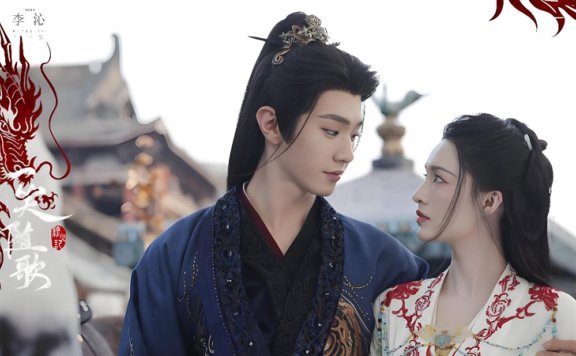
What happens when two fierce rivals are forced to rely on each other for survival? Fated Hearts (一笑随歌), a new historical drama, spins a tale of lost memory, political schemes, and an unexpected bond forming amidst the chaos of the ancient Yujing City (玉京城). The series introduces Fu Yixiao (付一笑), a brilliant archer whose life is upended after a fall from a cliff, and Feng Suige (凤随歌), the cunning prince of a rival kingdom. Their story begins with betrayal and manipulation but gradually unfolds into a complex dance of trust and affection. Set against a backdrop of war and intrigue, the narrative challenges the typical romance tropes, offering viewers a gripping experience where both characters are equally powerful and intelligent. This is not a story of rescue, but one of mutual discovery and strength. The Power Duo From their first encounter on the battlefield, the dynamic between Fu Yixiao and Feng Suige is electric. She is known for her sharp skills and decisive actions, while he is a master strategist accustomed to controlling every situation. After her accident, he sees an opportunity to use her condition to uncover deeper conspiracies, but he soon finds that even without her memory, she… -
How is Cheng Yi's The Journey of Legend Reshaping Modern Wuxia Television?
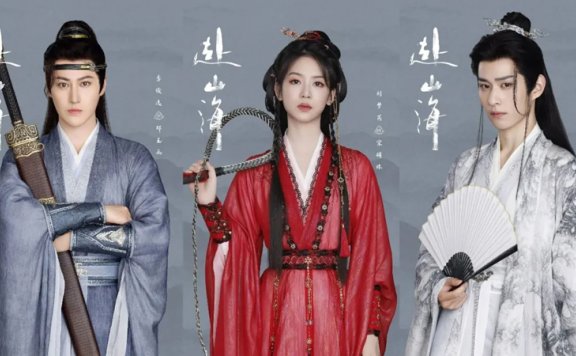
The landscape of Wuxia drama on television is undergoing a profound transformation, moving away from the gritty, blood-stained arenas of the past toward a world where aesthetics often overshadow the core spirit of the Jianghu. The recent series The Journey of Legend (赴山海), starring actor Cheng Yi (成毅), has become a focal point for this discussion. Its popularity highlights a significant shift in how stories of chivalry and honor are being told for contemporary audiences. This change reflects broader trends in production, audience preference, and the very definition of what constitutes a hero in today's media-saturated environment. The debate is not merely about style versus substance, but about the evolution of a cultural genre that has long held a special place in the hearts of viewers. Visual Revolution The visual language of Wuxia has changed dramatically. Earlier productions, influenced by directors like Zhang Che (张彻) and King Hu, prized a sense of raw authenticity. Fight scenes were often brutal and unpolished, and characters bore the physical marks of their hard lives. Their costumes were functional, sometimes even shabby, reinforcing the idea of a harsh, unpredictable world. This aesthetic made the Jianghu feel tangible and dangerous, a place where survival was… -
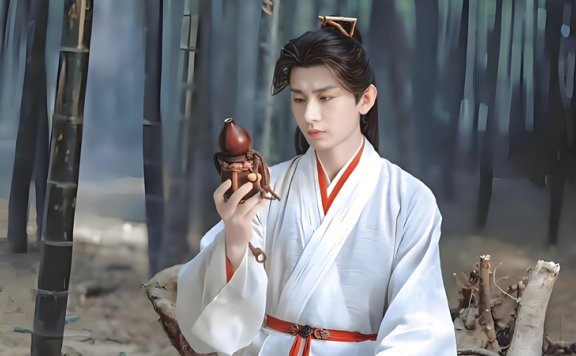
The Legend of Journey: A Modern Soul in a Wuxia World
When a television series opens with a disillusioned modern writer suddenly thrust into the world of his own creation, expectations are immediately subverted. This is the premise of the new drama The Legend of Journey (赴山海), which has sparked intense debate since its debut. At first glance, the combination of a 'book-transmigration' plot, a tech-based system, and the classic Wuxia genre seems like a chaotic mix. Yet, beneath what some dismiss as a gimmicky surface lies a thoughtful examination of a timeless question: what does it mean to be a hero in a world that prioritizes survival over chivalry? The series uses its unconventional framework not to mock tradition, but to ask if ancient virtues can withstand the pressures of contemporary life, making it far more than the sum of its seemingly disjointed parts. A Hero for Today The protagonist, Xiao Mingming (肖明明), is a character countless viewers will recognize. He is a modern office worker, his dreams of grandeur flattened by the daily grind. When he finds himself inhabiting the body of the heroic Xiao Qiushui (萧秋水), he brings with him a modern cynicism and a desperate desire to avoid danger. This creates the central tension. The original Xiao… -
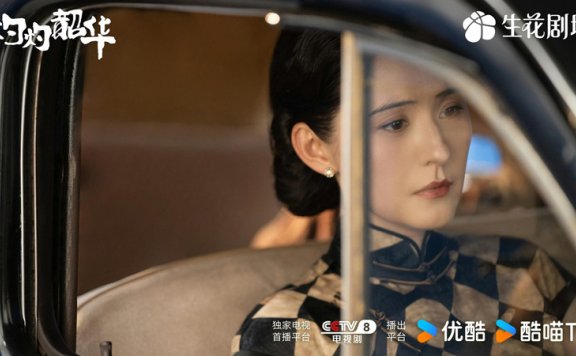
Wild Ambition Bloom: A 20th-Century Woman's Herbal Venture
"Fast-paced and satisfying." When this becomes the label most people attach to a period drama, it already hints at something unusual. Wild Ambition Bloom (灼灼韶华), now streaming on Youku, has indeed broken the mold. The show has cut through the crowded drama market with impressive results: a CVB rating above 2.6%, Youku's internal popularity index over 8000, and the top spot on Douyin's drama chart. Along with these numbers, the show has gained both public attention and steadily improving word of mouth. What makes Wild Ambition Bloom stand out is that it isn't just another so-called Shuang Drama (爽剧)—a fandom term used to describe shows built on fast payoffs, revenge arcs, and cathartic spectacle. The creative team tapped into what contemporary viewers want and reworked the familiar framework of Republican-era dramas. By leaning into three key areas—rare subject matter, modern character design, and an intensified rhythm of storytelling—the series updates the genre and adds new value. A Long Drama That Still Feels Fast The immediate market response was strong. In terms of ratings, its CVB performance not only started high but kept climbing. On Youku, the show crossed 8000 in popularity score, staying at the top of several charts: the… -
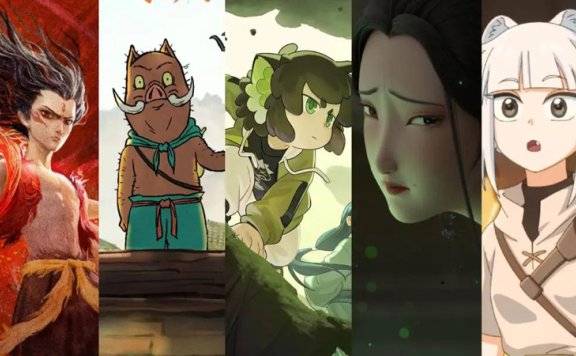
Why Are Chinese Anime Films So Obsessed With Monsters?
"Yao are like a mirror—every story about them ultimately reflects humanity itself." By any measure—quantity, quality, or box office—2025 is a breakout year for Chinese animated films. It began with Ne Zha 2 smashing records during the Spring Festival and reaching audiences worldwide. Summer brought an even fiercer lineup: NOBODY, The Legend of Hei 2, Curious Tales of a Temple Chinese, Fairizest: Rally for Pally, and Pleasant Goat and Big Big Wolf: Bright New Dawn. Among them, NOBODY and The Legend of Hei 2 stood out as rare 2D hits, with the former breaking a nine-year box office record. Together, these works suggest Chinese animation has finally moved past old critiques—too many Monkey Kings and Ne Zhas, too much 3D, too many recycled myths. And yet, one curious pattern remains: so many protagonists are…yao. Of the six non-children's animated films this year, five feature them. Why does Chinese animation keep returning to monsters, spirits, and the supernatural? What Are Yao? An old saying goes: "Where there is strangeness, there must be Yao (妖)." In ancient China, people explained unexplainable phenomena through categories. Natural wonders were attributed to gods (神), while things that disrupted the normal order became yao. It was… -
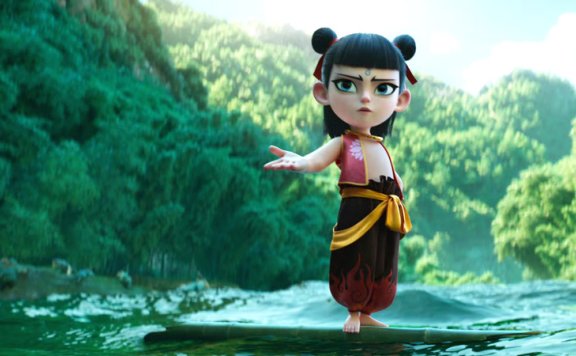
Why is the 2025 Version of Ne Zha 2 So Popular?
The most debated element of Ne Zha 2 is its transformation of a tale of defiance against authority into a story about familial love and harmony. The film takes such bold liberties with tradition that many viewers struggle to reconcile it with earlier versions. So what exactly did this "Ne Zha 2" Ne Zha betray—and what did he inherit? A New Ne Zha, A Different Spirit Did the film betray Ne Zha's anti-authoritarian core? Some say yes, but the answer is not so simple. In Investiture of the Gods, Ne Zha's rebellion is tempered by filial duty. Before his famous self-sacrifice, he is still a loyal son, killing himself largely to save his parents. The 1979 animation Ne Zha Conquers the Dragon King (哪咤闹海) also shifts the emphasis: Ne Zha dies to protect the people of Chentang Pass. His defiance of authority is there, but it is indirect. Seen this way, the new film isn't unprecedented. Most retellings soften Ne Zha's radical edge, and Ne Zha 2 is simply the most dramatic example. There is also a practical reason. Across eras and cultures, audiences have struggled to accept the shocking "returning flesh and bones to parents" scene—a symbolic act of…
